GeoLog

Planetary and Solar System Sciences

GeoTalk: The anomaly in the Earth’s magnetic field which has geophysicists abuzz

GeoTalk: The anomaly in the Earth’s magnetic field which has geophysicists abuzz

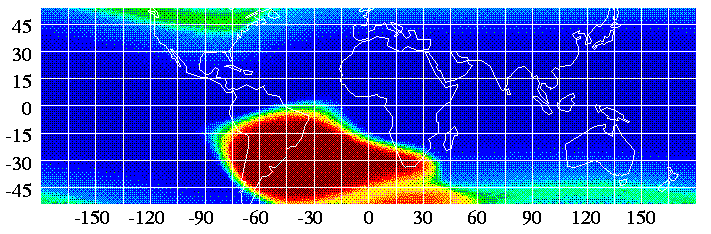
Geotalk is a regular feature highlighting early career researchers and their work. In this interview we speak to Jay Shah, a PhD student at Imperial College London, who is investigating the South Atlantic Anomaly, a patch over the South Atlantic where the Earth’s magnetic field is weaker than elsewhere on the globe. He presented some of his recent findings at the 2017 General Assembly. First, coul ...[Read More]

August GeoRoundUp: the best of the Earth sciences from around the web
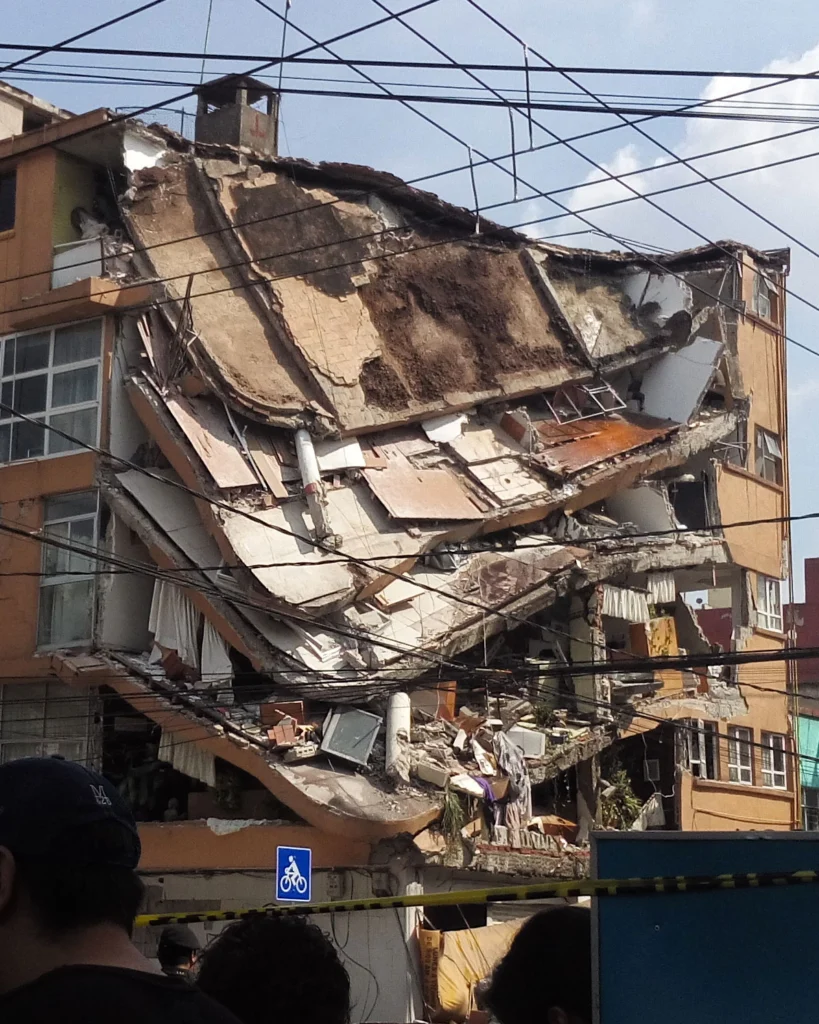
August GeoRoundUp: the best of the Earth sciences from around the web
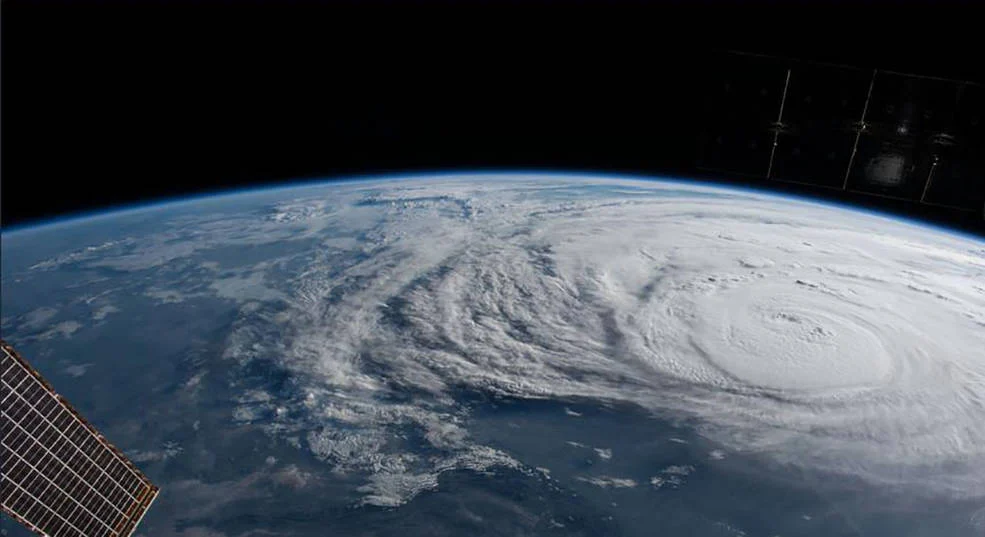
Drawing inspiration from popular stories on our social media channels, as well as unique and quirky research news, this monthly column aims to bring you the best of the Earth and planetary sciences from around the web. Major Stories On August 25th Hurricane Harvey made landfall along the southern coast of the U.S.A, bringing record breaking rainfall, widespread flooding and a natural disaster on a ...[Read More]

Imaggeo on Mondays: A total eclipse of the Moon

Imaggeo on Mondays: A total eclipse of the Moon

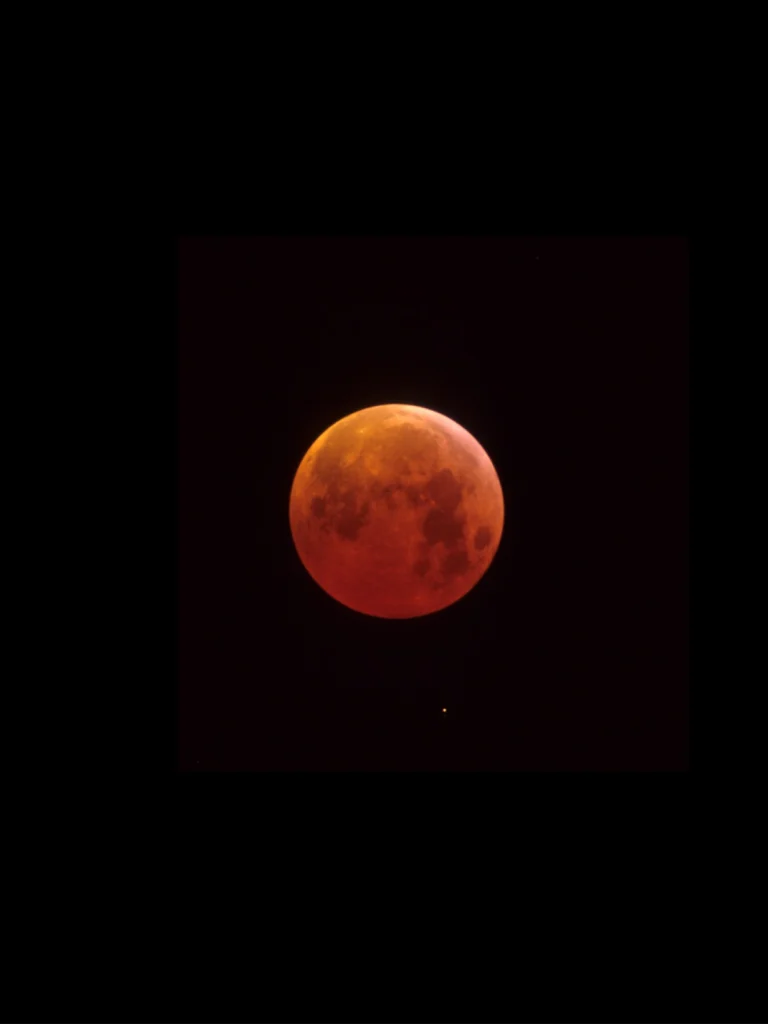
Today, all eyes are turned to the sky; at least in North America, where the region will be treated to an eclipse of the sun. The online hype is hard to miss and its hardly surprising, opportunities to see the moon completely cover the Sun, where you are, are rare*. According to NASA, the same spot on Earth only gets to see a solar eclipse for a few minutes about every 375 years! If like us, you ca ...[Read More]

Light years from home – a geologist’s tale

Light years from home – a geologist’s tale

In a departure from the usual posts we feature on the blog, today Conor Purcell (a freelance science writer) brings you a thought provoking science fiction piece. Grab a drink and dive into this geology inspired adventure! “It’s typical geology for a rocky planet” K reported. “Captured beneath the ocean at its northern pole, the core is a mix of metamorphic and sedimentary rock, with sand an ...[Read More]

April GeoRoundUp: the best of the Earth sciences from the 2017 General Assembly

April GeoRoundUp: the best of the Earth sciences from the 2017 General Assembly

This month’s GeoRoundUp is a slight deviation from the norm. Instead of drawing inspiration from popular stories on our social media channels and unique or quirky research featured in the news, we’ve rounded up some of the stories which came out of researcher presented at our General Assembly (which took place last week in Vienna). The traditional format for the column will return in May! Major st ...[Read More]

February GeoRoundUp: the best of the Earth sciences from around the web
Comparing the TRAPPIST-1 planets

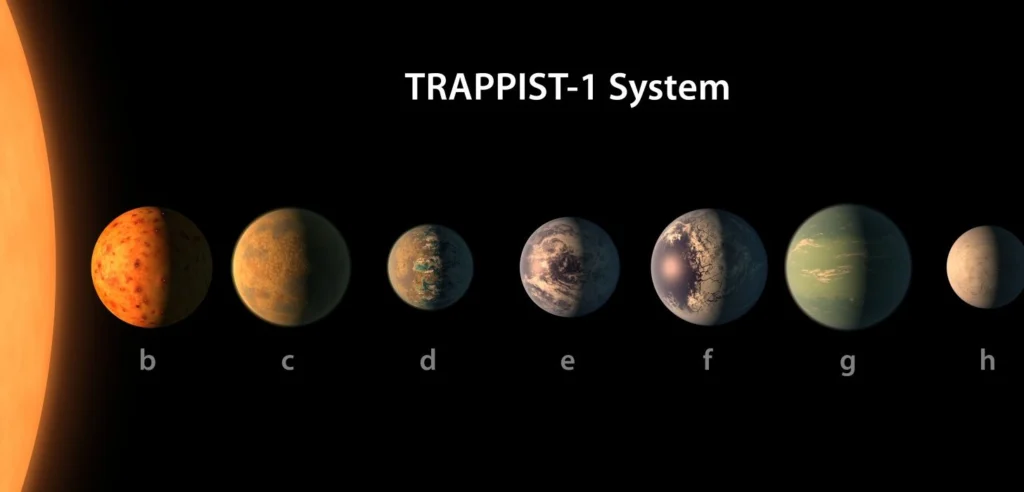
Drawing inspiration from popular stories on our social media channels, as well as  unique and quirky research news, this monthly column aims to bring you the best of the Earth and planetary sciences from around the web. Major story Undoubtedly the story of the month is the discovery of a star system of seven Earth-sized planets just 40 light-years away from our own. What makes the finding so excit ...[Read More]

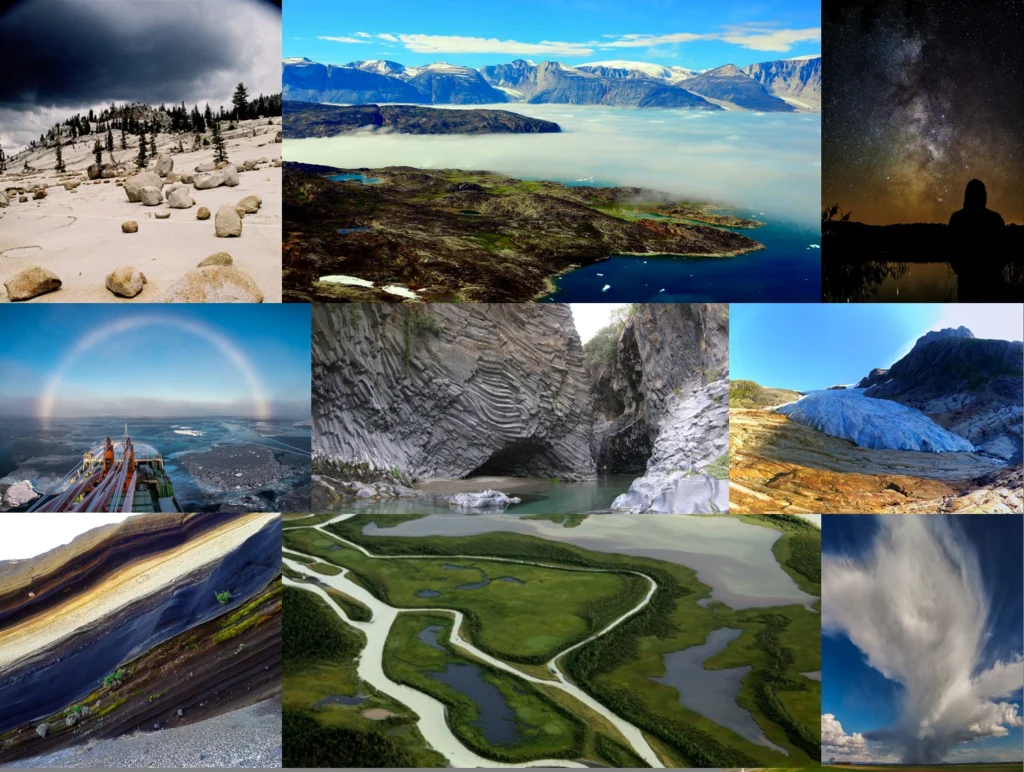
The best of Imaggeo in 2016: in pictures

The best of Imaggeo in 2016: in pictures

Imaggeo, our open access image repository, is packed with beautiful images showcasing the best of the Earth, space and planetary sciences. Throughout the year we use the photographs submitted to the repository to illustrate our social media and blog posts. For the past few years we’ve celebrated the end of the year by rounding-up some of the best Imaggeo images. But it’s no easy task to pick which ...[Read More]

Looking back at the EGU Blogs in 2016: a competition

Looking back at the EGU Blogs in 2016: a competition

The past 12 months has seen an impressive 360 posts published across the EGU’s official blog, GeoLog, as well as the network and division blogs. From a lighthearted Aprils Fools’ Day post featuring an extreme chromatic phenomenon (otherwise known as FIB); through to how climate change is affecting mountain plant’s sex ratios; features on natural hazard events throughout the year and children’s dis ...[Read More]

GeoTalk: Drilling into the crater which contributed to the demise of dinosaurs

GeoTalk: Drilling into the crater which contributed to the demise of dinosaurs

Six months ago, somewhere in the tropical waters off the coast of Mexico, scientists began drilling into one of the most iconic geological features on Earth: the Chicxulub crater; the 66 million year old remnants of a deadly asteroid impact, thought to have contributed to the demise of dinosaurs and most other forms of life which inhabited the Earth at the time. Today we speak to Sonia Tikoo, Assi ...[Read More]

Geosciences column: Making aurora photos taken by ISS astronauts useful for research

Geosciences column: Making aurora photos taken by ISS astronauts useful for research

It’s a clear night, much like any other, except that billions of kilometers away the Sun has gone into overdrive and (hours earlier) hurled a mass of charged particles, including protons, electrons and atoms towards the Earth.  As the electrons slam into the upper reaches of the atmosphere, the night sky explodes into a spectacular display of dancing lights: aurora. Aurora remain shrouded in myste ...[Read More]