GeoLog

EGU Scientific Divisions

Imaggeo on Mondays: Iceberg at midnight

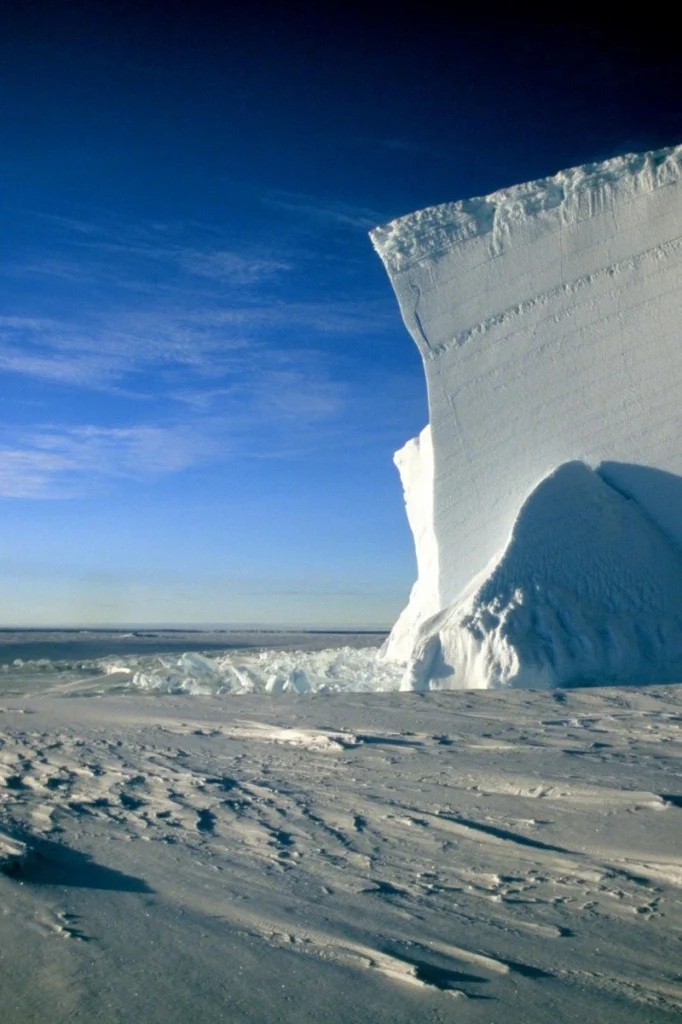
Standing on the vast expanse of gleaming white sea ice of the Atka Bay, Michael Bock took this stunning picture of an Antarctic iceberg. The days, during the Antarctic summer, are never ending. Despite capturing the image at midnight, Michael was treated to hazy sunlight. “Clearly visible [in the iceberg] are the annual snow accumulation layers which illustrate how the ice archive works.; as you l ...[Read More]

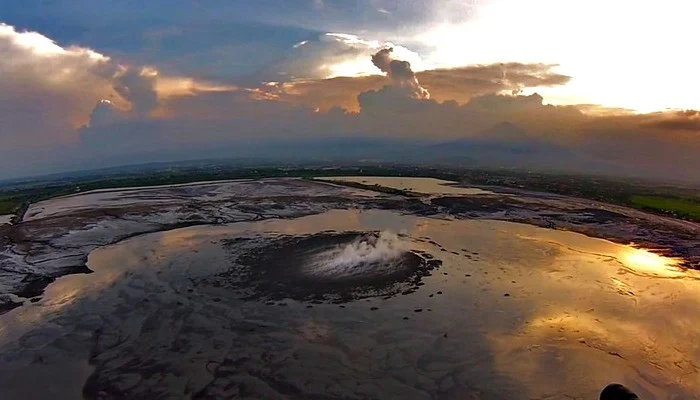
Imaggeo on Mondays: Lusi from the sky with drones

The picture shows a spectacular aerial view of a sunset over the Lusi mud eruption in East Java, Indonesia. Here thousands of cubic meters of mud, are spewed out every day from a 100 m sized central crater. Since the initial eruption of the volcano in 2006, following a 6.3 M earthquake, a surface of about 7 km2 has been covered by boiling mud, which has buried more than 12 villages and resulted in ...[Read More]

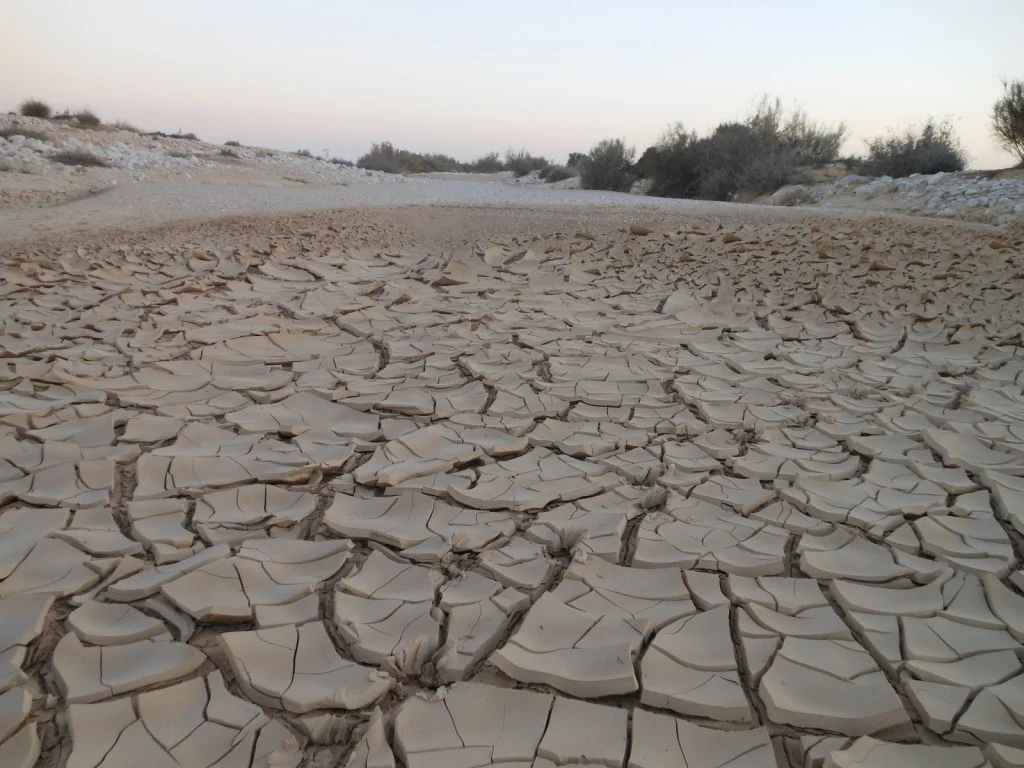
Imaggeo on Mondays: Wadis in a war zone

The range of challenges scientists face when carrying out Earth science research in the field are vast. However, the story behind Vincent Felde’s, a PhD candidate at Giessen University, image of the wadi, is truly remarkable and highlights how geoscientific research is not limited by borders or conflict. Wadi Nizzana (the Arabic term used to describe valleys that remain dry except during times of ...[Read More]

When Astronomy Gets Closer to Home: Why space weather outreach is important and how to give it impact

When the public think about natural hazards, space weather is not the first thing to come to mind. Yet, though uncommon, extreme space weather events can have an economic impact similar to that of large floods or earthquakes. Although there have been efforts across various sectors of society to communicate this topic, many people are still quite confused about it, having only a limited understandi ...[Read More]

GeoTalk: Nick Dunstone, an outstanding young scientist

 Nick Dunstone, the winner of a 2014 EGU Division Outstanding Young Scientists Award, who studies the Earth’s climate and atmosphere, including how they are impacted by natural variation and anthropogenic emissions talks to Bárbara Ferreira, the EGU Media and Communications Manager, in this edition of GeoTalk. This interview was first published in our quarterly newsletter, GeoQ. First, could you i ...[Read More]

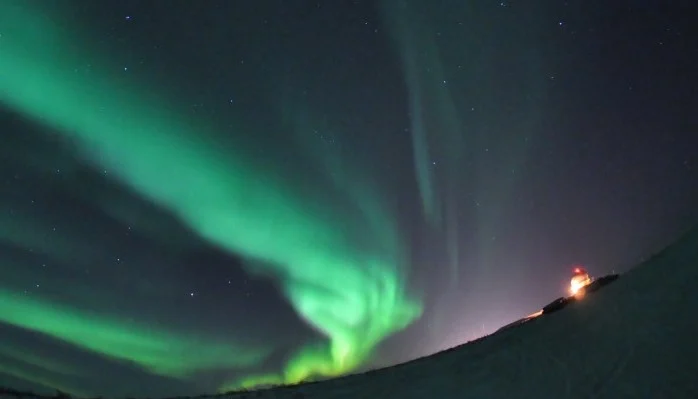
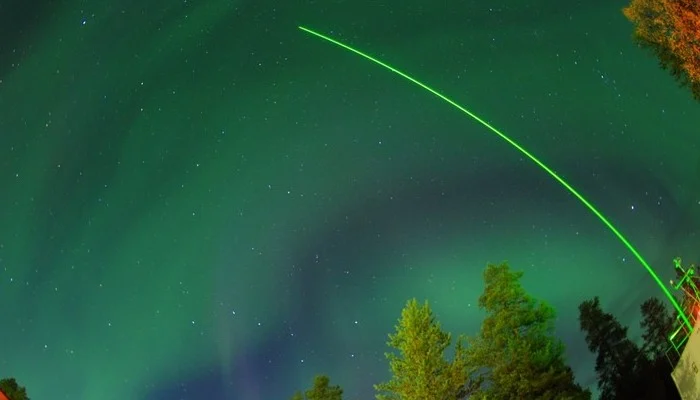
Imaggeo on Mondays: A single beam in the dancing night lights

Research takes Earth scientists to the four corners of globe. So, if you happen to have a keen interest in photography and find yourself doing research at high latitudes, chances are you’ll get lucky and photograph the dancing night lights: aurora (or northern lights), arguably one of the planet’s most breath taking natural phenomenon. That is exactly the position Matias Takala, a researcher at th ...[Read More]

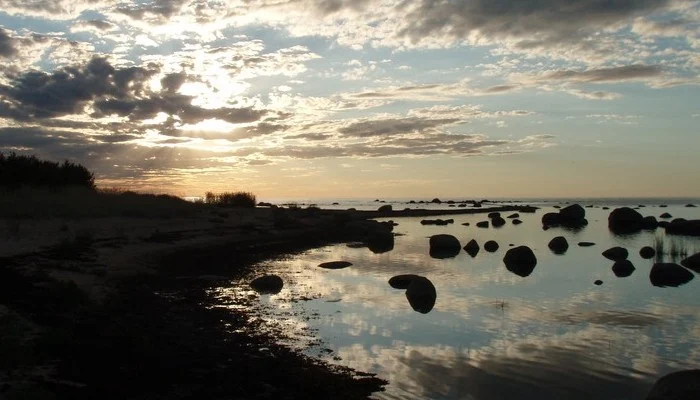
Imaggeo on Mondays: An ancient landscape and the never setting sun.

This week’s Imaggeo on Mondays image is brought to you by Florian Heinlein, a meteorologist by training now working on his PhD modelling water transport in agricultural plants. This image was taken even before he started his bachelor’s degree and studying the Earth’s atmosphere and climate change was still a pipeline dream. This picture was taken during a holiday trip through the Baltics in July 2 ...[Read More]

GeoEd: Citizen Geoscience

GeoEd: Citizen Geoscience

In this month’s GeoEd column, Sam Illingworth tells us about the growing use of Citizen Science within research as a means of acquiring data. Whilst the practice is novel and offers exciting opportunities as to volumes of data collected Sam highlights the importance of appropriately crediting the work of the willing volunteers. Citizen Science is a phrase that is currently de rigour in scientific ...[Read More]

Imaggeo on Mondays: Stone Flower

In a true feat of endurance, self-discovery and resilience, Solmaz Mohadjer and Josy Strunden, geology students at the University of Tübingen (Germany), cycled 800 km in the Pamir Mountains as part of a trip to raise awareness about autism in Tajikistan. ““We cycled through one of the most tectonically active regions on the planet, passing by mountain communities that welcomed us warmly as well as ...[Read More]

Imaggeo on Mondays: Glarus Alps

Undoubtedly, the Alps are one of the best studied mountain ranges in the world. Appreciating their immense beauty and geological wealth can be difficult from the ground, given their vast scale and the inaccessibility of some of their more challenging peaks. Kurt Stüwe, along with alpine photographer Ruedi Homberger, set about changing this by undertaking the ambitious task of photographing the len ...[Read More]