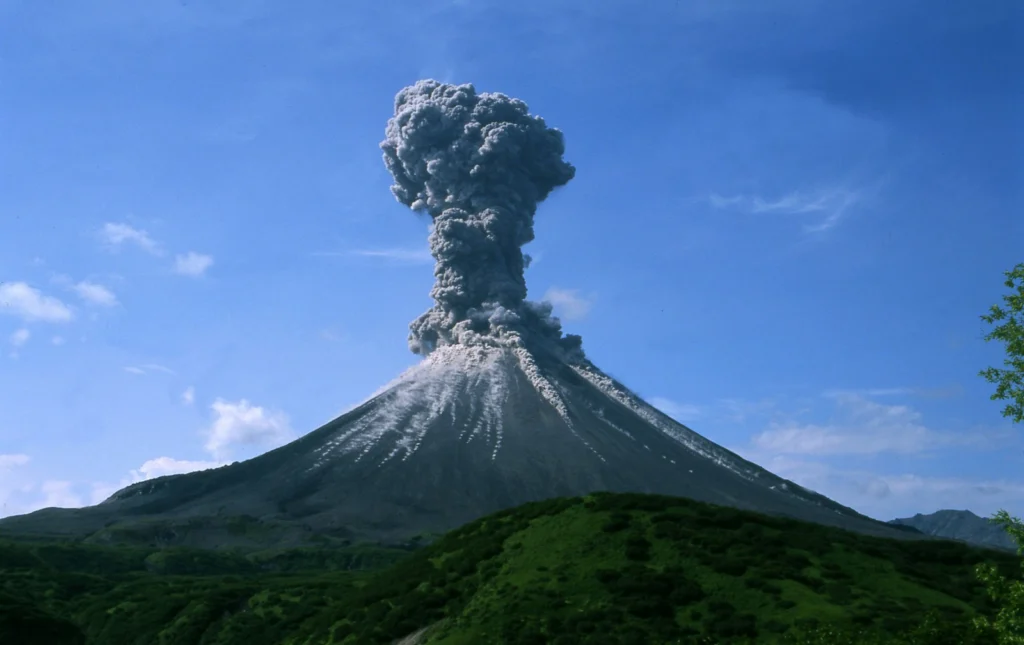
One of the world’s most volcanically active regions is the Kamchatka Peninsula in eastern Russia. It is the subduction of the Pacific Plate under the Okhotsk microplate (belonging to the large North America Plate) which drives the volcanic and seismic hazard in this remote area. The surface expression of the subduction zone is the 2100 …[Read More]
EGU Scientific Divisions
Geosciences Column: The quest for life on Mars
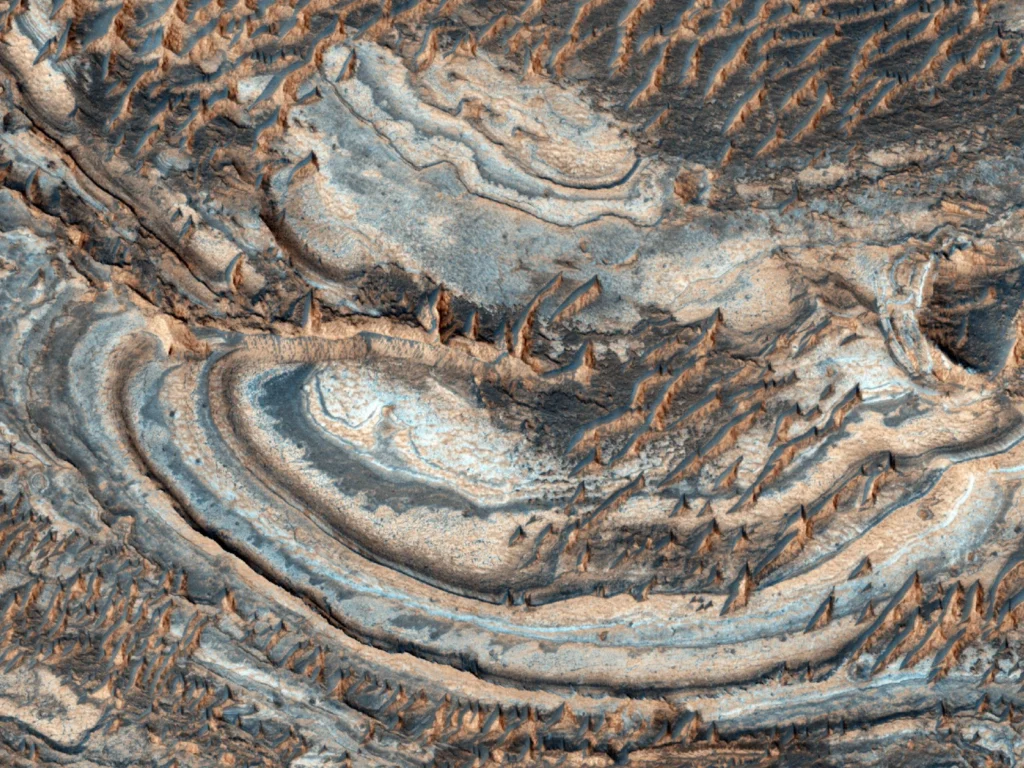
Understanding where we come from and whether Earth is the only habitable planet in the Solar System has been a long standing conundrum in science. Partly because it is our nearest neighbour, partly because of its past and current similarities with our own home, Mars, the red planet, is a likely contender in the quest …[Read More]
Imaggeo on Mondays: A Patagonia landscape dominated by volcanoes
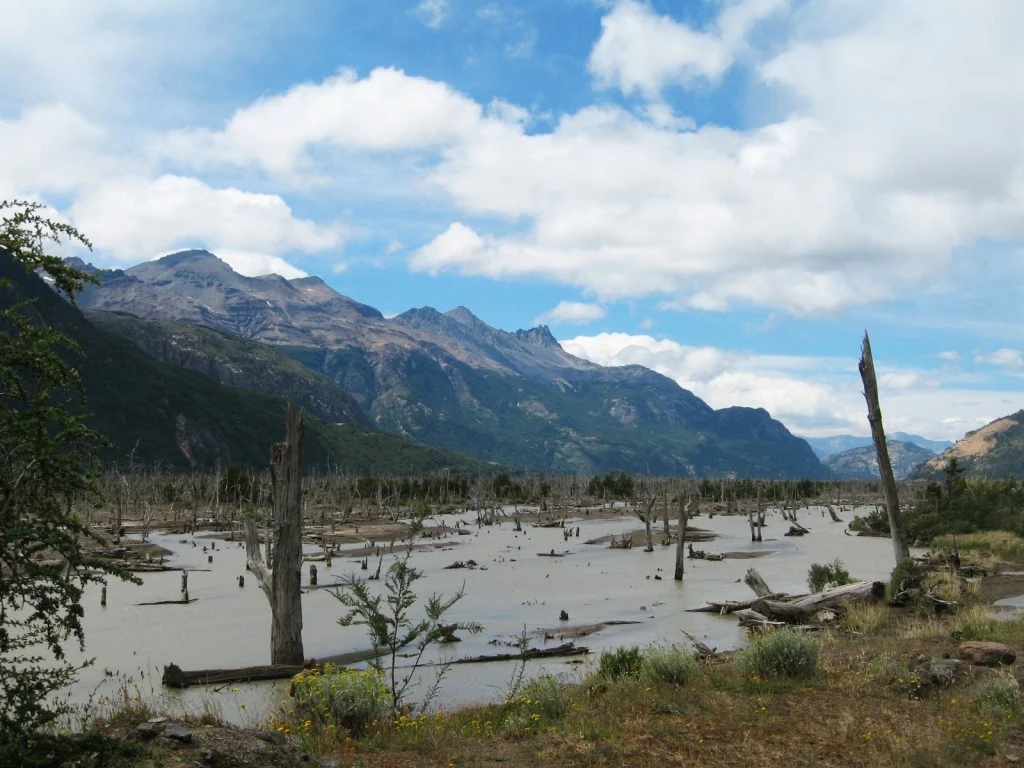
Imagine a torrent of hot and cold water, laden with rock fragments, ash and other debris hurtling down a river valley: this is a lahar. A by-product of eruptions of tall, steep-sided stratovolcanoes, lahars, are often triggered by the quick melting of snow caps and glaciers atop high volcanic peaks. The history of the Ibañes …[Read More]
Geosciences Column: Fire in ice – the history of boreal forest fires told by Greenland ice cores.
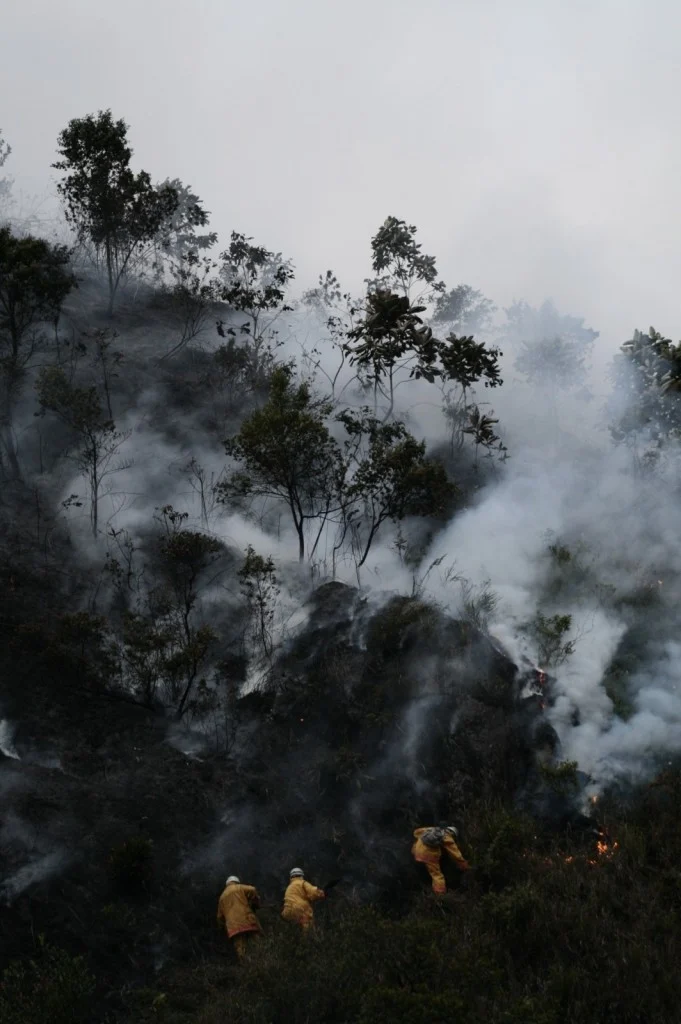
Burning of biomass contributes a significant amount of greenhouses gases to the atmosphere, which in turn influences regional air quality and global climate. Since the advent of humans, there has been a significant increase in the amount of biomass burning, particularly after the industrial revolution. What might not be immediately obvious is that, (naturally occurring) …[Read More]
Imaggeo on Mondays: High altitude glacier monitoring
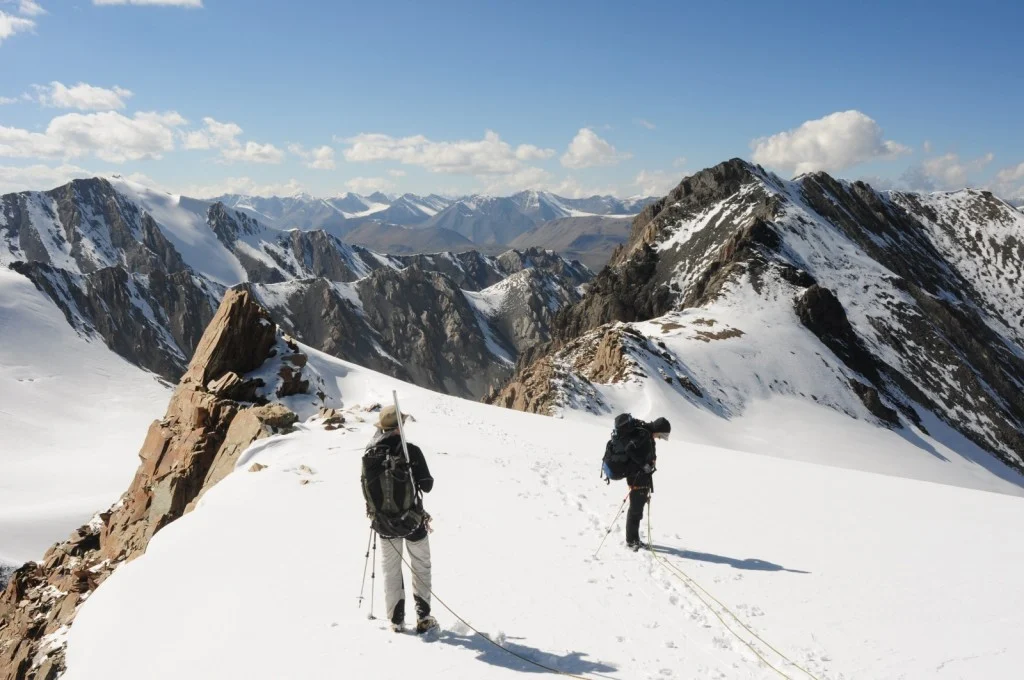
What a place to work: Spectacular views from the top of the rugged and icy peaks of Tien Shan mountain range. The desire to better understanding global climate change took Leo Sold to this remote area of Central Asia. The frozen slopes of ice and snow in today’s Imaggeo on Mondays photograph hold some of …[Read More]
Imaggeo on Mondays: Fly away, weather balloon
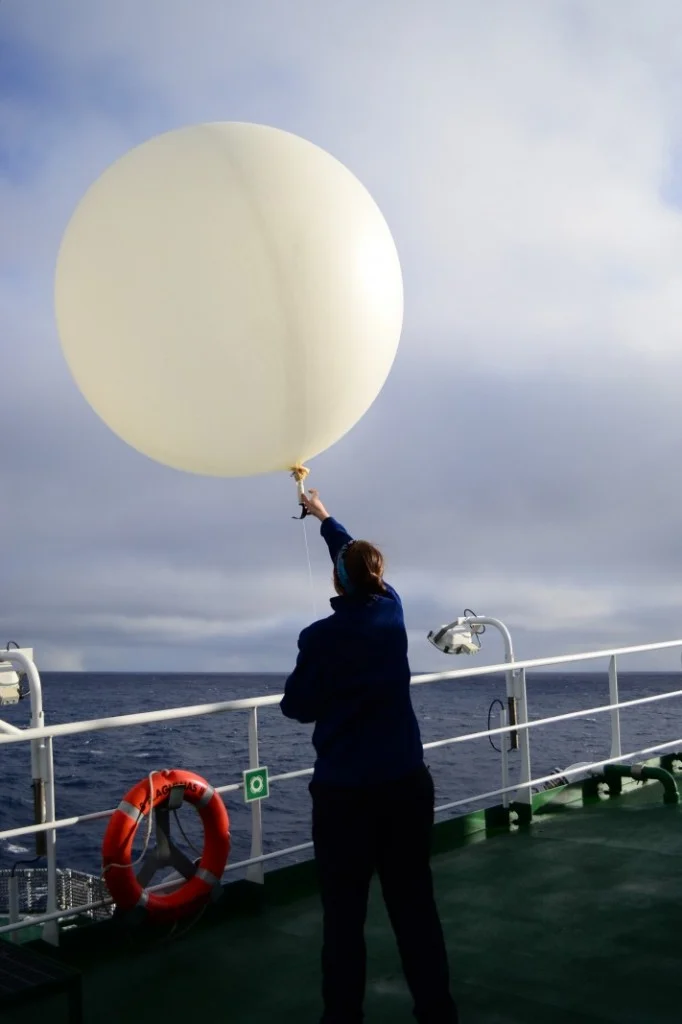
Some aspects of Earth Science are truly interdisciplinary and this week’s Imaggeo on Mondays photograph is testament to that. The maiden voyage of the research cruise SA Agulhas II offered the perfect opportunity to combine oceanographic research, as well as climate science studies. Raissa Philibert, a biogeochemistry PhD student, took this picture of the daily …[Read More]
The ethics of mining
This guest blog post is brought to you by Nick Arndt, Professor at ISTerre and convenor of the the Great Debate at last year’s General Assembly, Metals in our backyard: to mine or not to mine. During the Great Debate the issue of whether the environment impact of mining outweighs the benefits vs. domestic metal …[Read More]
Imaggeo on Mondays: Landslide on the Cantabrian coastline
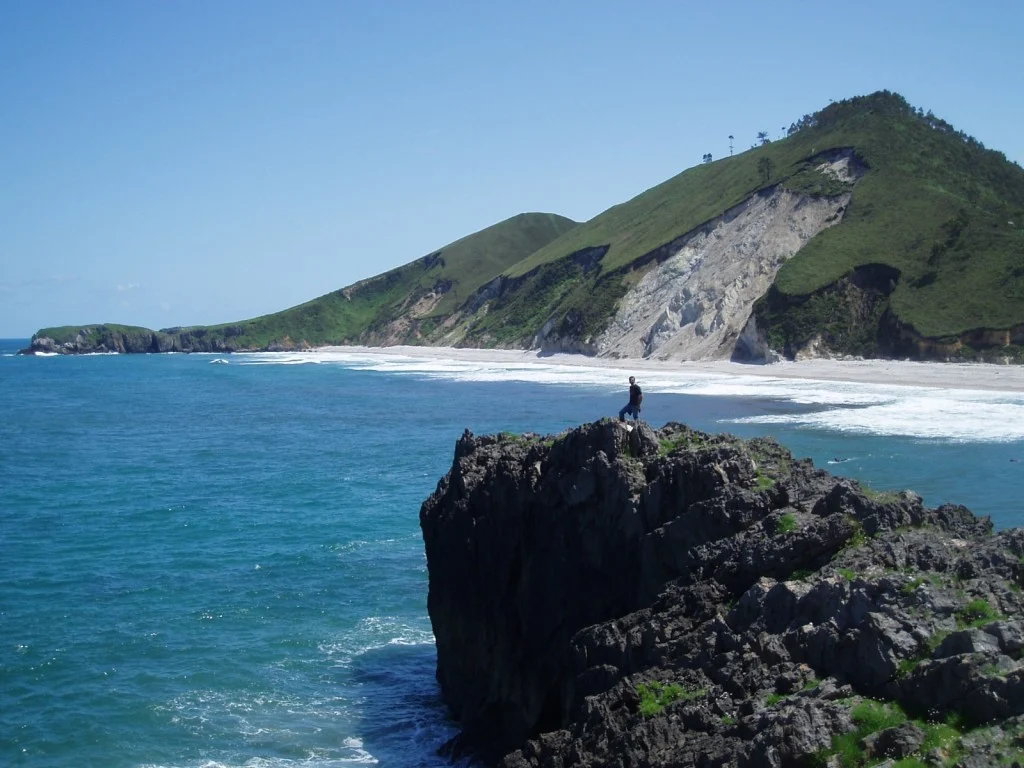
Shimmering blue seas, rocky outcrops and lush green hills sides; this idyllic landscape is punctuated by a stark reminder that geohazards are all around us. Irene Pérez Cáceres, a PhD student at the University of Granada (Spain) explains the geomorphology behind this small scale landslide on the Asturian coastline. This picture was taken in May …[Read More]
Imaggeo on Mondays: A solitary floating island
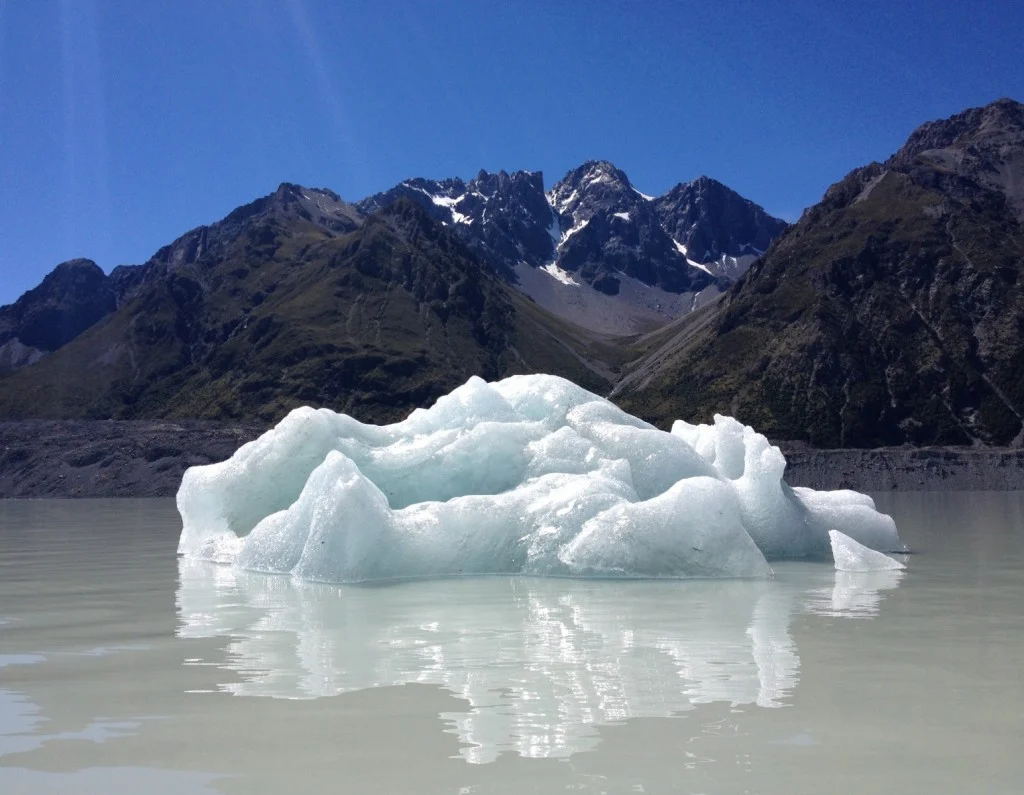
With 2014 officially named the hottest year on record, there is evidence of the effects of rising global temperatures across the globe. The solitary, shimmering iceberg in today’s Imaggeo on Mondays photograph is a reminder that one of the best places to look for evidence of change is in glaciers. Daniela Domeisen tells the story …[Read More]
Geosciences Column: Do roads mean landslides are more likely?
Landslides have been in the news frequently over the past 12 months or so. It’s not surprising considering their devastating consequences and potential impact on nearby communities. Data collected by Dave Petley in his Landslide Blog shows that from January to July 2014 alone, there were 222 landslides that caused loss of life, resulting in …[Read More]