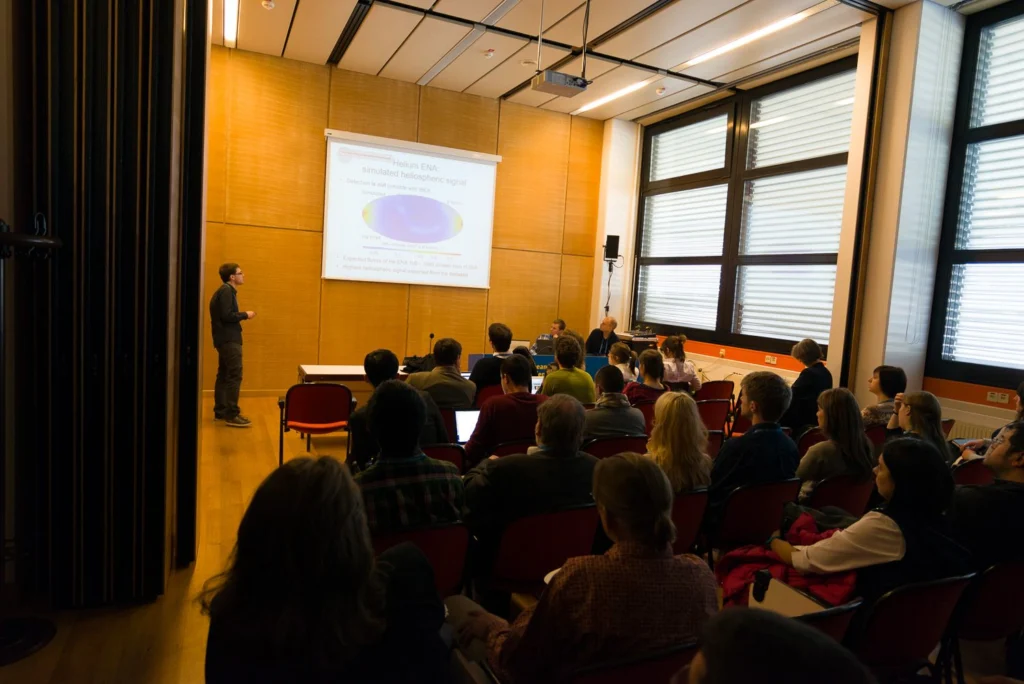
This year’s General Assembly saw more Short Courses than ever before! With many of the 50 courses on offer having been organised by and/or for early career scientitst, there was no excuse not to pick up some new skills. In this guest blog post, Jone Peter Reistad a PhD candidate at the University of Bergen, outlines the details of a session which explored what the future might hold for resea ...[Read More]
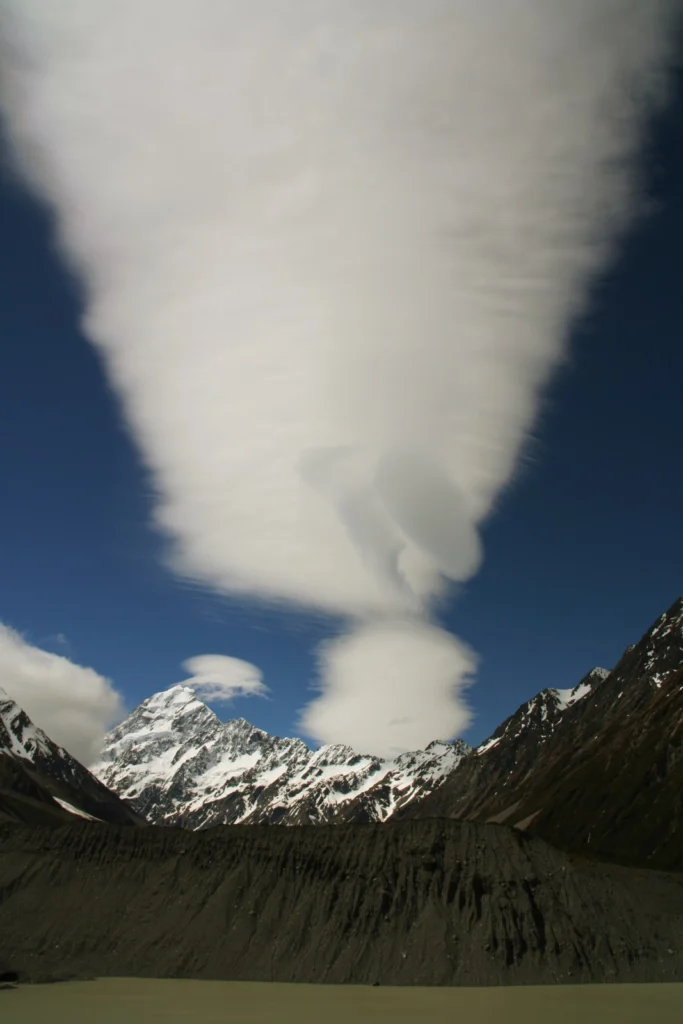
Imaggeo on Mondays: Foehn clouds
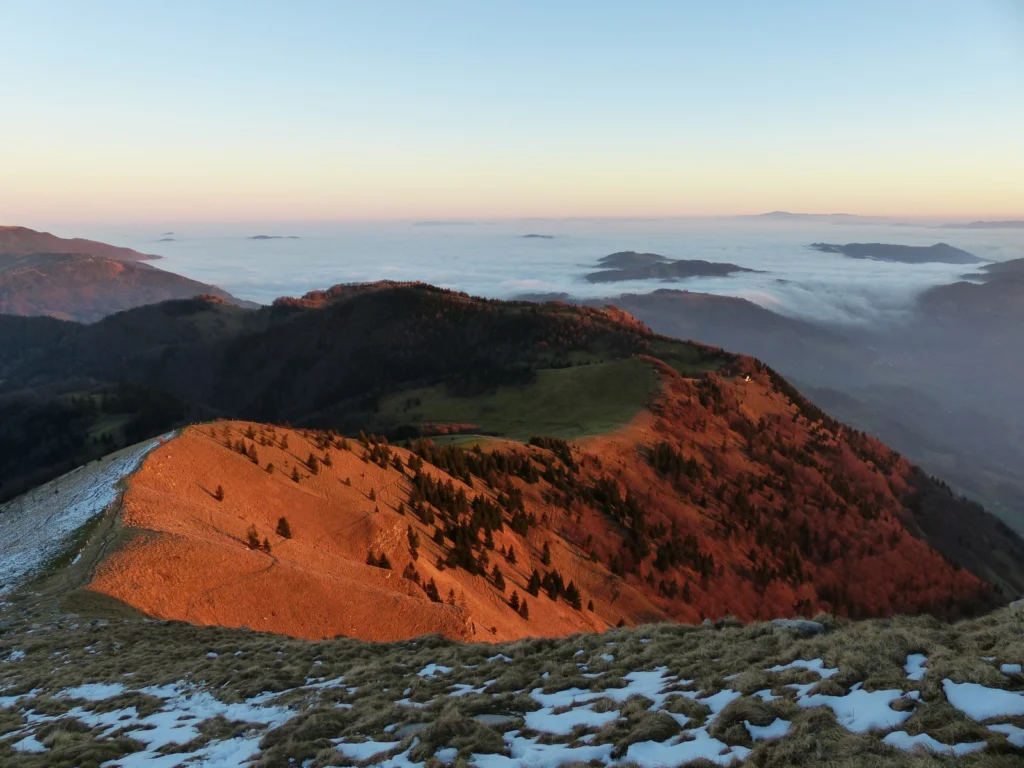
This week’s post is brought to you by Stefan Winkler, a Senior Lecturer in Quaternary Geology & Palaeoclimatology, who explains how the mountain tops of the Southern Alps become decorated by beautiful blanket-like cloud formations. The Sothern Alps of New Zealand are a geoscientifically dynamic environment in all aspects. They are arguably one of the youngest high mountain ranges in the ...[Read More]
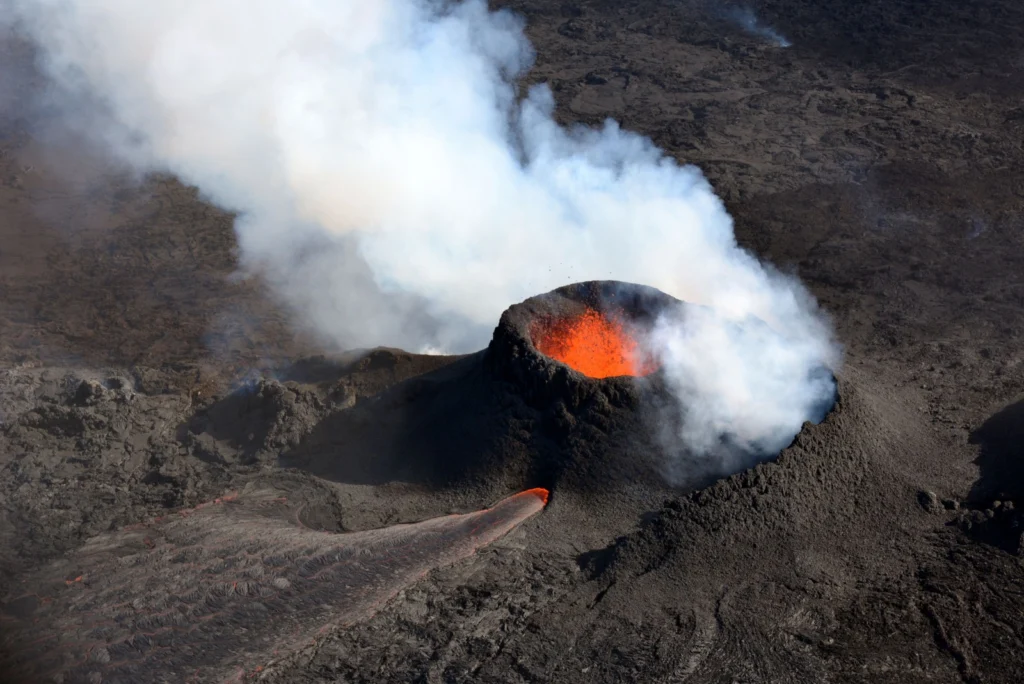
Iceland’s Bárðarbunga-Holuhraun: a remarkable volcanic eruption
A six month long eruption accompanied by caldera subsidence and huge amounts of emitted gasses and extruded lavas; there is no doubt that the eruption of the Icelandic volcano in late 2014 and early 2015 was truly remarkable. In a press conference, (you can live stream it here), which took place during the recent EGU General Assembly, scientists reported on the latest from the volcano. Seismic act ...[Read More]
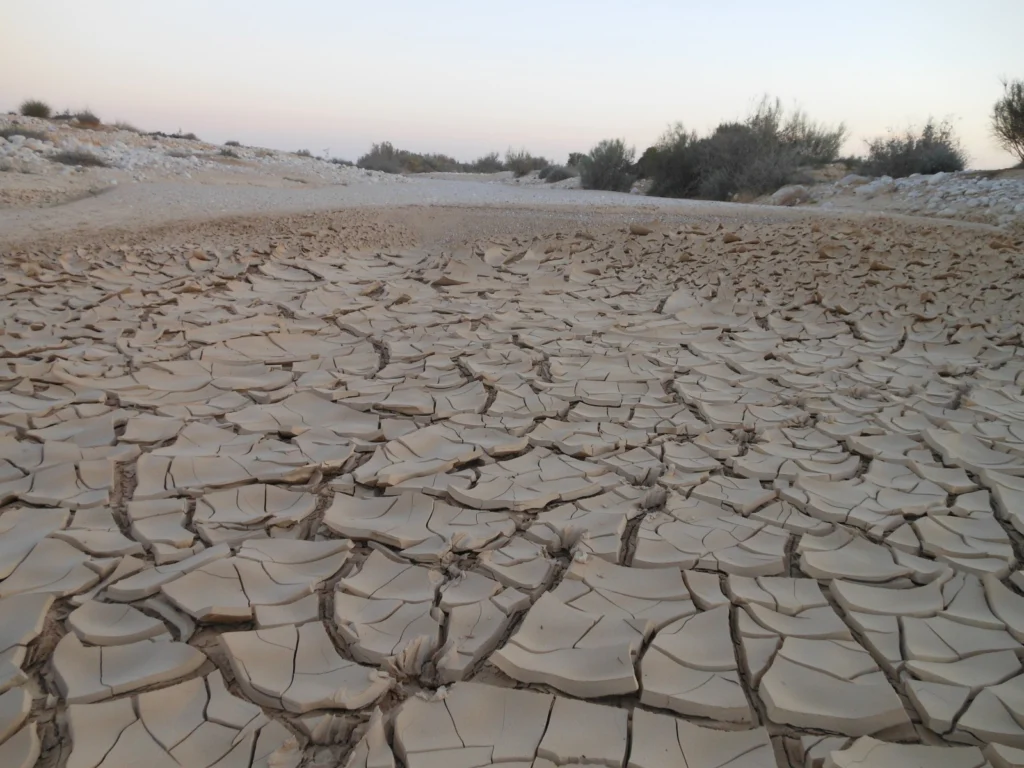
Floods and droughts set to increase due to climate change
The planet is set to encounter a record-level amount of floods and droughts by 2050 – researchers recently announced at the European Geosciences Union’s General Assembly in Vienna. Nikita Marwaha shares their predictions on the impact that climate change will have on these extreme weather conditions. In a study by the Joint Research Centre (JRS) – the European Commission’s in-house science service ...[Read More]
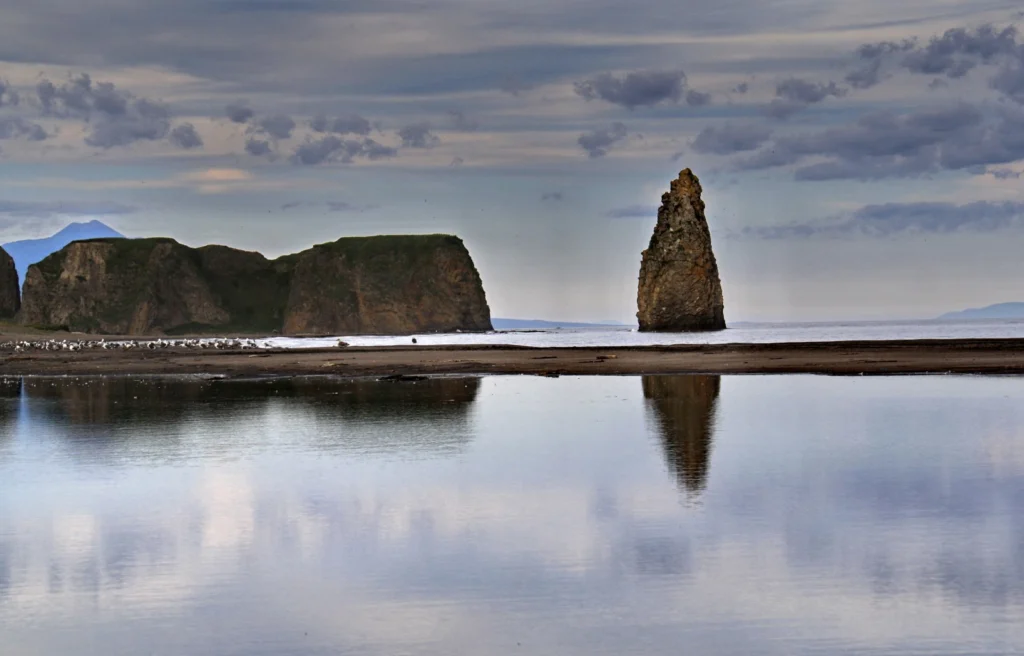
Imaggeo on Mondays: Finger Rock
Standing proud amongst the calm waters of Golovnina Bay is ‘The Devil’s Finger’, a sea stack composed of volcanic sediments. Located on the Pacific coast of Kunashir Island -which is controlled by Russia but claimed by Japan – the stack is testament to the volcanic nature of the region. The island itself is formed of four active volcanoes which are joined together by low-lying geothermally active ...[Read More]
Scientists share new observations from comet-chasing Rosetta Mission
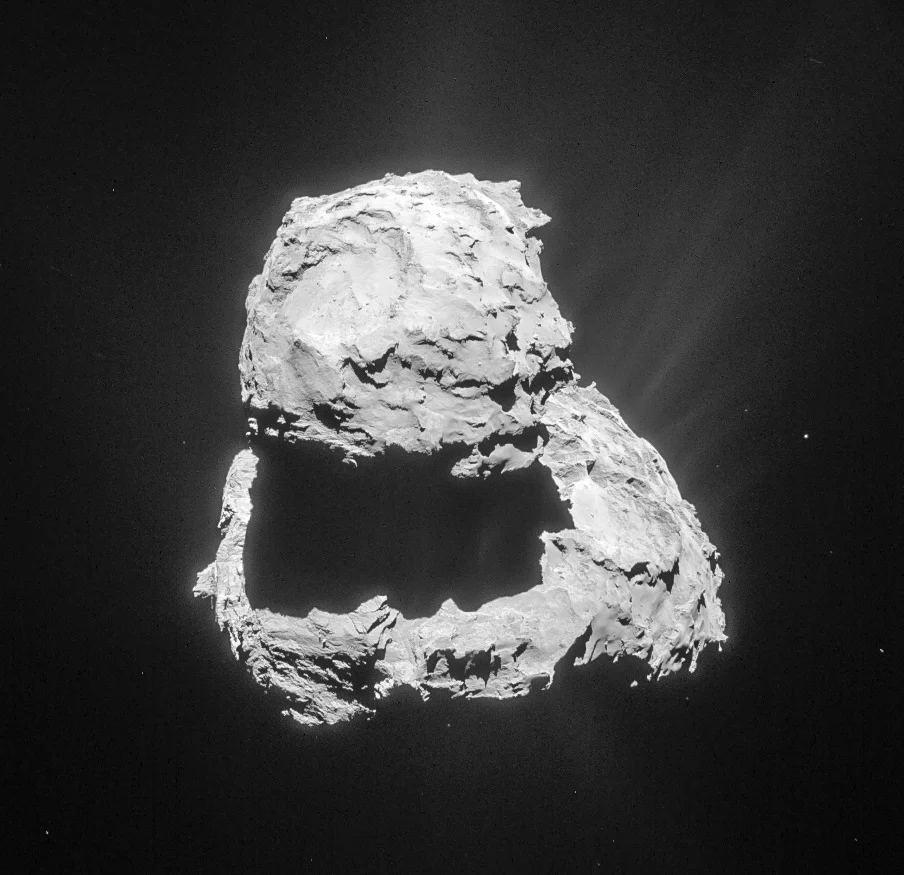
Scientists working on the European Space Agency (ESA) Rosetta Mission provided an update on the comet-chaser and its lander, Philae, at the European Geosciences Union (EGU) General Assembly last week, as well as sharing new science gained from the duo so far. These new results from Rosetta were announced at a press conference on Tuesday 14 April, with additional research presented at the Rosetta s ...[Read More]
Imaggeo on Mondays: Earthquake Lake
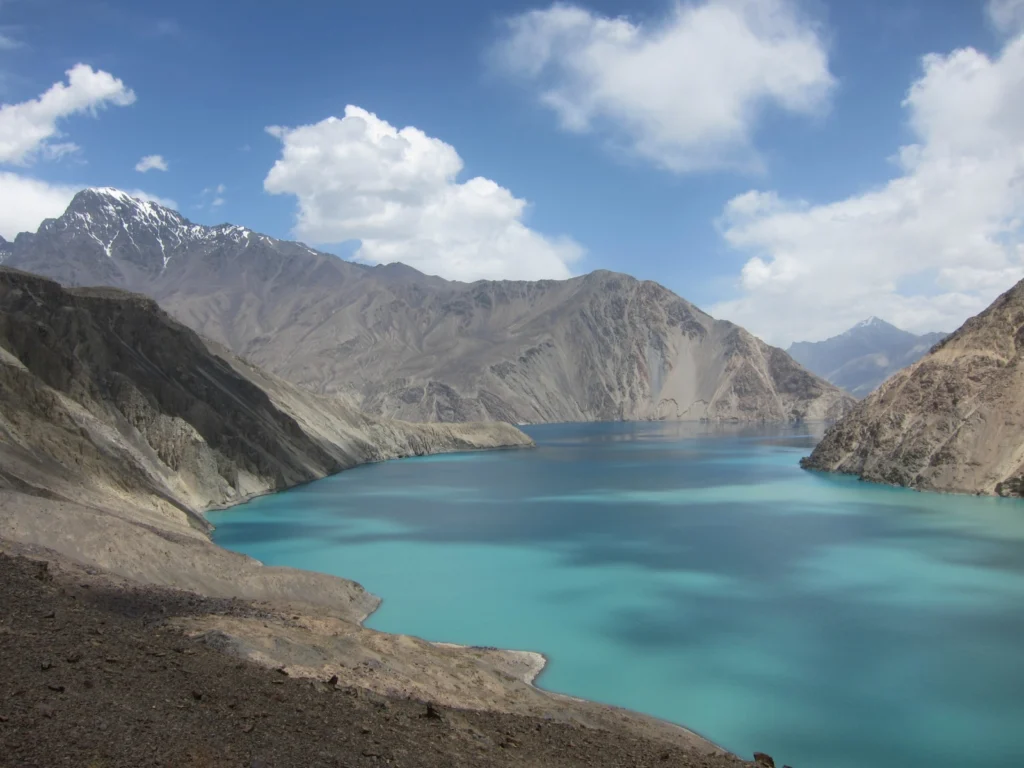
Despite its alluring turquoise waters and rugged mountain backdrop the story behind this beautiful lake is rather more troubling. In today’s Imaggeo on Mondays, the first post since our short break from the traditional format during the General Assembly, Alexander Osadchiev writes about the shaky origins of Sarez Lake. Lake Sarez is situated in Tajikistan, deep in the Pamir Mountains. In 1911 a lo ...[Read More]
Communicate Your Science Competition Winner Announced!
Congratulations to Zakaria Ghazoui, the winner of the first ever Communicate Your Science Video Competition 2015. Zakaria is a PhD student at the Institute des Sciences de le Terre (ISTerre) in France, and has been investigating Himalayan lakes using sediment cores. Here is his video, Inside Himalayan Lakes: Display "Inside Himalayan Lakes by Ghazoui Zakaria" from YouTube Click here to d ...[Read More]
GeoTalk: Explosive testing with Greg Valentine
Following his session at the EGU General Assembly, Greg Valentine (Buffalo University) spoke to Sara Mynott about how he creates model volcanoes, specifically maar-diatremes, and blows them up to better understand what goes on in an eruption… So what is a maar-diatreme? A diatreme is a vent-like structure, mostly made up of broken up bedrock and magma. Initially, you have a dyke that channels magm ...[Read More]
Findings from NASA’s Dawn Mission shed new light on Ceres
Scientists working on NASA’s Dawn mission revealed new findings from the spacecraft at EGU’s General Assembly. This blog post is brought to you by Nikita Marwaha, reporting on the press conference in Vienna, Austria. The very first press conference of the 2015 General Assembly this year took a closer look at the surface of Ceres. Scientists working on NASA’s Dawn Mission shared new results from th ...[Read More]