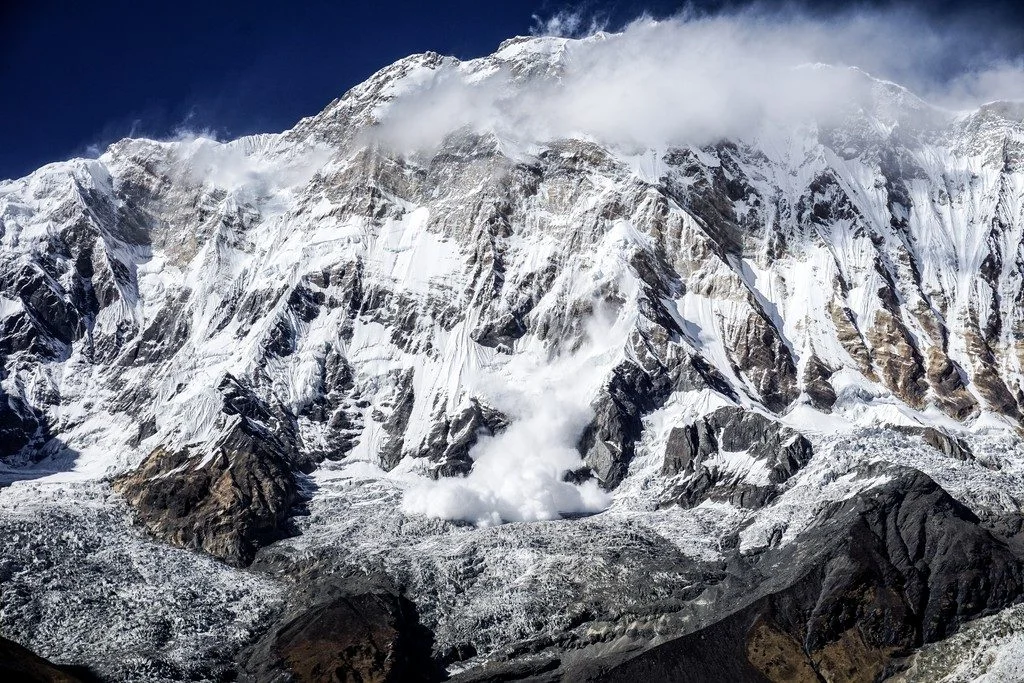
The Annapurna massif is located in an imposing 55 km long collection of peaks in the Himalayas, which behave as a single structural block. Composed of one peak (Annapurna I Main) in excess of 8000 m, a further thirteen peaks over 7000 m and sixteen more of over 6000 m, the massif forms a striking structure within the Himalayas. Annapurna South (pictured in today’s featured image), the 101st talles ...[Read More]
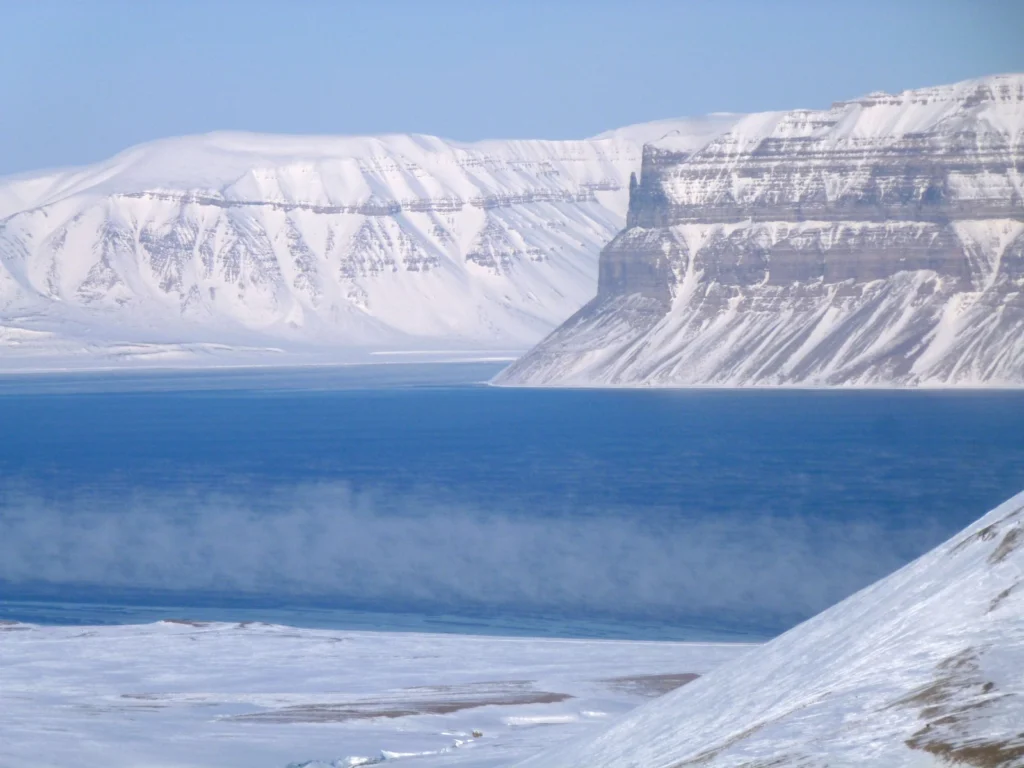
Volcanic ash layers in Svalbard hold clues to the formation of the North Atlantic
This guest post by Dr Morgan Jones (a Researcher in Volcanology at the Centre of Earth Evolution and Dynamics (CEED) at the University of Oslo, Norway) describes the latest findings of his multidisciplinary research into how the North Atlantic formed. His open access study, in collaboration with colleagues at CEED and the Massachusetts Institute of Technology (MIT) is published in the Nature Journ ...[Read More]
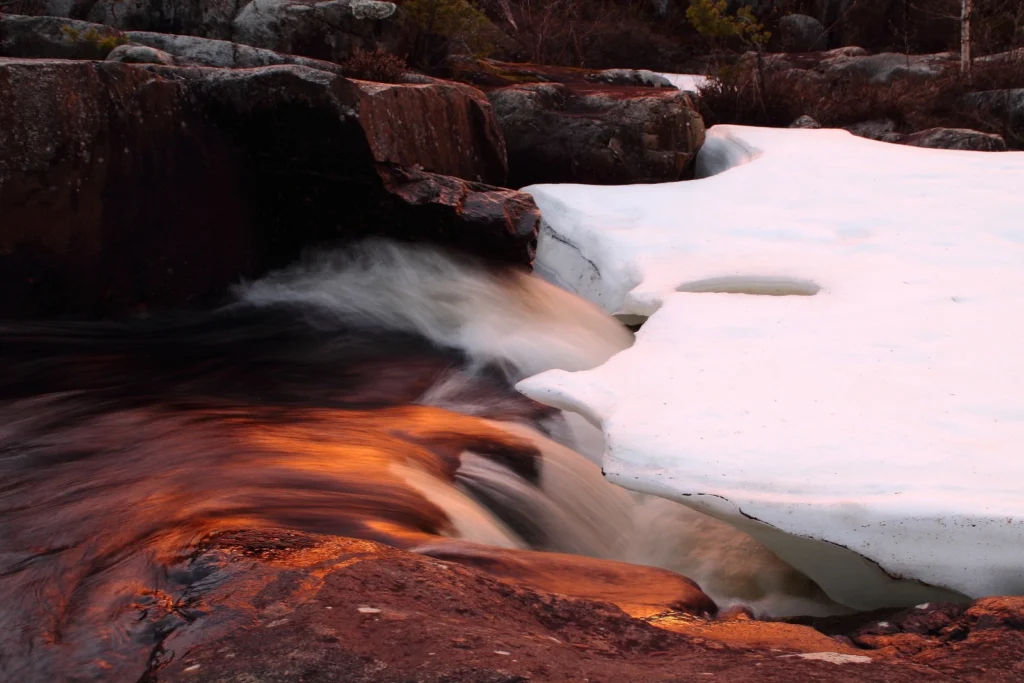
Imaggeo on Mondays: Symbiosis of ice and water
This mesmerising photograph is another of the fabulous finalists (and winner) of the 2017 imaggeo photo contest. Imaggeo is the EGU’s open access image repository. It’s a great place to showcase your photographs; so whether you are stuck in the lab this summer, frantically typing away at a paper, or are lucky enough to be in the field, be sure to submit your photographs for all EGU members to see. ...[Read More]
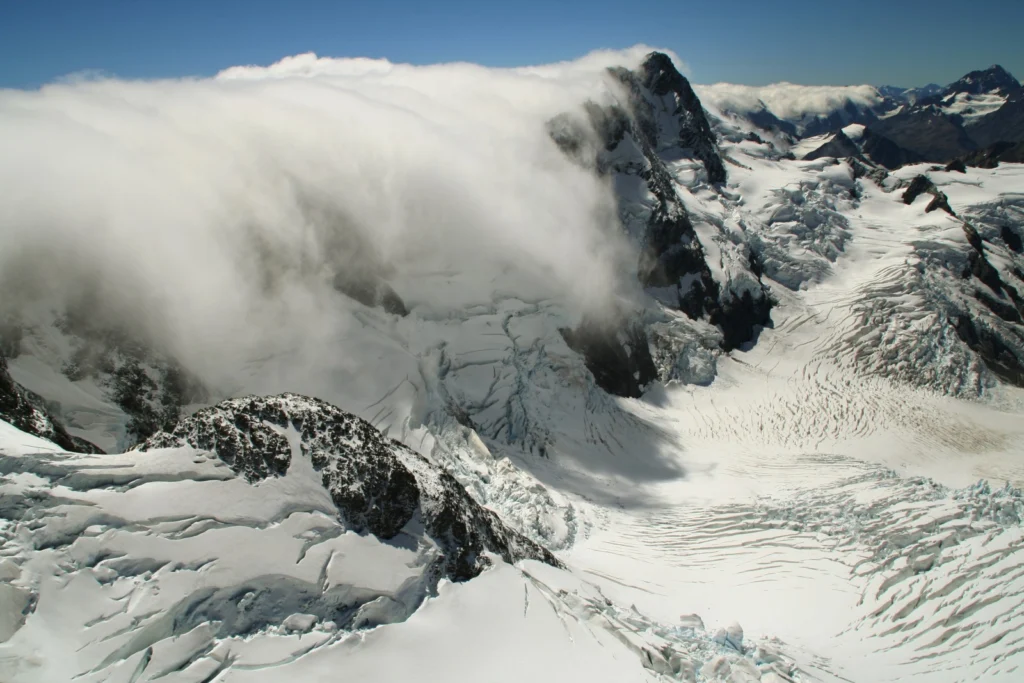
Imaggeo on Mondays: Nor’Wester in the Southern Alps of New Zealand
Stephan Winkler’s 2017 Imaggeo Photo Contest finalist photo showcases an unusual weather phenomenon… The image shows a typical weather situation in the Southern Alps of New Zealand with a moist, westerly airflow pushing over the Main Divide [which separates the water catchments of the more heavily populated eastern side of the island from those on the west coast] to create a typical foehn wind [dr ...[Read More]
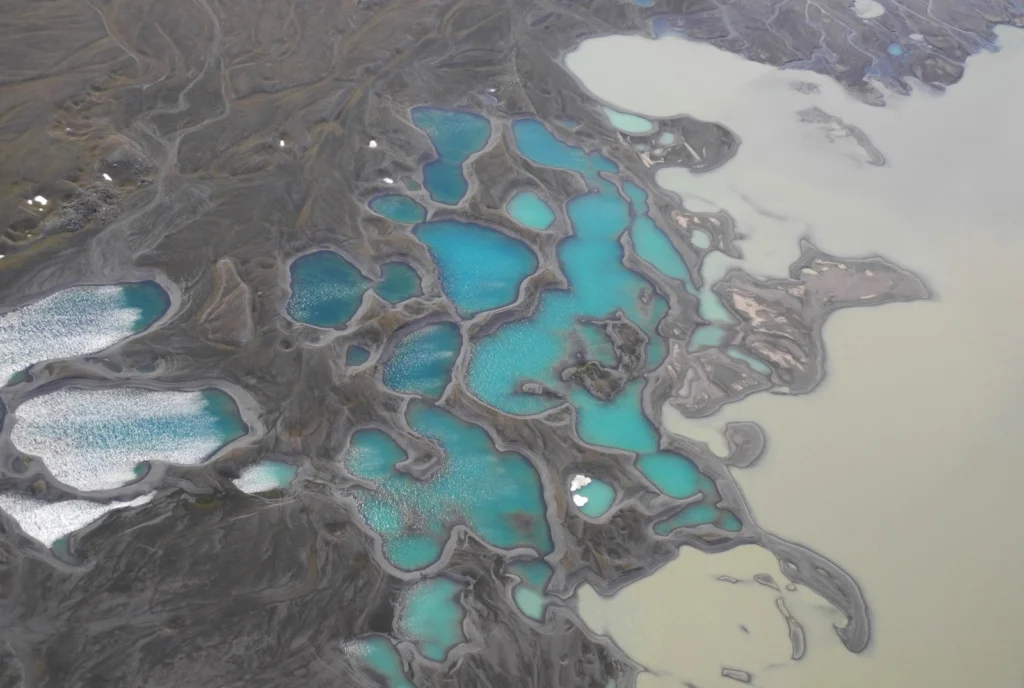
Imaggeo on Mondays: Sediments make the colour
Earth is spectacularly beautiful, especially when seen from a bird’s eye view. This image, of a sweeping pattern made by a river in Iceland is testimony to it. The picture shows river Leirá which drains sediment-loaded glacial water from the Myrdalsjökull glacier in Iceland. Myrdalsjökull glacier covers Katla, one of Iceland’s most active and ice-covered volcanoes. A high sediment load (the suspen ...[Read More]
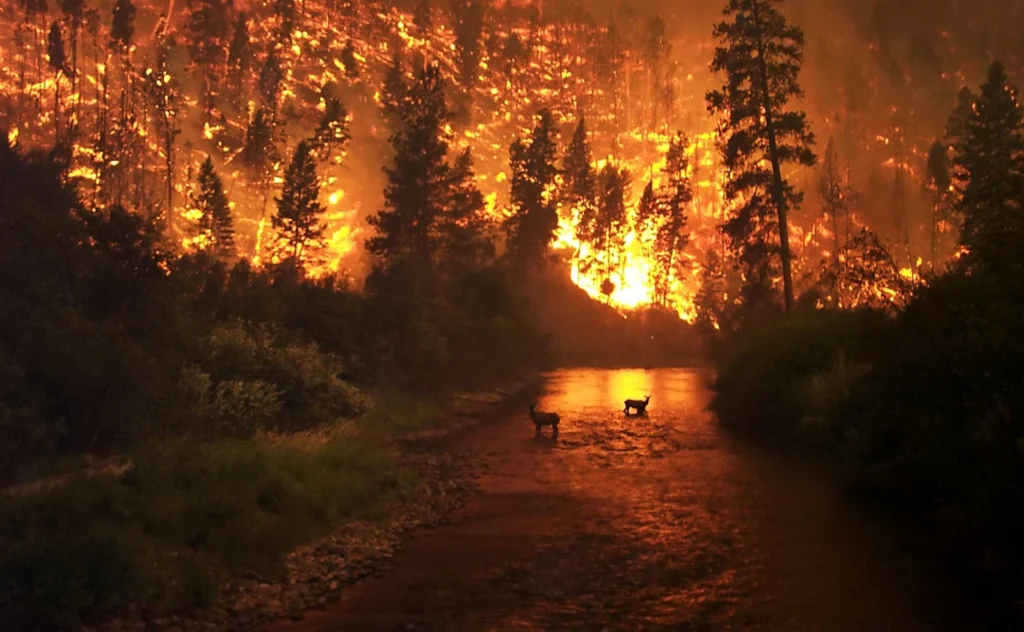
GeoSciences Column: Is smoke on your mind? Using social media to assess smoke exposure from wildfires
Wildfires have been raging across the globe this summer. Six U.S. States, including California and Nevada, are currently battling fierce flames spurred on by high temperatures and dry conditions. Up to 10,000 people have been evacuated in Canada, where wildfires have swept through British Columbia. Closer to home, 700 tourists were rescued by boat from fires in Sicily, while last month, over 60 pe ...[Read More]
Imaggeo on Mondays: Tongue of a small giant
In a world where climate change causes many mountain glaciers to shrink away, bucking the ‘melting’ trend is not easy. In today’s post, Antonello Provenzale, a researcher in Italy, tells us of one glacier in the Alps which is doing just that. Mountain glaciers are retreating worldwide, with the possible exception of the Karakoram area. For most glaciers, ablation (ice melt) durin ...[Read More]
Imaggeo on Mondays: Salt shoreline of the Dead Sea
This beautiful aerial image (you’d be forgiven for thinking that it was a watercolour) of the Dead Sea was captured by a drone flying in 100m altitude over its eastern coastline. Climate change is seeing temperatures rise in the Middle East, and the increased demand for water in the region (for irrigation) mean the areas on the banks of the lake are suffering a major water shortage. As a result, t ...[Read More]
June GeoRoundUp: the best of the Earth sciences from around the web
Drawing inspiration from popular stories on our social media channels, as well as unique and quirky research news, this monthly column aims to bring you the best of the Earth and planetary sciences from around the web. Major Story With June being the month when the world’s oceans are celebrated with World Ocean Day (8th June) and the month when the UN’s Ocean Conference took place, it seemed apt t ...[Read More]
Imaggeo on Mondays: Breath from the underground
The heat seeping from the geothermal area which is part of the Krafla volcanic system in Iceland, ‘powers’ the steaming vent at Hverir (Hverarönd). The area is well known for its mud pots and sulphuric gas fumaroles, complete with pungent eggy smell. Some of the vents are in fact boreholes drilled in the 50’s for sulphur exploration which have been turned into fumaroles, the steam is a resul ...[Read More]