GeoLog

EGU Scientific Divisions

Imaggeo on Mondays: Bird’s eye view of Trebecchi Lakes
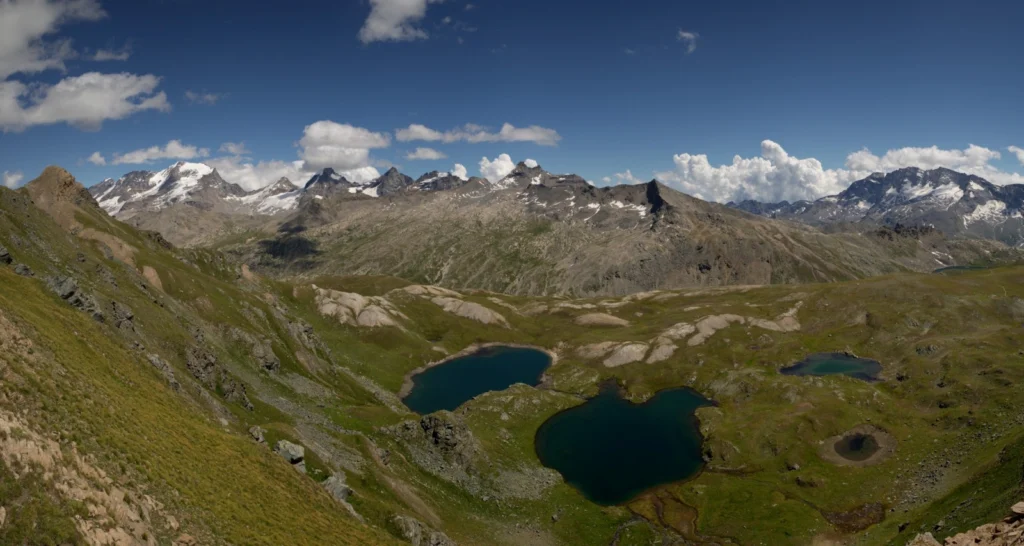
Imaggeo on Mondays: Bird’s eye view of Trebecchi Lakes
Among many other environmental impacts, human activities have introduced a range of animal and plant species to areas where they do not naturally belong. The introduction of alien species, as these translocated taxa are known, has wide ranging implications for native biota, ecosystem functioning, human health and the economy. Research published earlier this year found …[Read More]

GeoSciences Column: The dirty business of shipping goods by sea

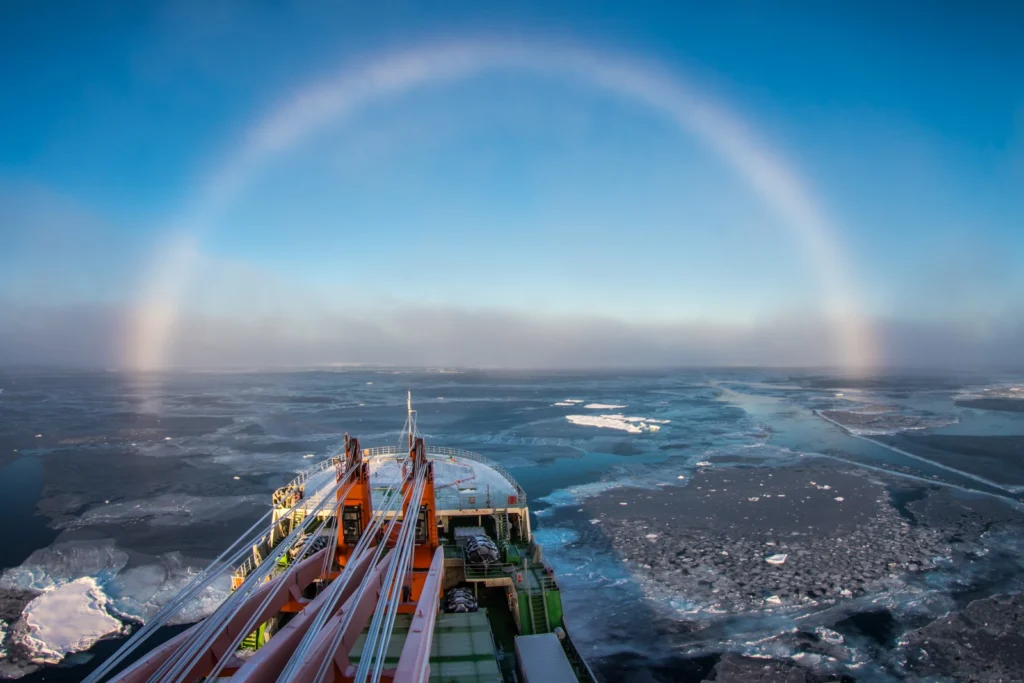
“Above the foggy strip, this white arch was shining, covering one third of the visible sky in the direction of the ship's bow,” he explains. “It was a so-called white, or fog rainbow, which appears on the fog droplets, which are much smaller then rain droplets and cause different optic effects, which is a reason of its white colour.”

Shipping goods across the oceans is cost-effective and super-efficient; that’s why over 80% of world trade is carried by sea (according to the International Maritime Organisation). But the shipping industry also contributes significant amounts of air pollutants to marine and coastal environments. A new study, published in the EGU’s open access journal Earth System Dynamics, …[Read More]

Five top tips to apply for small grants

Five top tips to apply for small grants

Stephanie Zihms, the ECS Representative for the EMRP Division (and incoming Union Level Representative) has applied for a range of small scale grants (<£15,000, ca. 16,965€). At this year’s General Assembly, she was one of two speakers at the ‘How to write a research grant’ short course, where she shared  insights from her successes and …[Read More]

Imaggeo on Mondays: Of ancient winds and sands

Imaggeo on Mondays: Of ancient winds and sands

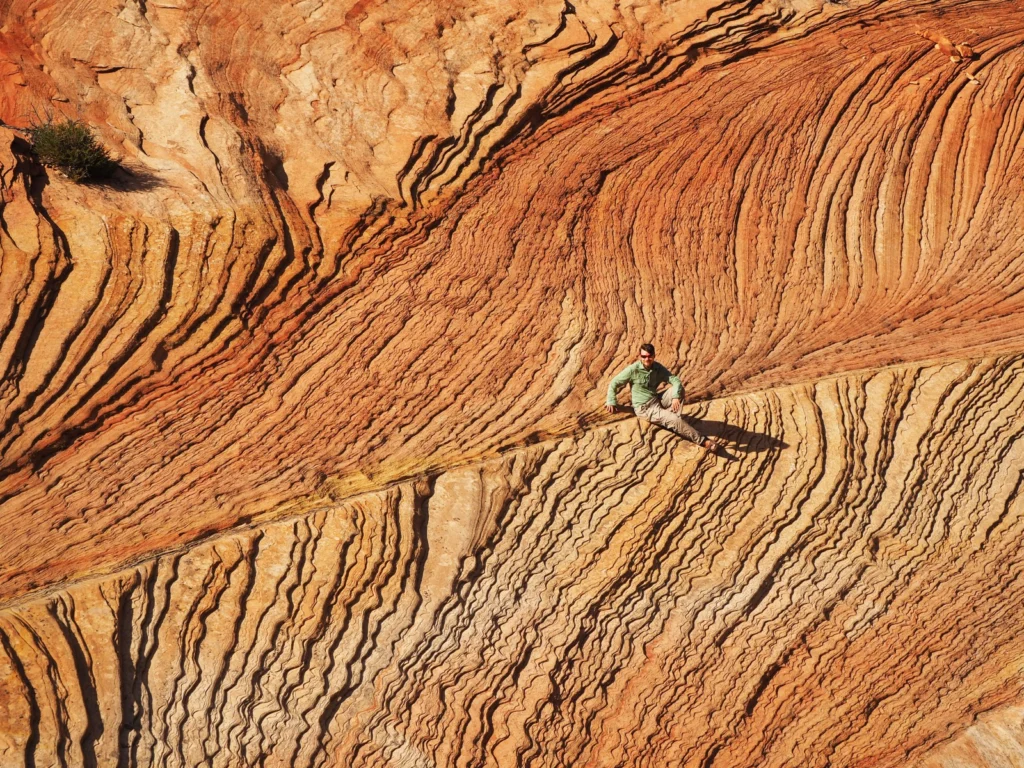
Snippets of our planet’s ancient past are frozen in rocks around the world. By studying the information locked in formations across the globe, geoscientist unpick the history of Earth. Though the layers in today’s featured image may seem abstract to the untrained eye, Elizaveta Kovaleva (a researcher at the University of the Free State in …[Read More]

October GeoRoundUp: the best of the Earth sciences from around the web

Display "Following Carbon Dioxide Through the Atmosphere" from YouTube Click here to display content from YouTube. Learn more in YouTube’s privacy policy (opens in a new tab). Please enable JavaScript in your browser to load this content. Always display content from YouTube Open "Following Carbon Dioxide Through the Atmosphere" directly Carbon dioxide plays a significant …[Read More]

Imaggeo on Mondays: Magnetic interaction

Imaggeo on Mondays: Magnetic interaction

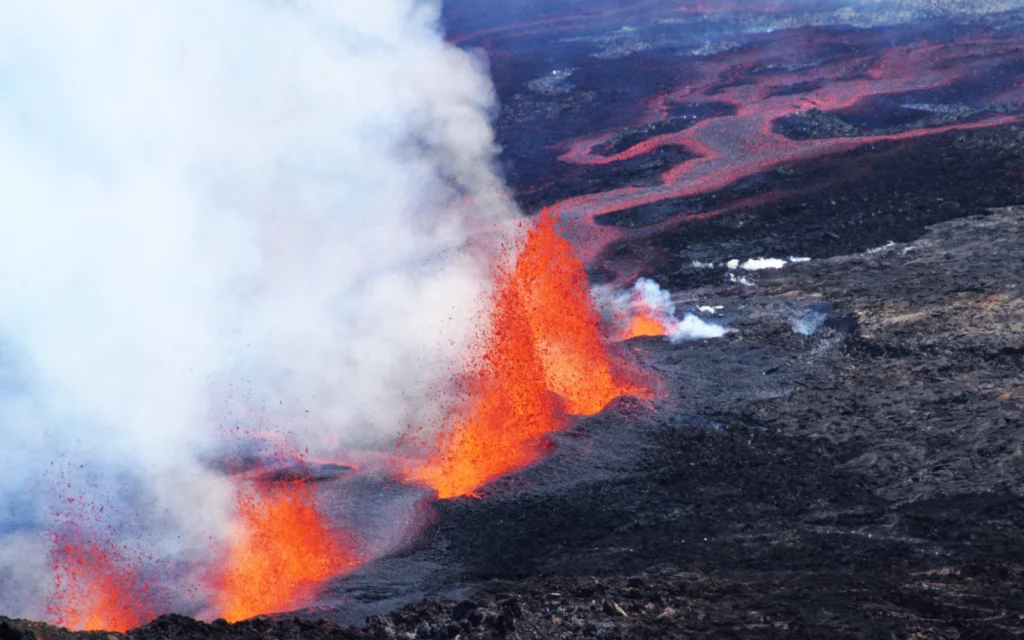
Space weather is a ubiquitous, but little known, natural hazard. Though not as tangible as a volcanic eruption, storm or tsunami wave, space weather has the potenital to cause huge economic losses across the globe. In Europe alone, the interaction of solar wind with our planet’s magnetosphere, ionosphere and thermosphere, could lead to disrutions to …[Read More]

Imaggeo on Mondays: Ice forming on Chesapeake Bay

Imaggeo on Mondays: Ice forming on Chesapeake Bay

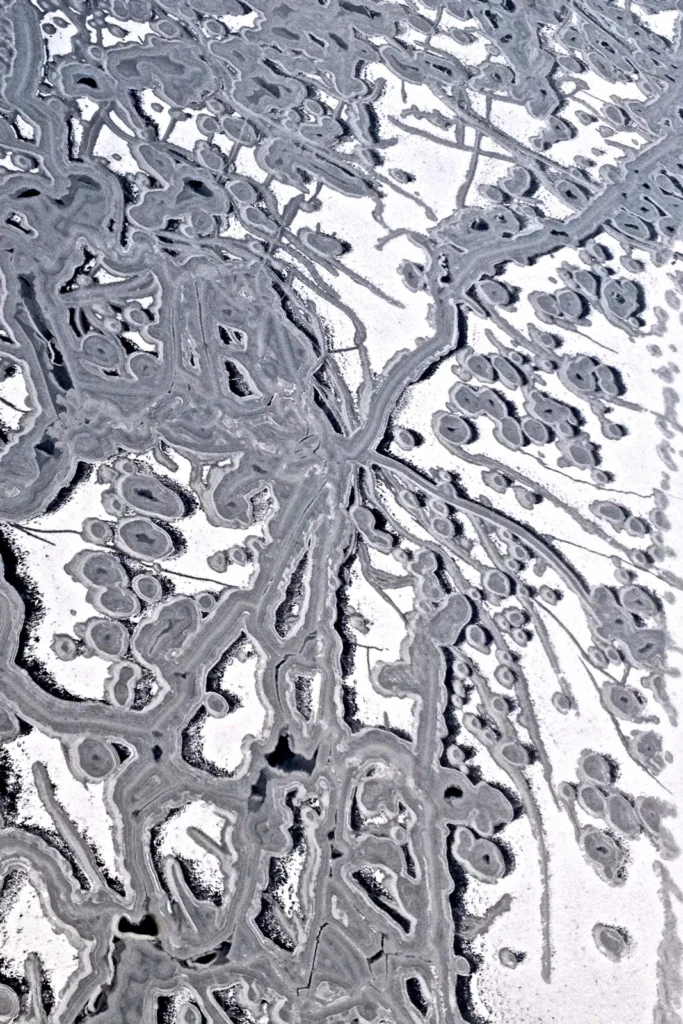
Sandwiched between the U.S states of Mayland, Delaware, Pennsylvania, New York State, the District of Columbia and Virginia, lies Chesapeake Bay, the largest estuary in North America. It is of huge ecological importance: “the bay, its rivers, wetlands and forests provide homes, food and protection for countless animals and plants”, says the Chesapeake Bay Program. …[Read More]

GeoTalk: Hellishly hot period contributed to one of the most catastrophic mass extinctions of Earth’s history

GeoTalk: Hellishly hot period contributed to one of the most catastrophic mass extinctions of Earth’s history

Geotalk is a regular feature highlighting early career researchers and their work. Following the EGU General Assembly, we spoke to Yadong Sun, the winner of a 2017 Arne Richter Award for Outstanding Early Career Scientists, about his work on understanding mass-extinctions. Using a unique combination of sedimentological, palaeontological and geochemical techniques Yadong was able to …[Read More]