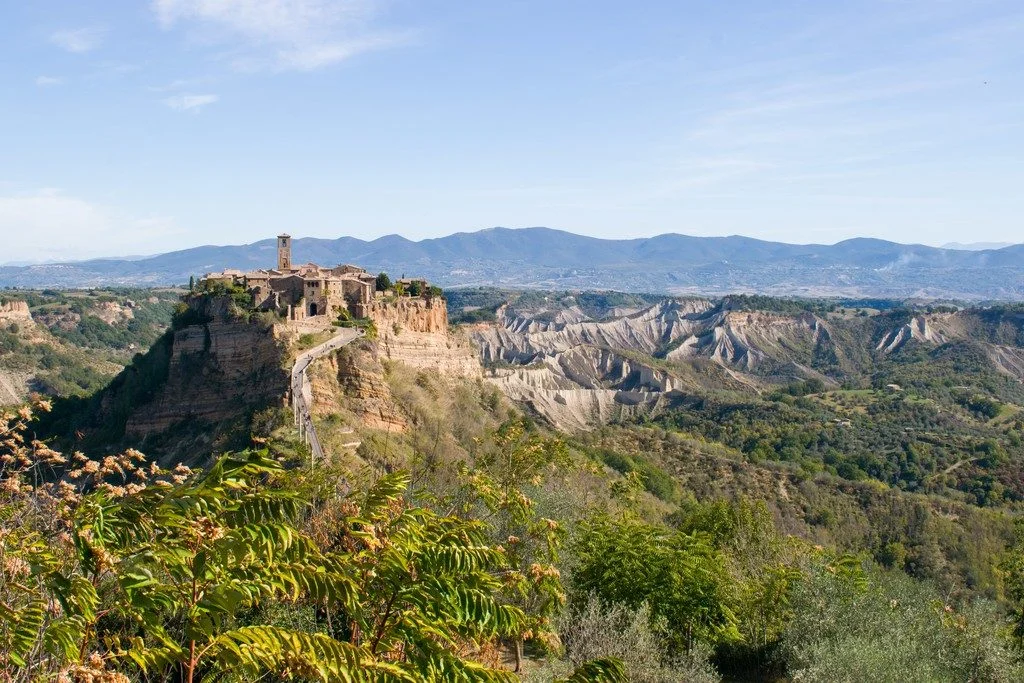
On top of a steep cliff standing out from the surrounding countryside, lies the small town of Civita di Bagnoregio, one of the most famous villages of Italy. It is often called the dying town, although more recently people have started to refer to it as fighting to live. What this little town is fighting against is the threat of erosion, as its walls are slowly crumbling down. Located in central I ...[Read More]
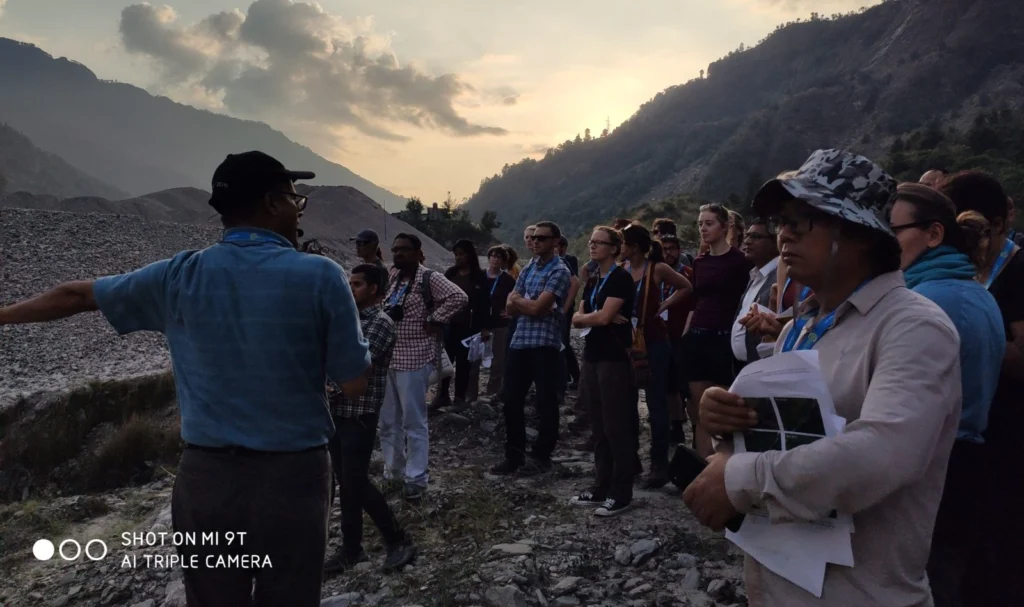
How extreme events impact Earth’s surface: reports from the 6th EGU Galileo conference
Throughout the year, EGU hosts a number of meetings, workshops, and conferences for the geoscience community. While the EGU’s annual General Assembly brings more than 15,000 scientists together under one roof, the EGU Galileo Conferences allows a smaller number of scientists to discuss and debate issues at the forefront of their discipline. In this blog post, the organisers of the 6th Galileo Conf ...[Read More]
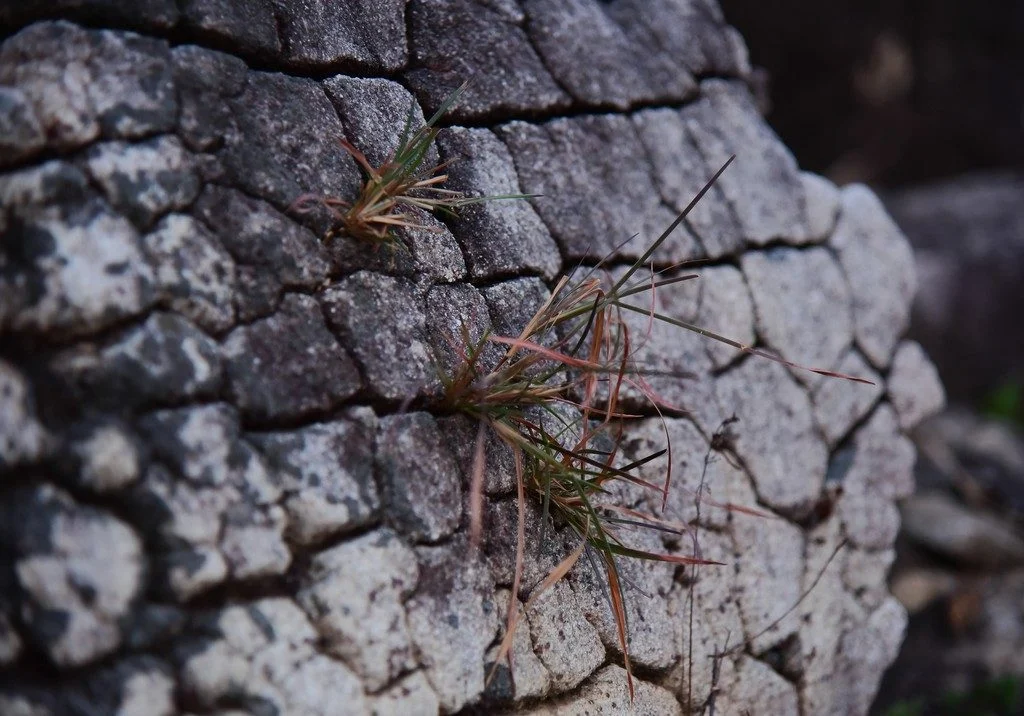
Imaggeo on Mondays: Rocks weather, soil takes form
This image depicts the soil formation, that is weathering of rock. Soil is actually formed by weathering of rock by physical, chemical and biological methods. This image depicts physical and biological weathering. Physical weathering by the action of temperature and biological weathering by the growth of some species of grass through the cracks. Image clicked from Trivandrum district of Kerala, In ...[Read More]
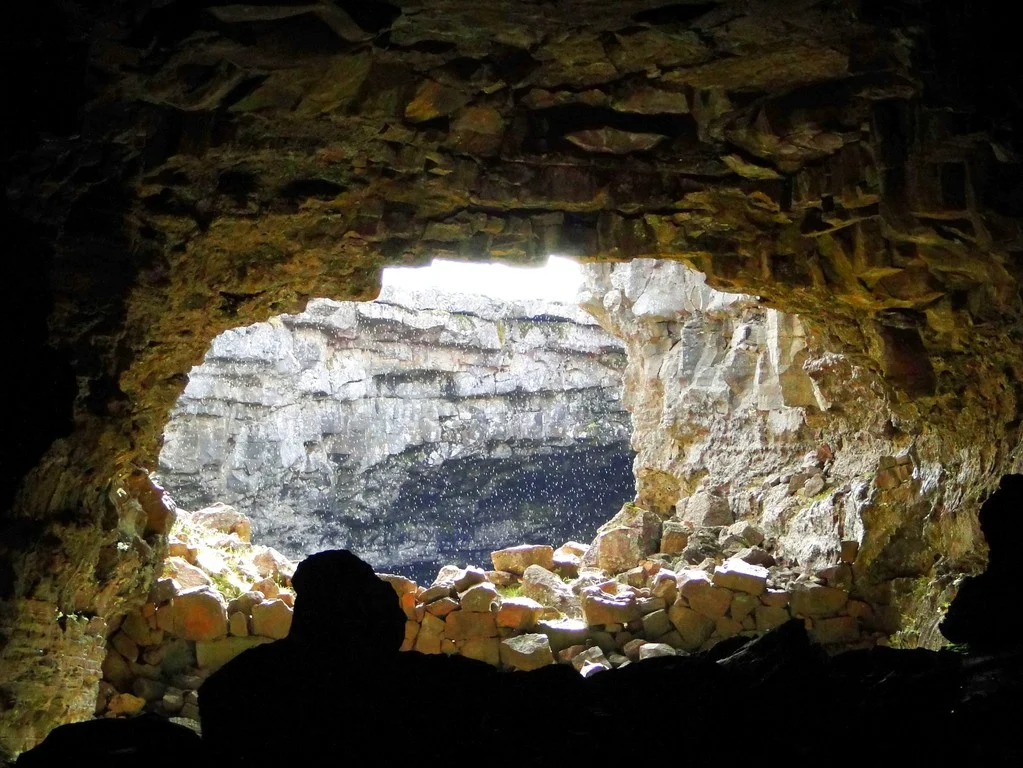
Imaggeo on Mondays: Subsurface meteorolgy in Iceland
With a total length of about 2 km, the Surdsellir lava cave is part of the Hallmundarhraun lava field in western Iceland. The caves ceiling is partly broken in, forming entrances and windows towards the earths surface. On this day of typically Icelandic weather, meteorological conditions changed quickly between sun, clouds, rain and wind. While walking through the cave during a rain shower, the su ...[Read More]
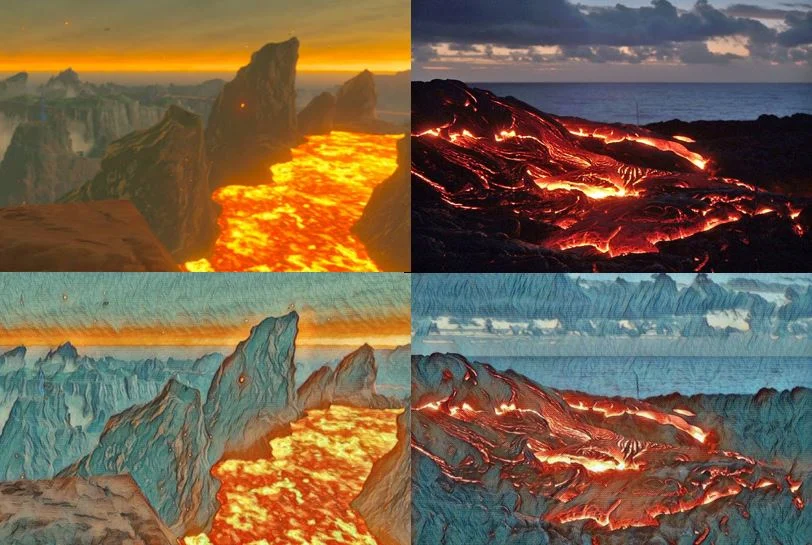
Geosciences Column: Taking a Breath of the Wild – are geoscientists more effective than non-geoscientists in determining whether video game world landscapes are realistic?
For years, geoscientists have been both fascinated and perplexed by the beautiful (yet often inaccurate) landscapes present in several video games. But are people with a geoscientific education better at telling ‘fake’ natural features from real ones? Rolf Hut, an assistant professor at Delft University of Technology in the Netherlands, and his colleagues sought to answer this question in a new st ...[Read More]
Imaggeo on Mondays: The glacier surviving climate change
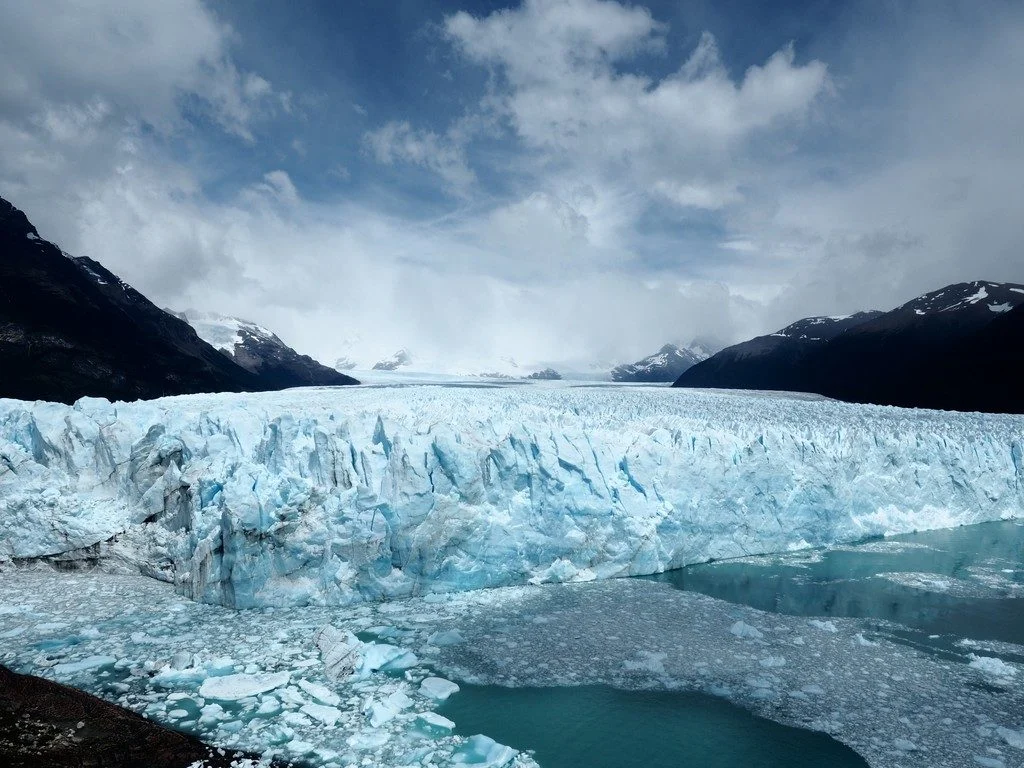
Human impacts on the climate are nowadays clearly discernible, and the changes to our climate that previously happened in geologic time scales are currently happening during the span of a human lifetime. Our planet is warming and temperature today is now more than 1°C higher than it was in the pre-industrial world and rises by about 0.15-0.2°C on average each decade. The dramatic effects of this r ...[Read More]
Educators: apply now to take part in the 2020 GIFT workshop!
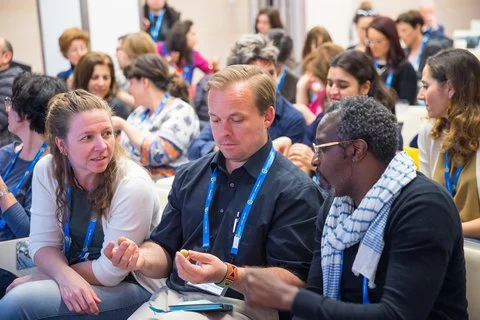
The General Assembly is not only for researchers but also for teachers and educators with an interest in the geosciences. Every year the Geosciences Information For Teachers (GIFT) workshop is organised by the EGU Committee on Education to bring first class science closer to primary and high school teachers. The topic of the 2020 edition of GIFT is ‘Water in the solar system’. This year’s workshop ...[Read More]
Imaggeo on Mondays: A walk at the glacier
In 2012 I had the opportunity to help lead a teaching excursion to the Norwegian archipelago Svalbard. On this trip, geography students from the Ruhr-University of Bochum in Germany had the chance to learn more about the nature of this fascinating island. In addition to Svalbard’s climatology and the wildlife, the region’s glaciology and geomorphology were the main topics we focused on. For exampl ...[Read More]
Conversations on a century of geoscience in Europe: Part 2
When you think about the last century of geoscience, what comes to mind? Perhaps Alfred Wegener’s theory of continental drift? Or Inge Lehmann’s discovery of Earth’s solid inner core? Over the last 100 years, geoscientists have made incredible contributions to our understanding of the Earth, the solar system, and beyond. The science community has explored uncharted territory, challenged previously ...[Read More]
Imaggeo on Mondays: An expedition to better understand Antarctic soils
A dramatic evening sky puts the frame to a photo taken during the Brazilian Antarctic expedition to James Ross Island in 2016. Brazilian palaeontologists and soil scientists together with German soil scientists spent over 40 days on the island to search for fossils and sample soils at various locations of the northern part of the island. The island was named after Sir James Clark Ross who led the ...[Read More]