2019 was a brilliant year for our blogging network here at EGU. Across the EGU’s official blog, GeoLog, as well as the network and division blogs there were so many interesting, educational and just downright entertaining posts this year it was hard to get the blog editors to choose their favourites! Nevertheless in December, to celebrate the excellent display of science writing across the network ...[Read More]
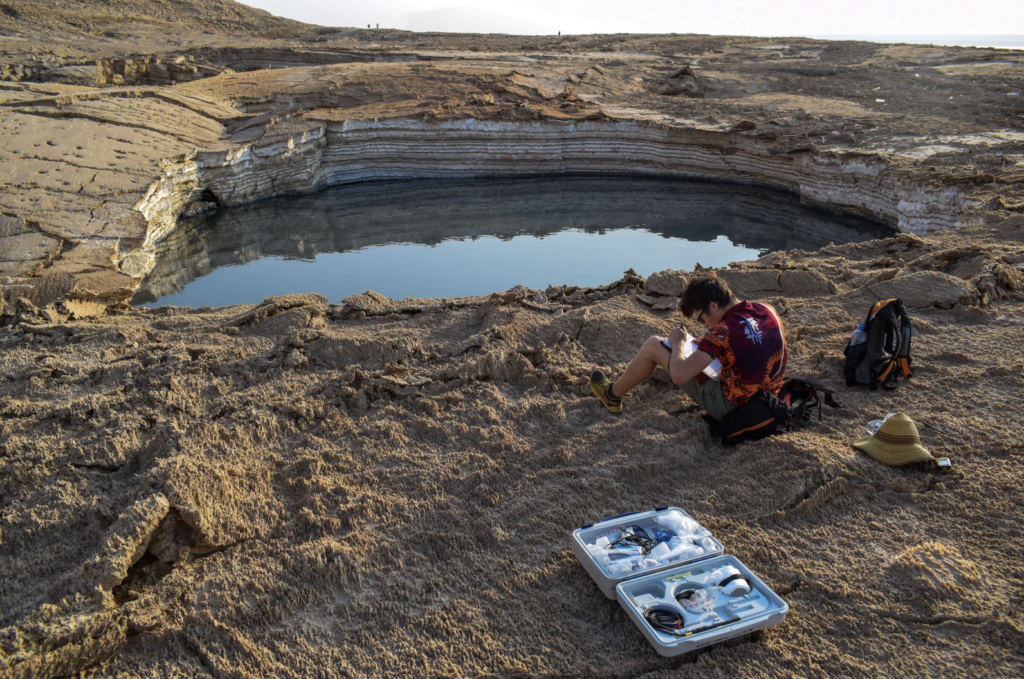
Imaggeo on Mondays: Sampling sulfurous sinkhole water
Sampling of water present in sinkhole formed in superficial salt-rich lacustrine deposits at Ghor Al-Haditha, Dead Sea eastern shore, Jordan, during a field campaign in October 2018. The water in this sinkhole flows into the Dead Sea in a surface stream channel formed in 2012. The water was highly acidic and extremely conductive, with a strong sulfurous odour. Understanding the chemistry of the wa ...[Read More]
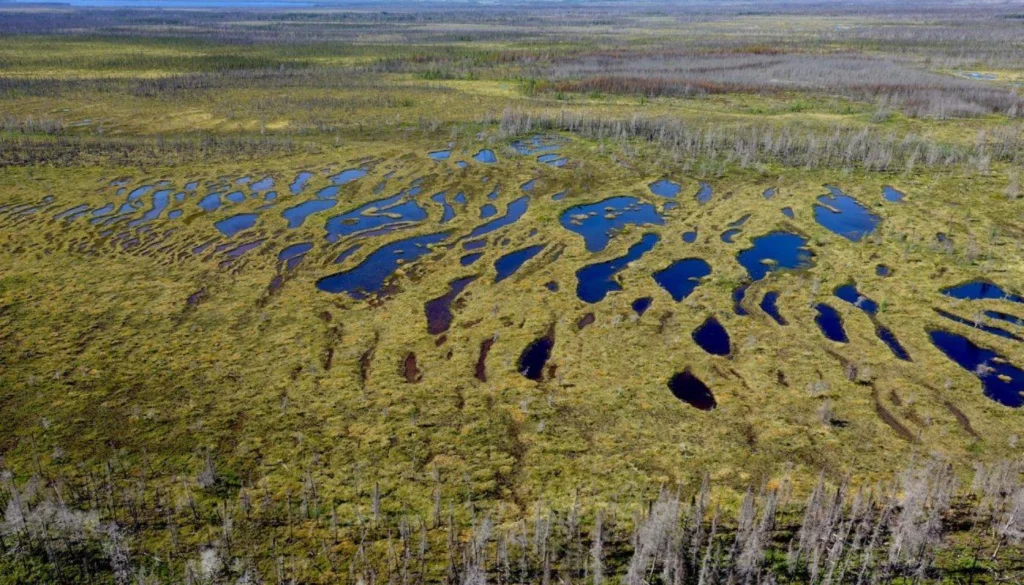
The Carbon Potential of Peat
2020 is being described by many as a tipping point: the year that humanity as a species must take concrete and measurable action to prevent catastrophic climate change. But even if we do manage to slow carbon emissions from 2020 onwards, how would the planet deal with all the carbon dioxide we have produced so far? How much capacity do the planet’s natural carbon sequestration reserves actually ha ...[Read More]
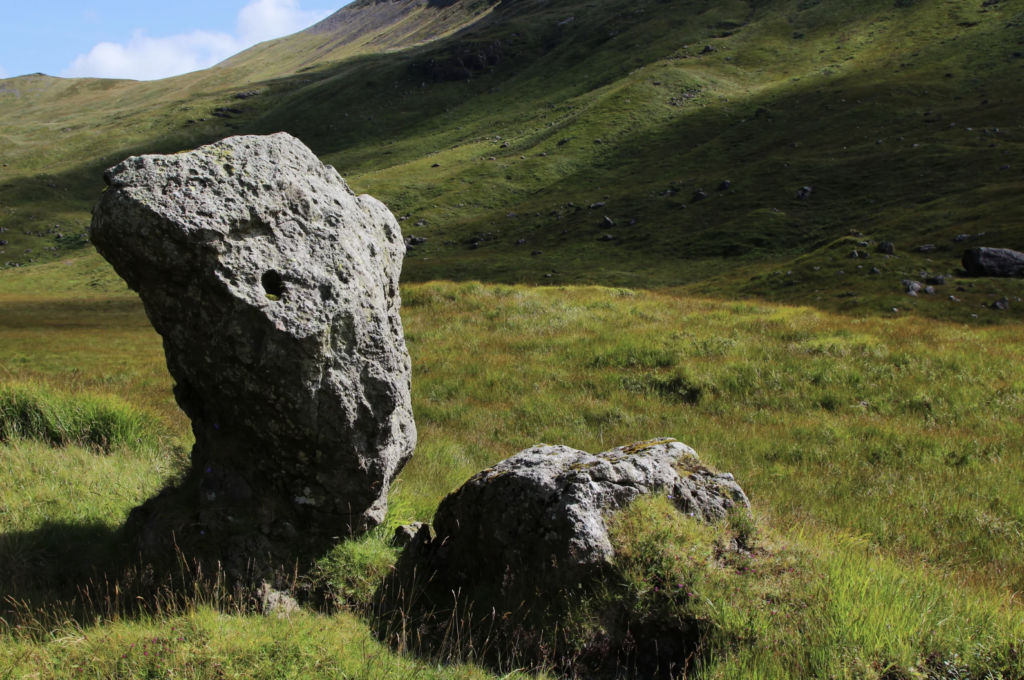
Imaggeo on Mondays: When boulders hitch a ride from glaciers
Glen More, on the Isle of Mull, Scotland, is a classic locality for studying glacial landforms and sediments. Here, two prominent ice-transported boulders stand guard at the head of the valley, left behind after the Loch Lomond Readvance (Younger Dryas stade), the final pulse of Quaternary glaciation in Scotland. Behind them in the characteristic U-shaped valley, hummocky morraines are littered wi ...[Read More]
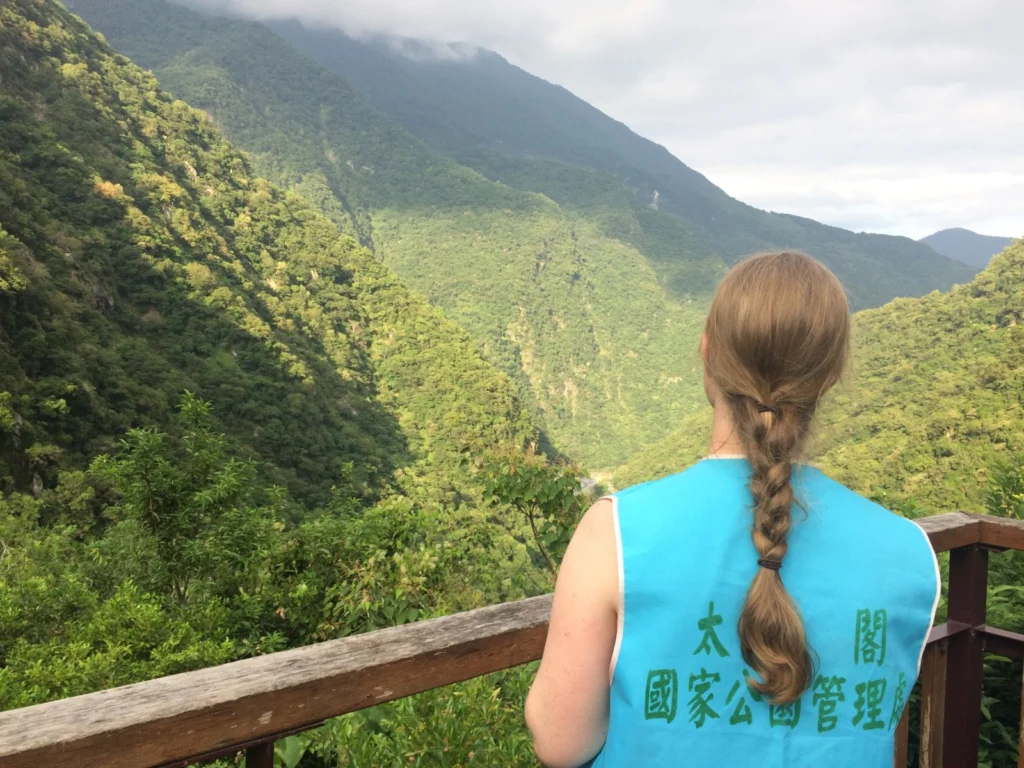
Taking the pulse of an extreme landscape
Welcome to Taroko National Park. Would you like to borrow a safety helmet? In this precipitously steep landscape, covering one’s head is strongly encouraged. Rockfalls and landslides, triggered by frequent seismic activity and torrential rainfall, are mainstays in Taiwan’s preeminent national park. Evidence of this mass-wasting is everywhere: roadways are littered with fallen rocks, boulders choke ...[Read More]
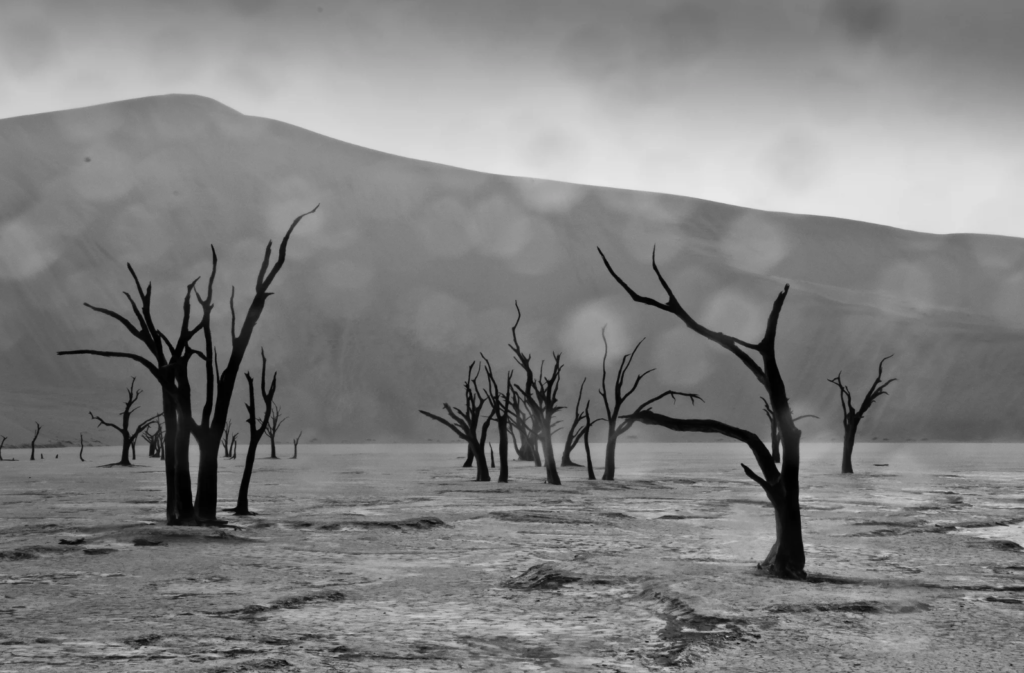
Imaggeo on Mondays: Rain on the Namib Desert
Pictured here is the arid Namib Desert on a not-so-arid day. The desert is known for its extremely dry conditions and abundance of sunshine, but this photo, taken by Christoph Schmidt, chair of geomorphology at the University of Bayreuth in Germany, gives us a rare glimpse of a rainy day. The Namib Desert spans about 81,000 square kilometres in southwest Africa, stretching throughout the entire co ...[Read More]
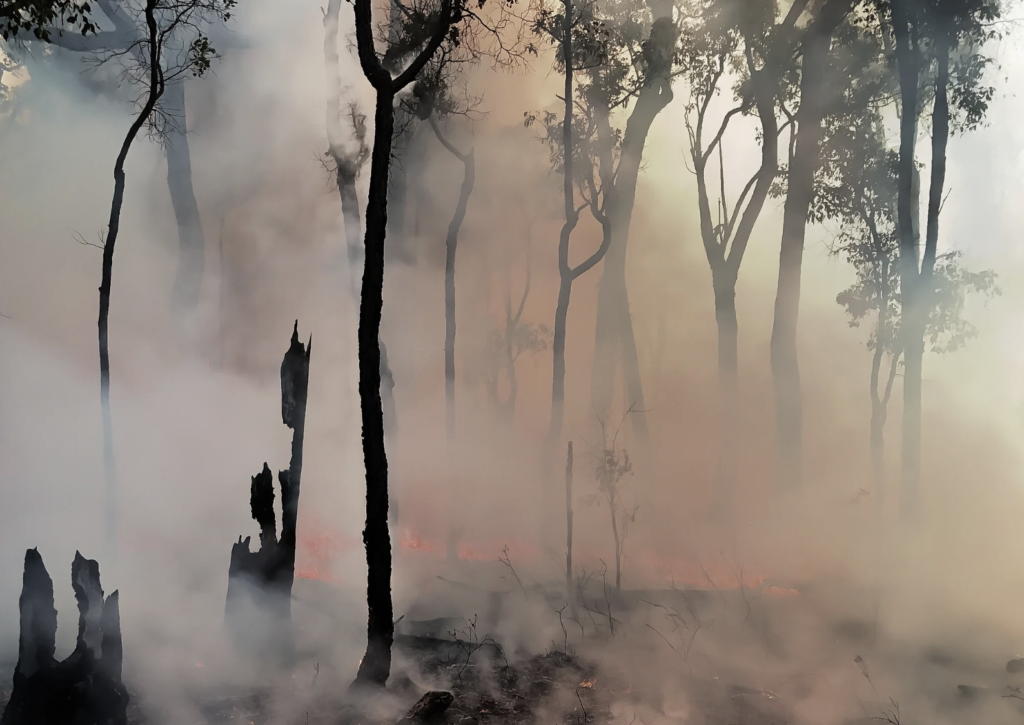
Imaggeo on Mondays: Setting trees aflame to understand the carbon balance of fires
Smoke clears after an experimental wildfire in Australian eucalyptus forest carried out for carbon balance estimations of wildfires. We meticulously measured the carbon in all leaves, twigs, logs and bark in a forest block about 35km east of Manjimup and then they set it on fire with help from the Dept. of Parks and Wildlife, [Western Australia]. We the counted the carbon all over again including ...[Read More]
Imaggeo on Mondays: Mount Bromo – volcanic deity
Featured in this photo, rising out from a sea of violet fog at dawn, is one of Indonesia’s most iconic volcanoes, Mount Bromo. The mountain is a large volcanic crater, also known as a caldera, which formed when an ancient cone volcano collapsed in the late Pleistocene and early Holocene epochs, between 126,000 and 8,300 years ago. The current structure stands at 2,392 metres in the eastern region ...[Read More]
GeoPolicy: Communicate Geoscience? Let’s do it!
This month’s GeoPolicy Column was written by Alexander Roesner, a researcher at MARUM (the Center for Marine Environmental Sciences) and the winner of the EGU’s 2019 ECS Policy Competition, which provides the winner with funding to attend the EGU’s science-policy event, Shaping EU Missions in Brussels. Roesner outlines his motivation for applying for the competition and reflects on his experience. ...[Read More]
Imaggeo on Mondays: Great sand dunes and beyond
Driving eastwards through the San Luis Valley in south central Colorado, United States, the Great Sand Dunes emerge at the foot of the Sangre de Cristo Range in the northeast of the region’s upland plain. The origin story of these great dunes begins during a time of glacial melt, five to three million years ago, when the rivers of the surrounding mountains filled the basin with water and sediments ...[Read More]