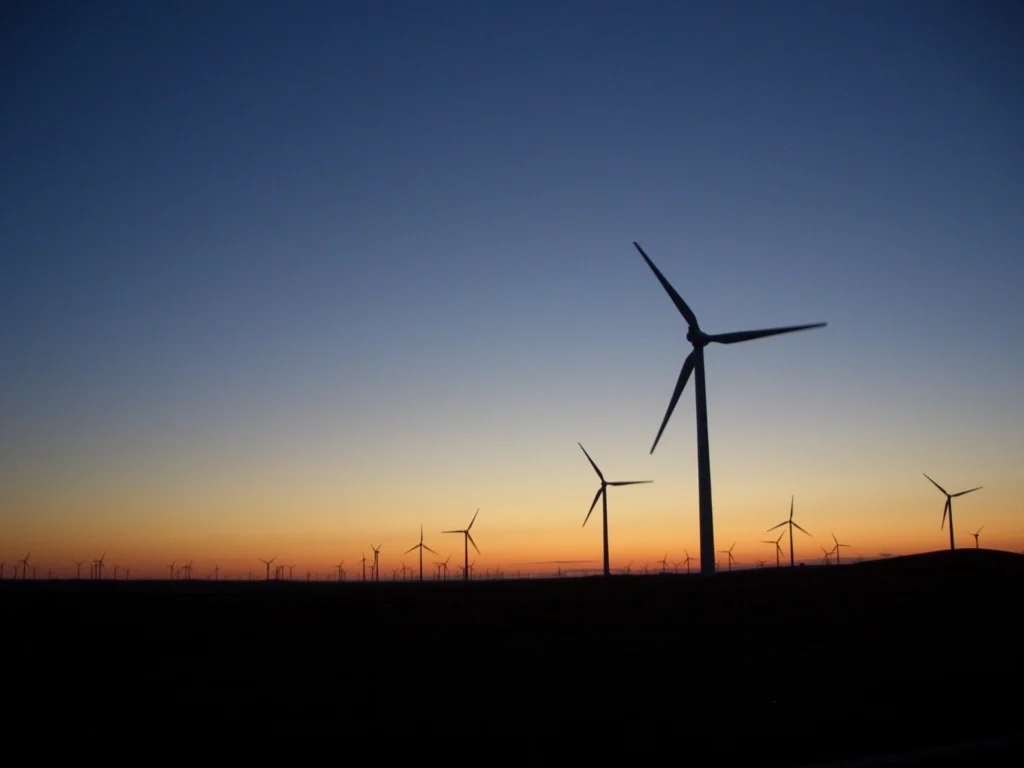
When we were following the route of the Silk Road and heading to the Xinjiang province of China, this was what we saw. The large scale wind power plant brought some hope to this very old road. Hope that with all other renewable energies, it can become an answer to our sustainable future. Description …[Read More]
EGU Scientific Divisions
Imaggeo On Monday: The tree that gave birth to a forest
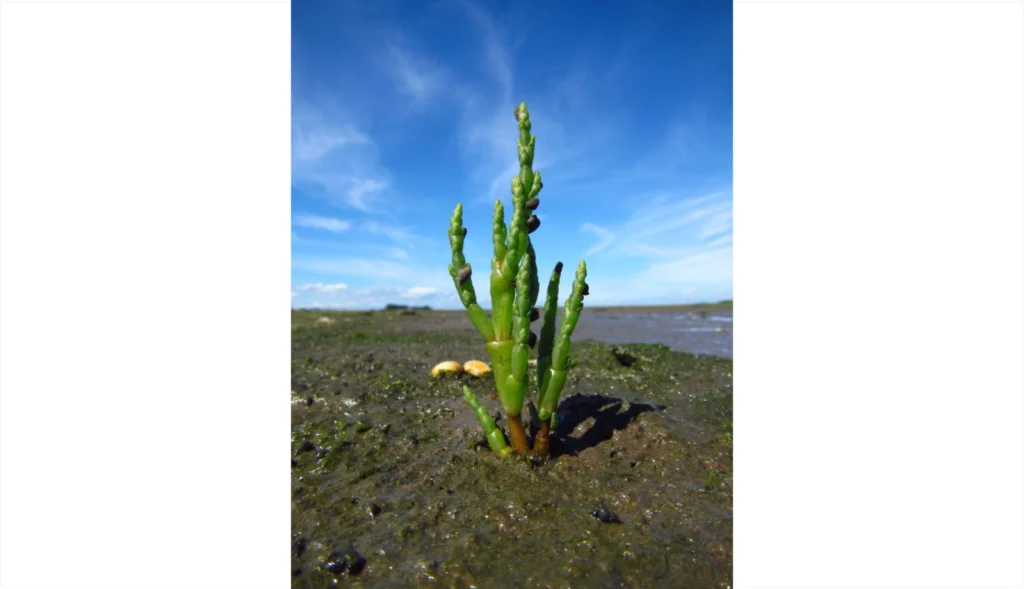
This 10 centimetre giant is a pioneer of marine conquest. All summer, glassworts (Salicornia europaea) will be rhythmically swept by the tide, gradually trapping seaborne sediment on the shores of Aberlady Bay in Scotland. The resulting elevation of the mudflat marks the start of a race of growth against waves, currents and sea level rise, …[Read More]
Imaggeo On Monday: C/2020 F3 (NEOWISE) – a memorable moment
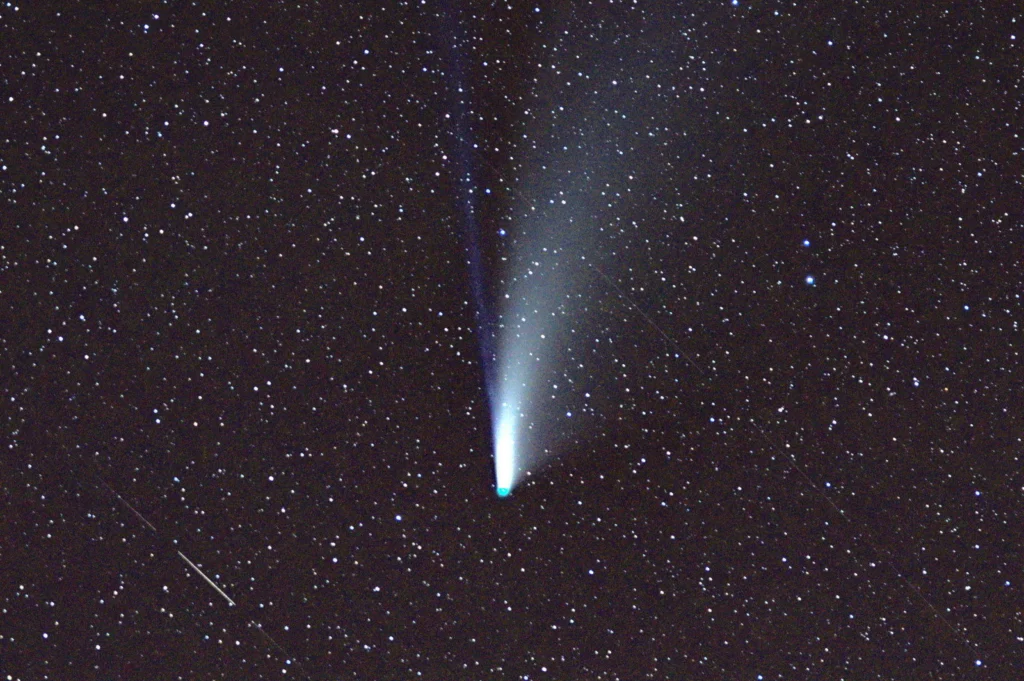
Around 17th July 2020, the core of the Neowise comet starting giving off a greenish-glow. At first I thought this strange colour was due to some glitch in my camera sensor (I used an entry-level DSLR), but other photos online also started reporting this greenish glow. It has since been speculated to be because of …[Read More]
GeoPolicy: What can we expect from COP26?
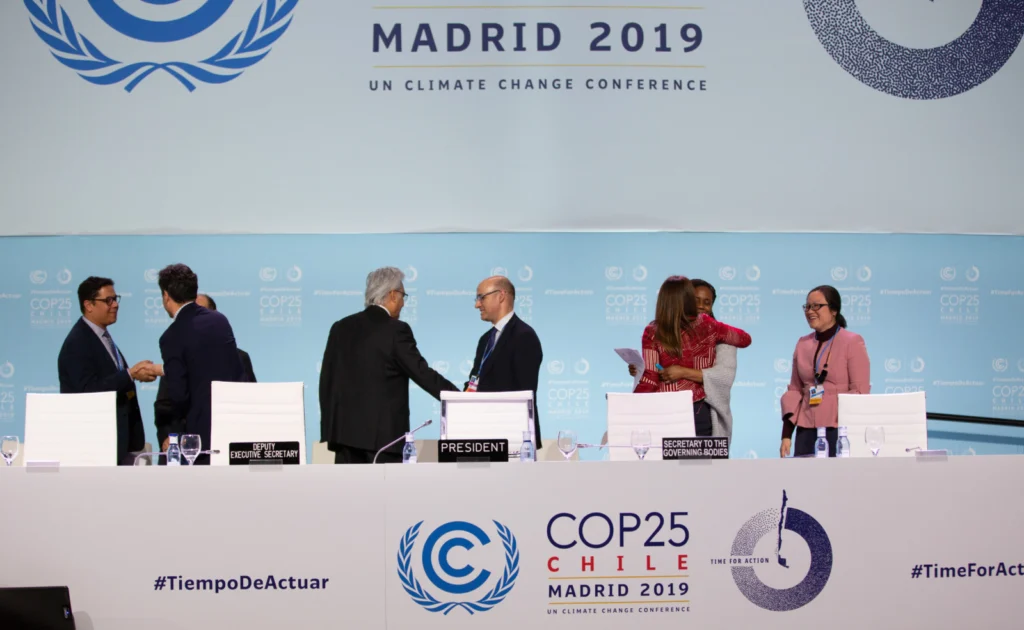
The 26th session of the Conference of the Parties (COP26) to the United Nations Framework Convention on Climate Change (UNFCCC) will take place from 31 October to 12 November 2021, in Glasgow, Scotland. With the exception of 2020, COPs are held annually and provide a space for world leaders to negotiate climate policies, targets, and …[Read More]
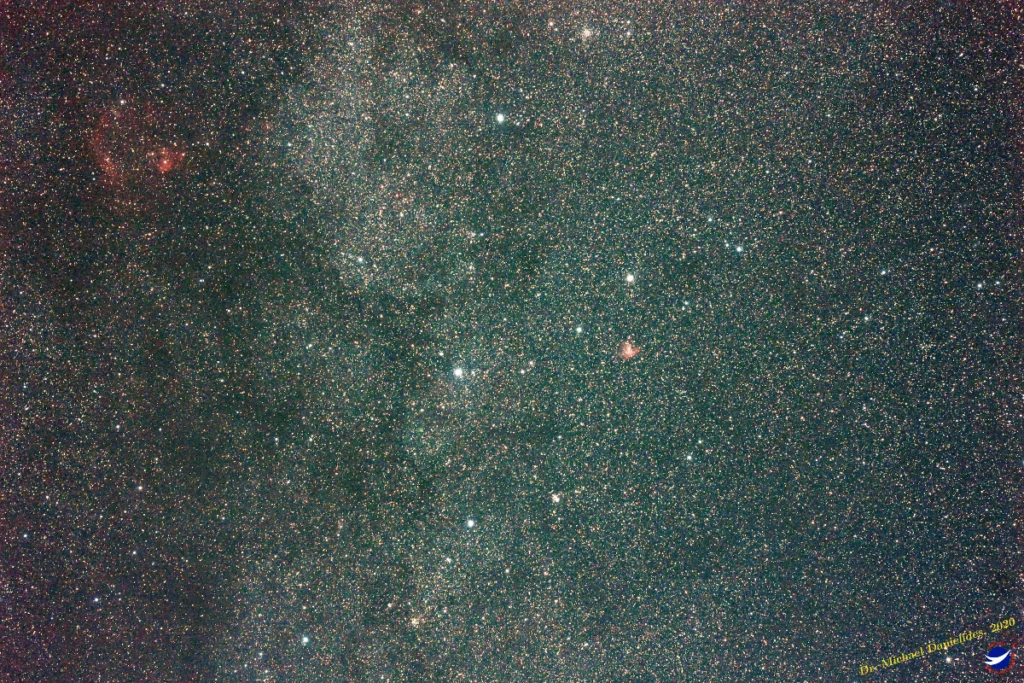
Imaggeo On Monday: Cassiopeia with Milky Way
Cassiopeia with Milky Way in the background on September 9th, 2020. The image was taken in north-eastern state of Germany (Mecklenburg – Lower Pomerania) near the Town of Jarmen. The region has little light pollution and the evening had a clear sky (sky quality measure was 21.15). The image was taken at about 22:00 hrs …[Read More]
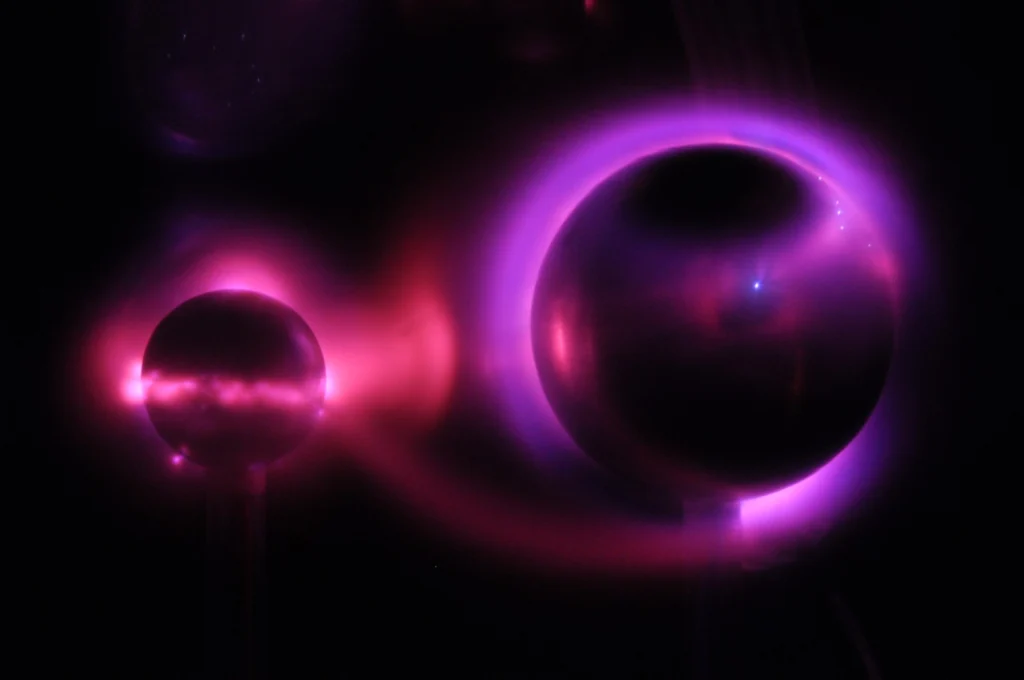
Imaggeo on Mondays: Magnetic interaction
Space weather is a ubiquitous, but little known, natural hazard. Though not as tangible as a volcanic eruption, storm or tsunami wave, space weather has the potenital to cause huge economic losses across the globe. In Europe alone, the interaction of solar wind with our planet’s magnetosphere, ionosphere and thermosphere, could lead to disrutions to …[Read More]
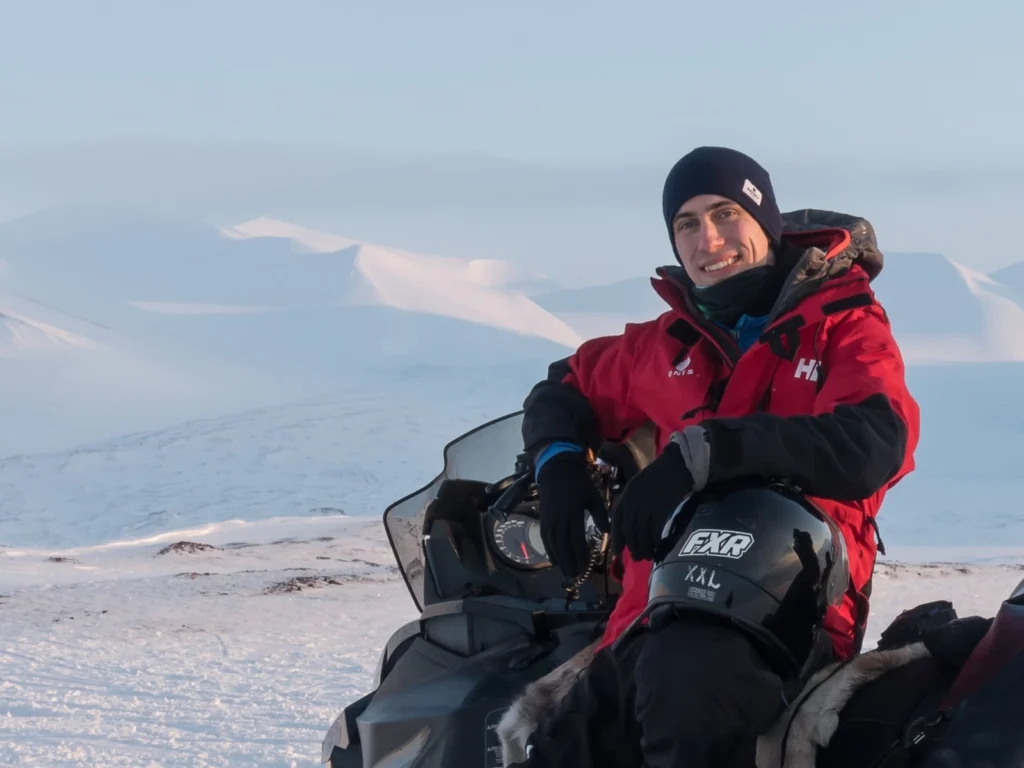
GeoTalk: Meet Joshua Dreyer, planetary scientist and the Planetary and Solar System Sciences Division’s Early Career Scientist Representative!
Hello Josh, thankyou for talking with us! Before we take off, could you tell us a little about yourself and your research? Hi Simon, thanks for inviting me! I’m a PhD student at the Swedish Institute of Space Physics (IRF) and Uppsala University, just started my third year. My research is focused on Saturn’s ionosphere …[Read More]
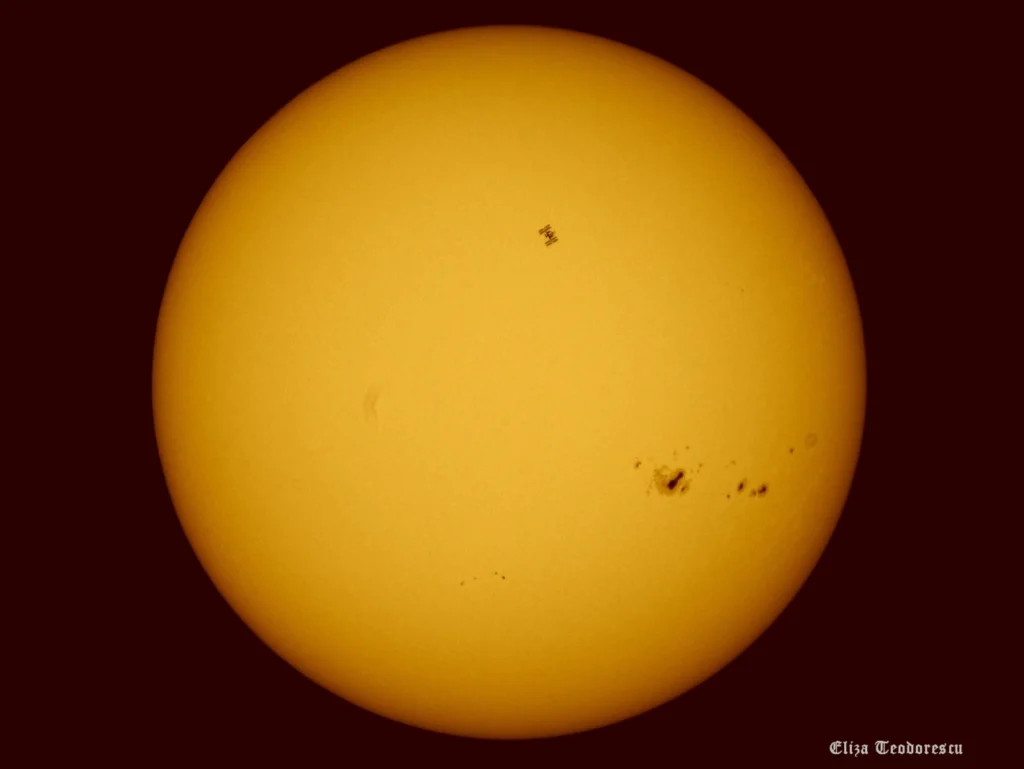
Imaggeo On Monday: International Space Station transiting the Sun
The International Space Station, a human-made, life-supporting habitat, and a most complex and unique scientific laboratory, orbits the Earth in only 90 minutes – that is 16 times a day! Even so, only occasionally, we earthlings have the privilege of seeing it’s dark outline against the much brighter surfaces of the Sun or Moon. Timing …[Read More]
Imaggeo On Monday: After a long day in the field
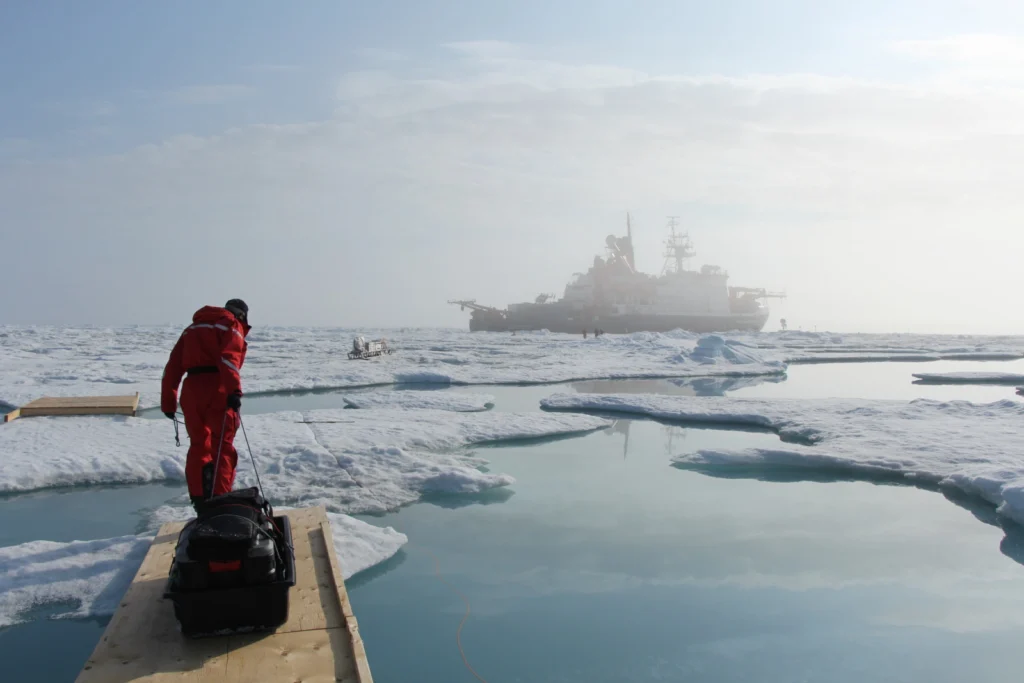
Working on the sea ice can be quite exhausting. Scientists face cold temperatures and wind, constantly scanning for polar bears, while trying to squeeze valuable data out of frozen instruments. At the end of the day you might have not found what you wanted, but every single bit of information brought back truly helps in …[Read More]
Imaggeo On Monday: the vanished glacier
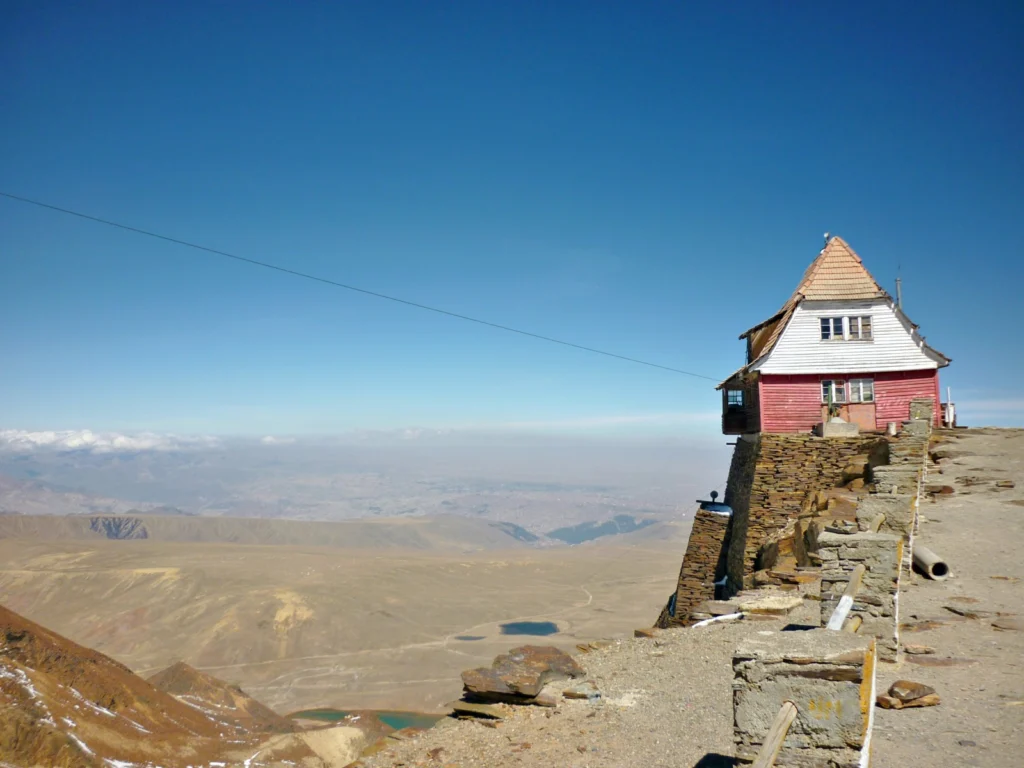
Chacaltaya ski hut, Bolivian Andes, 5400 m above sea level. The world’s former highest ski resort where the Chacaltaya glacier once stood, situated in the Cordillera Real, close to La Paz. Chacaltaya vanished in 2009, six years earlier than scientists had predicted. The disappearance of the glacier is a sign of what to come for …[Read More]