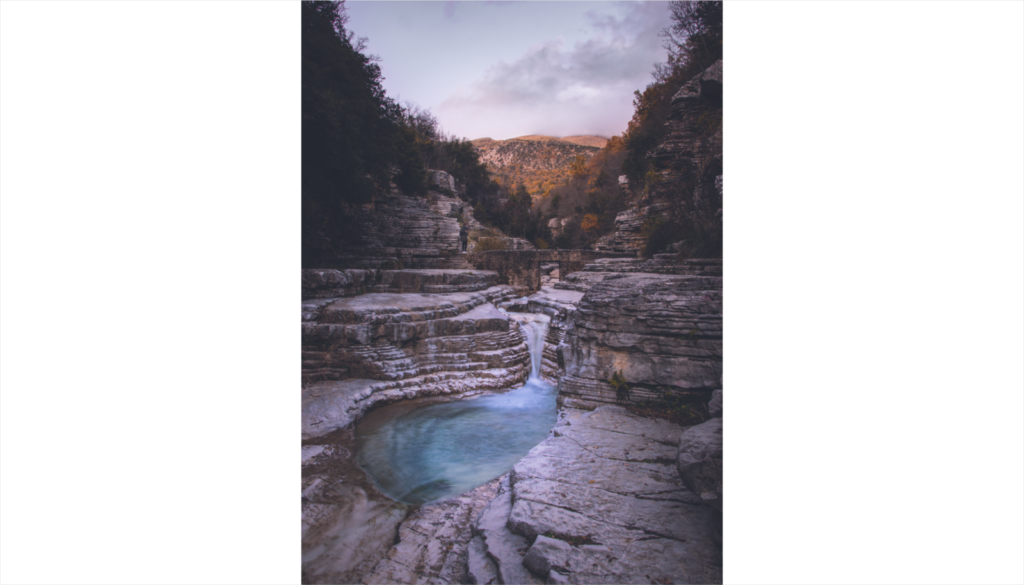
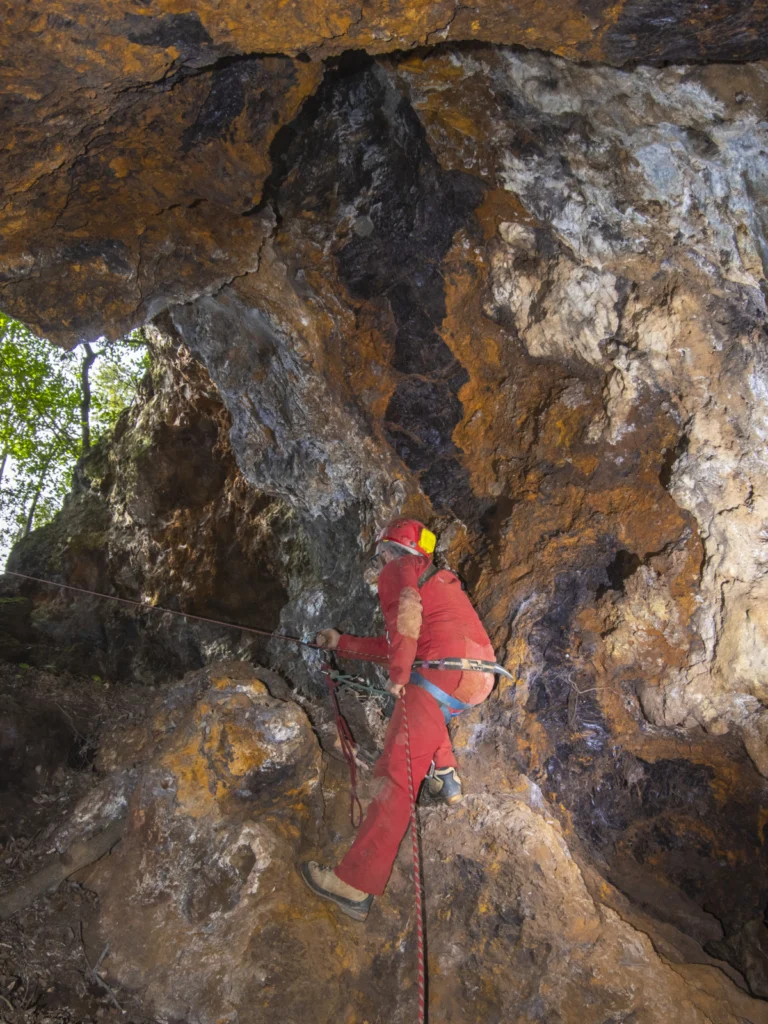
The Papingo’s rock pools are located at the mountainous area of Epirus in northwestern Greece, at an altitude of 980 meters. The Rogovo stream, over the years, has eroded the limestone rocks creating a complex of water falls and cavities (natural rock pools) with clear and cold running water, which the locals call “ovires”. Photo …[Read More]
EGU Scientific Divisions
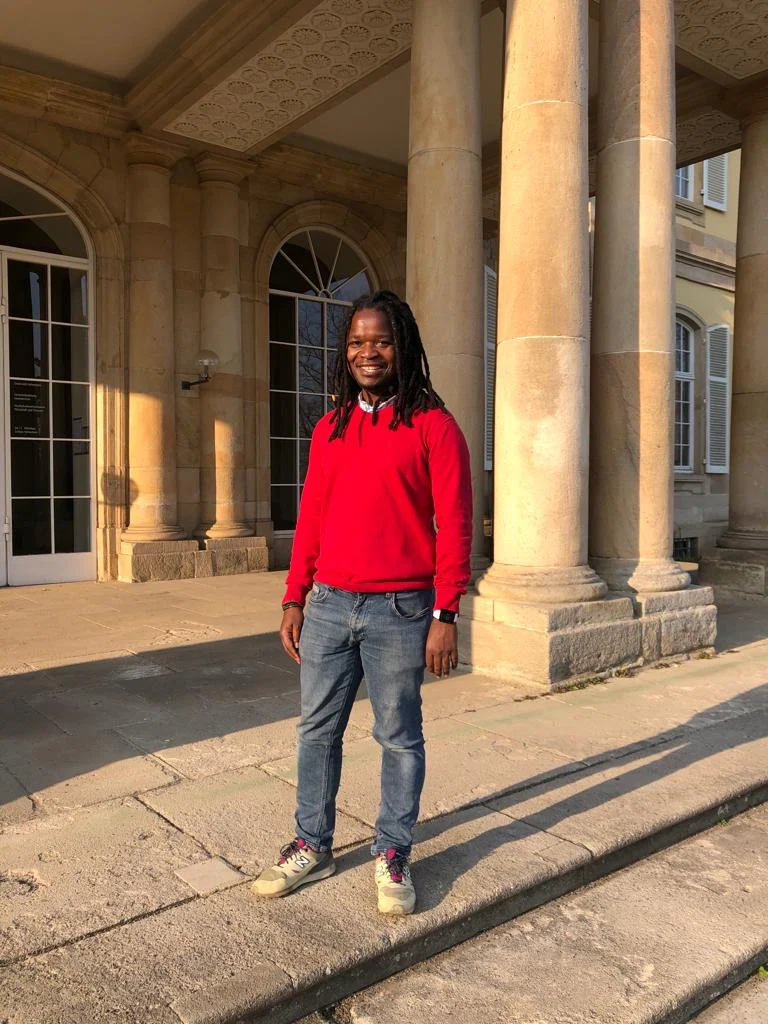
GeoTalk: meet Abraham Dabengwa, Early Career savanna conservationist!
Hello Abraham. Thank you for speaking with us today! Could you tell our readers a bit about yourself and your research? Thanks, Simon! It’s a pleasure to be invited to share about my work. Well, where do I begin? For starters, I’m a Genus Postdoctoral Fellow at the University of the Witwatersrand in Johannesburg, South …[Read More]
Imaggeo On Monday: Ninepin Group: the spectacular hexagonal columns
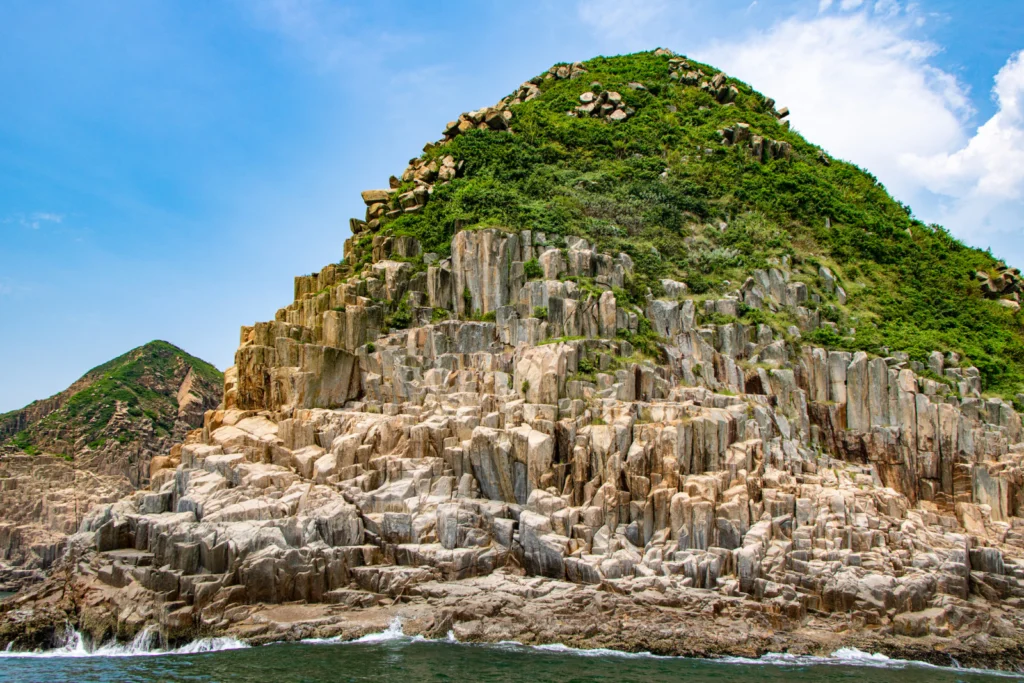
The picture shows the world’s rarest hexagonal rhyolitic volcanic rock columns on the northern island of the Ninepin Group in the easternmost waters of Hong Kong. These rocks columns are believed to form about 140 million years ago after a major volcanic eruption near Sai Kung. When the volcanic ash and lava slowly cooled down, …[Read More]
Spring, Summer, Winter…Haze?
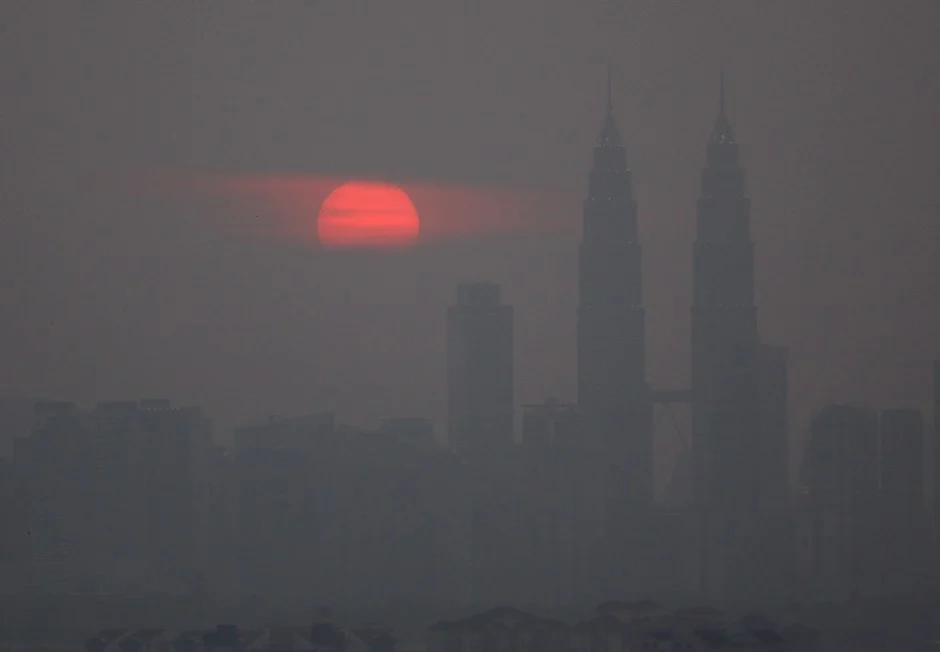
Around the world, societies have many different ways to define the seasons, but for most people a season is identified by a set of culturally specified events, such as the arrival of migratory birds, certain anticipated weather patterns, or a range of expected temperatures. Over recent years many studies have examined the various ways that …[Read More]
Imaggeo On Monday: Glimpse of the Ranns of Kachchh, India
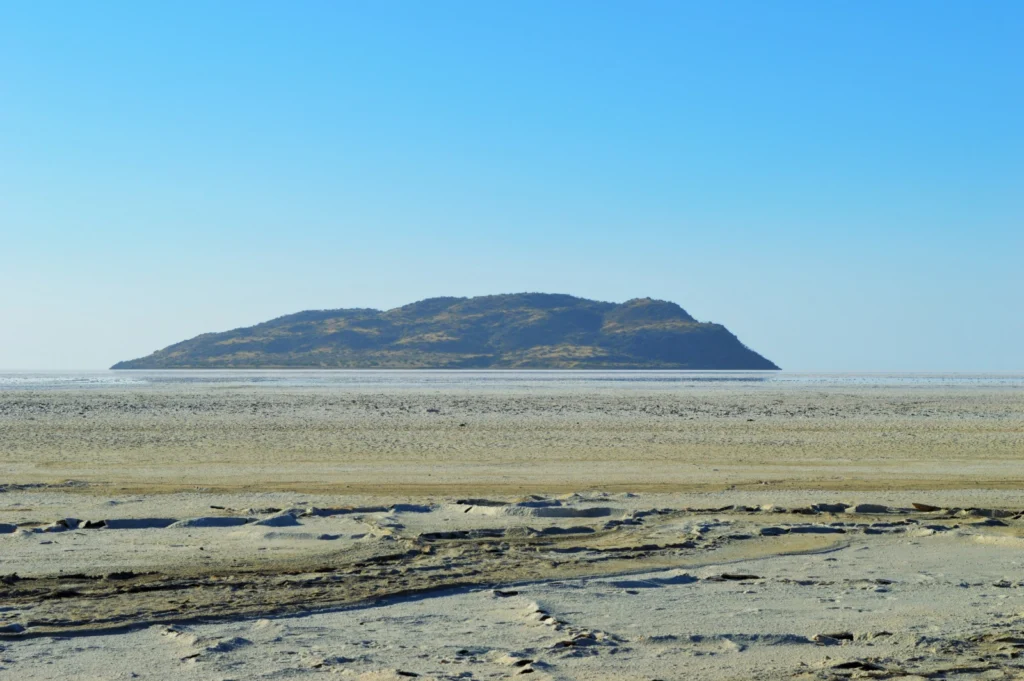
The Rann of Kachchh is a saline marshland located in the western part of India. This climatically arid, salt-covered mudflat was once home to one of the largest settlements of the Indus Valley Civilization in India. The UNESCO world heritage archaeological site of Dholavira is now located in the heart of the salt desert. Photo …[Read More]
An ocean emergency is upon us. Can the world reverse ocean decline?
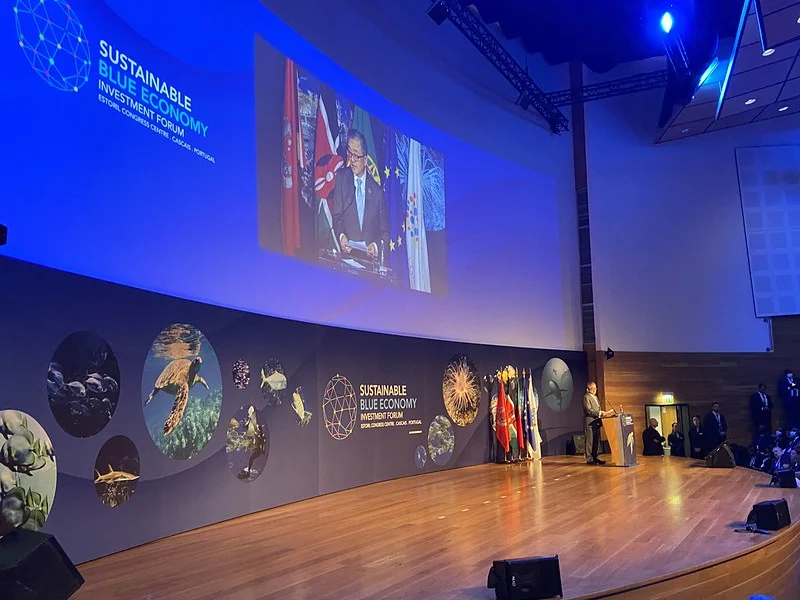
“The ocean is not too big to fail, nor is it too big to fix, but it is too important to ignore.” Last week, Dr Jane Lubchenco voiced a thought we’ve all had at some point: that the ocean is so vast and bountiful, it is almost inconceivable that people could impact it. And yet… …[Read More]
Imaggeo On Monday: The desert of the cauliflowers
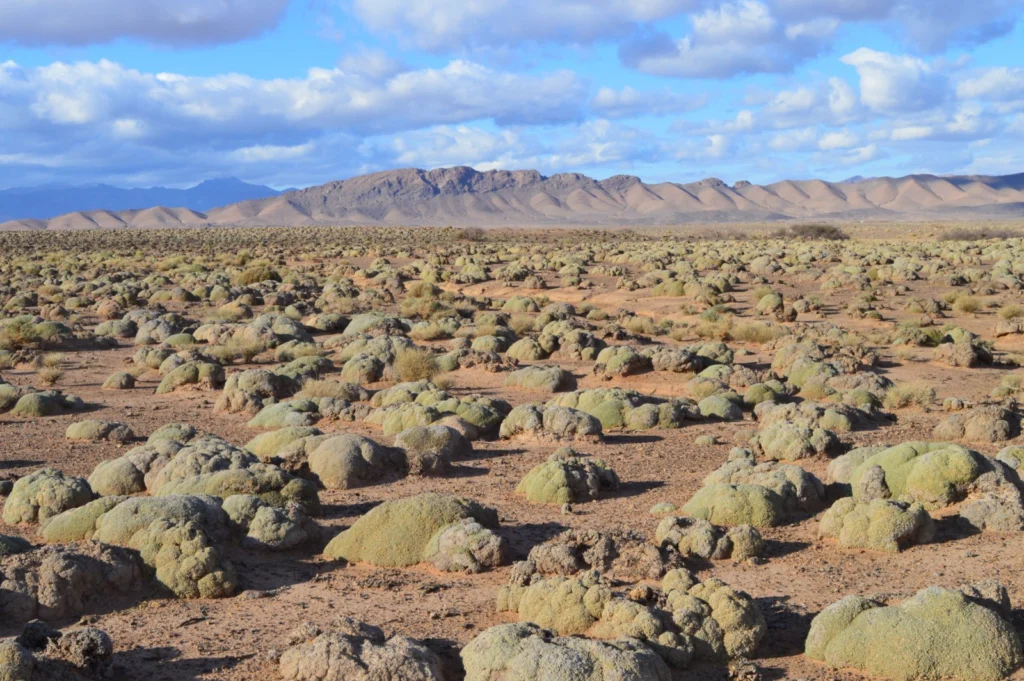
Bouâmama Cauliflowers (Fredolia aretioides) in the stony plateaus of the Eastern High Atlas near Ayt Wazag (Morocco). The compact, cushion-like habit, the tiny coriaceous leaves and the deep-reaching roots of this shrub allow it to thrive under arid climatic conditions. Photo by Luca Barale, as described on imaggeo.egu.eu. Imaggeo is the EGU’s online open access …[Read More]
The ancient art and science of mining: a look back at the 1500s
Sean Daly is a (now retired) Canadian mining geologist with 40+ years of experience, who has dedicated his career to understanding the close relationship between mining, geology and society. His recent book “From the Erzgebirge to Potosi: A History of Geology and Mining Since the 1500’s” traces the history of mining and geology from the …[Read More]
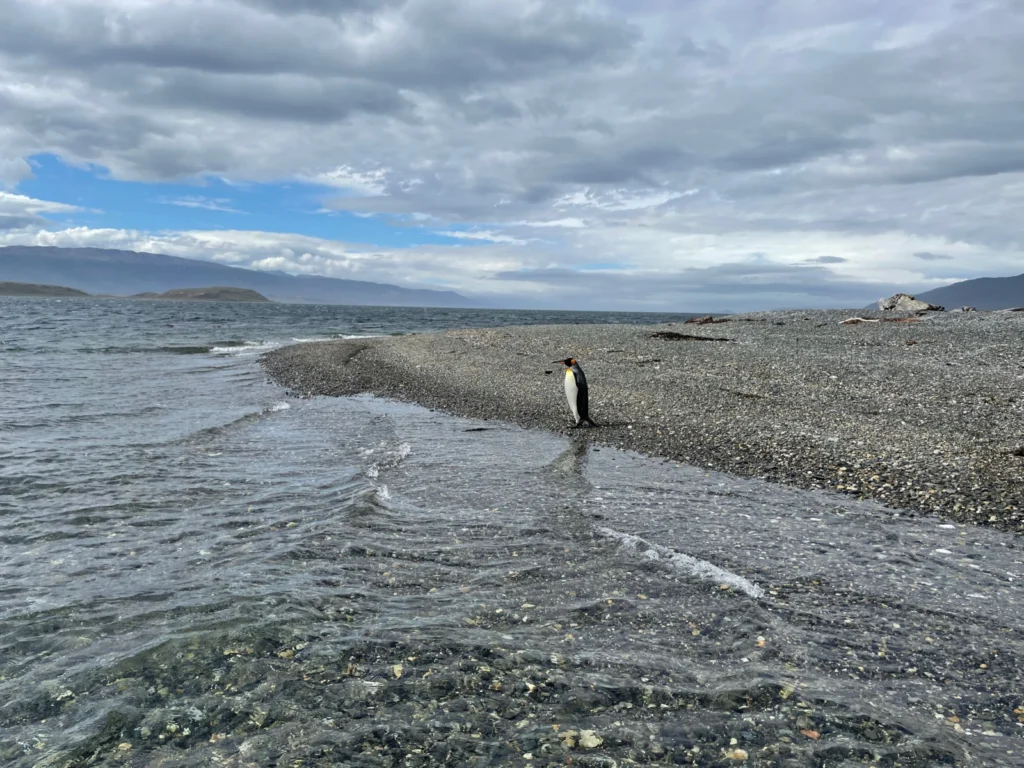
Imaggeo On Monday: King penguin (Beagle Channel)
King penguin in the Beagle Channel, Tierra del Fuego. Photo by Tatjana Milojevic, shared on imaggeo.egu.eu. Imaggeo is the EGU’s online open access geosciences image repository. All geoscientists (and others) can submit their photographs and videos to this repository and, since it is open access, these images can be used for free by scientists for their presentations …[Read More]
GeoTalk: meet Céline Heuzé, award-winning Early Career Ocean Scientist!
Hi Céline. Thank you for joining us today. Congratulations on winning the 2022 Ocean Sciences Division Outstanding Early Career Scientist Award! Could you tell our readers a bit about yourself and your research? As of just a few months ago, I am tenured! My exact job title is “Senior Lecturer in climatology” at the University …[Read More]