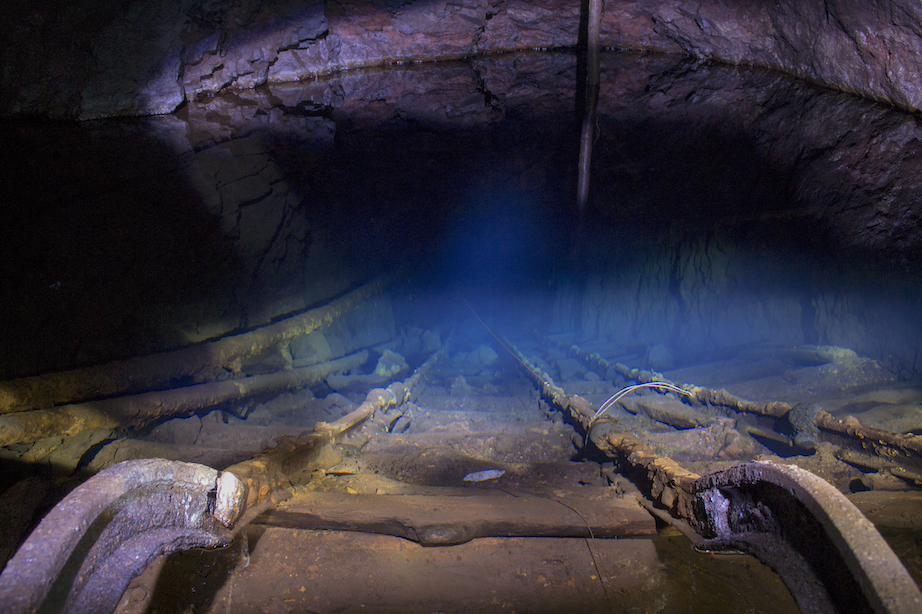
Since the Iron age, the Apennine Ligurian mountains were exploited by several mines of manganese, flint and copper. All of them are now abandoned and preserve an amazing environment. They are saving archeological mining heritage and concealing deepest earth ‘s secrets. Photo by Matteo Del Soldato, as described on imaggeo.egu.eu. Imaggeo is the EGU’s online open access geosciences imag ...[Read More]
GeoTalk: meet Jarmo Kikstra, researcher in energy transition under climate change!
Hello Jarmo. Thank you for joining us for the interview today! Before we put our foot on the gas, could you tell us a little bit about yourself and your research? Hi Simon, nice to meet you! Thanks for inviting me to chat with you about my research, and perhaps a bit about the person behind this research – it’s an honour! The basics; I was born in the Netherlands and lived in South Korea, the UK, ...[Read More]
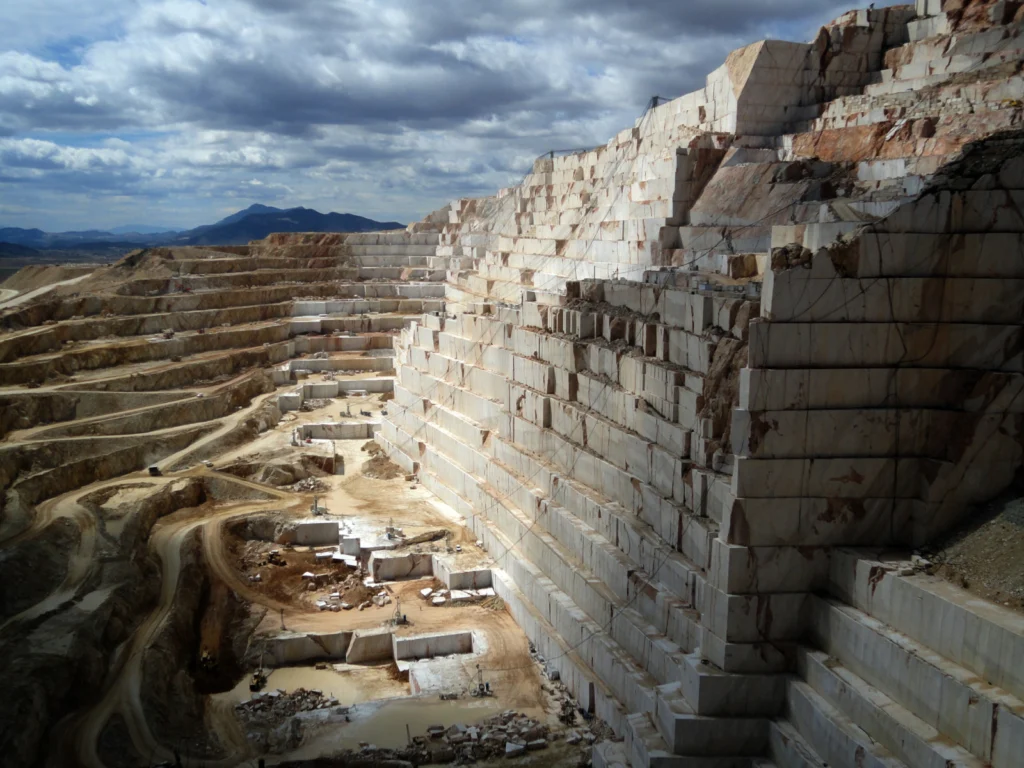
Imaggeo On Monday: Marble quarry west of Alicante, Spain
The largest marble quarry in Europe is located at Monte Coto next to Pinoso in the Spanish Alicante province. Here an Eocene limestone named “Crema Marfil” is exploited on a large scale. Photo by Christoph Mayr, as described on imaggeo.egu.eu. Imaggeo is the EGU’s online open access geosciences image repository. All geoscientists (and others) can submit their photographs ...[Read More]
This World Biofuel Day, we look to the future with optimism
Fossil fuels have dominated the global energy market for centuries, and so most people find it surprising to learn that the first ever diesel engine (1892) was run entirely on peanut oil. German engineer Sir Rudolf Diesel who built the engine was almost prophetic when he said the use of vegetable oils for engine fuels “may seem insignificant today, but such oils may become in course of time as imp ...[Read More]
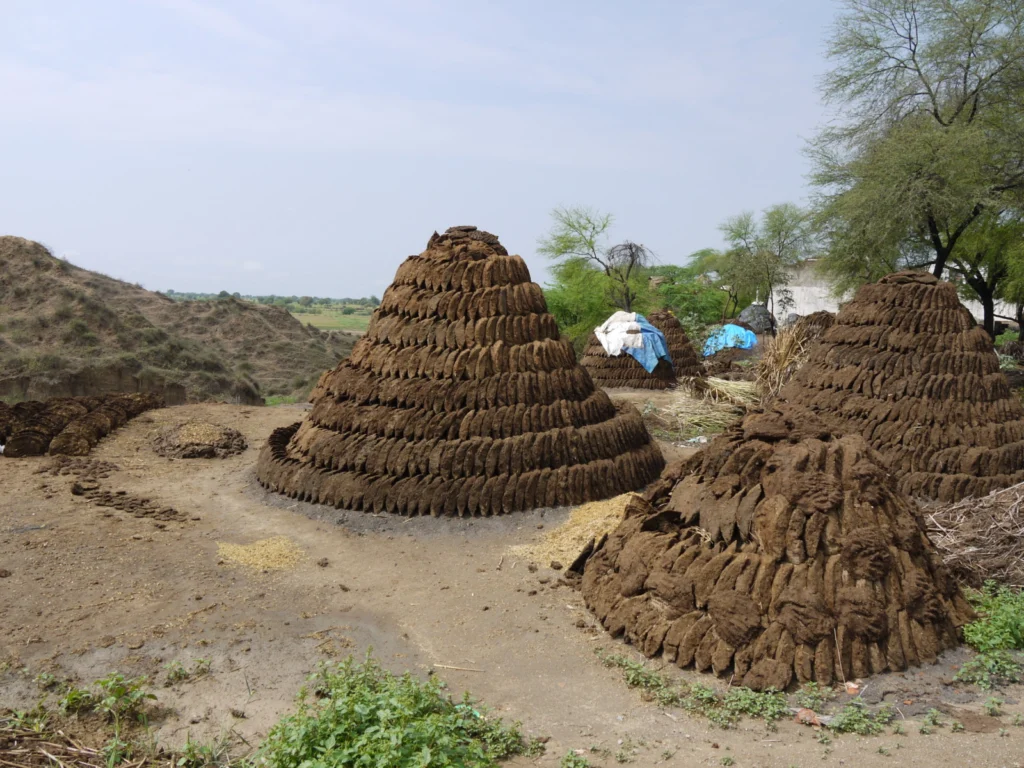
Imaggeo On Monday: Works of art – works of muck
Dung cakes made from buffalo manure are artfully piled up in a village in Madhya Pradesh. Used as fuel for cooking fires, they are a sustainable energy source in rural areas of India, but add to air pollution by biomass burning. Photo by Irene Marzolff, as described on imaggeo.egu.eu. Imaggeo is the EGU’s online open access geosciences image repository. All geoscientists (and others) ...[Read More]
How a Spanish newspaper experiment is improving public understanding of climate change
Climate change is not a new phenomenon. Nor is global warming. So why do researchers report a poor public understanding of this subject around the world? According to a recently published study, 70% of the people surveyed said they were concerned about rising global temperatures but had little knowledge about the climate crisis. When asked how much they knew about the origin and effects of global ...[Read More]
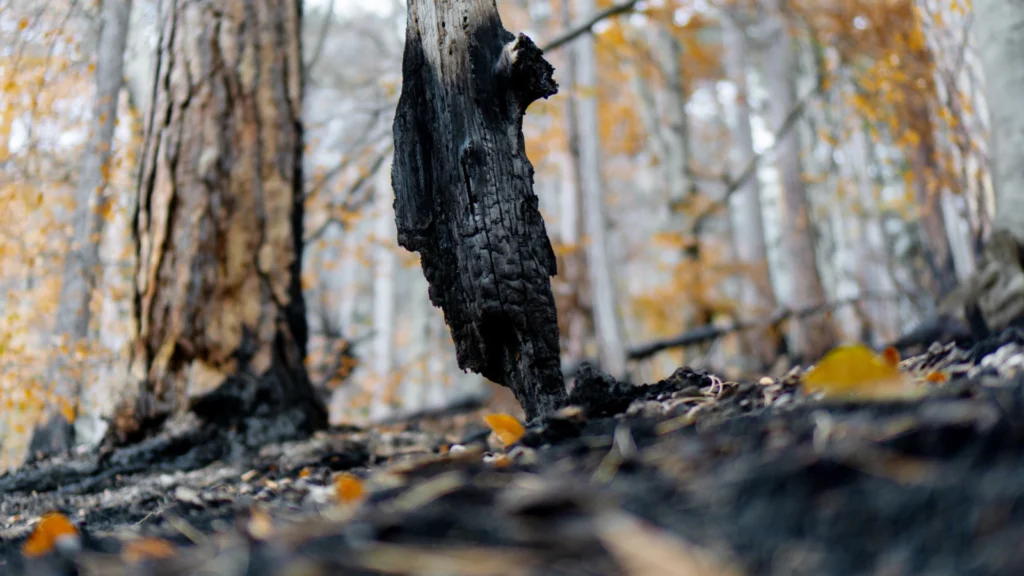
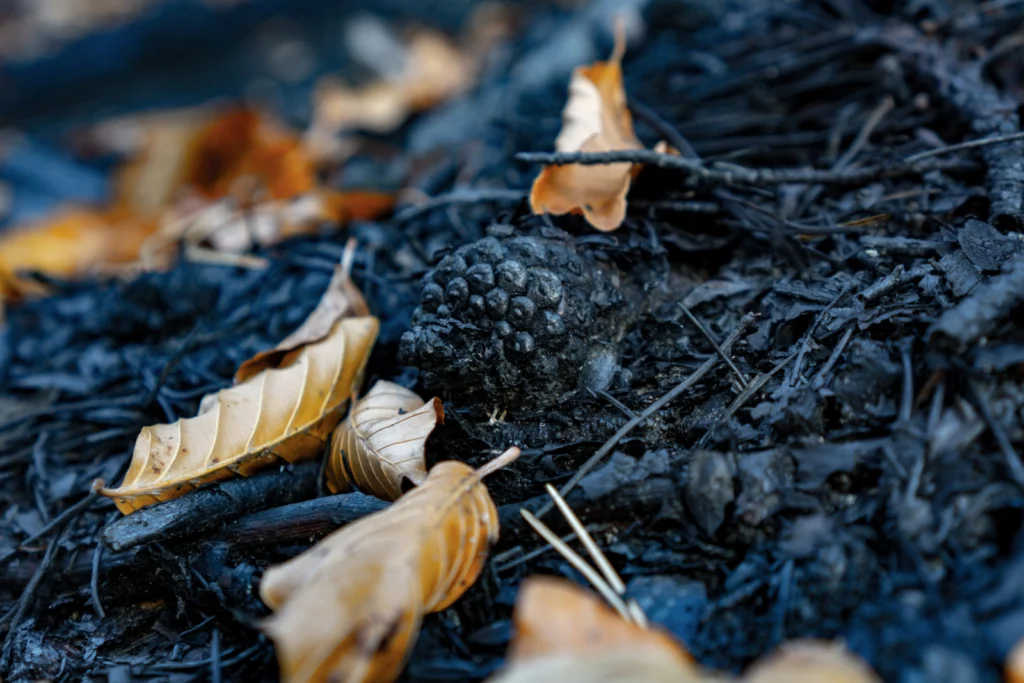
Imaggeo On Monday: Beech leaves on burned ground
A charred pine cone lies on the ground of a mixed beech-pine forest following a forest fire in the Rax-Schneeberg region of Austria in 2021. The charred pine cone and litter are surrounded by unburned yellow beech leaves that fell to the ground after the surface fire. Pyrogenic carbon such as the charred pine cone can remain stable in the environment for extended periods of time and can affect bio ...[Read More]
Imaggeo On Monday: The Papingo’s rock pools
The Papingo’s rock pools are located at the mountainous area of Epirus in northwestern Greece, at an altitude of 980 meters. The Rogovo stream, over the years, has eroded the limestone rocks creating a complex of water falls and cavities (natural rock pools) with clear and cold running water, which the locals call “ovires”. Photo by Athanasios Serafeim, as described on imaggeo.egu.eu. ...[Read More]
GeoTalk: meet Abraham Dabengwa, Early Career savanna conservationist!
Hello Abraham. Thank you for speaking with us today! Could you tell our readers a bit about yourself and your research? Thanks, Simon! It’s a pleasure to be invited to share about my work. Well, where do I begin? For starters, I’m a Genus Postdoctoral Fellow at the University of the Witwatersrand in Johannesburg, South Africa. I describe myself as an early-career African ecologist with a keen inte ...[Read More]
Imaggeo On Monday: Ninepin Group: the spectacular hexagonal columns
The picture shows the world’s rarest hexagonal rhyolitic volcanic rock columns on the northern island of the Ninepin Group in the easternmost waters of Hong Kong. These rocks columns are believed to form about 140 million years ago after a major volcanic eruption near Sai Kung. When the volcanic ash and lava slowly cooled down, joints and cracks started to develop on the surface and then extended ...[Read More]