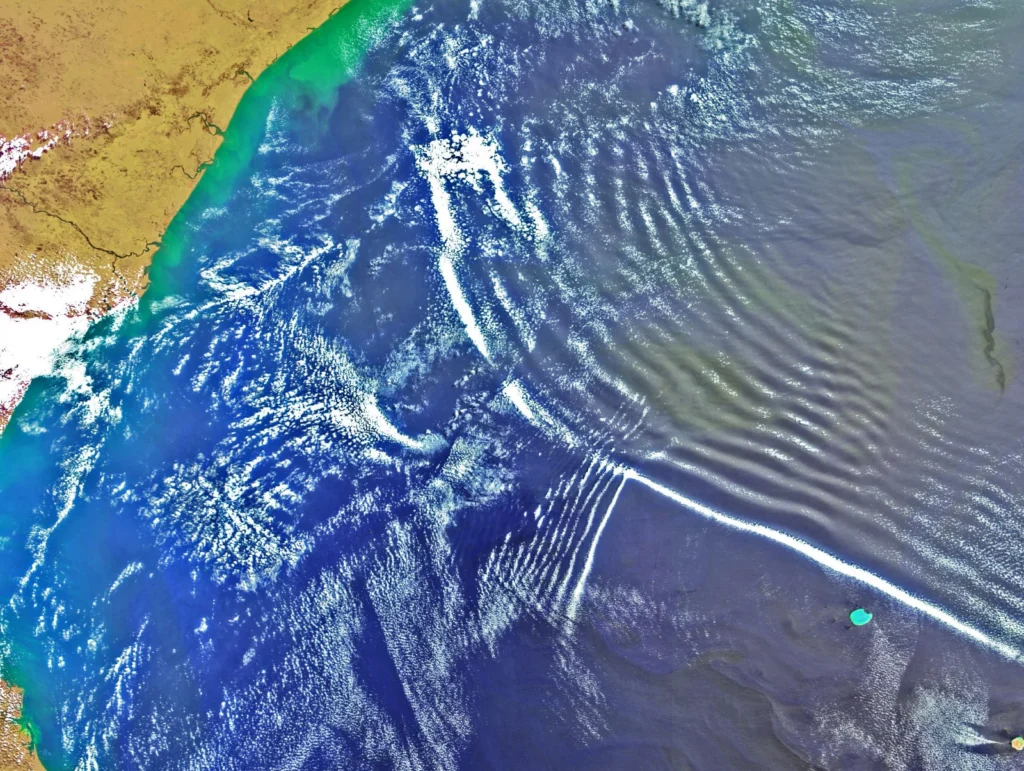
From the tiny vibrations which travel through air, allowing us to hear music, to the mighty waves which traverse oceans and the powerful oscillations which shake the ground back and forth during an earthquake, waves are an intrinsic part of the world around us. As particles vibrate repeatedly, they create an oscillation, which when accompanied by the transfer of energy, creates a wave. The way in ...[Read More]
Ocean Sciences
Geosciences Column: How El Niño triggered Indonesia corals die-off
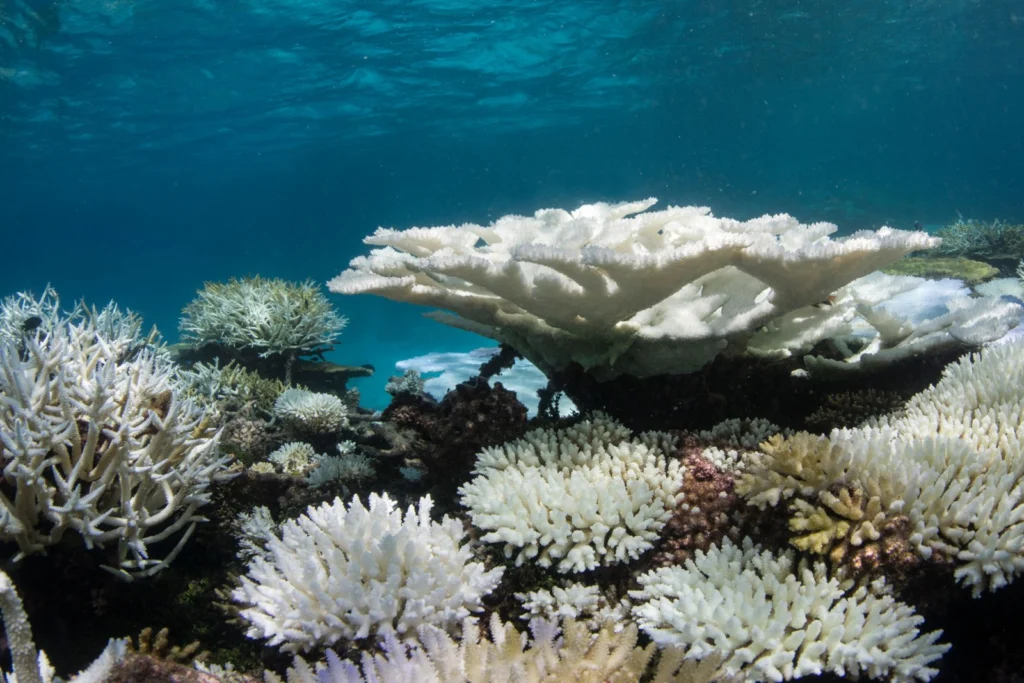
In the glistening waters of Indonesia, shallow corals – the rain forests of the sea – teem with life. Or at least they did once. Towards the end of 2015 the corals started to die, leaving a bleak landscape behind. An international team of researchers investigated the causes of the die-off. Their findings, published recently in the EGU’s open access journal, Biogeosciences, are rather ...[Read More]
Imaggeo on Mondays: the remotest place on Earth?
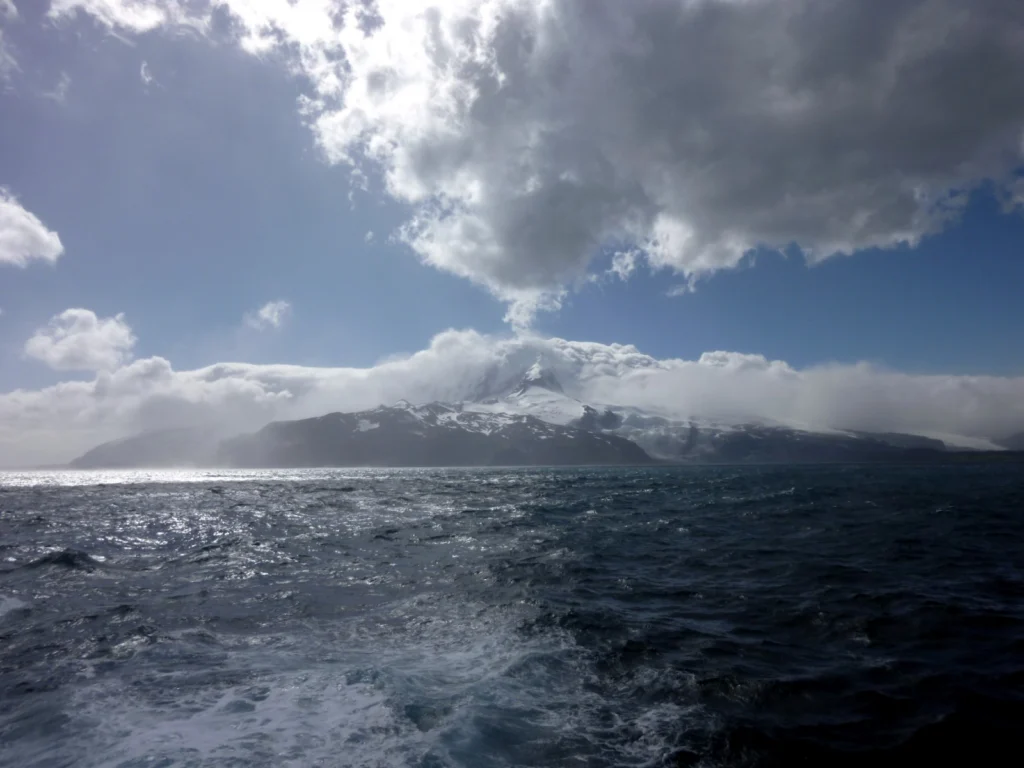
Perhaps a bold claim, but at over 4,000 km away from Australia and 4,200 km from South Africa, Heard Island is unquestionably hard to reach. The faraway and little know place is part of a group of volcanic islands known as HIMI (comprised of the Heard Island and McDonald Islands), located in the southwest Indian Ocean. Shrouded in persistent bad weather and surrounded by the vast ocean, Heard Isla ...[Read More]
Geosciences Column: Do coastlines have memories?
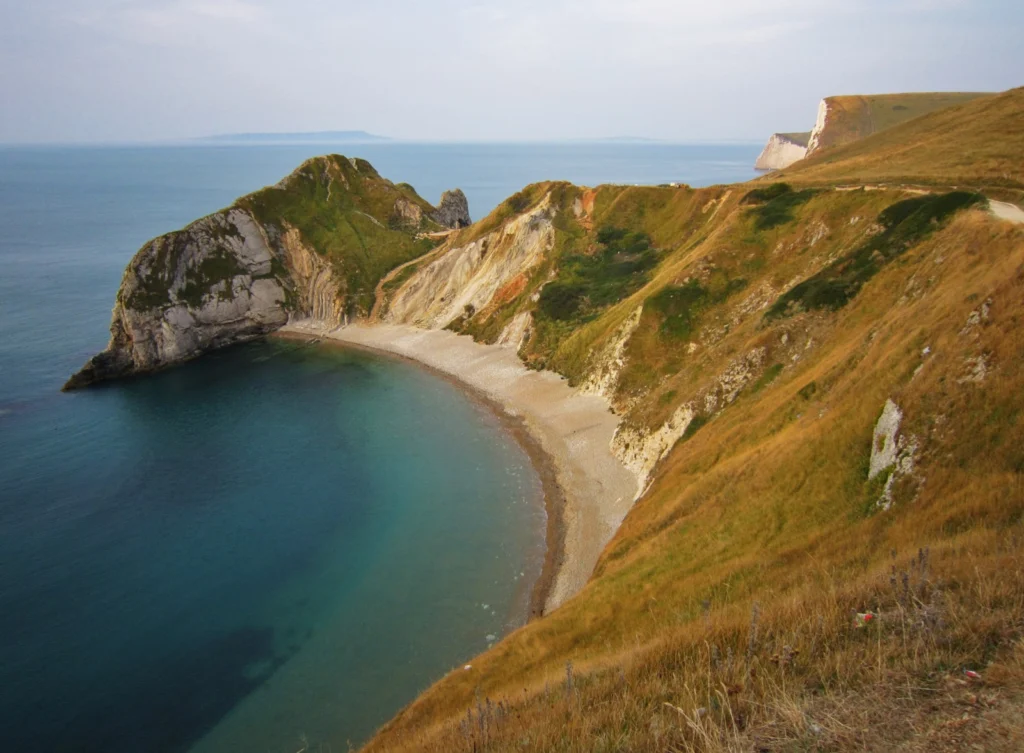
Did you know that the shape of coastlines is determined by the angle at which waves crash against the shoreline. It has long been thought that fluctuations in the wave incidence angle are rapidly felt by coastlines, which change the shapes of their shores quickly in response to shifting wave patterns. Or do they? Researchers at the British Geological Survey, Duke University (USA) and Woods Hole Oc ...[Read More]
The best of Imaggeo in 2016: in pictures
Imaggeo, our open access image repository, is packed with beautiful images showcasing the best of the Earth, space and planetary sciences. Throughout the year we use the photographs submitted to the repository to illustrate our social media and blog posts. For the past few years we’ve celebrated the end of the year by rounding-up some of the best Imaggeo images. But it’s no easy task to pick which ...[Read More]
Imaggeo on Mondays: The odd ‘living’ rocks
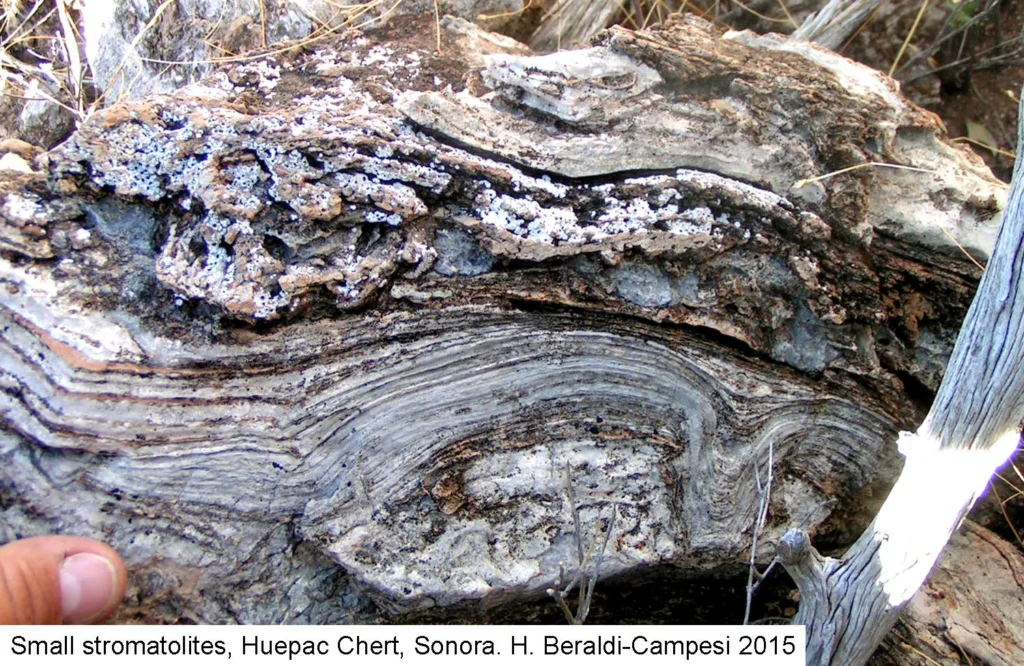
Microbialites – structures which result from the interaction between microbes and sediments – have existed in the rock record since 3700 Ma ago until the present day. The presence of microbes in environments where mineral precipitation is prevalent, usually derives in the development of such chemical sedimentary structures. This can take place in marine, non-marine, and subterranean environm ...[Read More]
Celebrating Earth Science Week!
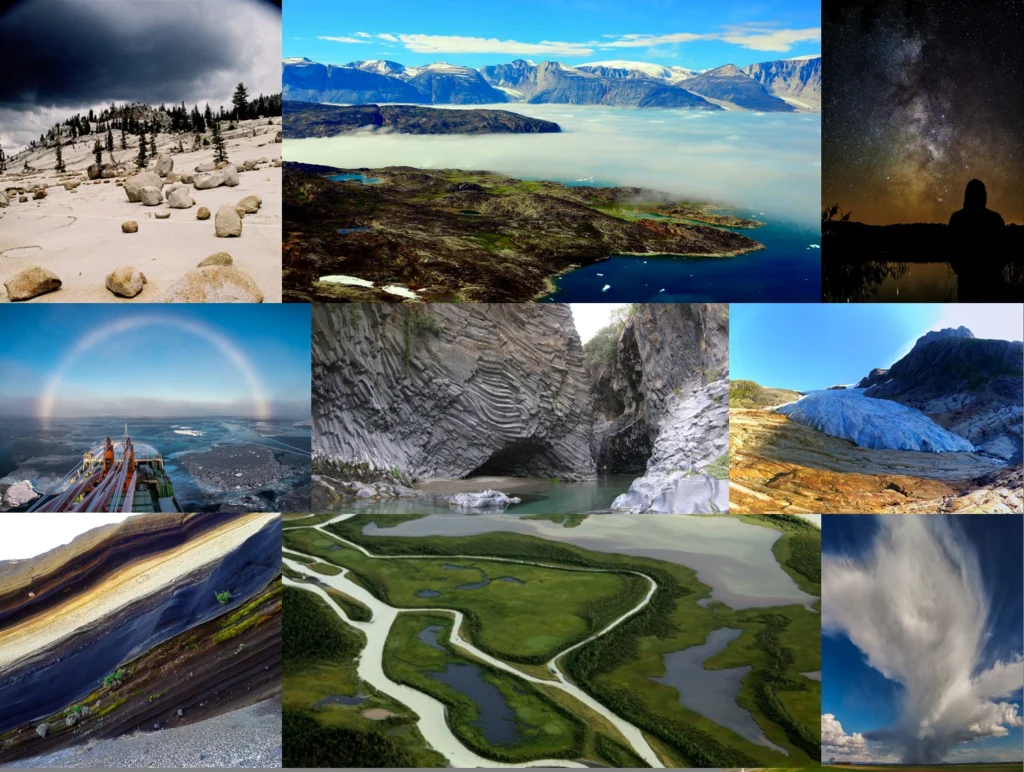
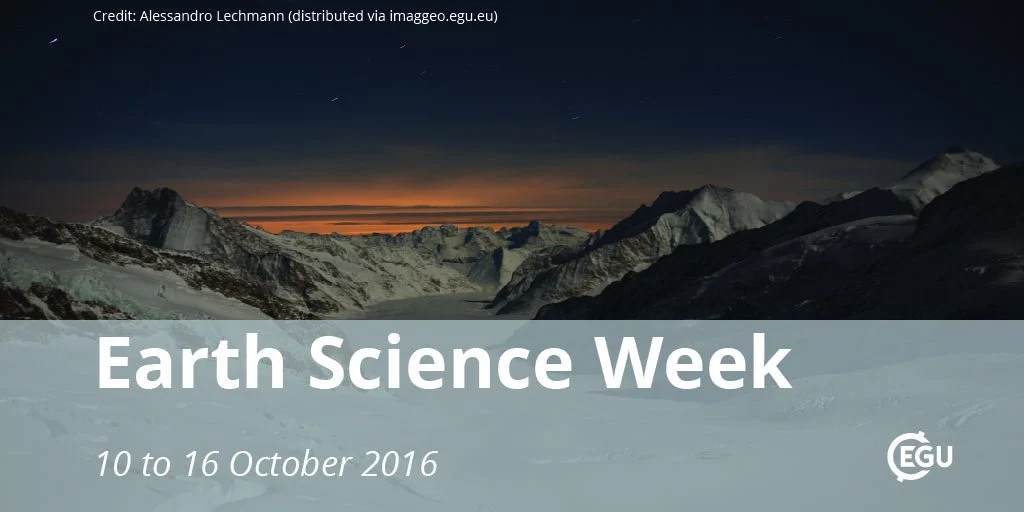
For those not so familiar with the Earth sciences, geosciences and all its subdisciplines might be shrouded in mystery: boring, unfathomable, out of reach and with little relevance to everyday life. Nothing could be further from the truth! Earth Science Week, an international annual celebration founded by the American Geosciences Institute in 1998, aims to change the public’s perception of the ge ...[Read More]
Imaggeo on Mondays: the rocks that look like Swiss cheese
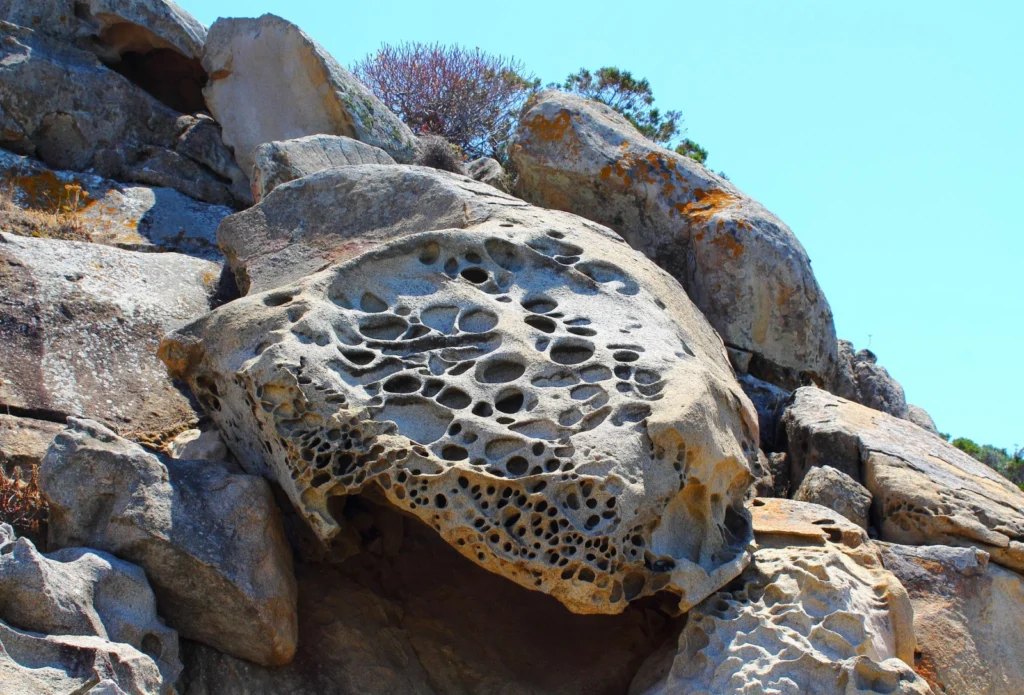
Over the course of centuries and millennia, the force of winds, seas, ice and rains, sculpt rock formations around the globe. From the world-famous glacier carved landscapes of Yosemite National Park, to the freeze-thawed hoodoos at Bryce National Park, through to the wind battered stone pillars of South China Karst, boundless geological formations have been transformed by the power of erosion and ...[Read More]
GeoTalk: Investigating the transport of plastic pollution in the oceans
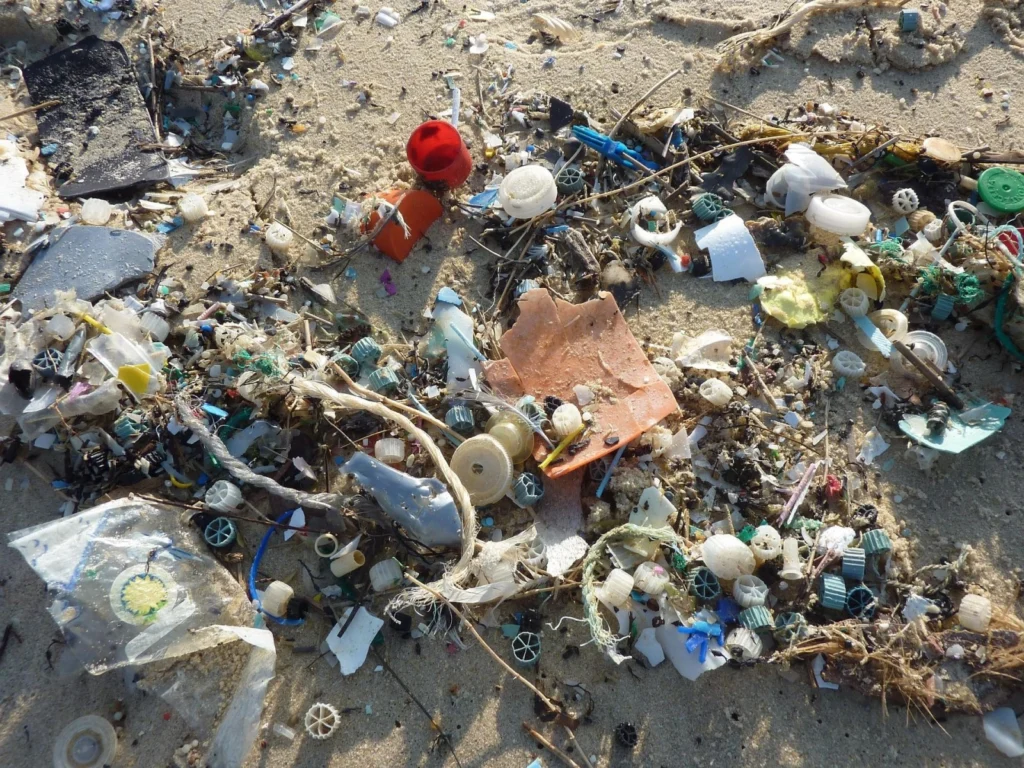
Geotalk is a regular feature highlighting early career researchers and their work. In this interview we speak to Erik van Sebille, an oceanographer at the Grantham Institute at Imperial Collage London, and winner of the 2016 OS Outstanding Young Scientist Award. As an expert in understanding how oceans transport all kinds of materials, from water and heat through to plastics, Erik has gained detai ...[Read More]
Imaggeo on Mondays: what corals can tell us about past climate change
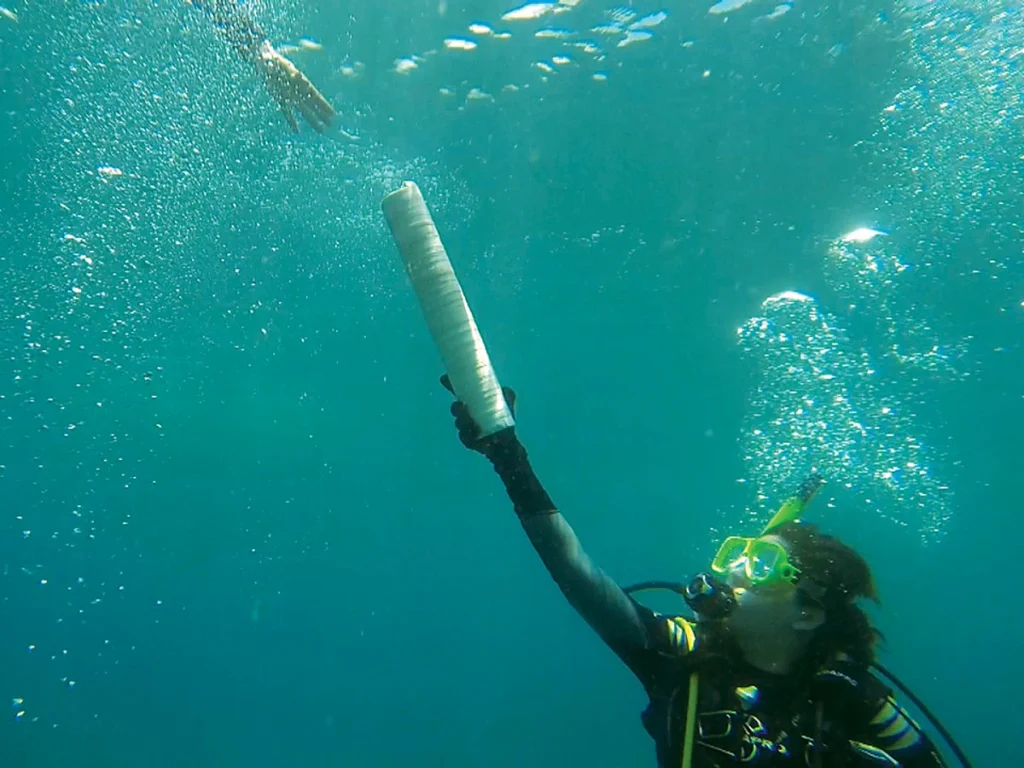
Reconstructing past climates is a tricky task at the best of times. It requires an ample data set and a good understanding of proxies. Add into the mix some underwater fieldwork and the challenge got a whole lot harder! In today’s Imaggeo on Monday’s post, Isaac Kerlow explains how information locked in corals can tell the story of past climates and how important it is, not only to carry out the r ...[Read More]