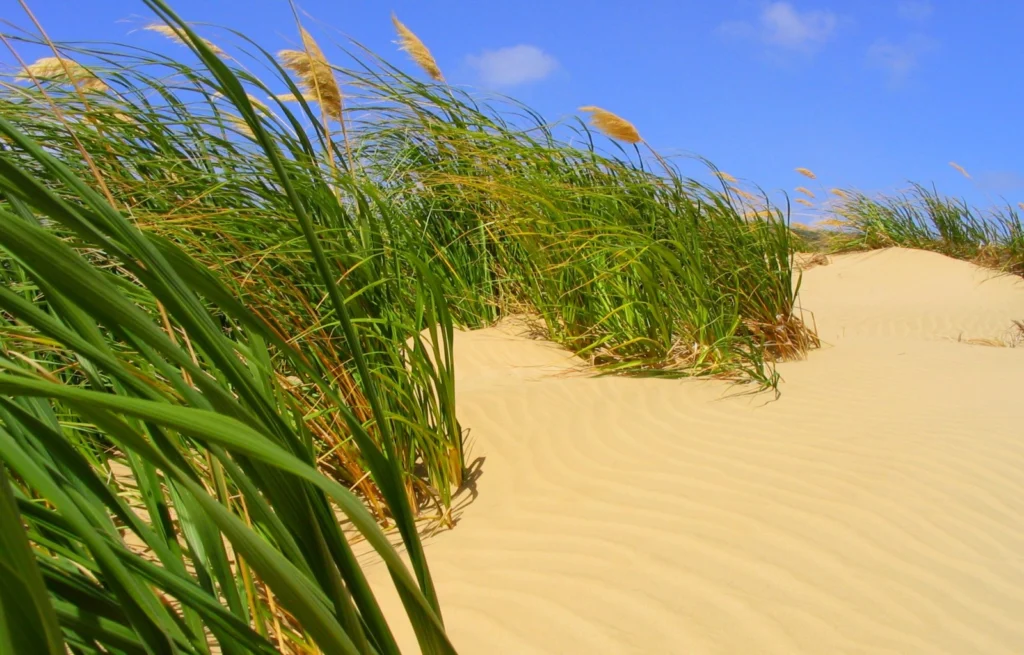
Coastlines take a battering from stormy seas, gales, windy conditions and every-day wave action. The combined effect of these processes shapes coastal landscapes across the globe. In calm weather, constructive waves deposit materials eroded elsewhere and transported along the coast line via longshore-drift, onto beaches, thus building them up. Terrestrial material, brought to beaches by rivers and ...[Read More]
Ocean Sciences
Methane seeps – oases in the deep Arctic Ocean
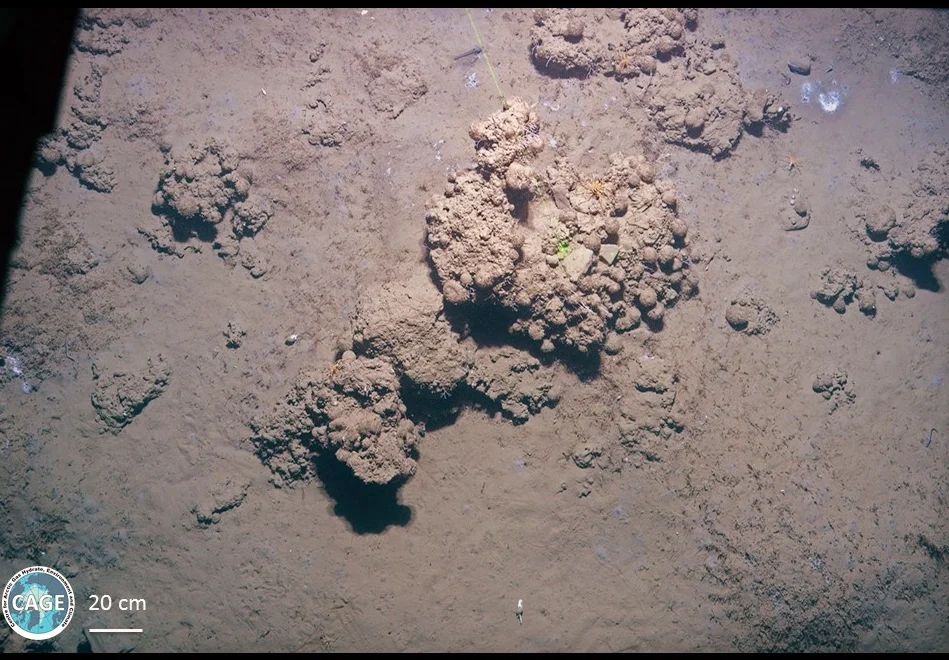
The deep Arctic Ocean is not known for its wildlife. 1200 metres from the surface, well beyond where light penetrates the water and at temperatures below zero, it it’s a desolate, hostile environment. There are, however, exceptions to this, most notably around seeps in the seafloor that leak methane into the water above. Here, methane is the fuel for life, not sunlight, creating oases in an otherw ...[Read More]
Photo Contest finalists 2016 – who will you vote for?
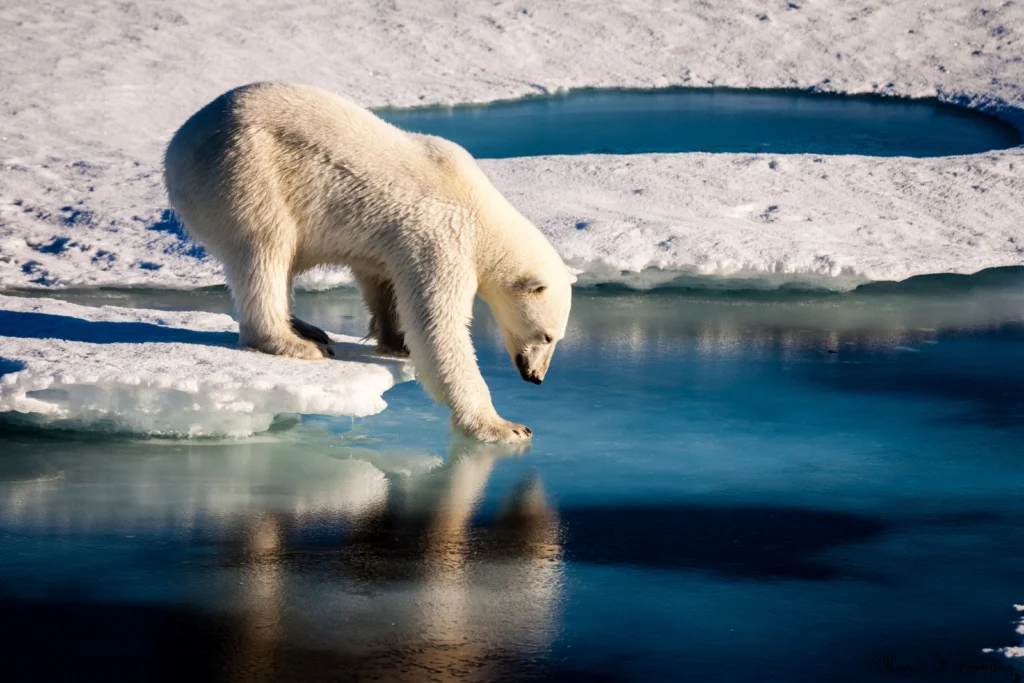
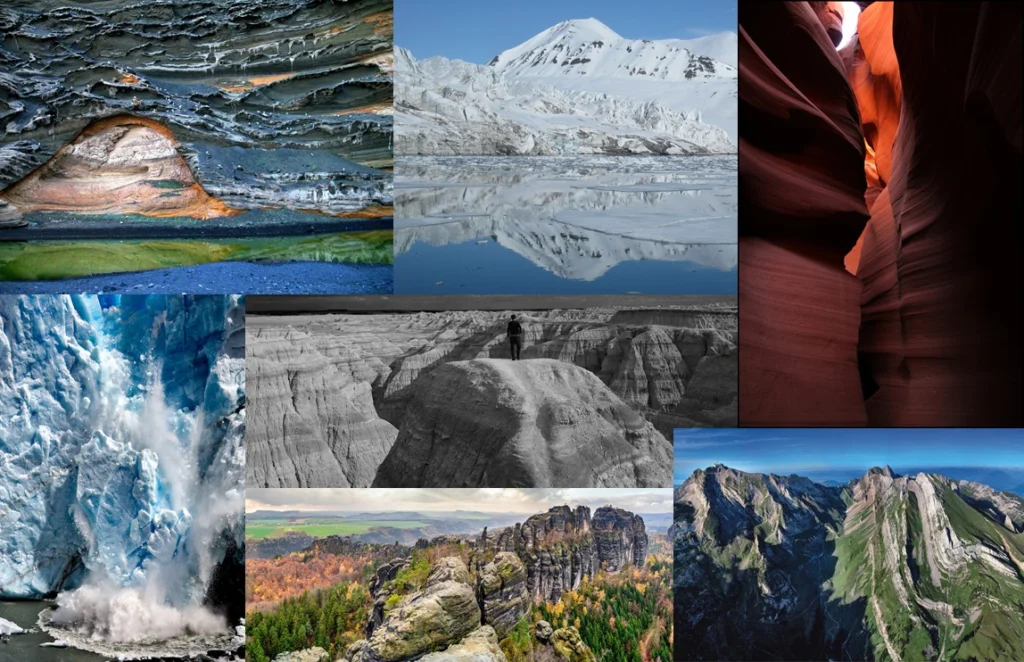
The selection committee received over 400 photos for this year’s EGU Photo Contest, covering fields across the geosciences. The fantastic finalist photos are below and they are being exhibited in Hall X2 (basement, Brown Level) of the Austria Center Vienna – see for yourself! Do you have a favourite? Vote for it! There is a voting terminal (also in Hall X2), just next to the exhibit. The results w ...[Read More]
GeoEd: Using art in your science teaching and outreach. The why and the how.
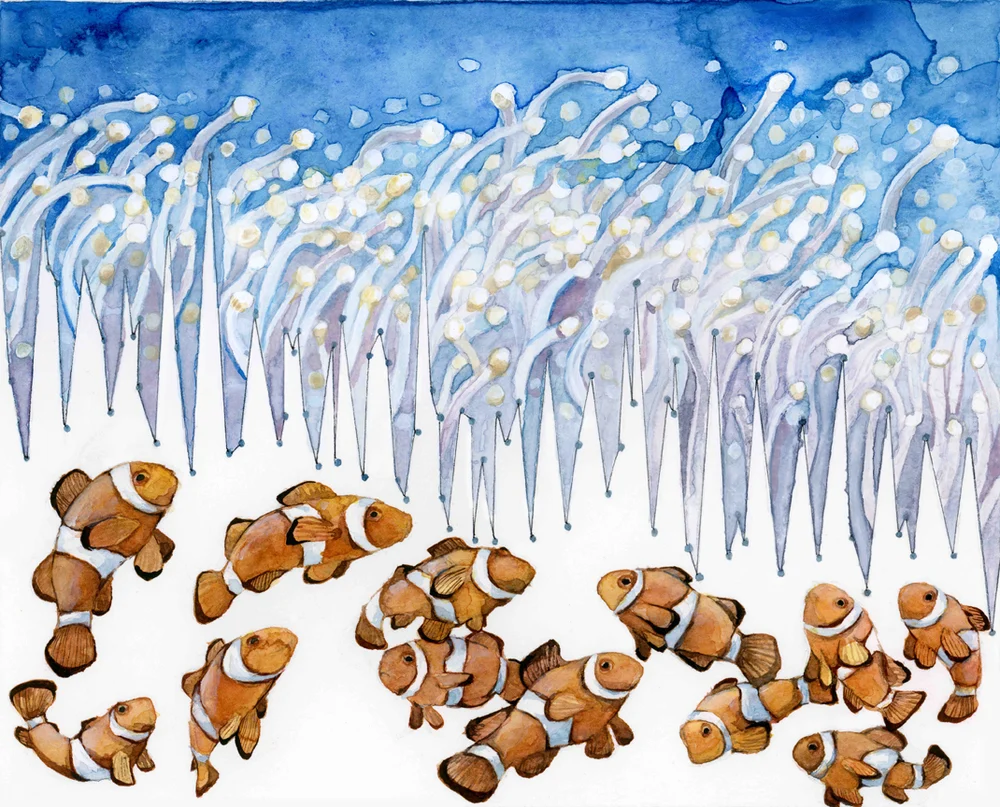
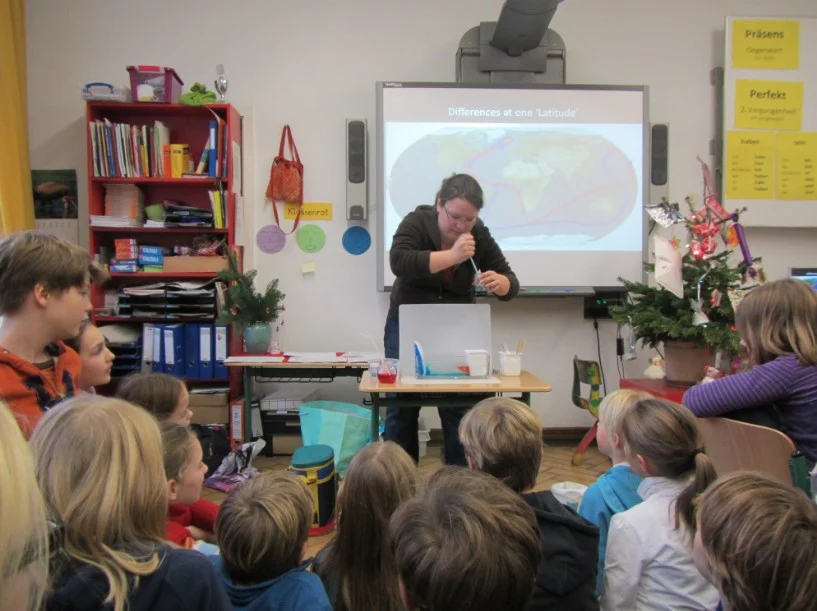
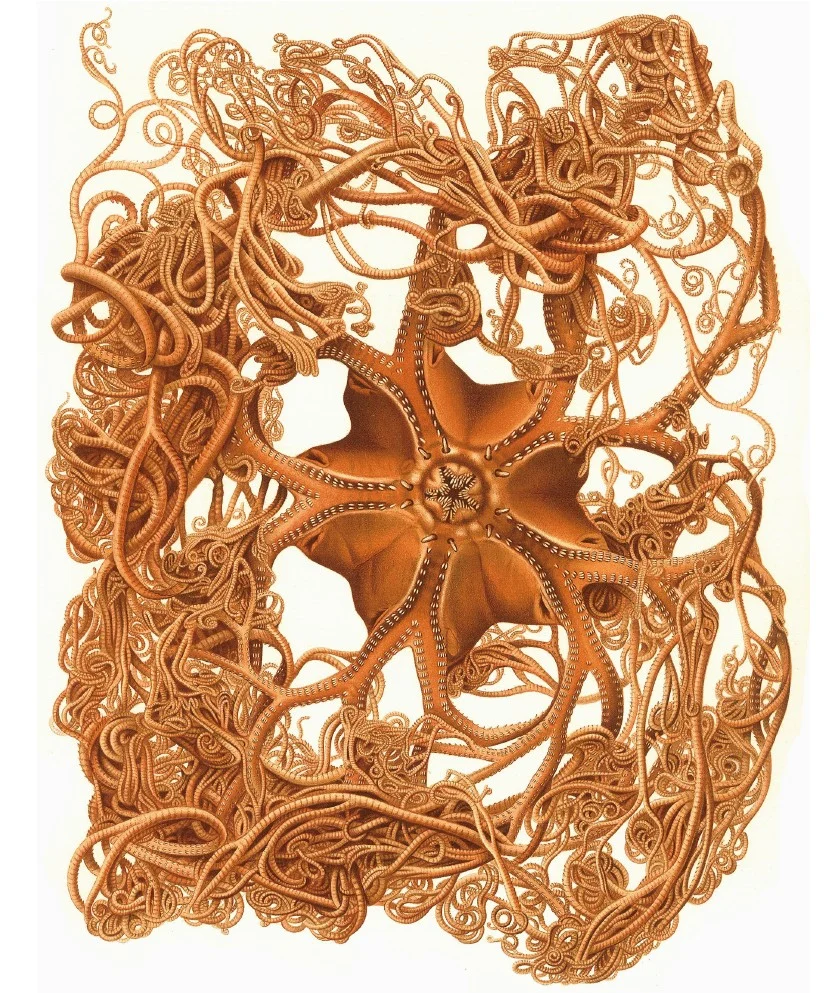
This month’s GeoEd post is brought to you by Dr. Mirjam S. Glessmer. Mirjam is a physical oceanographer turned instructional designer. She blogs about her “Adventures in Teaching and Oceanography” and tweets as @meermini. Get in touch if you are interested in talking about teaching and learning in the geosciences! Sometimes we look for new ways to engage our students or the general public in discu ...[Read More]
Communicate your Science Video Competition finalists 2016: time to get voting!
For the third year in a row we’re running the EGU Communicate Your Science Video Competition – the aim being for early career scientists to communicate their research in a short, sweet and public-friendly video. Our judges have now selected 3 fantastic finalists from the excellent entries we received this year and it’s time to find the best geoscience communication clip! The shortlisted videos wil ...[Read More]
GeoEd: For the best hands-on outreach experiences, just provide opportunities for playing!
This month’s GeoEd post is brought to you by Dr. Mirjam S. Glessmer. Mirjam, is a physical oceanographer and now works as Coordinator of Teaching Innovation at Hamburg University of Technology. Mirjam blogs about her “Adventures in Teaching and Oceanography” and tweets as @meermini. Get in touch if you are interested in talking about teaching and learning in the geosciences! “For the best hands-on ...[Read More]
Geosciences Column: Three hundred years probing the deep seas
The depths of the deep blue have fascinated explorers, scientists and humanity for centuries. And is it any wonder? 71% of the Earth’s surface is covered by oceans teaming with riches, from unique forms of life to precious metals.Even today, there are vast regions of the ocean floors that remain unexplored and of which we know very little about. Some might argue the oceans are the last unexplored ...[Read More]
The best of Imaggeo in 2015: in pictures
Last year we prepared a round-up blog post of our favourite Imaggeo pictures, including header images from across our social media channels and Immageo on Mondays blog posts of 2014. This year, we want YOU to pick the best Imaggeo pictures of 2015, so we compiled an album on our Facebook page, which you can still see here, and asked you to cast your votes and pick your top images of 2015. From the ...[Read More]
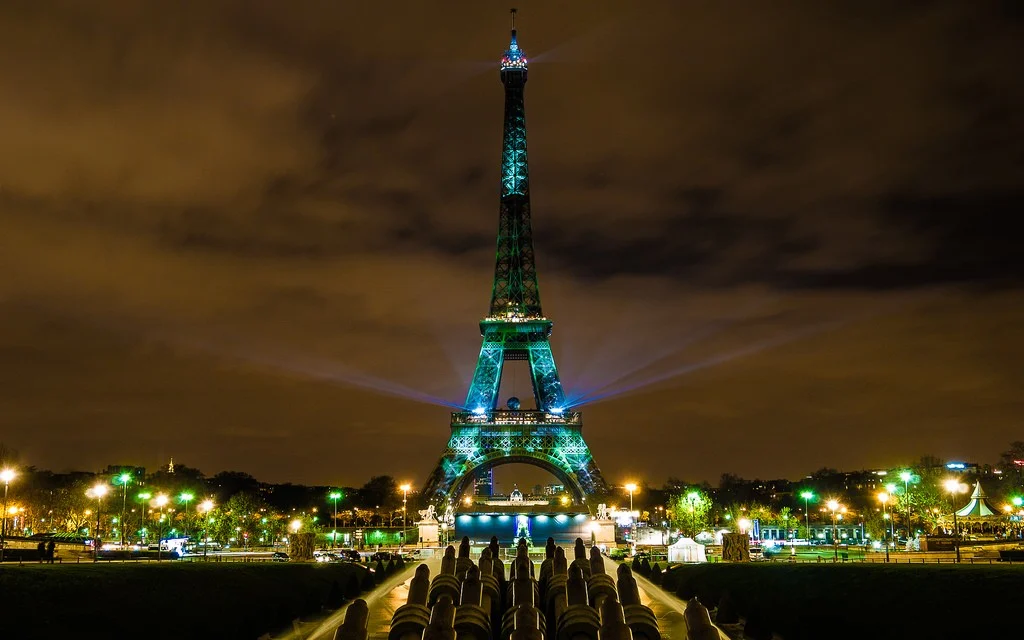
GeoPolicy: What was decided from the Paris COP21?
Last week saw the world’s leaders come together in Paris for the 21st ‘Conference of the Parties’ (aka COP21) to discuss climate change. The 12 day meeting saw over 50,000 participants (half of which from Government organisations) come to reach an agreement on limiting greenhouse gas (GHG) production. Background Manmade climate change, resulting from the increased production of GHG into the atmosp ...[Read More]
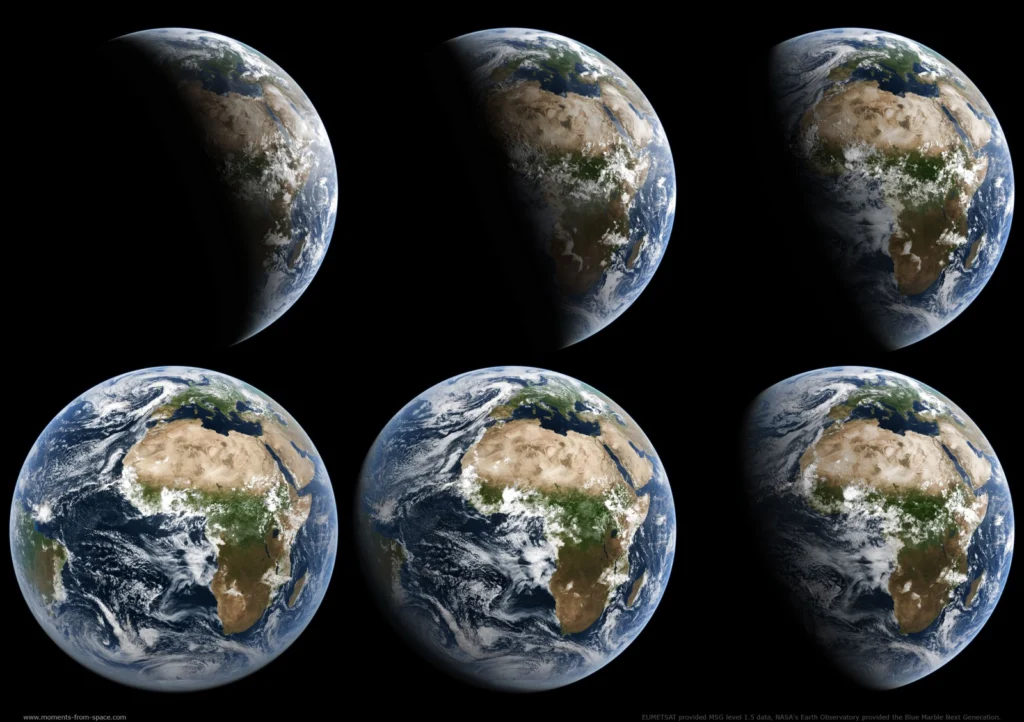
Geoscience hot topics – Part II: the Earth as it is now and what its future looks like
What are the most interesting, cutting-edge and compelling research topics within the scientific areas represented in the EGU divisions? Ground-breaking and innovative research features yearly at our annual General Assembly, but what are the overarching ideas and big research questions that still remain unanswered? We spoke to some of our division presidents and canvased their thoughts on what the ...[Read More]