GeoLog

Ocean Sciences

Imaggeo on Mondays: Just Passing

Imaggeo on Mondays: Just Passing

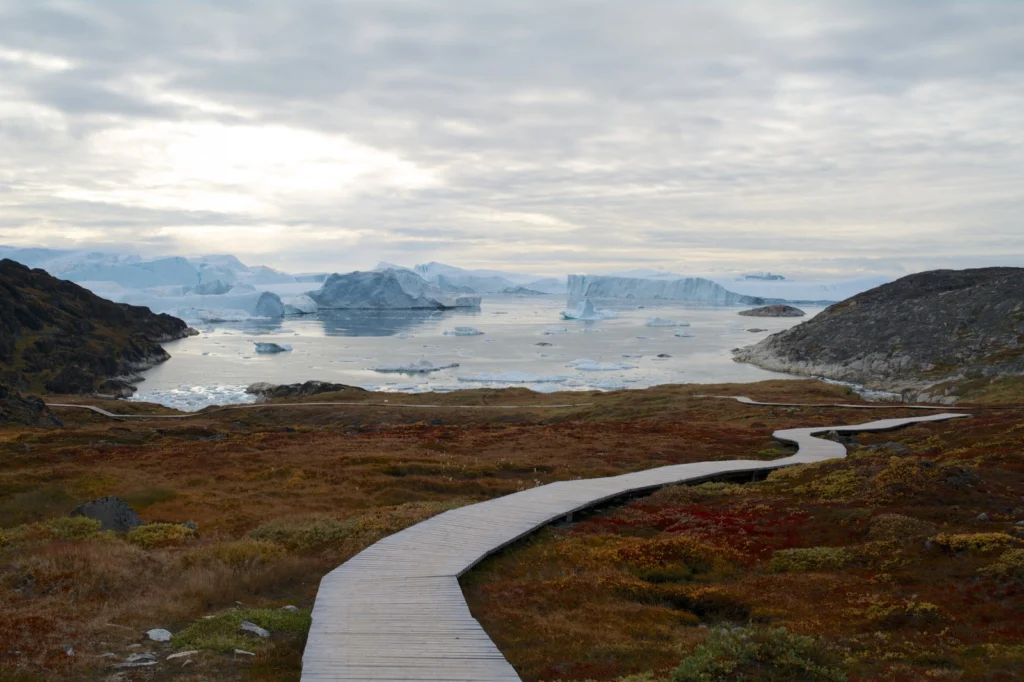
If lucky enough to visit Ilulissat Icefjord, you’d find yourself in a truly ancient landscape. From the up to 3.9 billion year old Precambrian rocks, to ice dating back to the Quaternary Ice Age (2.6 thousand years old) and archaeological remains which evidence the past settlement of this remote Greenlandic outpost, it’s no surprise this stunning location has been declared a UNESCO world heritage ...[Read More]

Geosciences Column: Recent and future changes in the Greenland Ice Sheet

Geosciences Column: Recent and future changes in the Greenland Ice Sheet

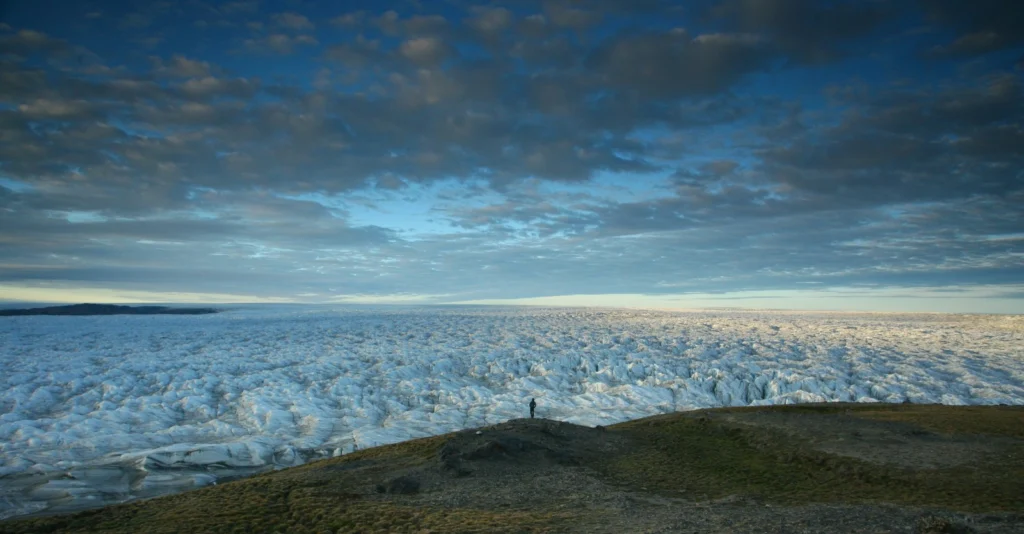
Over the past few decades, the Arctic region has warmed more than any other on Earth. The Greenland Ice Sheet is losing mass faster than ever before, and is expected to keep melting with consequences for global sea-level rise and ocean circulation. At a media briefing, during the EGU’s General Assembly in April (stream it here), researchers presented new results on the factors that influence the G ...[Read More]

Imaggeo on Mondays: Escullos

Imaggeo on Mondays: Escullos

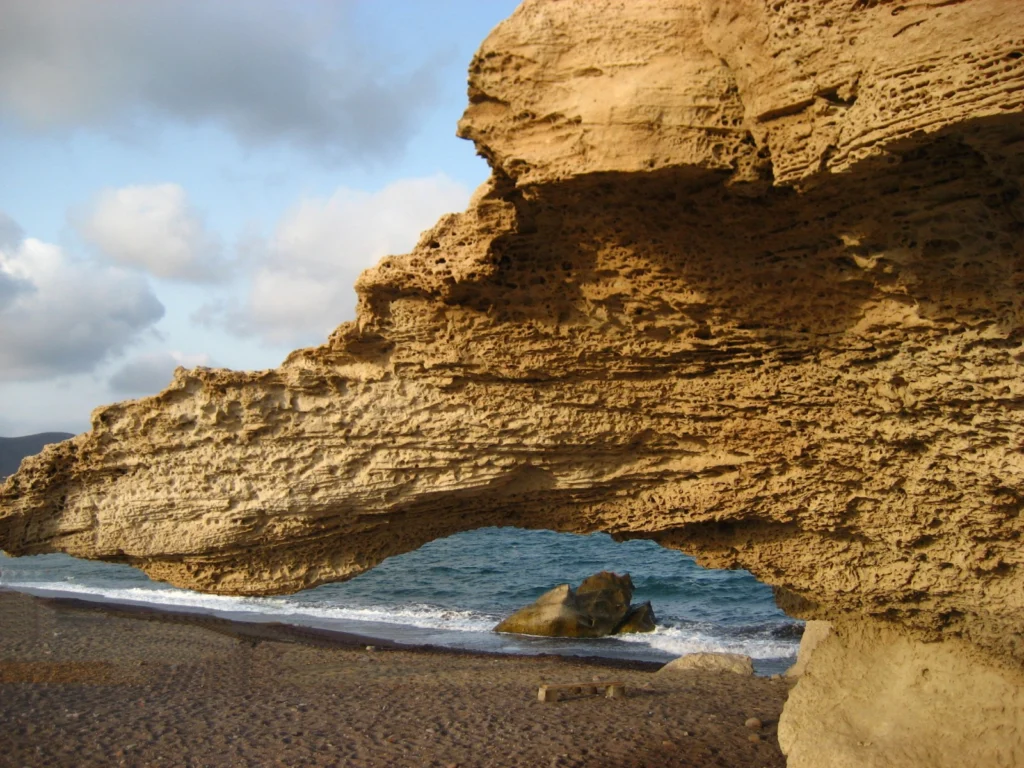
This picture shows a Quaternary aeolianite fossil dune at the Escullos beach, in the Nature Reserve of Cabo de Gata (Almeria, Spain). Originally a soft accumulation of sand grains, shaped by the wind into large mounds and ridges, the dunes eventually turn into rock. As the sediments compact under their own pressure and expel any moisture and fluids retained within them, they become lithified and b ...[Read More]

Imaggeo on Mondays: Fly away, weather balloon

Imaggeo on Mondays: Fly away, weather balloon

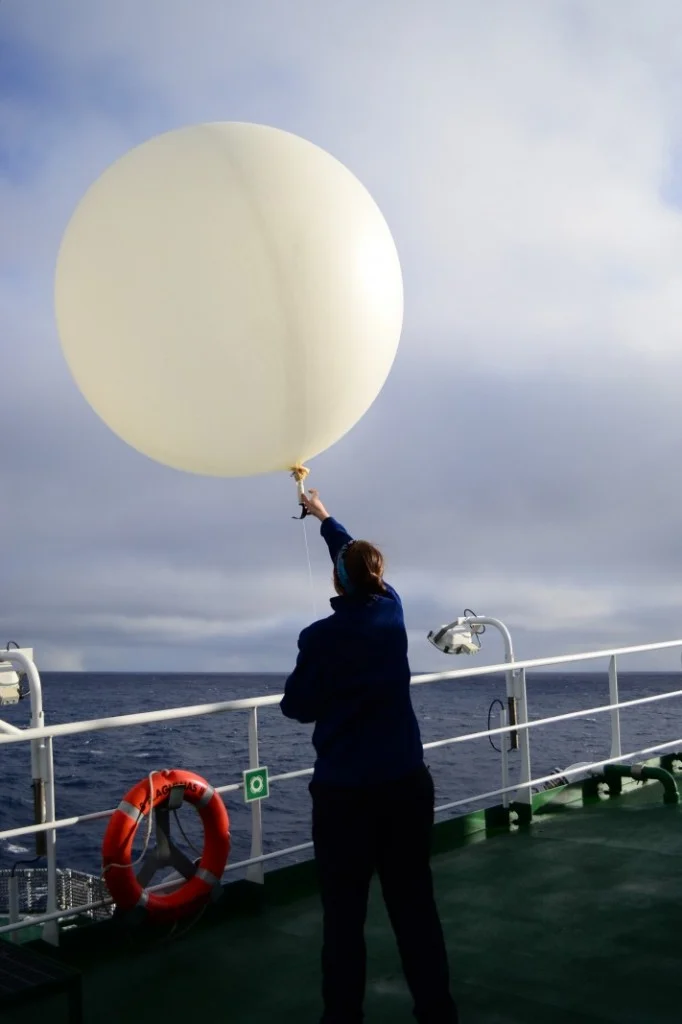
Some aspects of Earth Science are truly interdisciplinary and this week’s Imaggeo on Mondays photograph is testament to that. The maiden voyage of the research cruise SA Agulhas II offered the perfect opportunity to combine oceanographic research, as well as climate science studies. Raissa Philibert, a biogeochemistry PhD student, took this picture of the daily release of a weather balloon by mete ...[Read More]

GeoCinema Online: What a difference technology can make.

Advances in technology mean research that was unthinkable some years ago is now possible. For instance, geographically remote areas which were once out of reach have become more accessible through better (not always easier) transportation, so what we understand by ‘remote areas’ has changed significantly over time. The films in this edition of GeoCinema online are fascinating because they showcase ...[Read More]

Geosciences Column: Adapting to acidification, scientists add another piece to the puzzle

In the latest Geosciences Column Sara Mynott sheds light on recent research into how ocean acidification is affecting the California Current Large Marine Ecosystem. The findings, published in Biogeosciences, reveal large differences between the abilities of different animals to adapt and highlight the urgent need to understand the way a greater suite of species are responding… Large Marine Ecosyst ...[Read More]

GeoTalk: Meet Anna Rabitti, winner of I’m a Geoscientist, Get me out of here!

Earlier this year we ran the first ever I’m a Geoscientist, Get me out of here! event, an online chat-based game show in which school kids vote for their favourite geoscience communicators. In this week’s GeoTalk, Sara Mynott  talks to Anna Rabitti, an oceanography PhD student and winner of this year’s I’m a Geoscientist…   First, for those who haven’t been following I’m a Geoscientist, can y ...[Read More]

GeoEd: Announcing the winner of I’m a Geoscientist!

The last two weeks have been action-packed, with ten schools from seven countries heading online to ask five fabulous geoscientists questions about anything from how the Earth works to what it’s like to be a scientist in the first ever I’m a Geoscientist, Get me out of here! competition. The aim of this thrilling fortnight was to let school kids interact with real geoscientists and challenge their ...[Read More]

Geosciences Column: Did Mediterranean salt change the global climate?

The latest Geosciences Column is brought to you by Annabel Slater, who describes a time of dramatic change in the Mediterranean. Slater shares the results of a recently published Climate of the Past study and sheds light on how – in the context of global climate – a little salt can go a long way… Many of us worry about the effects of too much salt on our health, not its effects on global climate. ...[Read More]

Geosciences Column: Meshing models with the small-scale ocean

The latest Geosciences Column is brought to you by Nikita Marwaha, who explains how a new generation of marine models is letting scientists open up the oceans. The new technique, described in Ocean Science, reveals what’s happening to ocean chemistry and biology at scales that are often hard to model… Diving into the depths of the ocean without getting your feet wet is possible through biogeochemi ...[Read More]