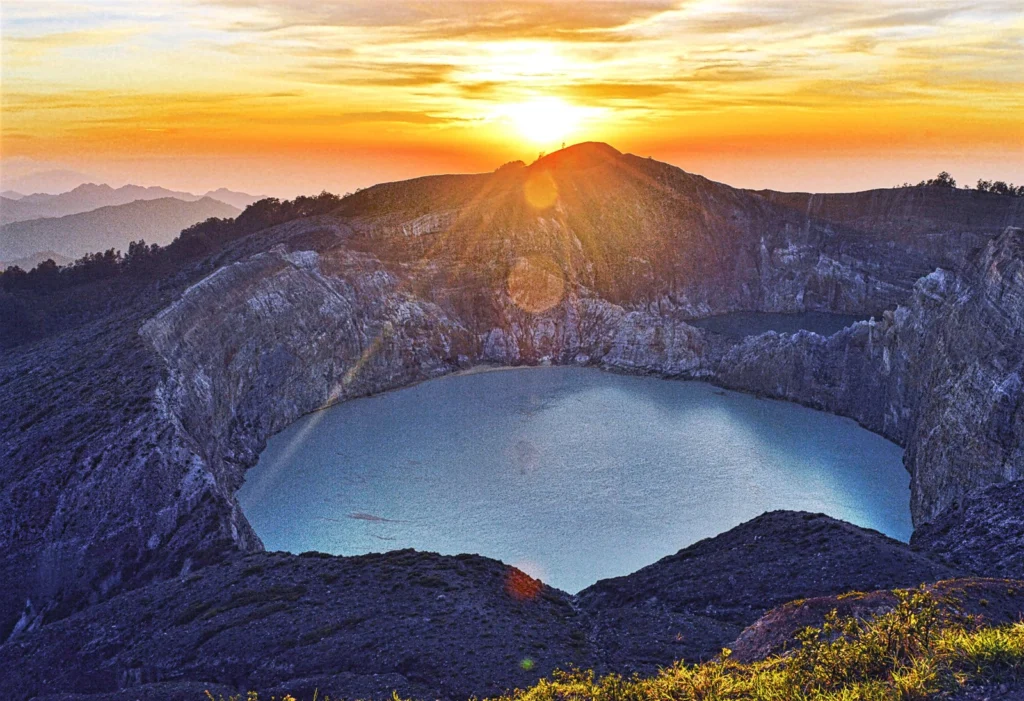
Volcanoes are undeniably home to some of the most beautiful landscapes on Earth. It doesn’t take much imagination to picture slopes of exceedingly fertile mineral rich soils, covered in lush vegetation; high peaks punching through cloud cover offering stunning vistas and bubbling pools of geothermally warmed waters were one can soak ones worries away. What about strikingly coloured crater lakes? Y ...[Read More]
Geomorphology
Imaggeo on Mondays: Storm on the Rock
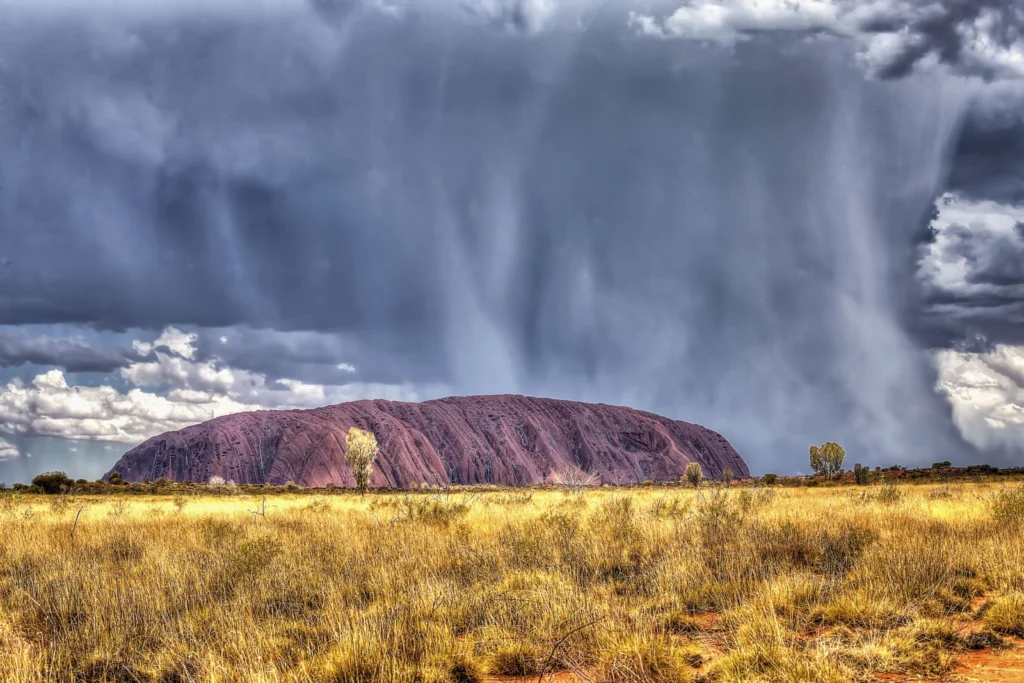
This is a photograph of Uluru, in the Northern Territory of Australia, on a hot and humid summer afternoon. As lightning flashed about, torrential rains swept across the landscape and silver rivulets of water began to rush down the sides of the mountain. Uluru is made of red-coloured Proterozoic arkosic sandstones, a coarse grained lithology rich in quartz and feldspars. However, on rare days such ...[Read More]
Imaggeo on Mondays: Moving images – Photo Contest 2016
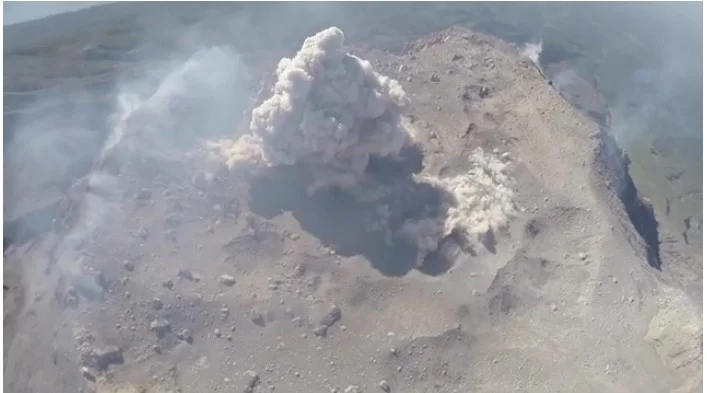
Since 2010, the European Geosciences Union (EGU) has been holding an annual photo competition and exhibit in association with its General Assembly and with Imaggeo – the EGU’s open access image repository. In addition to the still photographs, imaggeo also accepts moving images – short videos – which are also a part of the annual photo contest. However, 20 or more images have to be submitted ...[Read More]
Imaggeo on Mondays: Half dome at sunset
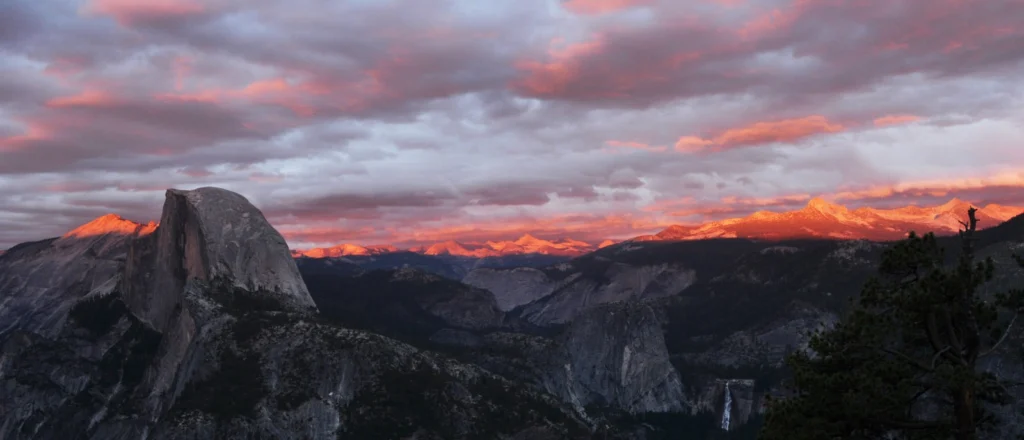
Yosemite’s Half Dome stands, majestic, over a granite dominated terrain in the Yosemite Valley area; one of the most beautiful landscapes in northern America, and arguably, the world – it is also an Earth scientist’ playground. Stamped into the west slope of the Sierra Nevada range, the Yosemite Valley is a collection of lush forests, deep valleys, meandering rivers and streams, all punctua ...[Read More]
Imaggeo on Mondays: Earth Wave
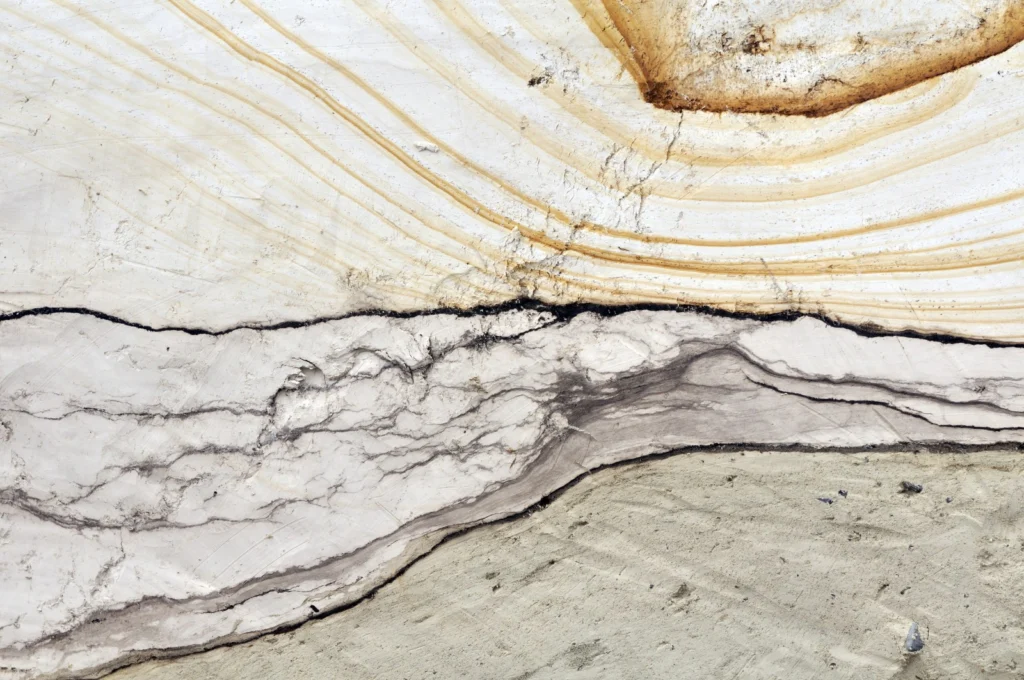
Take a stroll along the norther beaches of the French Channel Coast, some kilometers east from the entrance of the Channel Tunnel, and you’ll encounter an imposing cliff of soft, sandy composition which dominates the landscape. On close inspection, the sediments which make up the Quaternary aged deposits of the Sangatte Cliff, are beautiful, revealing intricate patterns which hold the key to the g ...[Read More]
When mountains collapse…
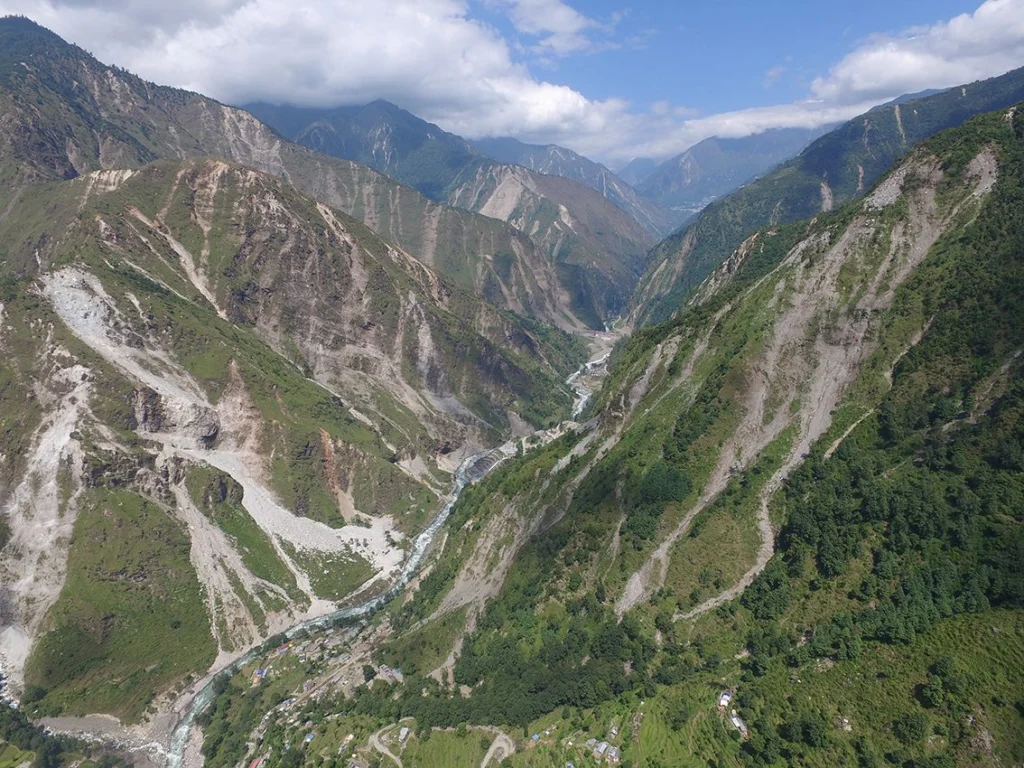
Jane Qiu, a grantee of the Pulitzer Center on Crisis Reporting, took to quake-stricken Nepal last month — venturing into landslide-riddled terrains and shadowing scientists studying what makes slopes more susceptible to failure after an earthquake. The journey proved to be more perilous than she had expected. What would it be like to lose all your family overnight? And how would you cope? It’s wit ...[Read More]
Imaggeo on Mondays: recreating geological processes in the lab
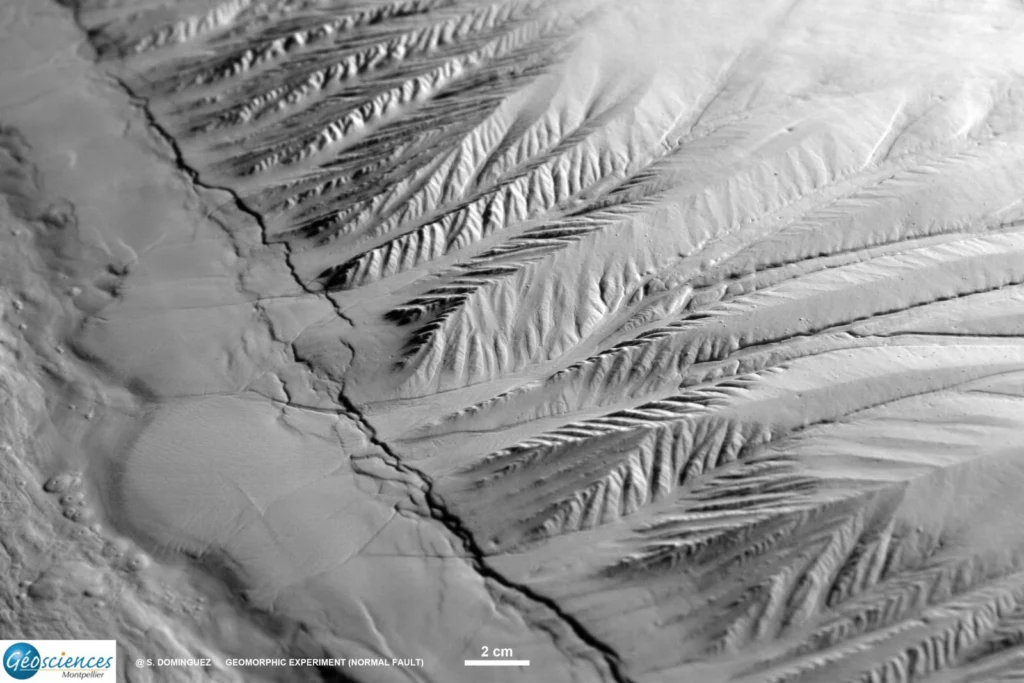
Many of the processes which take place on Earth happen over very long time scales, certainly when compared to the life span of a person. The same is true for geographical scale. Many of the processes which dominate how our planet behaves are difficult to visualise given the vast distances (and depths) over which they occur. To overcome this difficulty, scientists have developed and resorted to a n ...[Read More]
Imaggeo on Mondays: Through the hole
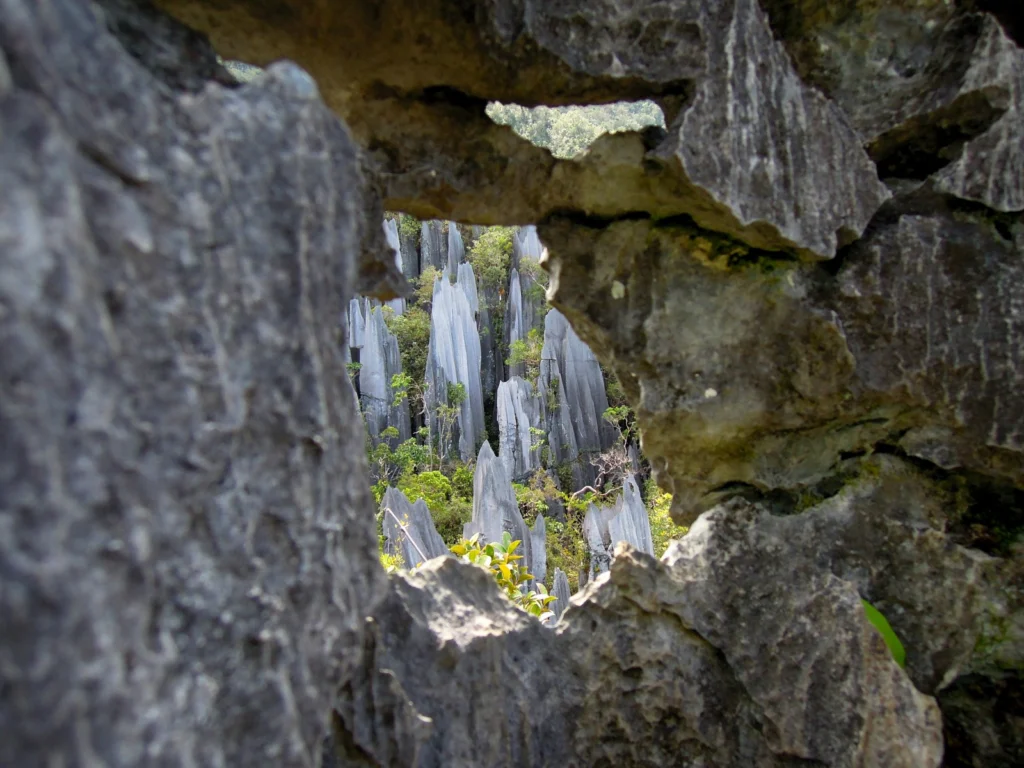
The Gunung Mulu National Park is an area so geologically remarkable and home to such incredibly diverse fauna and flora it has been declared a World Heritage Area. Located on the island of Borneo, the park is famous for its over 100 different palm species and 3500 other plant types. Geologically speaking, a trip though the varied landscapes will be rewarded with views of deep gorges and hidden va ...[Read More]
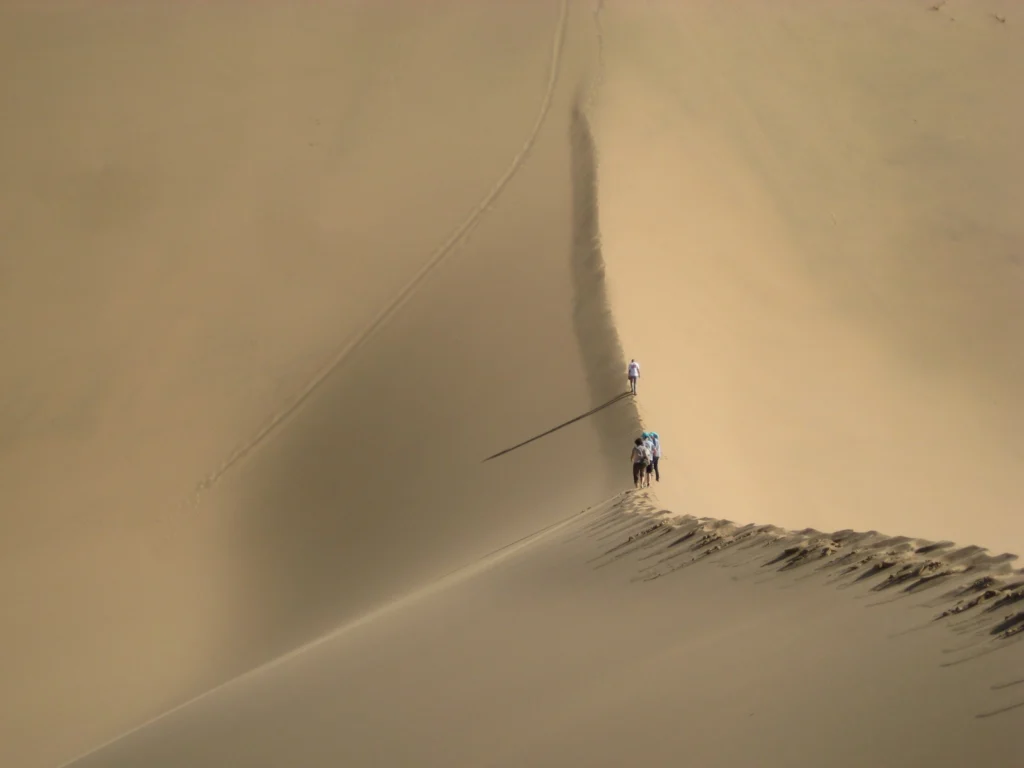
Imaggeo on Mondays: Dune ridge perspective
Imagine taking a hike over soft, ever shifting sands. This is exactly what Martina Klose, a researcher at USDA, did when she captured this beautiful photograph. While most of us will likely think of deserts as inhospitable and static landscapes, they can tell us much about dune forming processes, as Martina explains in today’s blog post. The photograph shows the view down from the crest of a megad ...[Read More]
GeoTalk: Friction in volcanic environments by Jackie Kendrick
Geotalk is a regular feature highlighting early career researchers and their work. In this interview we speak to Jackie Kendrick, a volcanologist at the University of Liverpool, and winner of the 2016 GMPV Outstanding Young Scientist Award. The occasion will be marked during the upcoming General Assembly, where you’ll be able to listen to Jackie speak in session GMPV 1.1 on the topic of friction i ...[Read More]