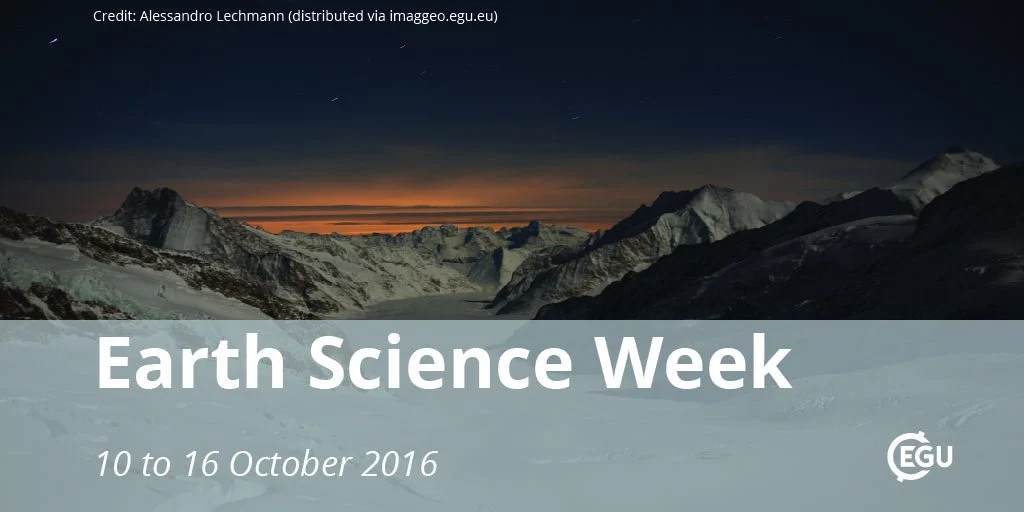
For those not so familiar with the Earth sciences, geosciences and all its subdisciplines might be shrouded in mystery: boring, unfathomable, out of reach and with little relevance to everyday life. Nothing could be further from the truth! Earth Science Week, an international annual celebration founded by the American Geosciences Institute in 1998, aims to change the public’s perception of the ge ...[Read More]
Geomorphology
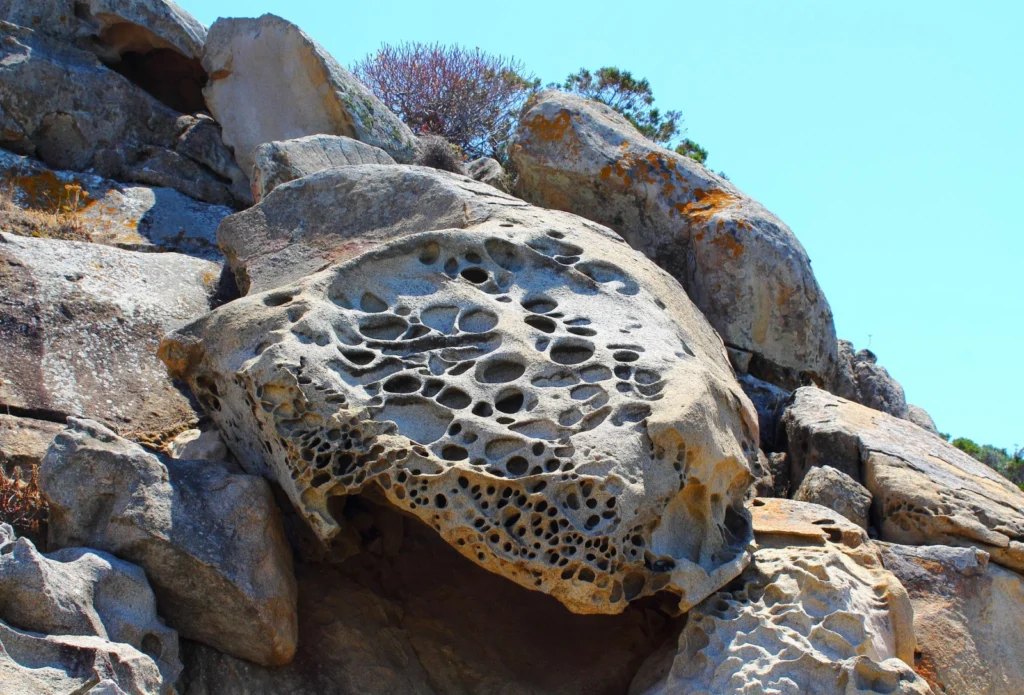
Imaggeo on Mondays: the rocks that look like Swiss cheese
Over the course of centuries and millennia, the force of winds, seas, ice and rains, sculpt rock formations around the globe. From the world-famous glacier carved landscapes of Yosemite National Park, to the freeze-thawed hoodoos at Bryce National Park, through to the wind battered stone pillars of South China Karst, boundless geological formations have been transformed by the power of erosion and ...[Read More]
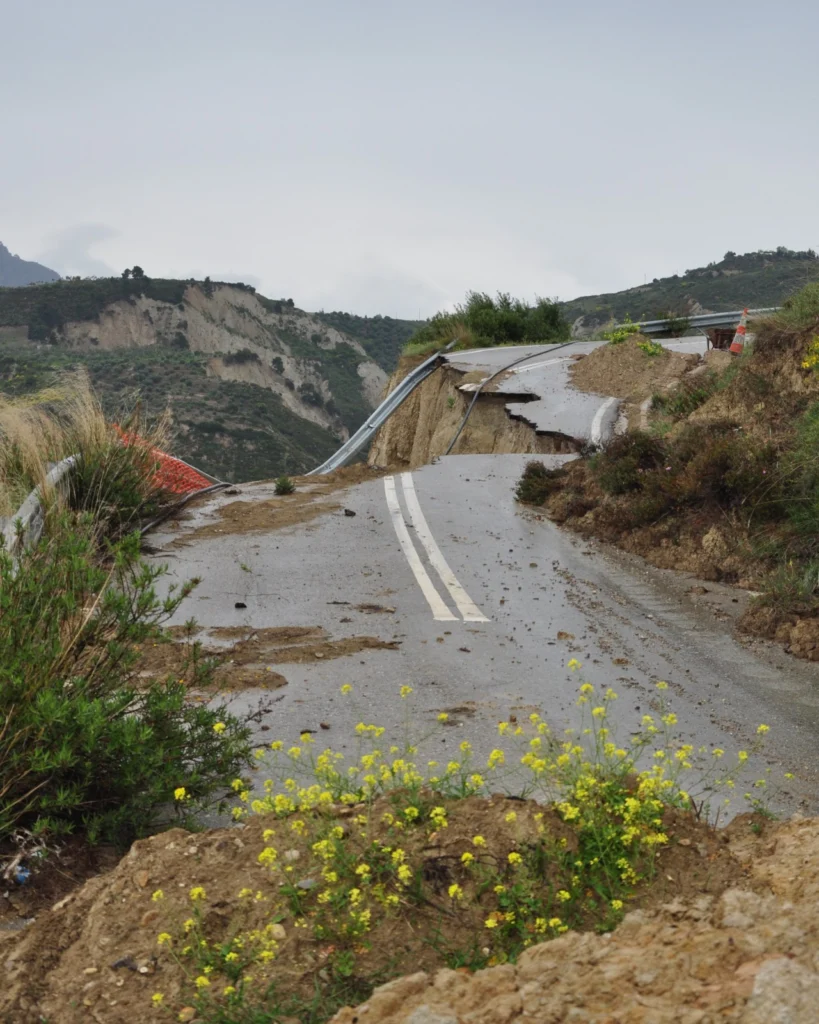
Imaggeo on Mondays: The road to nowhere – natural hazards in the Peloponnese
The Gulf of Corinth, in southern Greece, separates the Peloponnese peninsula from the continental mainland. The structural geology of the region is complex, largely defined by the subduction of the African Plate below the Eurasian Plate (a little to the south). The Gulf itself is an active extensional marine basin, i.e., one that is pulling open and where sediments accumulate. Sedimentary basins r ...[Read More]
Imaggeo on Mondays: Living flows
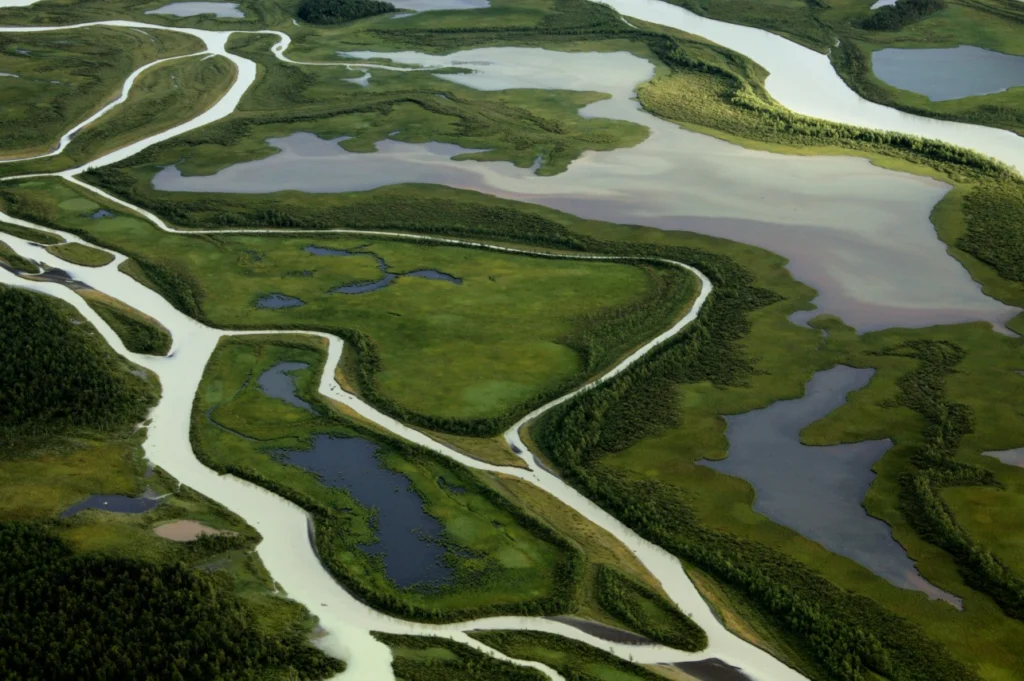
There are handful true wildernesses left on the planet. Only a few, far flung corners, of the globe remain truly remote and unspoilt. To explore and experience untouched landscapes you might find yourself making the journey to the dunes in Sossuvlei in Namibia, or to the salty plain of the Salar Uyuni in Bolivia. But it’s not necessary to travel so far to discover an area where humans have, so far ...[Read More]
Imaggeo on Mondays: Coastal erosion
Coastlines take a battering from stormy seas, gales, windy conditions and every-day wave action. The combined effect of these processes shapes coastal landscapes across the globe. In calm weather, constructive waves deposit materials eroded elsewhere and transported along the coast line via longshore-drift, onto beaches, thus building them up. Terrestrial material, brought to beaches by rivers and ...[Read More]
Imaggeo on Mondays: Glacier de la Pilatte
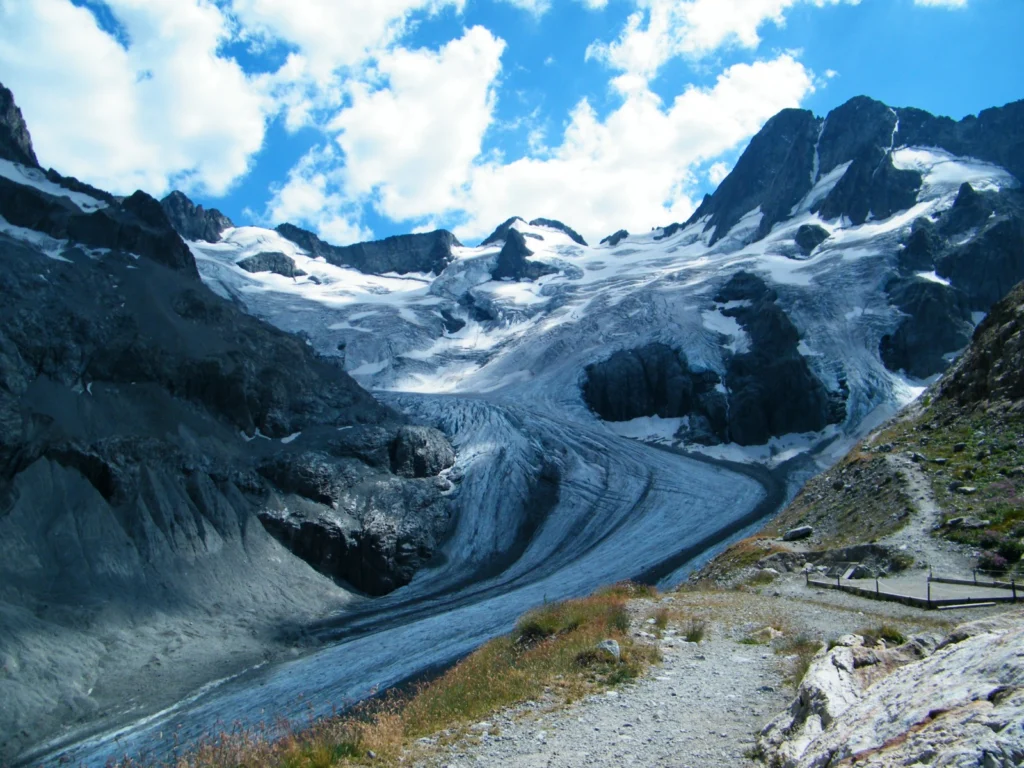
The relentless retreat of glaciers, globally, is widely studied and reported. The causes for the loss of these precious landforms are complex and the dynamics which govern them difficult to unravel. So are the consequences and impacts of reduced glacial extent atop the world’s high peaks, as Alexis Merlaud, explains in this week’s edition of Imaggeo on Mondays. This picture was taken on 20 August ...[Read More]
Imaggeo on Mondays: Rock glaciers
Picture a glacier and you probably imagine a vast, dense mass of slow moving ice; the likes of which you’d expect to see atop the planet’s high peaks and at high latitudes. Now, what if not all glaciers look like that? Take some ice, mix in some rock, snow and maybe a little mud and the result is a rock glacier. Unlike ice glaciers (the ones we are most familiar with), rock glaciers have very litt ...[Read More]
Geosciences Column: The World’s soils are under threat
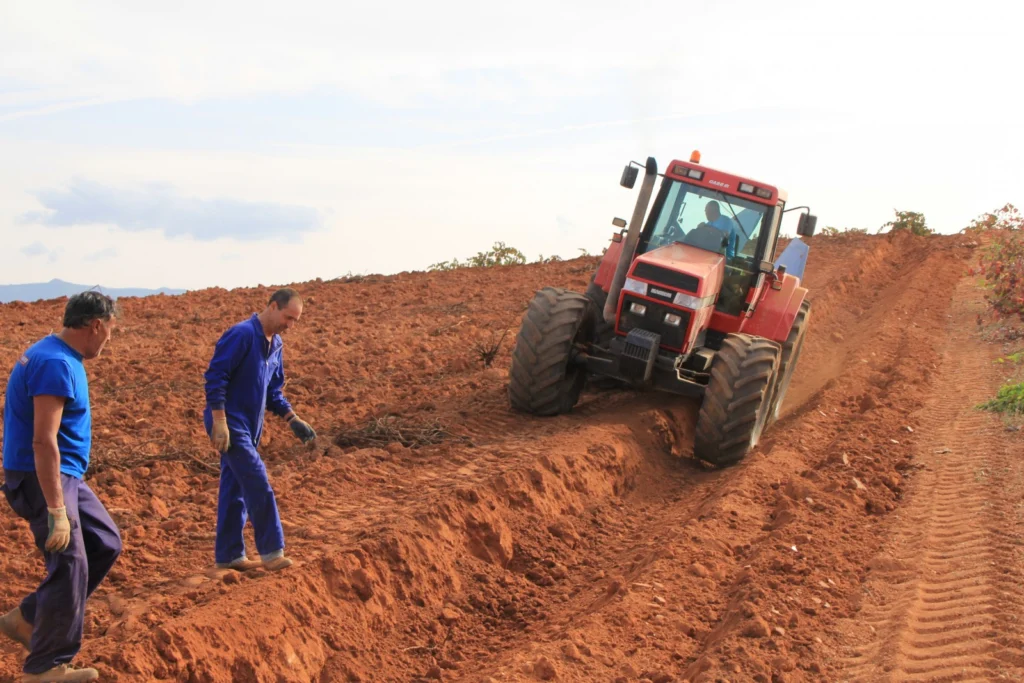
An increasing global population means that we are more dependant than ever on soils. Soils are crucial to securing our future supplies of water, food, as well as aiding adaptation to climate change and sustaining the planet’s biosphere; yet with the decrease in human labour dedicated to working the land, never have we been more out of touch with the vital importance of this natural resource. Now, ...[Read More]
Imaggeo on Mondays: The glacial landscape of Yosemite
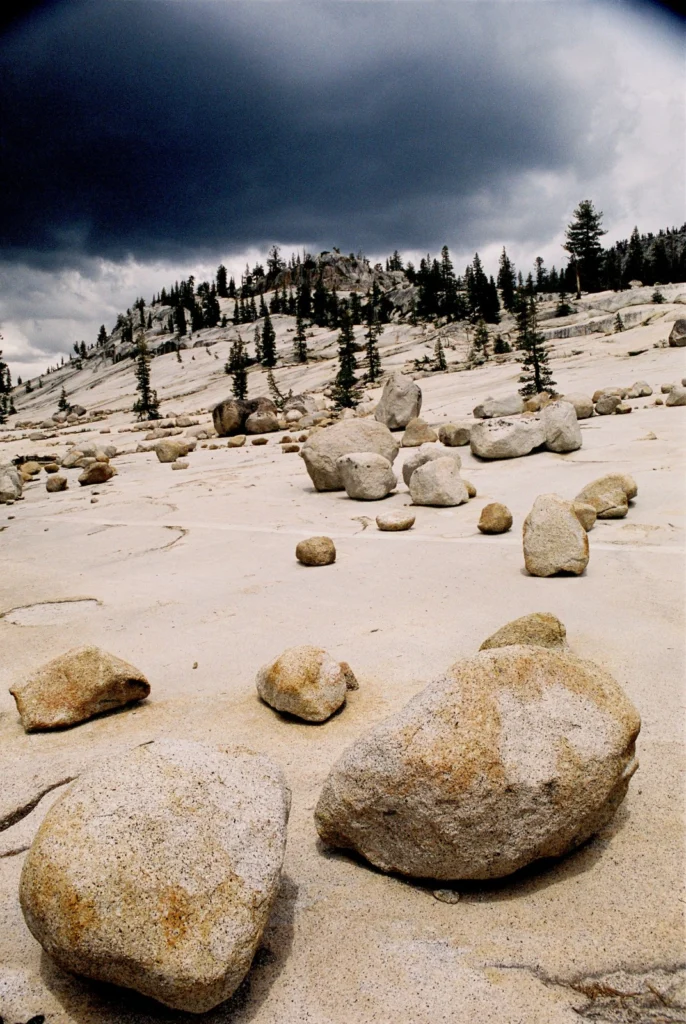
Yosemite National Park, in California, is renowned for its beautiful and striking landscapes. So much so, this is the second time it has feature on the blog this summer. While our last post on the park focused on the ancient volcanic history of its landscape, in this post we fast forward to the Plesitocene (some 110,000 to 12,000 years ago) to discover more about how glaciers shaped Yosemite’s lan ...[Read More]
Geosciences Column: Pollen tells a 7300 year old story of Malta’s climate and vegetation
Figuring out what the climate was like, and how it changed, throughout Earth’s history is like trying to complete a 1000 piece puzzle. Except that scientists usually don’t have all the nuggets and building a comprehensive picture relies on a multidisciplinary approach in order to fill in the blanks. This is particularly true during the Holocene, which spans the last 11,700 years of the Earth’ ...[Read More]