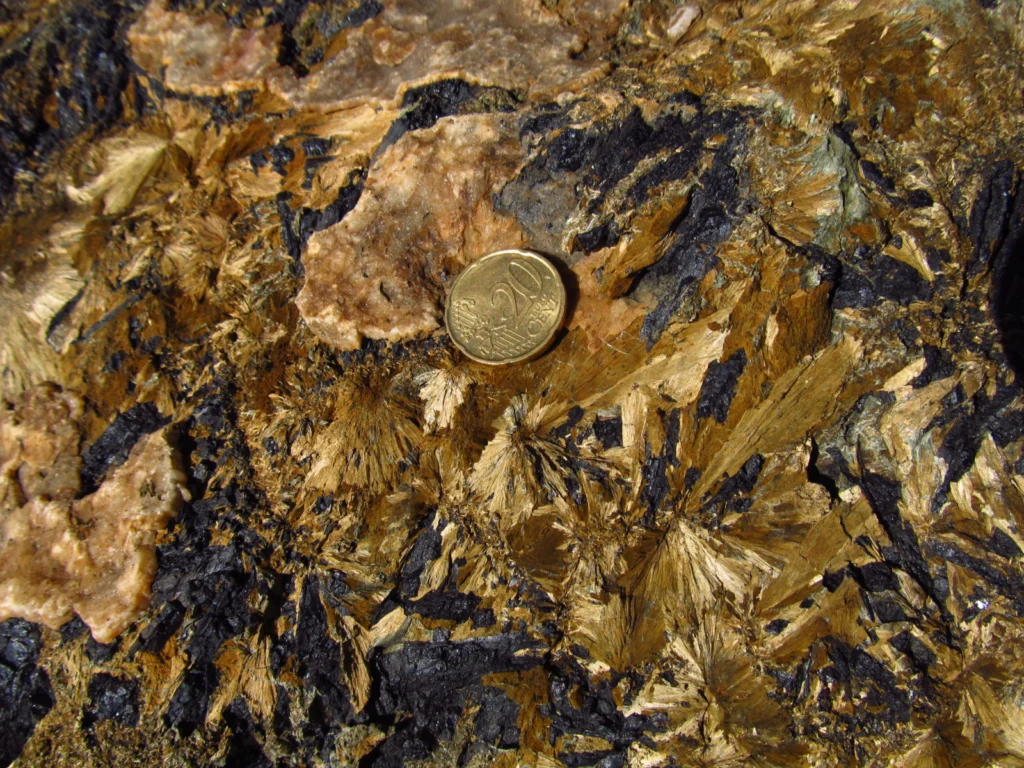
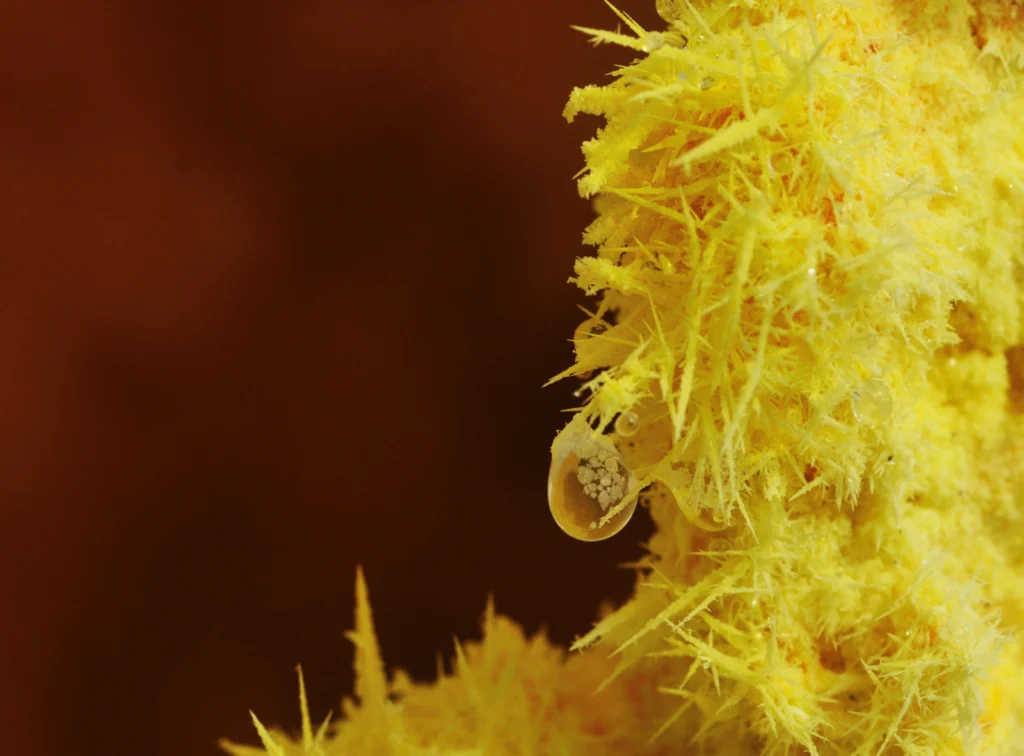
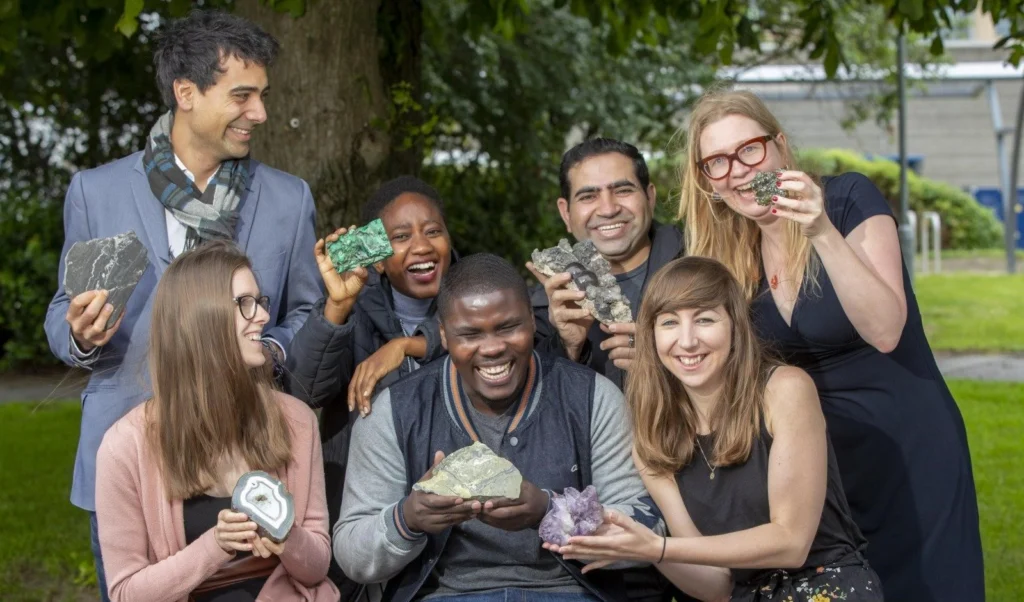
Mineralogy, as a subject, often has a hard time. Despite it’s place at the core of the traditional geological sciences, and its importance in a huge variety of other subjects, mineralogy sometimes has a reputation of being complicated and inaccessible and, well, some people have even called it boring. This is also related to the way that minerals are often hugely misunderstood by non-geoscie ...[Read More]
Energy, Resources and the Environment
#shareEGU20: meet the EGU Early Career Scientist Representatives (pt3)!
Now #shareEGU20 has come to an end, division officers have changed and this includes the Early Career Scientists (ECS) Representatives. Time to meet them! Union-level and Deputy Union-level ECS Representatives Anouk Beniest and Anita Di Chiara Display "Anouk and Anita" from YouTube Click here to display content from YouTube. Learn more in YouTube’s privacy policy (opens in a new t ...[Read More]
Winners of the EGU Best Blog Posts of 2019 Competition
2019 was a brilliant year for our blogging network here at EGU. Across the EGU’s official blog, GeoLog, as well as the network and division blogs there were so many interesting, educational and just downright entertaining posts this year it was hard to get the blog editors to choose their favourites! Nevertheless in December, to celebrate the excellent display of science writing across the network ...[Read More]
Cities of the future
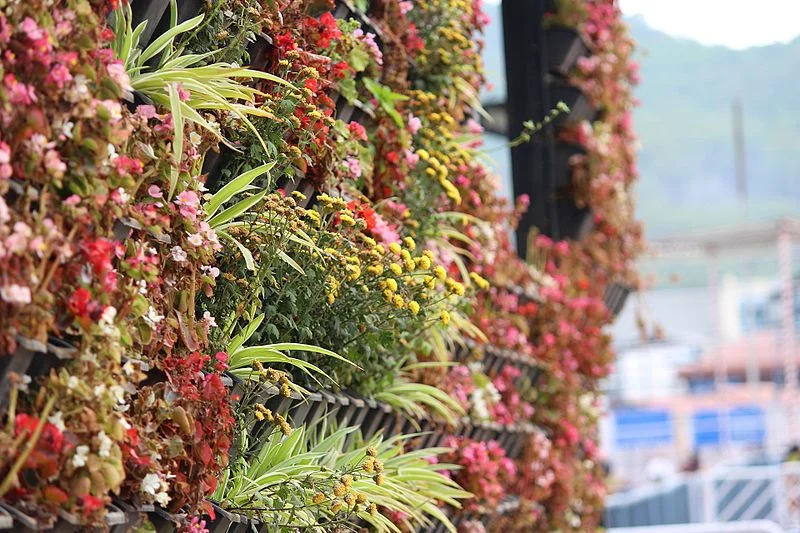
Over half the world’s population lives in cities. Many a metropolis rises high above carpets of concrete and tarmac, vibrant, bustling, and prosperous. But this urban environment comes with many a problem. From poor air quality to hazardous temperatures, there are several dangers present in urban environments. Scientists speaking at the European Geosciences Union General Assembly in Vienna earlier ...[Read More]
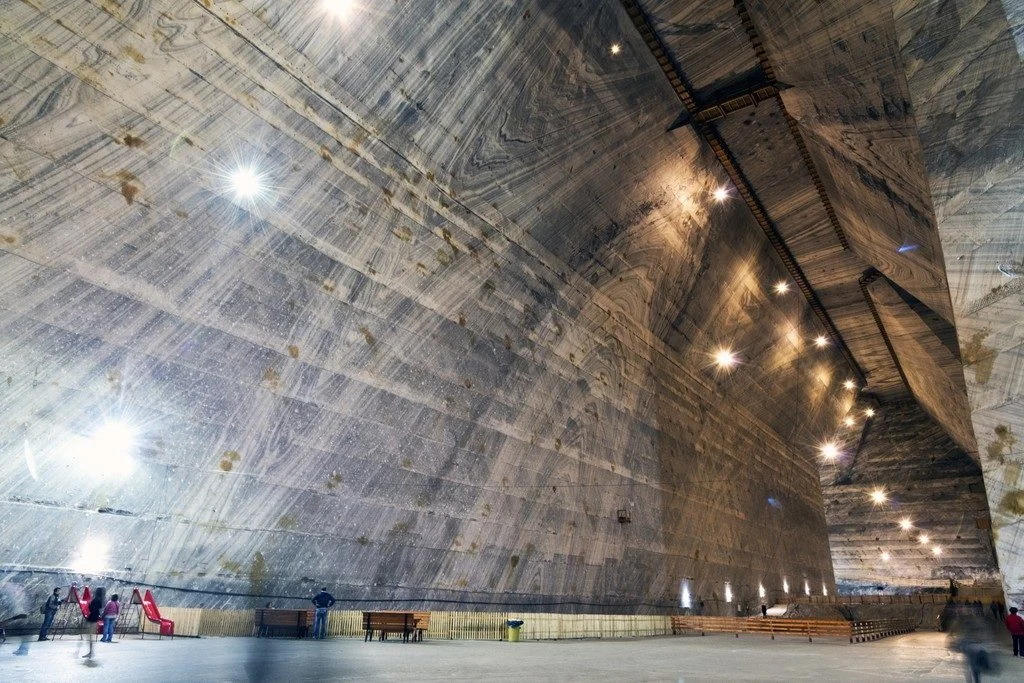
Imaggeo on Mondays: The salt mine carving into the Carpathians
The image gives us a glimpse into the Slănic Salt Mine in central Romania, about 100 kilometres north of the capital city Bucharest. The region was actively mined for almost 30 years, from 1943 to 1970. The Slănic Salt Mine is the largest salt mine in Europe, and the facility consists of 14 large chambers, each more than 50 metres high. The cavities of the mine, more than 200 metres deep, carve in ...[Read More]
The ReSToRE summer school on the sustainable development of Earth resources: reflecting back
How can we source and use Earth resources in an ethical and responsible way? And how can we bring different actors and communities together to achieve sustainable resource development? These are just some of the questions that early career researchers from around the world came together to discuss during the inaugural Researching Social Theories, Resources, and the Environment International Summer ...[Read More]
Pole to Paris: Communicating climate change in a divided society
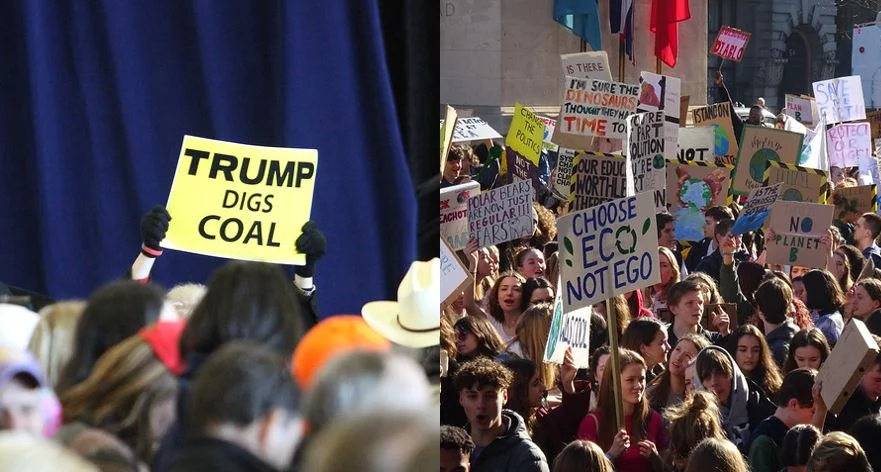
The recent European Parliament election illustrated how divided Europe has become politically and intergenerationally. While the established parties lost their ground, both far-right populistic, anti-EU and liberal, green pro-EU parties grew in popularity among voters1, with the younger generation favoring the latter and the generations above the former2. What role is there for science in this div ...[Read More]
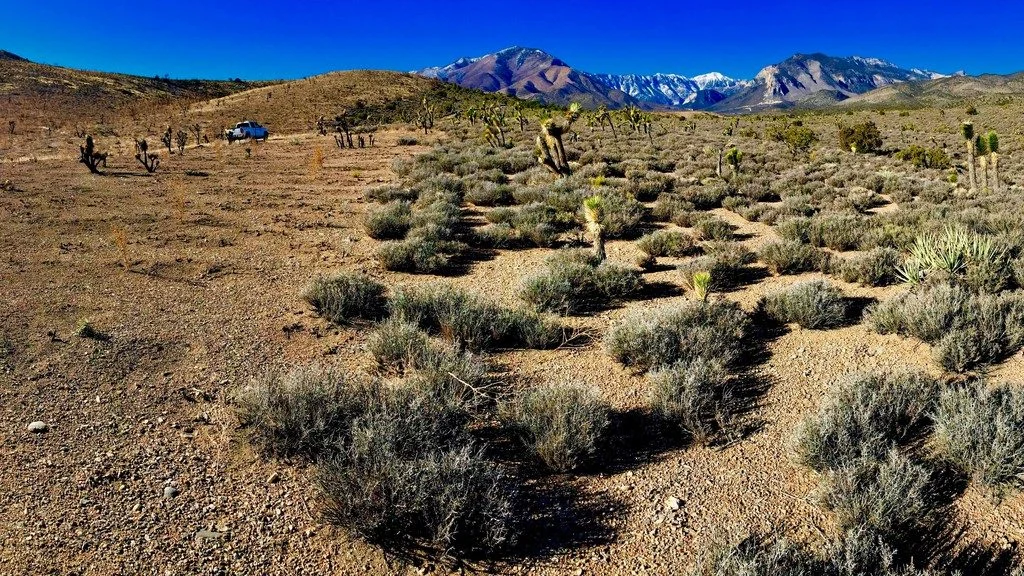
Imaggeo on Mondays: At the edge of a wildfire
The Carpenter 1 fire burned approximately 11,000 ha in the Spring Mountain National Recreation Area (Humboldt-Toiyabe National Forest) near Las Vegas, Nevada between July 1, 2013 and its containment on August 18, 2013. The left side of the photo shows the fire affected arid desert scrub ecosystems at 1500 m (foreground) to subalpine pine ecosystems at 3400 m (background). The foreground of the pho ...[Read More]
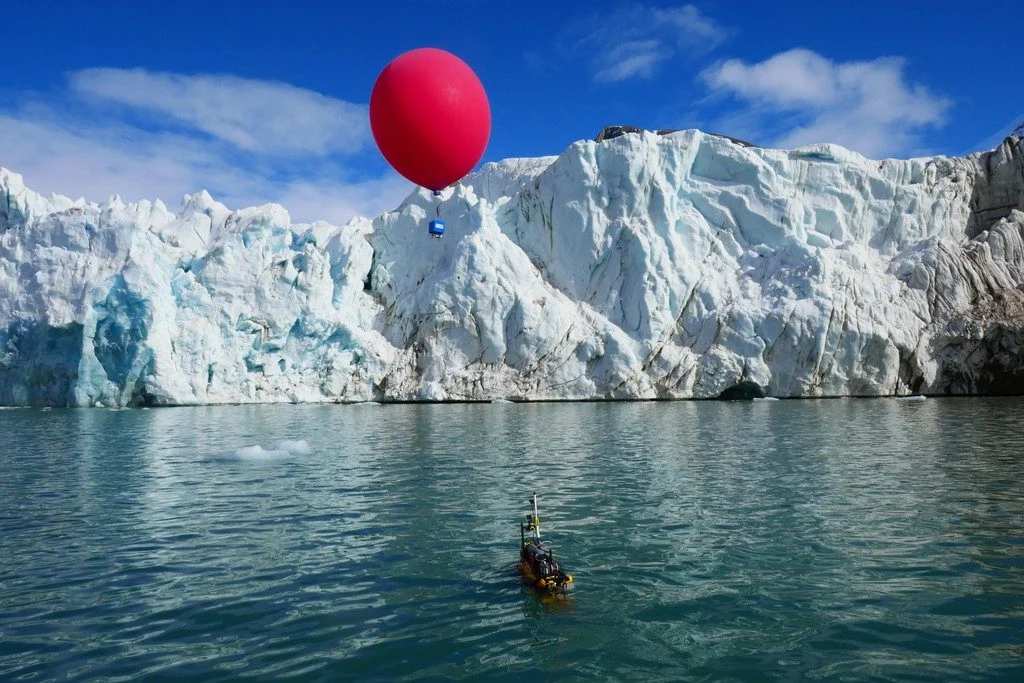
Imaggeo on Mondays: Robotics at the service of the polar science
This picture was taken in the Arctic in May 2018. It shows the unmanned marine vehicle Proteus in front of the tidewater glacier Conwaybreen in the Kongsfjorden in Spitsbergen in the Svalbard Archipelago. The front of tidewater glaciers is an almost vertical wall of ice standing over the sea where direct measurements are very critical due to the possibility of sudden fall of enormous blocks of ice ...[Read More]
Imaggeo on Mondays: Our QUEST for innovative tools to understand changing environments and climates
The photo shown here shows typical sampling work underground. You can see Ola Kwiecien and Cinthya Nava Fernandez, researchers at Ruhr University Bochum in Germany, collecting dripwater in New Zealand’s Waipuna Cave as part of a four-year EU-funded monitoring programme. Our research aims at developing innovative geochemical indicators that we can use to quantify changes in the hydrological system ...[Read More]