GeoLog

Energy, Resources and the Environment

Imaggeo on Mondays: Sand and snow on the Tibetan Plateau

Imaggeo on Mondays: Sand and snow on the Tibetan Plateau

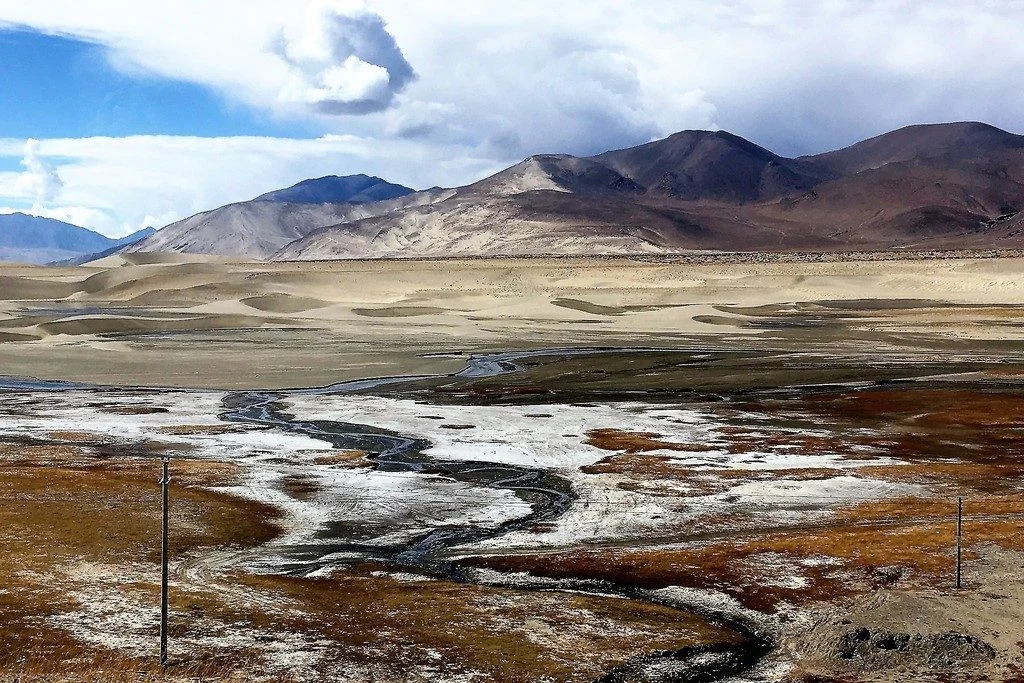
Roughly 50 million years ago, the Eurasian and Indian continental plates began to crash into each other, dramatically changing the landscape of modern-day Asia. The force of the collision caused the Earth to scrunch together at the zone of impact, subsequently forming the Himalayan mountain range. However, to the north of the crash, a stretch of the Earth uplifted without bunching up or wrinkling; ...[Read More]

Imaggeo on Mondays: A painted forest fire

Imaggeo on Mondays: A painted forest fire

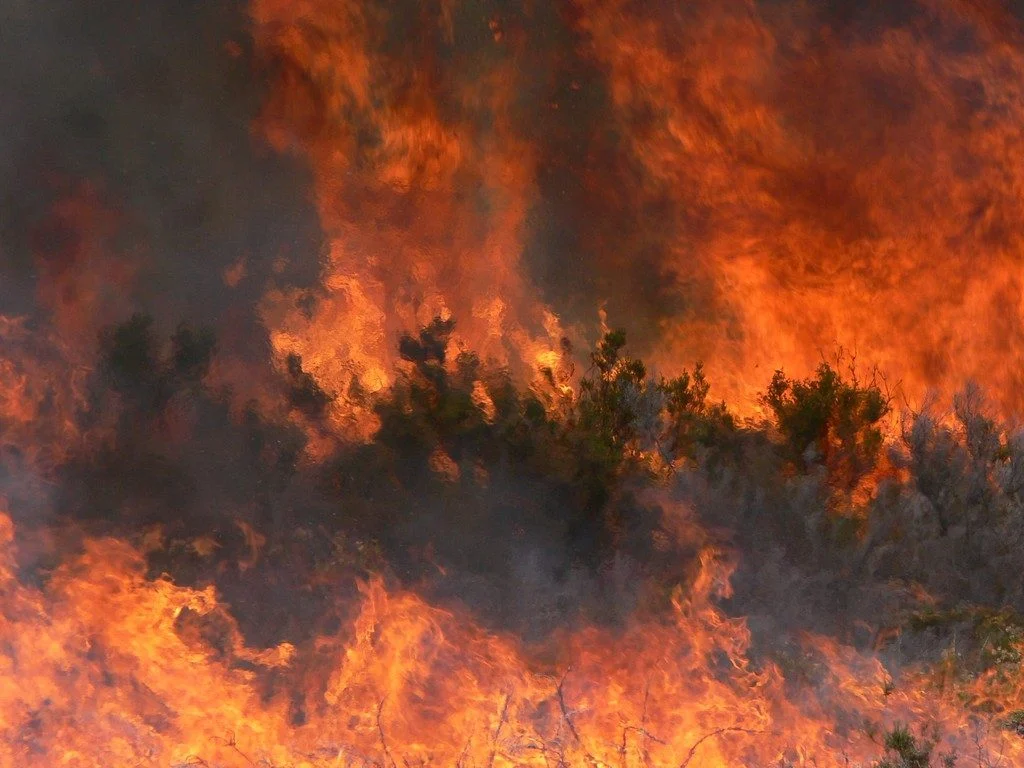
This week’s featured image may appear to be a painted landscape, but the picture is in fact a photo, taken ten years ago by Victoria Arcenegui, an associate professor at Miguel Hernández University in Spain, during a controlled forest fire in northern Portugal. The blaze is actually hot enough to distort the image, making some of the flames appear as brush strokes, beautifully blurring together th ...[Read More]

Imaggeo on Mondays: Indonesian mangroves and tsunamis

Imaggeo on Mondays: Indonesian mangroves and tsunamis

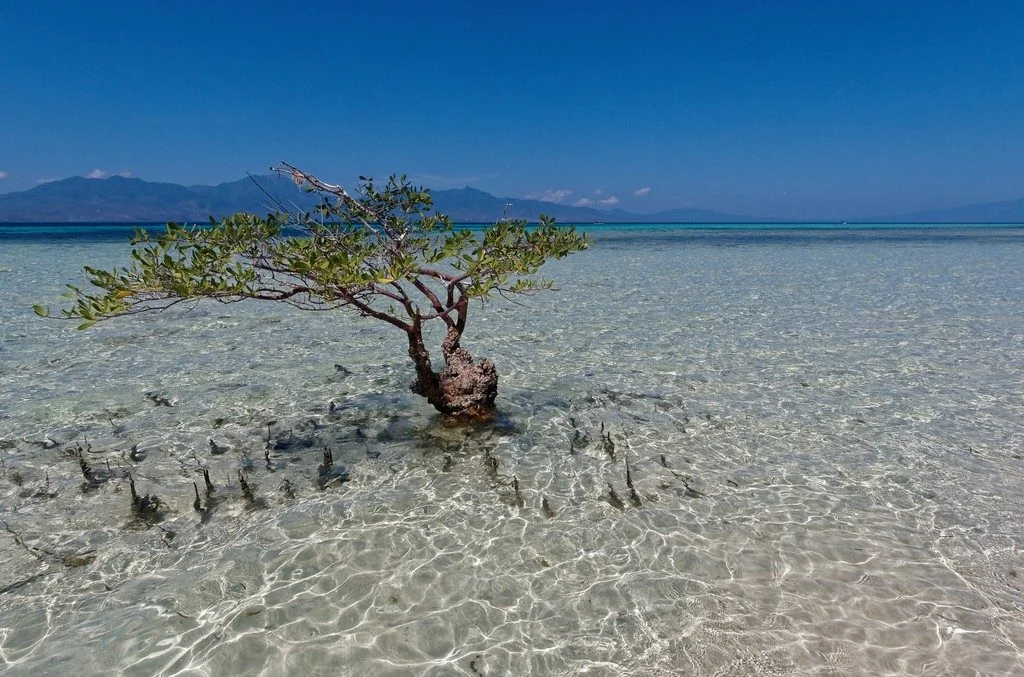
Pictured here is a solitary mangrove tree, rooted off the northern coast of the Indonesian island Flores. While this tree has the shallow sandy reef to itself, mangroves are often found clumped together in large forests covering tropical and subtropical coastlines. The propped-up roots of mangrove trees often tangle together, creating a dense natural barrier that can weaken the coastal impact of o ...[Read More]

GeoTalk: “Grown-ups are not focusing on the plastic problem, not as much as I want them to”

GeoTalk: “Grown-ups are not focusing on the plastic problem, not as much as I want them to”

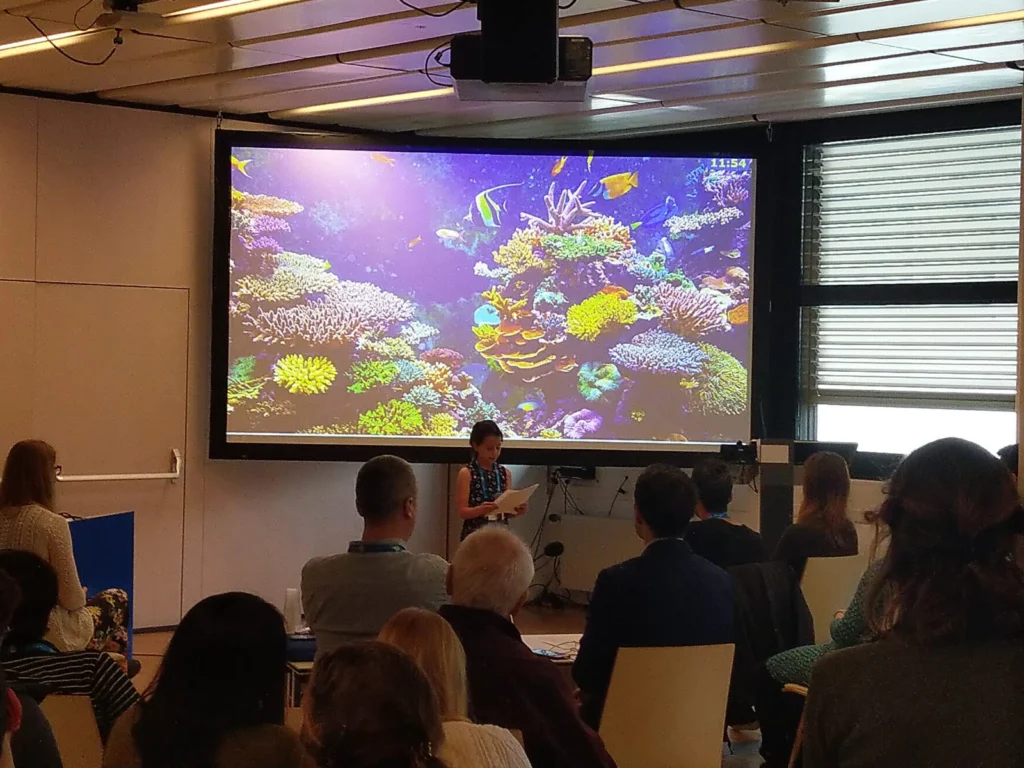
Lucie Parsons, a ten-year old girl from the small village of Walkington, in England, is on a personal mission to save the environment from plastic pollution. After seeing on the BBC Blue Planet II documentary how litter in the ocean is damaging ecosystems, she decided to take action. Now she gives talks and is co-researcher in her mother’s PhD on climate change and the youth voice. Lucie has come ...[Read More]

First evidence of microplastics on mountain glaciers

First evidence of microplastics on mountain glaciers

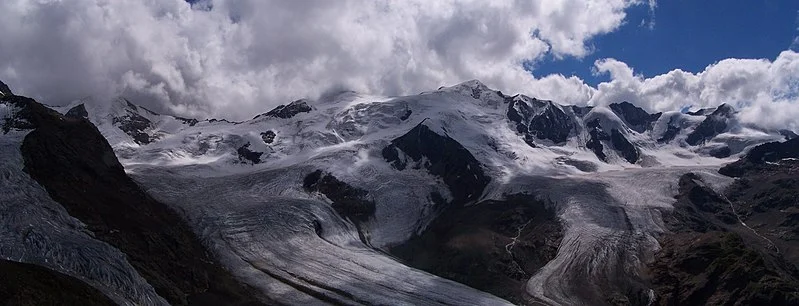
We tend to think of glaciers as spotless pristine settings. But “if plastic is everywhere, why not on the surface of glaciers?” This occurred to Roberto Sergio Azzoni, a professor of environmental science and policy at the University of Milan in Italy, who decided to find the answer to this question for himself. At the European Geosciences Union General Assembly in Vienna, Azzoni and his team pres ...[Read More]

Imaggeo on Mondays: Exploring the underground cryosphere

Imaggeo on Mondays: Exploring the underground cryosphere

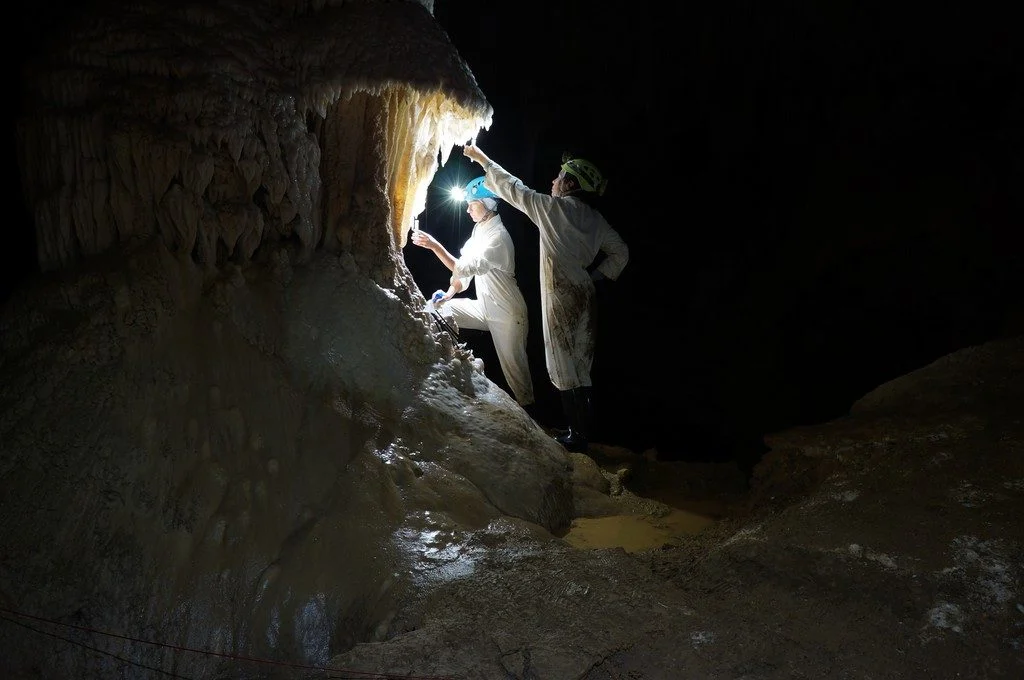
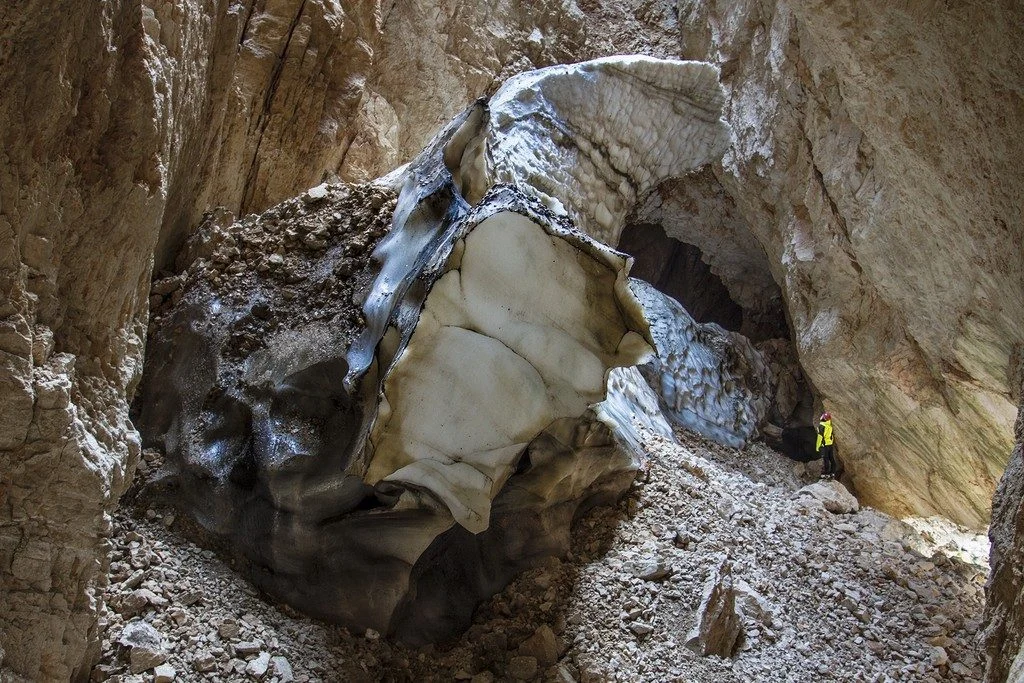
The winter season is a good time to take advantage of cold weather activities, whether that’s hitting the ski slopes or warming up by a fire, but for Renato R. Colucci, it’s also one of the best time’s to study the Earth’s underground cryosphere. Colucci, who took this featured photograph, is a researcher at Italian Institute for Marine Sciences (ISMAR) of the National Research Council (CNR) and i ...[Read More]

Make your EGU 2019 experience more environmentally friendly

Make your EGU 2019 experience more environmentally friendly

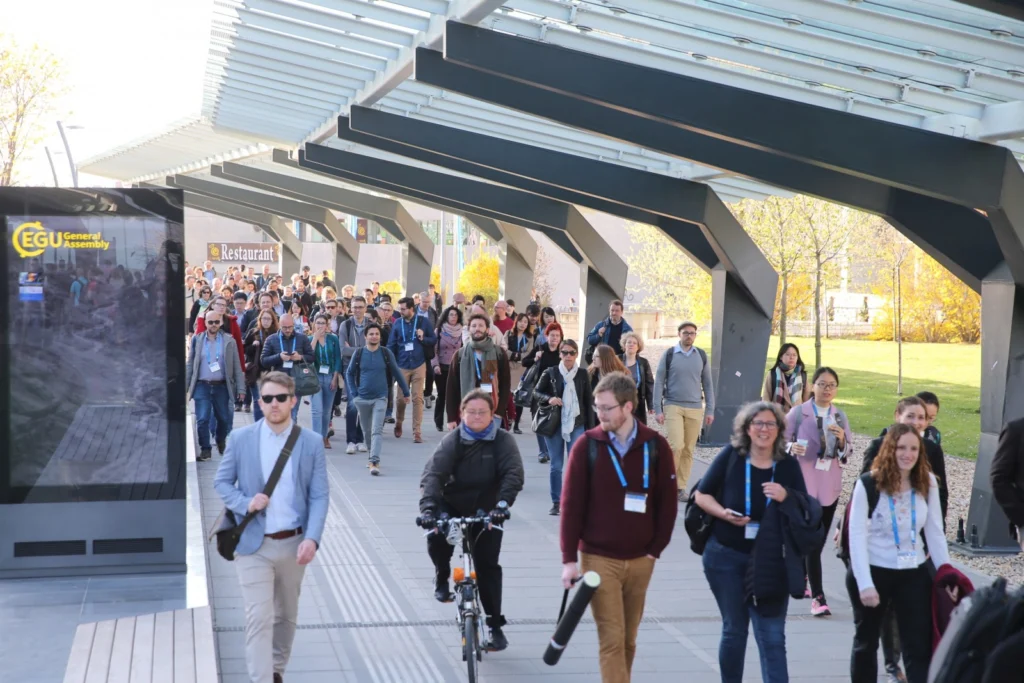
The annual EGU General Assembly, the largest geoscience conference in Europe, attracts more than 15,000 attendees to Vienna, Austria every year. With such a large number of participants, many flying to the Austrian capital to attend, the meeting has a large environmental impact. Given this, the EGU is implementing a number of initiatives towards minimising the General Assembly’s carbon footprint. ...[Read More]

Imaggeo on Mondays: Patterns in the peatland

Imaggeo on Mondays: Patterns in the peatland

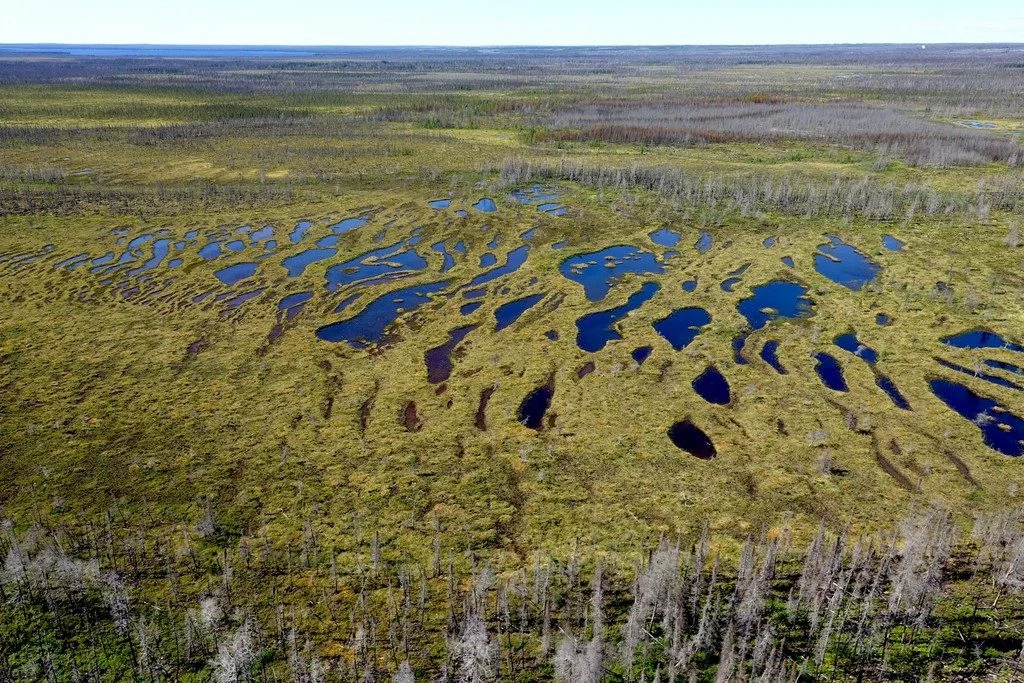
This magnificent pattern is the result of hundreds and hundreds of years of evolution. In this structured minerotrophic peatland in Northern Quebec (Canada), which can also be called a string fen or aapa mire, the green peat ridges (or strings) alternate with water-filled hollows (or flarks). Often flarks are replaced by ponds, which vary in number and size. This pattern of strings and flarks (or ...[Read More]

Geosciences Column: Scientists pinpoint where seawater could be leaking into Antarctic ice shelves

Geosciences Column: Scientists pinpoint where seawater could be leaking into Antarctic ice shelves

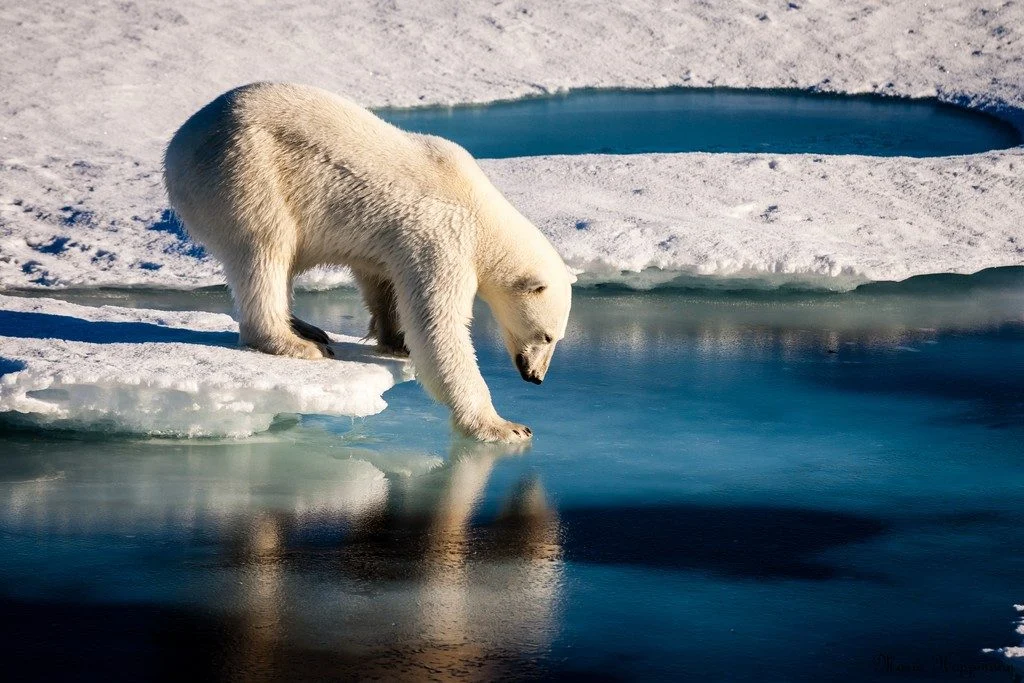
Over the last few decades, Antarctic ice shelves have been disintegrating at a rapid rate, likely due to warming atmospheric and ocean temperatures, according to scientists. New research reveals that one type of threat to ice shelf stability might be more widespread that previously thought. A study recently published in EGU’s open access journal The Cryosphere identified several regions in Antarct ...[Read More]