GeoLog

Energy, Resources and the Environment

GeoPolicy: Science for Policy Internships & Traineeships – a regularly updated list

GeoPolicy: Science for Policy Internships & Traineeships – a regularly updated list

Internships and traineeships are a great way to gain a better understanding of the political system and how policymakers use scientific evidence! This month’s GeoPolicy Blog post highlights various European-based opportunities that researchers can apply for. Understanding Europe’s political landscape and the information that policymakers need to make evidence-informed decisions is one of the most ...[Read More]

GeoPolicy: From research to regulation – unpacking the EU Soil Directive

GeoPolicy: From research to regulation – unpacking the EU Soil Directive

This month’s GeoPolicy Blog post unpacks the Directive on Soil Monitoring and Resilience, it’s impacts from research to regulation and how scientists can get involved with it. It can be challenging for scientists to understand and engage with the European policymaking process. The intricacies and nuances of the legislative process, with its numerous institutions, committees, and political pr ...[Read More]

International Archaeology Day: Challenging stereotypes about migration

International Archaeology Day: Challenging stereotypes about migration

Discoveries like excavations of prehistoric civilizations, shipwrecks with long-lost treasures, forgotten cities, and ancient tombs and temples, paint a vivid picture of archaeology and human history. Yet understanding how cultures evolved is often a more laborious process focused on prosaic finds; pottery shards, tools, implements, skeletal remains, art, inscriptions, pollen or soil samples, amon ...[Read More]

Winners announced: Here are the best EGU Blog Posts of 2022!

Winners announced: Here are the best EGU Blog Posts of 2022!

As future-focused as we like to be at EGU, we sometimes pause to look back at the year gone by – just a brief glimpse to appreciate all the good work of 2022! As always, we had so many inspiring and thought-provoking blog posts published this year across the EGU’s official blog GeoLog and division blogs. Thank you to each of you for your writing contribution! To continue our annual appreciation fo ...[Read More]

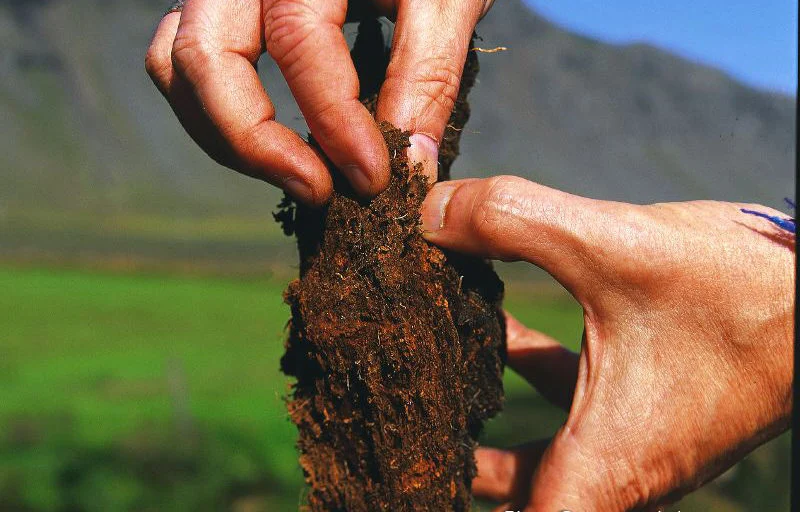
When nature isn’t “natural”: Reflections on World Wetlands Day

Credit: Ragnar Sigurdsson (distributed via imaggeo.egu.eu)

In 1821, peat cutters discovered a body similar to a mummy, pinned down by two wooden stakes deep in the mud. The body’s face still held red hair and a beard, their teeth were well preserved, and a hoop of willow was wrapped around their throat. But this wasn’t the dry, hot climate of Egypt but a cold and rain-sodden bog of Ireland. Later assessment suggested that these were the remain ...[Read More]

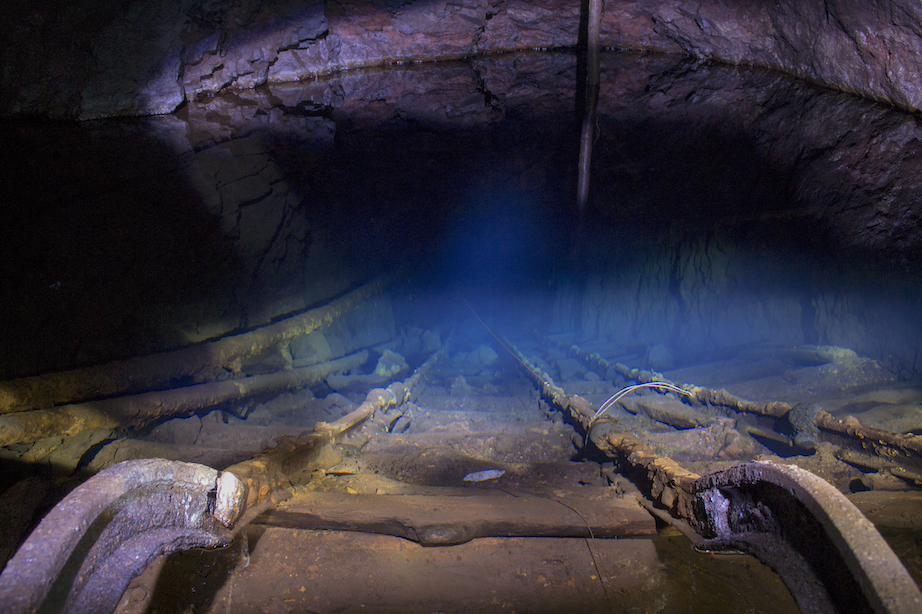
Imaggeo On Monday: Hidden treasures into the earth

Imaggeo On Monday: Hidden treasures into the earth

Since the Iron age, the Apennine Ligurian mountains were exploited by several mines of manganese, flint and copper. All of them are now abandoned and preserve an amazing environment. They are saving archeological mining heritage and concealing deepest earth ‘s secrets. Photo by Matteo Del Soldato, as described on imaggeo.egu.eu.   Imaggeo is the EGU’s online open access geosciences imag ...[Read More]

Imaggeo On Monday: Marble quarry west of Alicante, Spain

Imaggeo On Monday: Marble quarry west of Alicante, Spain

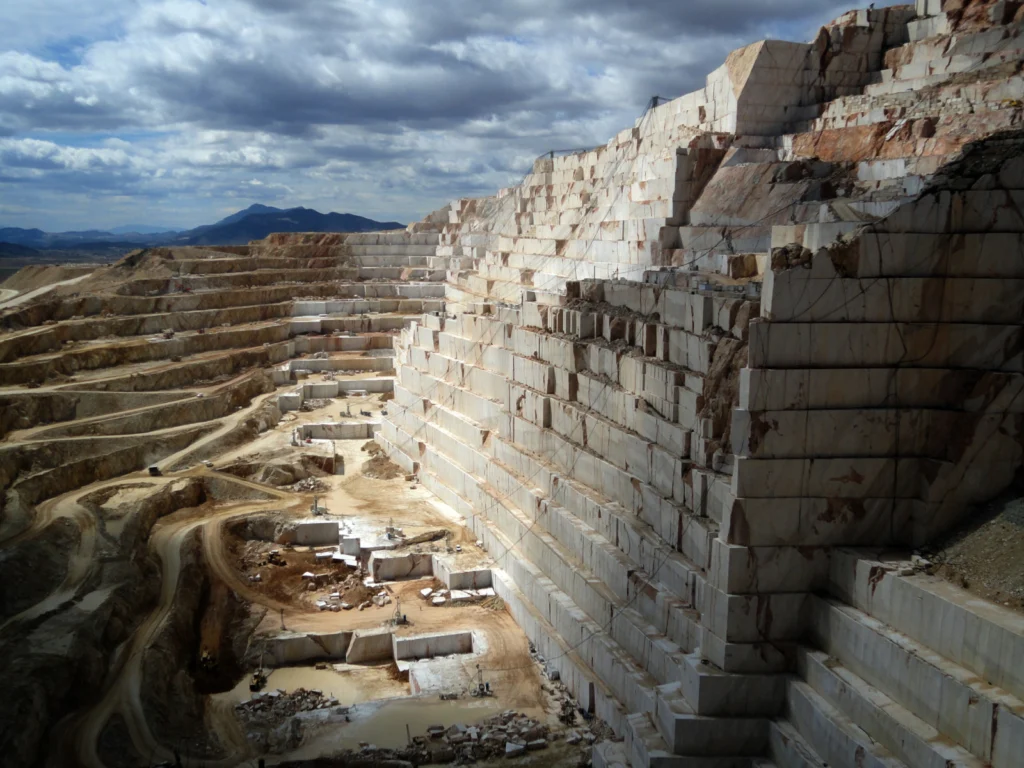
The largest marble quarry in Europe is located at Monte Coto next to Pinoso in the Spanish Alicante province. Here an Eocene limestone named “Crema Marfil” is exploited on a large scale.   Photo by Christoph Mayr, as described on imaggeo.egu.eu.   Imaggeo is the EGU’s online open access geosciences image repository. All geoscientists (and others) can submit their photographs ...[Read More]

This World Biofuel Day, we look to the future with optimism

This World Biofuel Day, we look to the future with optimism

Fossil fuels have dominated the global energy market for centuries, and so most people find it surprising to learn that the first ever diesel engine (1892) was run entirely on peanut oil. German engineer Sir Rudolf Diesel who built the engine was almost prophetic when he said the use of vegetable oils for engine fuels “may seem insignificant today, but such oils may become in course of time as imp ...[Read More]

Imaggeo On Monday: Works of art – works of muck

Imaggeo On Monday: Works of art – works of muck

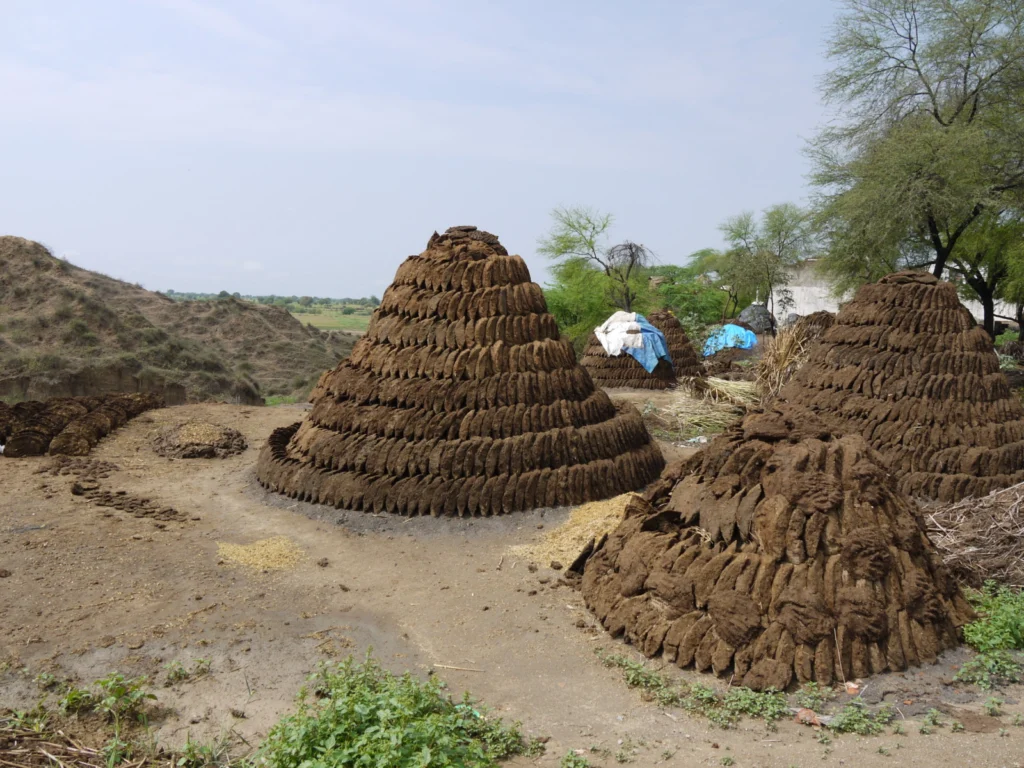
Dung cakes made from buffalo manure are artfully piled up in a village in Madhya Pradesh. Used as fuel for cooking fires, they are a sustainable energy source in rural areas of India, but add to air pollution by biomass burning.   Photo by Irene Marzolff, as described on imaggeo.egu.eu.   Imaggeo is the EGU’s online open access geosciences image repository. All geoscientists (and others) ...[Read More]

Imaggeo On Monday: Beech leaves on burned ground

Imaggeo On Monday: Beech leaves on burned ground

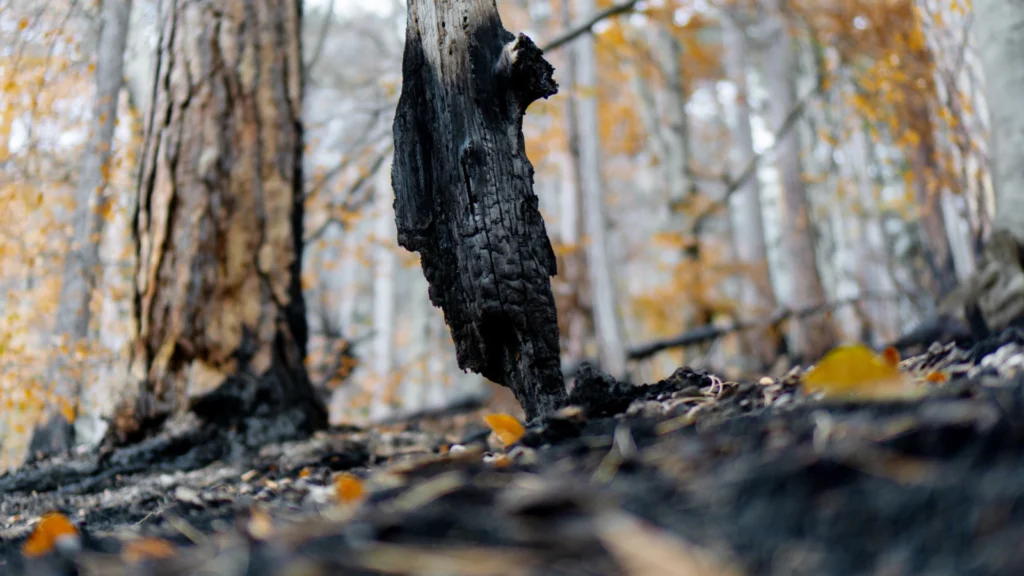
A charred pine cone lies on the ground of a mixed beech-pine forest following a forest fire in the Rax-Schneeberg region of Austria in 2021. The charred pine cone and litter are surrounded by unburned yellow beech leaves that fell to the ground after the surface fire. Pyrogenic carbon such as the charred pine cone can remain stable in the environment for extended periods of time and can affect bio ...[Read More]