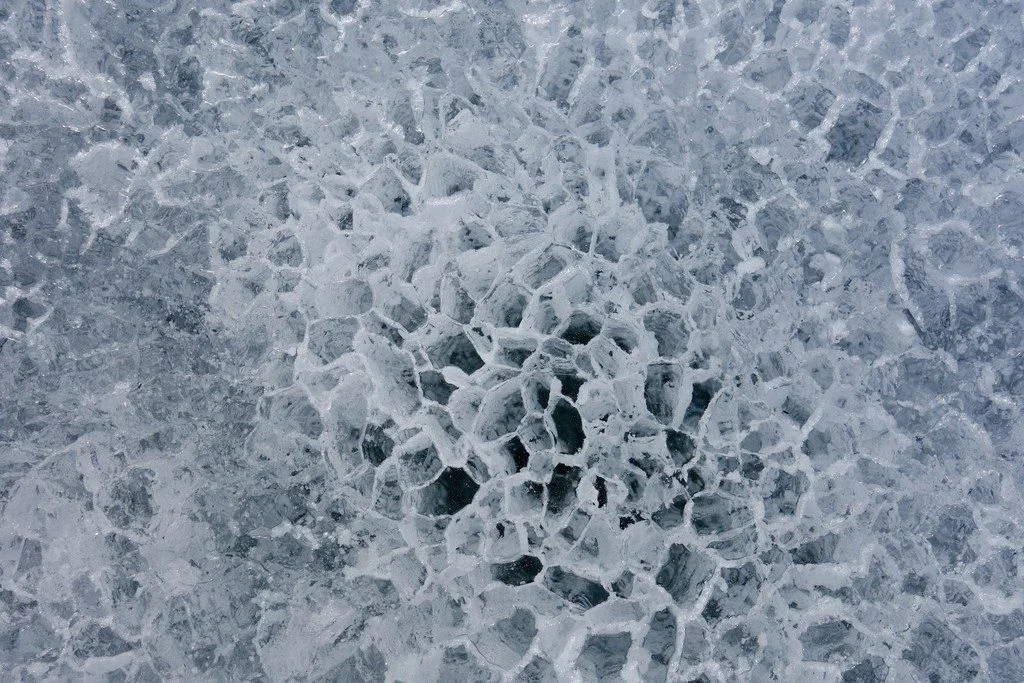
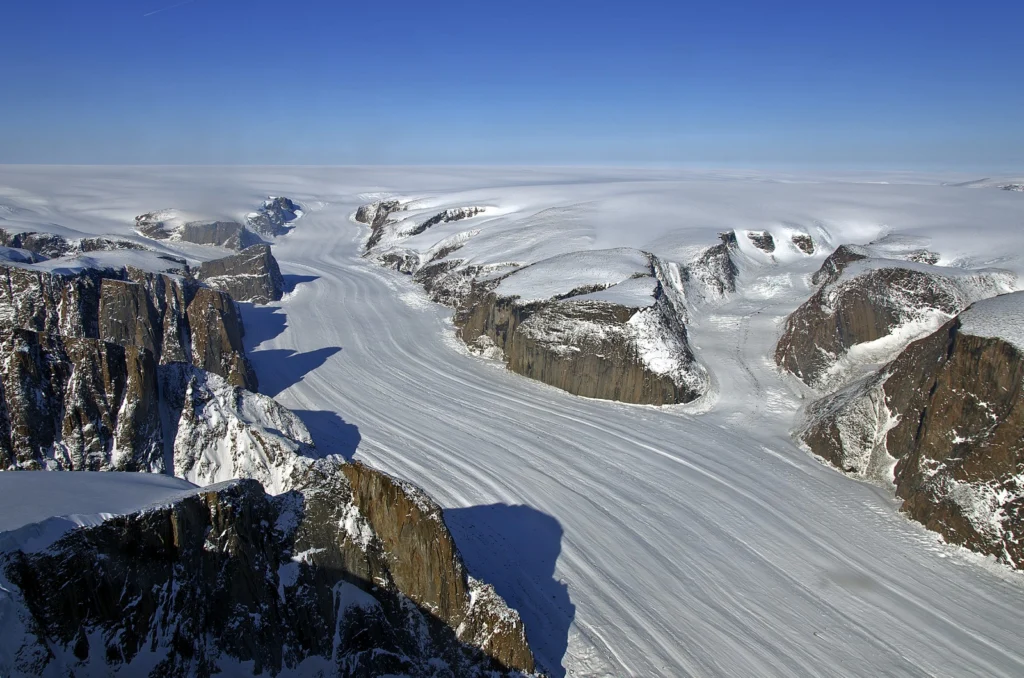
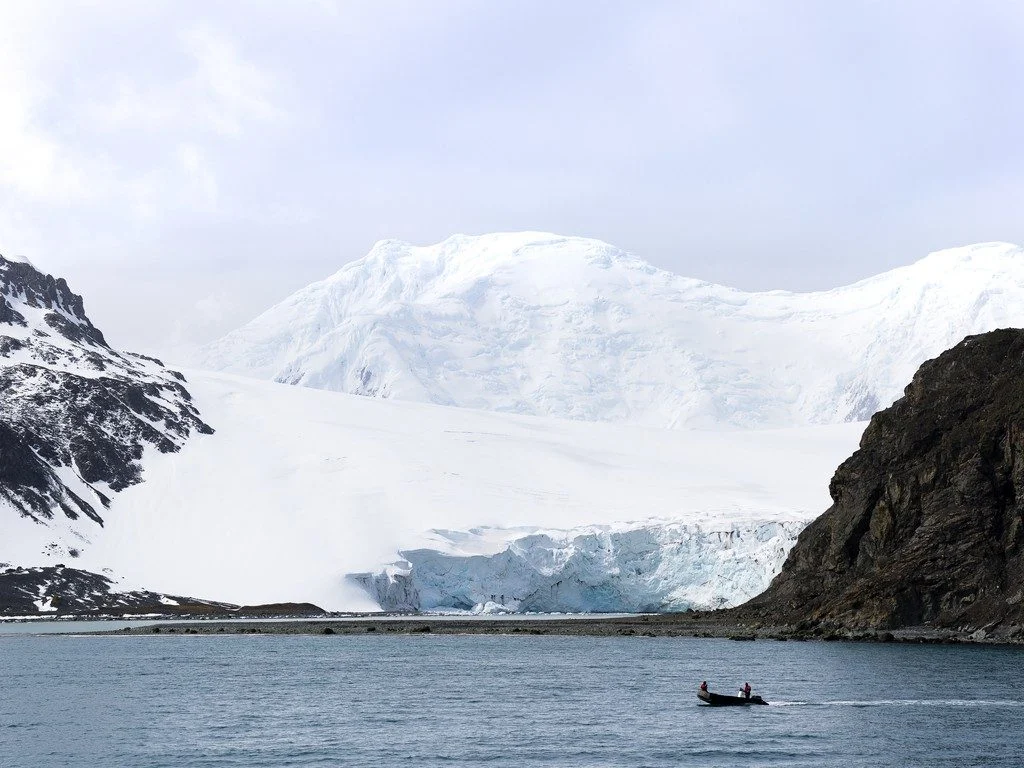
These delicate ice structures may look like frozen honeycombs from another world, but the crystalline patterns can be found 80 degrees south, in Antarctica, where they are shaped by the white continent’s windy conditions. In Western Antarctica is a 9-kilometre line of rocky ridges, called Patriot Hills. Often cold wind furiously descends from the hills across Horseshoe Valley glacier, sculpting do ...[Read More]
Cryospheric Sciences
GeoTalk: To understand how ice sheets flow, look at the bedrock below
Geotalk is a regular feature highlighting early career researchers and their work. In this interview we speak to Mathieu Morlighem, an associate professor of Earth System Science at the University of California, Irvine who uses models to better understand ongoing changes in the Cryosphere. At the General Assembly he was the recipient of a 2018 Arne Richter Award for Outstanding Early Career Scient ...[Read More]
Imaggeo on Mondays: Digging out a glacier’s story
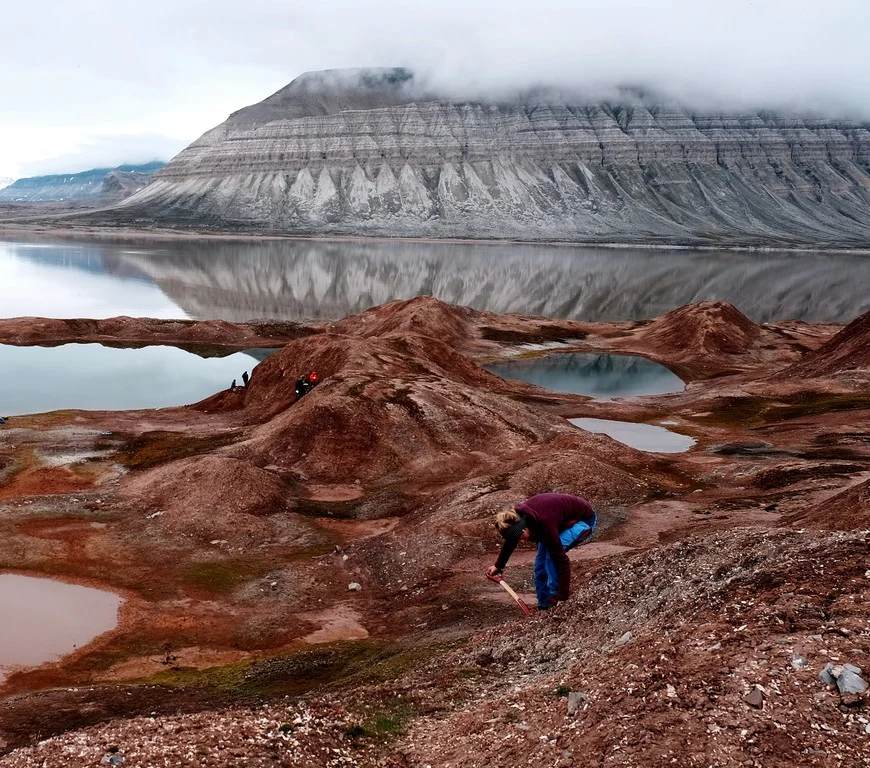
This photograph shows landforms on Coraholmen Island in Ekmanfjorden, one of the fjords found in the Norwegian archipelago, Svalbard. These geomorphic features were formed by Sefströmbreen, a tidewater glacier, when it surged in the 1880s. Although all glaciers flow, some glaciers undergo cyclic changes in their flow. This is called surging, and glaciers that surge are called surging glaciers. Dur ...[Read More]
Geosciences Column: The best spots to hunt for ancient ice cores
Where in the world can you find some of Earth’s oldest ice? That is the question a team of French and US scientists aimed to answer. They recently identified spots in East Antarctica that likely have the right conditions to harbor ice that formed 1.5 million years ago. Scientists hope that obtaining and analysing an undisturbed sample of ice this old will give them clues about Earth’s ancient clim ...[Read More]
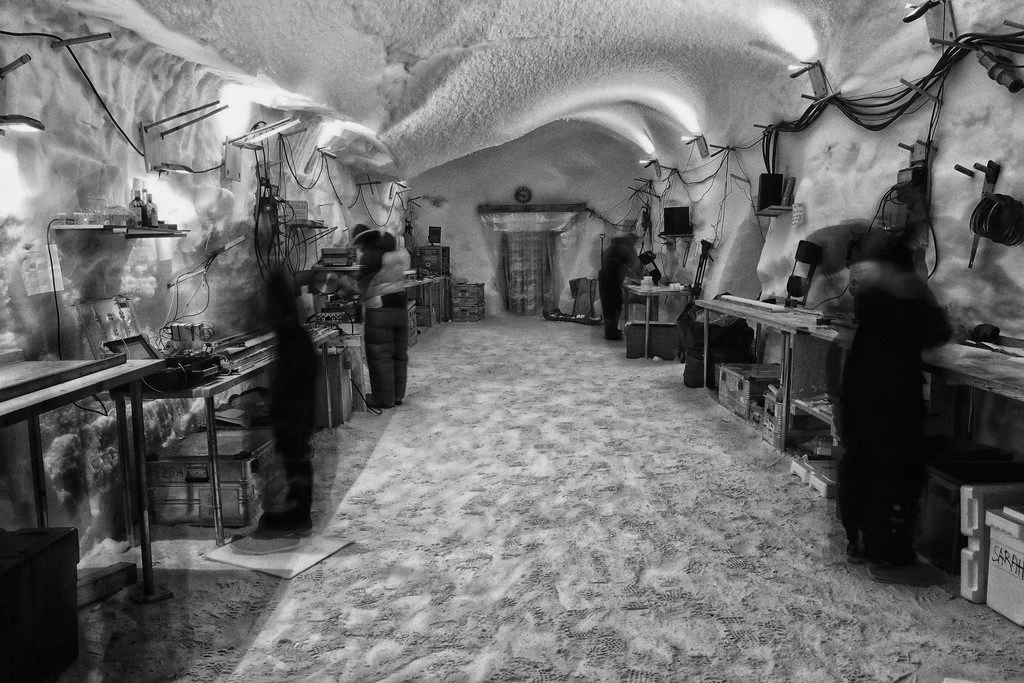
Imaggeo on Mondays: Science in the Arctic trenches
Pictured here are climate scientists processing ice core samples in the East Greenland Ice-core Project (EastGRIP) science trench 10 m under the surface of the Greenland ice cap. The trenches of this ice core camp require minimum building materials, utilising giant inflatable balloons that are dug in and covered with snow. The snow is left to compact for a few days, thereafter leaving back an arch ...[Read More]
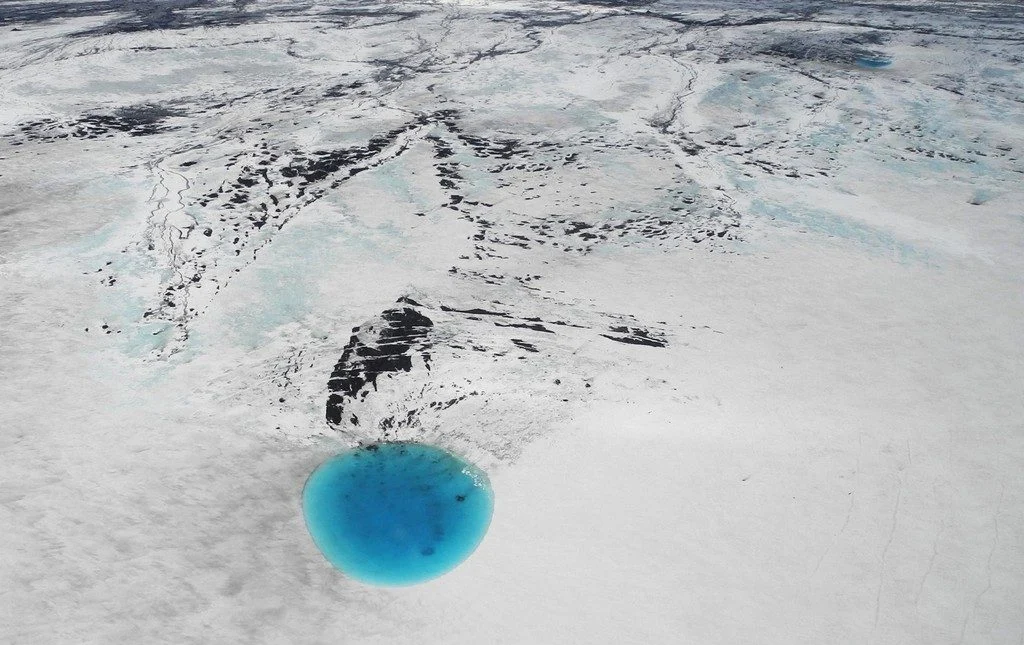
Imaggeo on Mondays: Hints of an eruption
The photograph shows water that accumulated in a depression on the ice surface of Vatnajökull glacier in southeastern Iceland. This 700m wide and 30m deep depression [1], scientifically called an ‘ice cauldron’, is surrounded by circular crevasses on the ice surface and is located on the glacier tongue Dyngjujökull, an outlet glacier of Vatnajökull. The photo was taken on 4 June 2016, less than 22 ...[Read More]
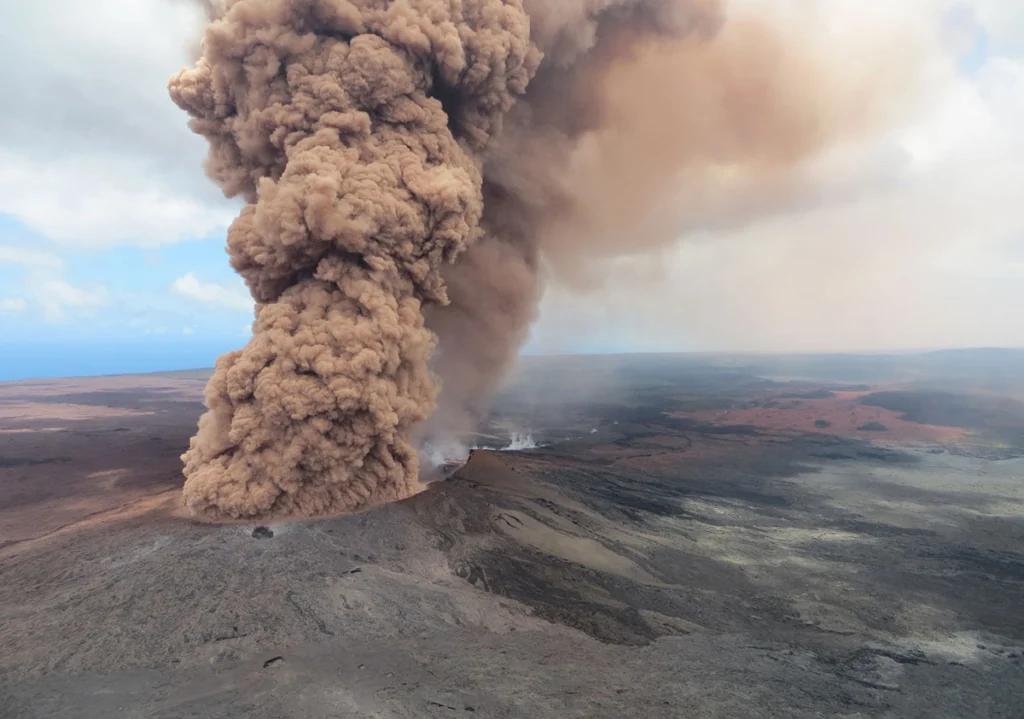
May GeoRoundUp: the best of the Earth sciences from around the web
Drawing inspiration from popular stories on our social media channels, as well as unique and quirky research news, this monthly column aims to bring you the best of the Earth and planetary sciences from around the web. Major Story This month the Earth science media has directed its attention towards a pacific island with a particularly volcanic condition. The Kilauea Volcano, an active shield volc ...[Read More]
April GeoRoundUp: the best of the Earth sciences from the 2018 General Assembly
The 2018 General Assembly took place in Vienna last month, drawing more than 15,000 participants from 106 countries. This month’s GeoRoundUp will focus on some of the unique and interesting stories that came out of research presented at the Assembly. Mystery solved The World War II battleship Tirpitz was the largest vessel in the German navy, stationed primarily off the Norwegian coastline as a fo ...[Read More]
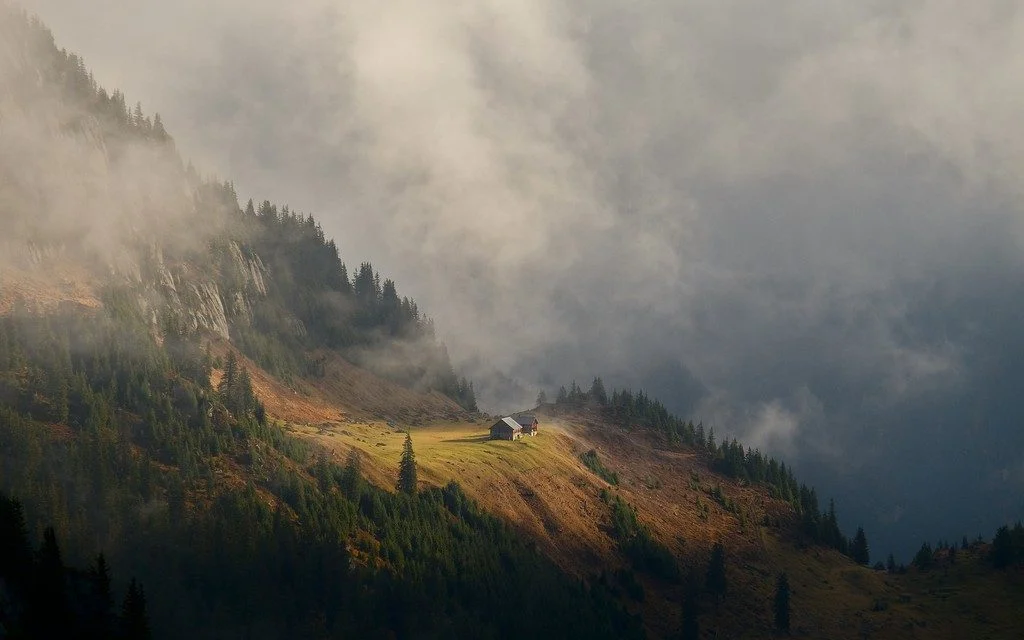
Imaggeo on Mondays: Refuge in a cloudscape
The action of glaciers combined with the structure of the rock to form this little platform, probably once a small lake enclosed between a moraine at the mountain side and the ice in the valley. Now it has become a green haven in the mountain landscape, a perfect place for an alp. In the Alps, stratus clouds opening up on autumn mornings often create gorgeous light display. That day, some of the f ...[Read More]
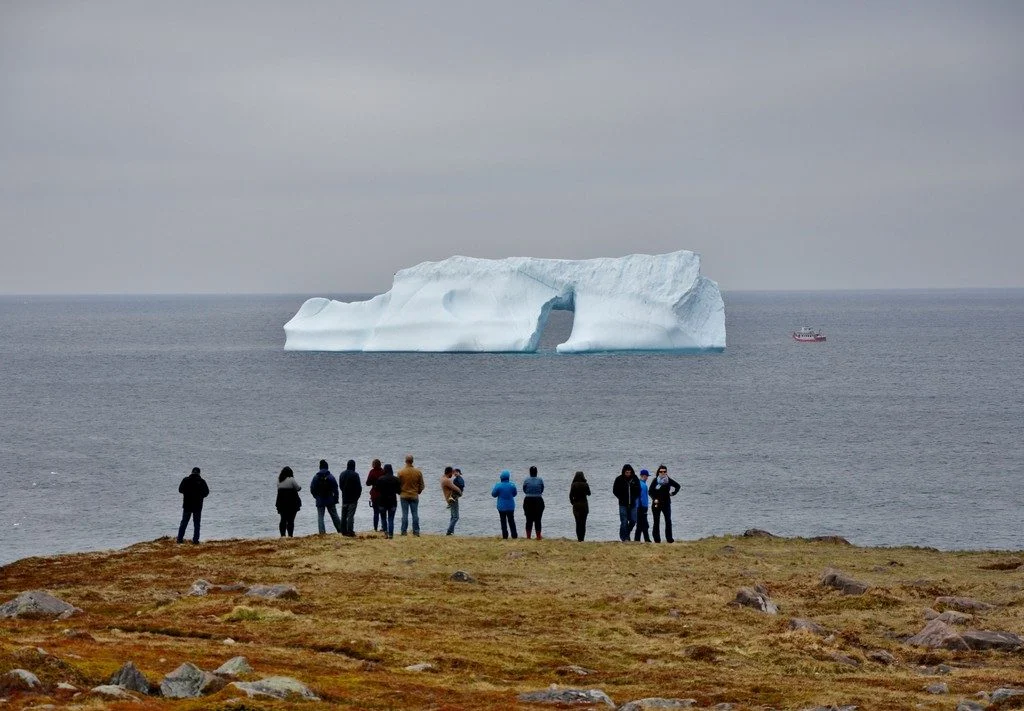
Imaggeo on Mondays: Iceberg viewing in Cape Spear, Newfoundland, Canada
Cape Spear in Newfoundland, Canada is the easternmost location in North America and one of the few places in the world where you can contemplate icebergs from the shore. Every year, about 400 to 800 bergs journey down to this particular point. These 10,000-year-old ice giants drift along the northern shore of Newfoundland with the Labrador Current. About 90 percent of these icebergs come from west ...[Read More]