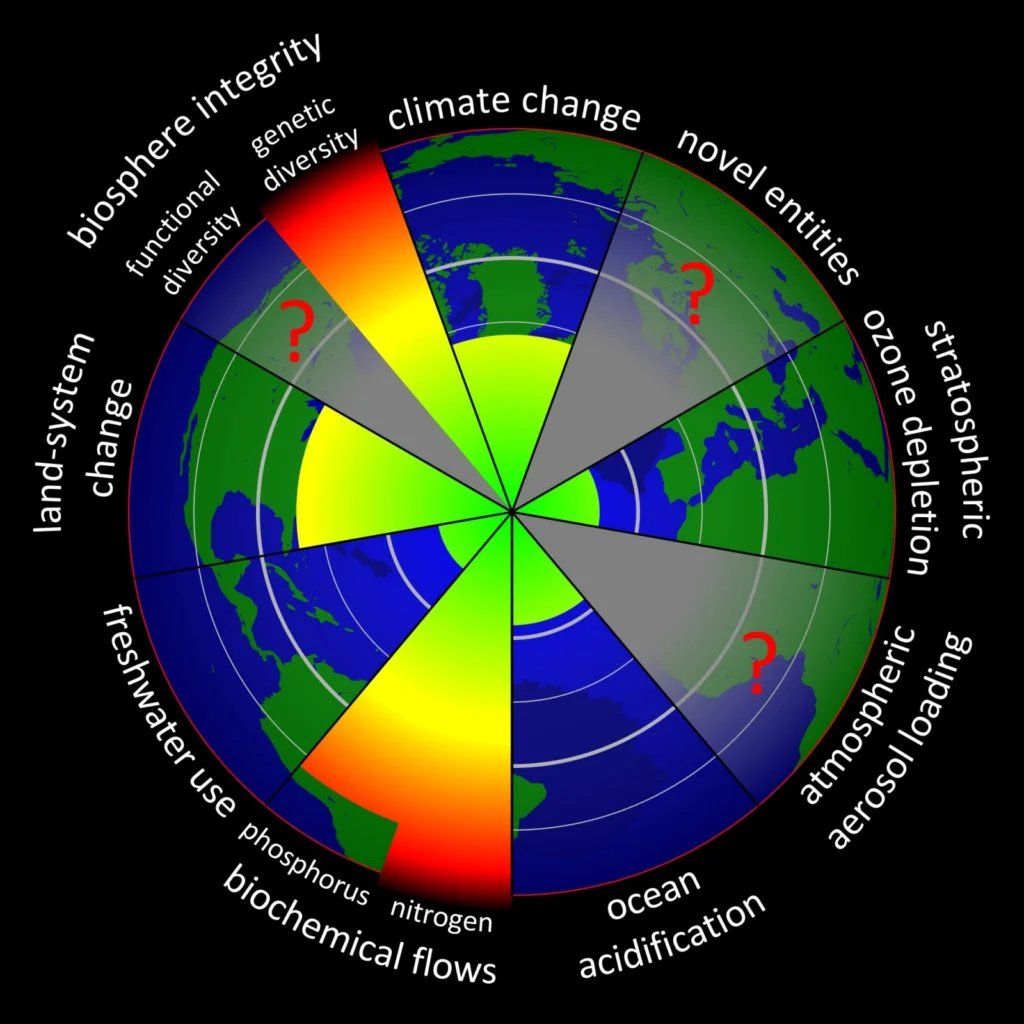
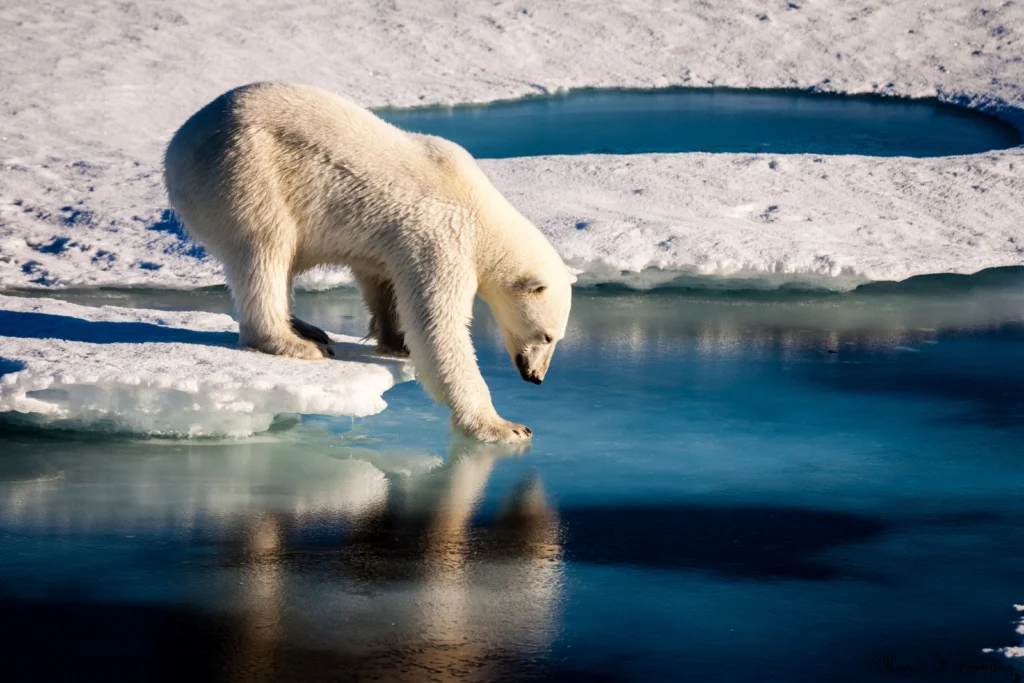
The research presented during the EGU’s 2016 General Assembly have wide-reaching implications for how we understand planet Earth. In today’s post, Sara Mynott, an EGU press assistant during the conference, writes about findings presented at the meeting which highlight the importance of the biosphere when it comes to understanding the threat posed to our planet by environmental challenges. With the ...[Read More]
Climate: Past, Present & Future
GeoPolicy: What’s next for the IPCC & how can early career scientists get involved? An interview with Valérie Masson-Delmotte
This month’s GeoPolicy post is an interview with the newly-appointed co-chair of the Intergovernmental Panel on Climate Change (IPCC) Working Group 1 (WG1): Valérie Masson-Delmotte. Valérie is also a Principle Investigator at the Laboratoire des Sciences du Climat et de l’Environnement, Paris. In this interview she discusses how she balances her two roles, what the IPCC has planned over the ...[Read More]
Imaggeo on Mondays: Moving images – Photo Contest 2016
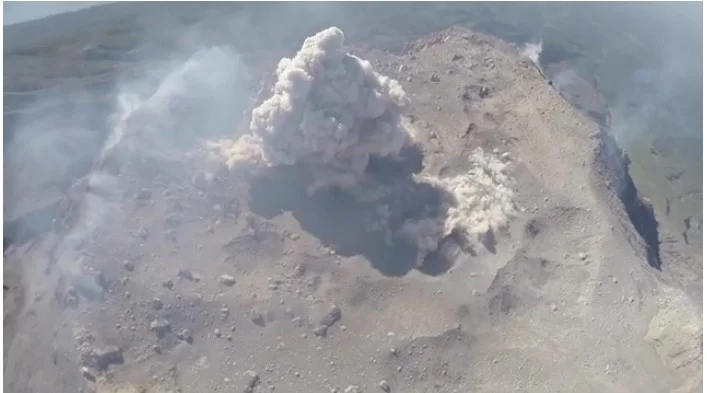
Since 2010, the European Geosciences Union (EGU) has been holding an annual photo competition and exhibit in association with its General Assembly and with Imaggeo – the EGU’s open access image repository. In addition to the still photographs, imaggeo also accepts moving images – short videos – which are also a part of the annual photo contest. However, 20 or more images have to be submitted ...[Read More]
The final days of the mountain glaciers
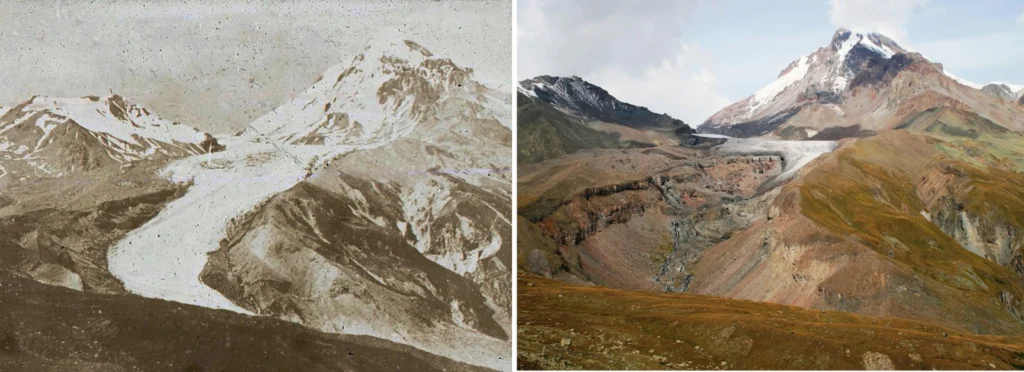
In 1896 British lawyer, mountaineer and author Douglas Freshfield climbed an obscure mountain in the Caucasus called Kasbek and in his book detailing his adventures he described the mountain: “From this point the view of Kasbek is superb: its whole north-eastern face is a sheet of snow and ice, broken by the steepness of the slope into magnificent towers, and seamed by enormous blue chasms.” D Fre ...[Read More]
Imaggeo on Mondays: Earth Wave
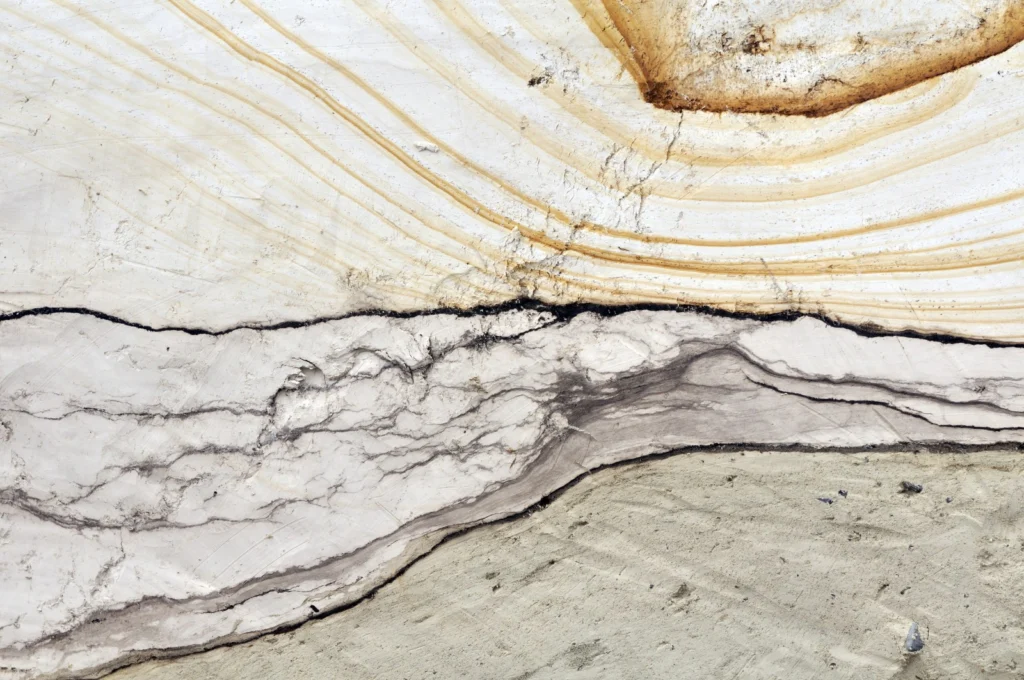
Take a stroll along the norther beaches of the French Channel Coast, some kilometers east from the entrance of the Channel Tunnel, and you’ll encounter an imposing cliff of soft, sandy composition which dominates the landscape. On close inspection, the sediments which make up the Quaternary aged deposits of the Sangatte Cliff, are beautiful, revealing intricate patterns which hold the key to the g ...[Read More]
GeoPolicy: How to communicate science to policy officials – tips and tricks from the experts
The EGU General Assembly was bigger than ever this year. Over 16,500 people attended more than 500 sessions. Although many sessions featured policy-relevant science, the short course entitled ‘Working at the science policy interface‘ focused purely on the role of scientists within the policy landscape. For those of you that couldn’t attend, this month’s GeoPolicy post takes a clo ...[Read More]
Announcing the winners of the EGU Photo Contest 2016!
The selection committee received over 200 photos for this year’s EGU Photo Contest, covering fields across the geosciences. Participants at the 2016 General Assembly have been voting for their favourites throughout the week of the conference and there are three clear winners. Congratulations to 2016’s fantastic photographers! In addition, this year, to celebrate the theme of the EGU 2016 General ...[Read More]
Photo Contest finalists 2016 – who will you vote for?
The selection committee received over 400 photos for this year’s EGU Photo Contest, covering fields across the geosciences. The fantastic finalist photos are below and they are being exhibited in Hall X2 (basement, Brown Level) of the Austria Center Vienna – see for yourself! Do you have a favourite? Vote for it! There is a voting terminal (also in Hall X2), just next to the exhibit. The results w ...[Read More]
Imaggeo on Mondays: recreating geological processes in the lab
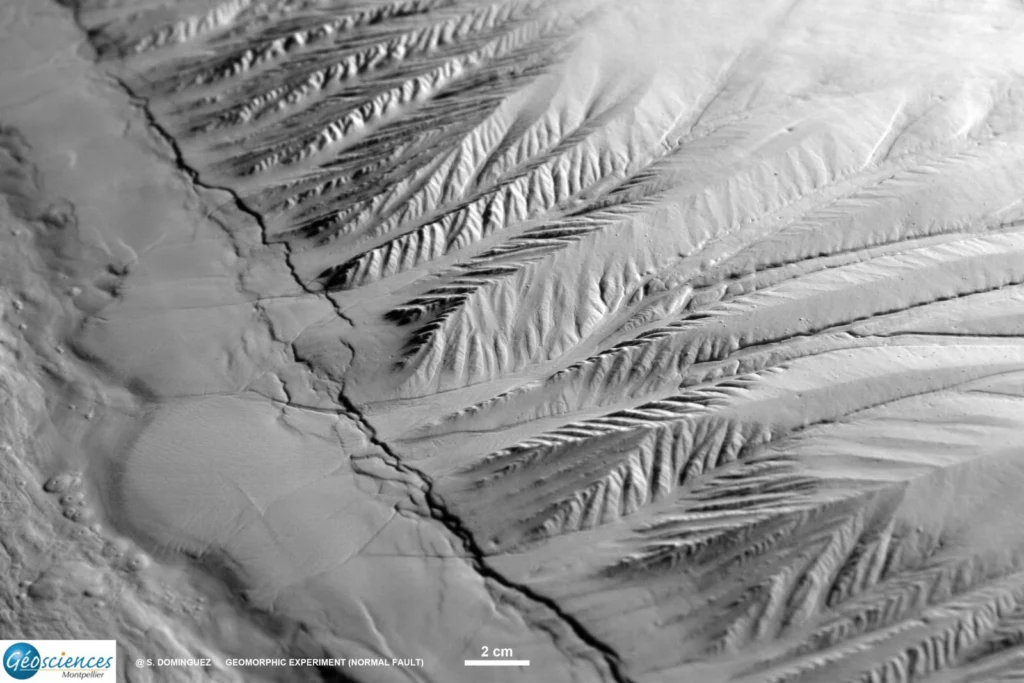
Many of the processes which take place on Earth happen over very long time scales, certainly when compared to the life span of a person. The same is true for geographical scale. Many of the processes which dominate how our planet behaves are difficult to visualise given the vast distances (and depths) over which they occur. To overcome this difficulty, scientists have developed and resorted to a n ...[Read More]
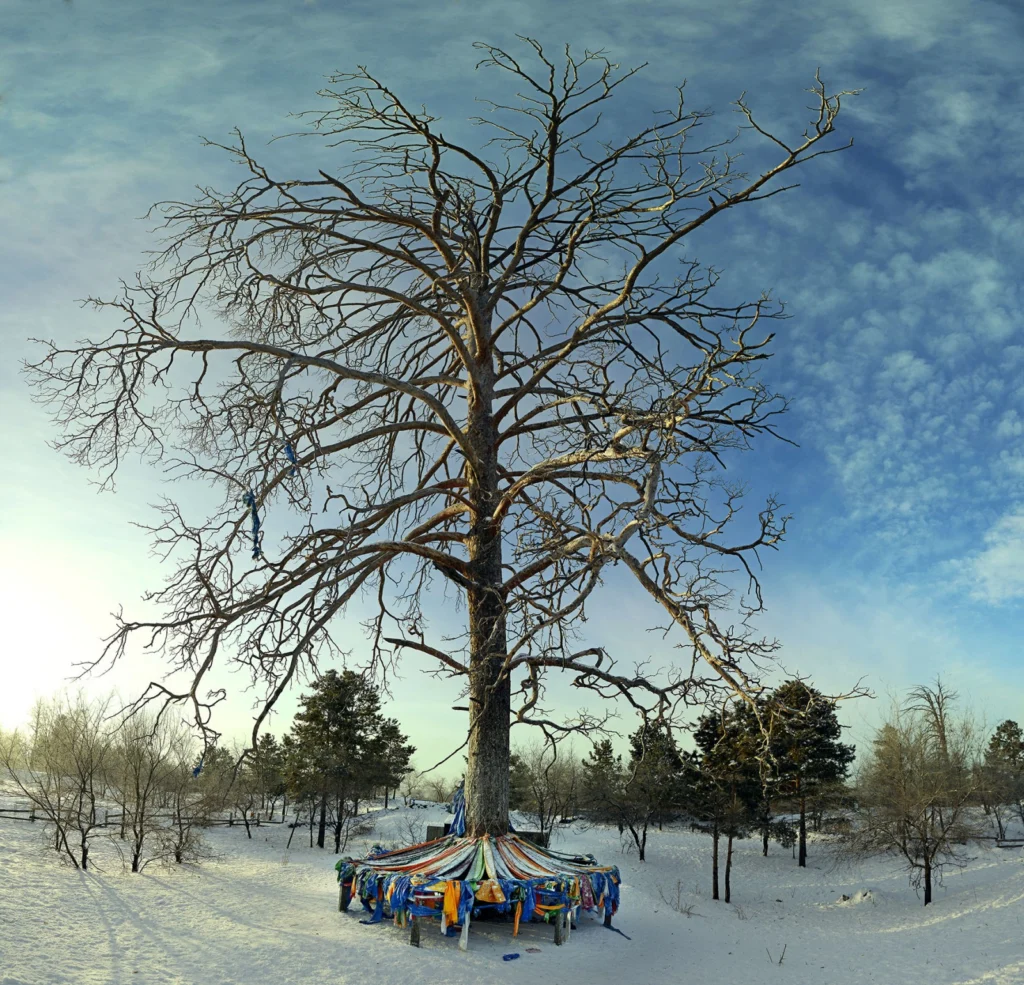
Imaggeo on Mondays: Mother Tree
Landlocked, home to mountains, deserts and the southernmost permafrost territories, Mongolia’s climate is harsh. Warm, often humid summers, give way to freezing winters where temperatures dip as low as -25°C. Rainfall is restricted to a short period in the summer months of June and August. These climatic factors, combined with the lack of a strong forest management strategy and anthropogenic infl ...[Read More]