2019 was a brilliant year for our blogging network here at EGU. Across the EGU’s official blog, GeoLog, as well as the network and division blogs there were so many interesting, educational and just downright entertaining posts this year it was hard to get the blog editors to choose their favourites! Nevertheless in December, to celebrate the excellent display of science writing across the network ...[Read More]
Atmospheric Sciences
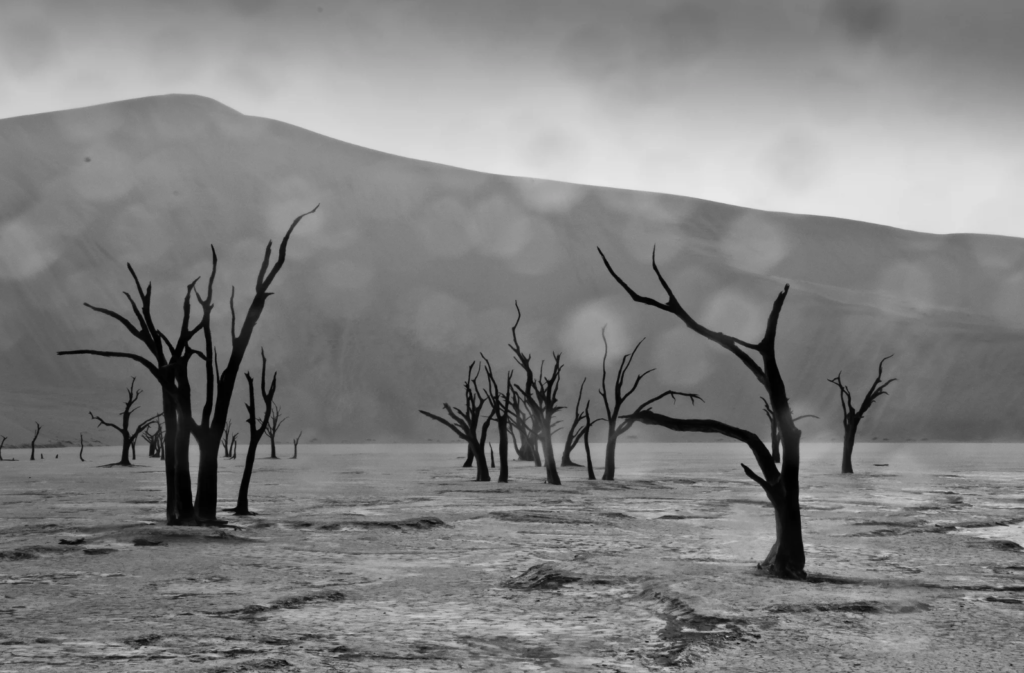
Imaggeo on Mondays: Rain on the Namib Desert
Pictured here is the arid Namib Desert on a not-so-arid day. The desert is known for its extremely dry conditions and abundance of sunshine, but this photo, taken by Christoph Schmidt, chair of geomorphology at the University of Bayreuth in Germany, gives us a rare glimpse of a rainy day. The Namib Desert spans about 81,000 square kilometres in southwest Africa, stretching throughout the entire co ...[Read More]
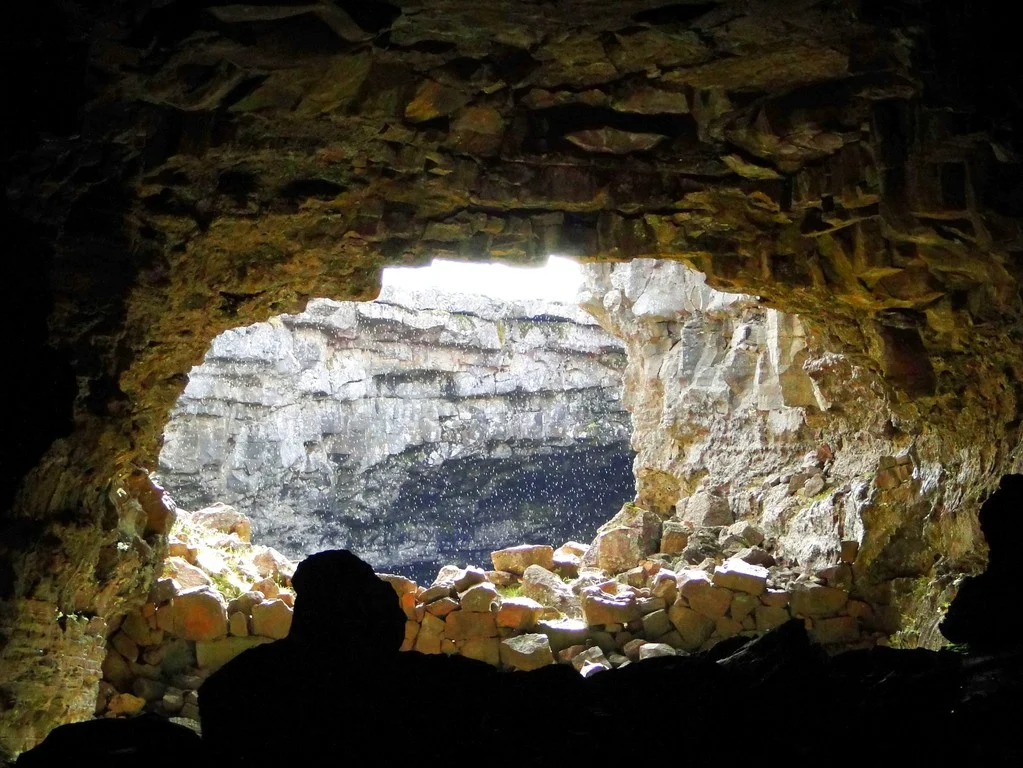
Imaggeo on Mondays: Subsurface meteorolgy in Iceland
With a total length of about 2 km, the Surdsellir lava cave is part of the Hallmundarhraun lava field in western Iceland. The caves ceiling is partly broken in, forming entrances and windows towards the earths surface. On this day of typically Icelandic weather, meteorological conditions changed quickly between sun, clouds, rain and wind. While walking through the cave during a rain shower, the su ...[Read More]
September GeoRoundUp: the best of the Earth sciences from around the web
Drawing inspiration from popular stories on our social media channels, major geoscience headlines, as well as unique and quirky research, this monthly column aims to bring you the latest Earth and planetary science news from around the web. Major stories Latest IPCC report puts the oceans and cryosphere in focus Last month the United Nations’ Intergovernmental Panel on Climate Change (IPCC) releas ...[Read More]
Imaggeo on Mondays: how short-term storms can impact our landscapes
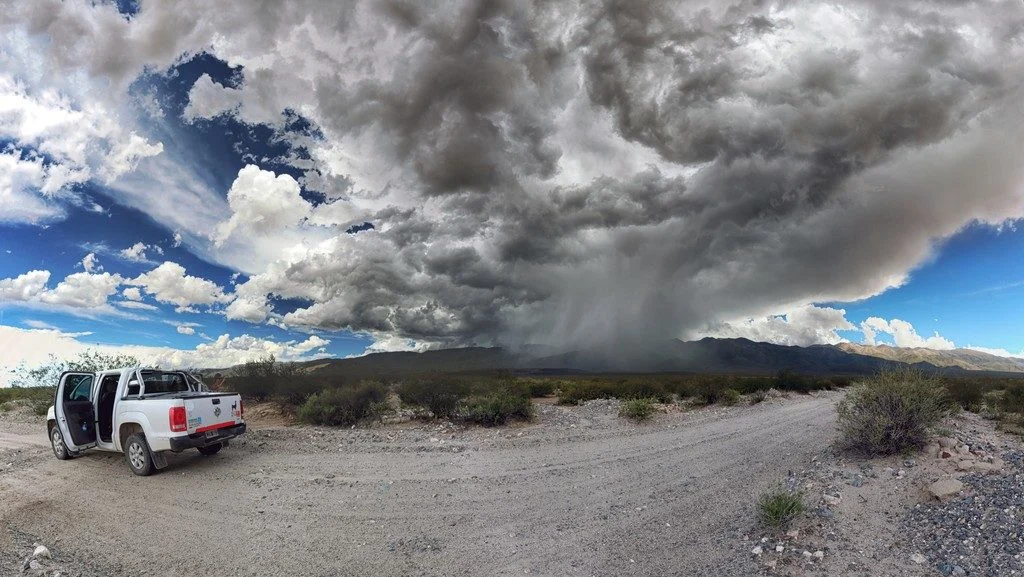
In the Sierra de Aconquija, a mountain range in the southern Central Andes of Argentina, strong storms often come and go at a moment’s notice, but they can have a long-lasting impact on the Earth’s surface. The thunderstorm cell featured in this photo formed in less than half an hour, giving all those nearby only a few minutes to take cover. Mitch D’Arcy, a geomorphologist and postdoctoral researc ...[Read More]
Conversations on a century of geoscience in Europe: Part 1
When you think about the last century of geoscience, what comes to mind? Perhaps Alfred Wegener’s theory of continental drift? Or Inge Lehmann’s discovery of Earth’s solid inner core? Over the last 100 years, geoscientists have made incredible contributions to our understanding of the Earth, the solar system, and beyond. The science community has explored uncharted territory, challenged previously ...[Read More]
Imaggeo on Mondays: Inside the whale’s mouth
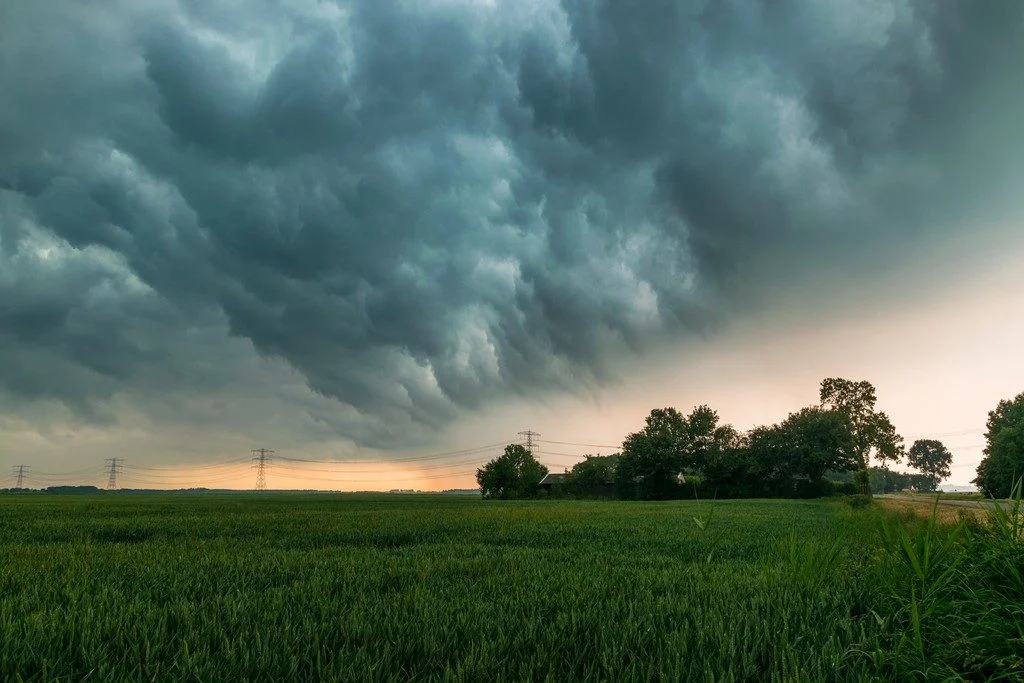
Often there are moments in our lives when we are reminded of the strength and magnitude of our environment, whether that’s trekking through a mountain range or gazing at the horizon from the ocean shore. Yet arguably there are few things that can make you feel as small as a particularly powerful summer storm. “The atmosphere is undoubtedly one of the most dynamic components in the Earth System. No ...[Read More]
Geosciences Column: How erupting African volcanoes impact the Amazon’s atmosphere
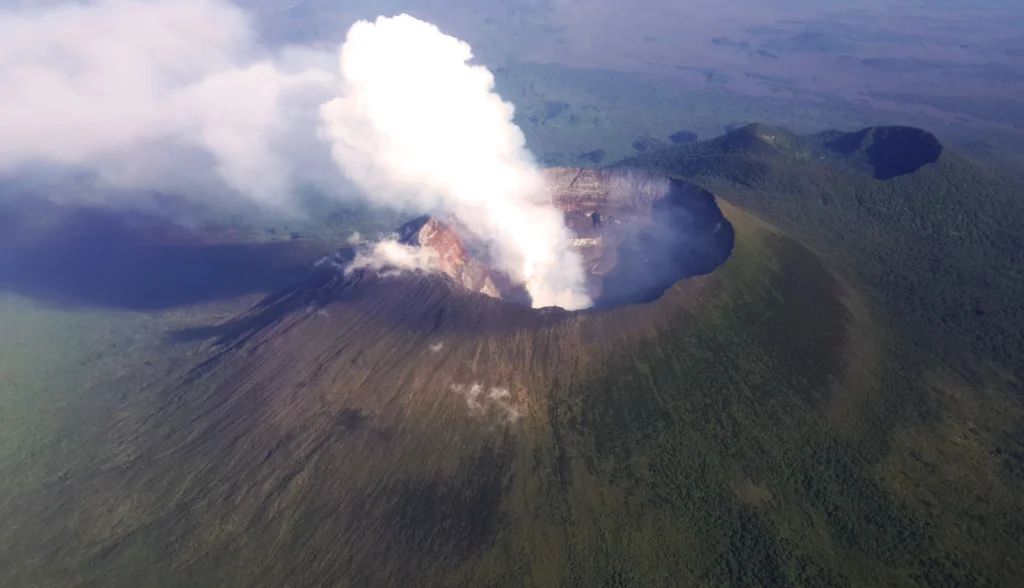
When volcanoes erupt, they can release into the atmosphere a number of different gases initially stored in their magma, such as carbon dioxide, hydrogen sulfide, and sulfur dioxide. These kinds of gases can have a big influence on Earth’s atmosphere, even at distances hundreds to thousands of kilometres away. A team of researchers have found evidence that sulfur emissions from volcanic eruptions i ...[Read More]
Imaggeo on Mondays: Our QUEST for innovative tools to understand changing environments and climates
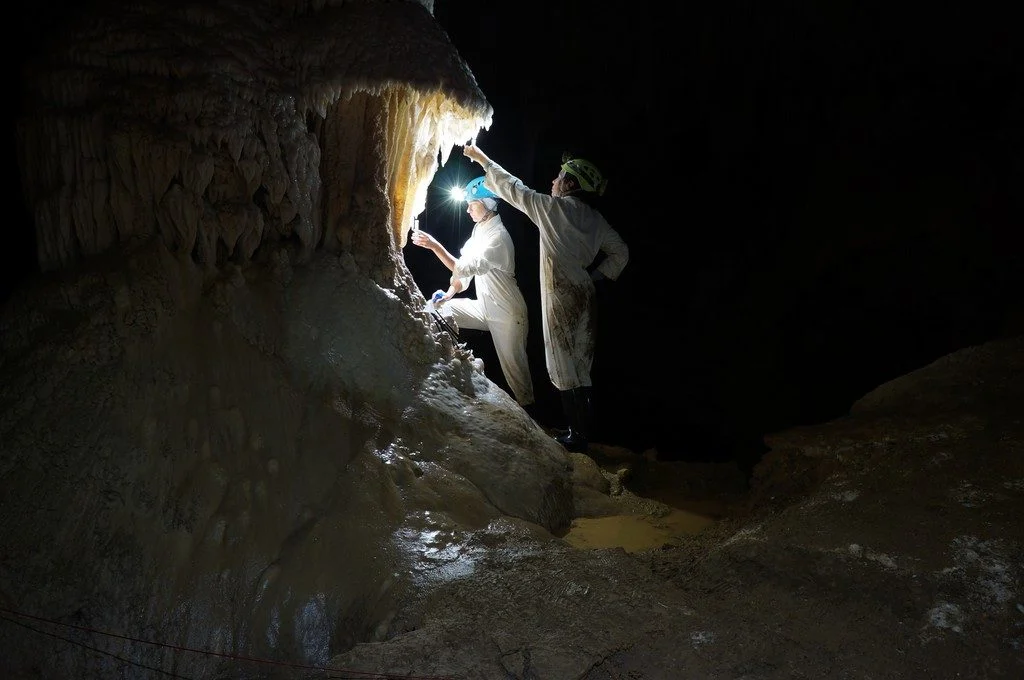
The photo shown here shows typical sampling work underground. You can see Ola Kwiecien and Cinthya Nava Fernandez, researchers at Ruhr University Bochum in Germany, collecting dripwater in New Zealand’s Waipuna Cave as part of a four-year EU-funded monitoring programme. Our research aims at developing innovative geochemical indicators that we can use to quantify changes in the hydrological system ...[Read More]
Imaggeo on Mondays: A painted forest fire
This week’s featured image may appear to be a painted landscape, but the picture is in fact a photo, taken ten years ago by Victoria Arcenegui, an associate professor at Miguel Hernández University in Spain, during a controlled forest fire in northern Portugal. The blaze is actually hot enough to distort the image, making some of the flames appear as brush strokes, beautifully blurring together th ...[Read More]