GeoLog

Atmospheric Sciences

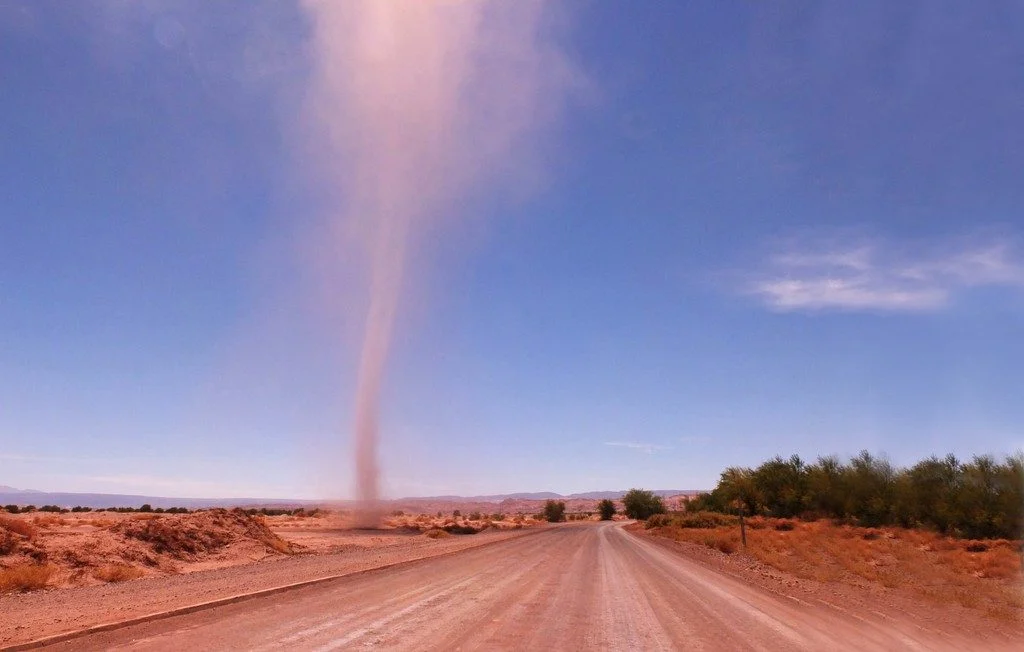
Imaggeo on Mondays: Dust devil sighting in the Atacama Desert

Imaggeo on Mondays: Dust devil sighting in the Atacama Desert

Dust devils are like miniature tornadoes, they form when a pocket of hot air near the surface moves fast upward and meets cooler air above it. As the air rapidly rises, the column of hot air is stretched vertically, thereby moving mass closer to the axis of rotation, which causes intensification of the spinning effect by conservation of angular momentum. In the Atacama Desert [in Chile] they are r ...[Read More]

April GeoRoundUp: the best of the Earth sciences from the 2019 General Assembly

April GeoRoundUp: the best of the Earth sciences from the 2019 General Assembly

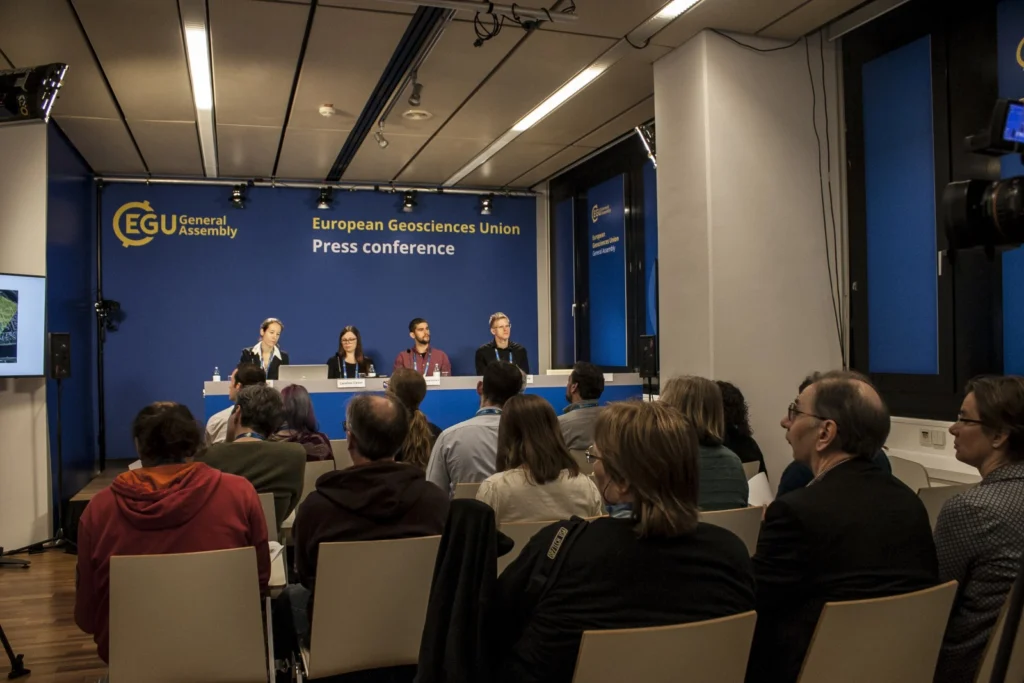
The EGU General Assembly 2019 took place in Vienna last month, drawing more than 16,000 participants from 113 countries. This month’s GeoRoundUp will focus on some of the unique and interesting stories that came out of research presented at the Assembly! Major Stories Glacial disappearing act in the European Alps New research from a team of scientists estimated the future of all glaciers within th ...[Read More]

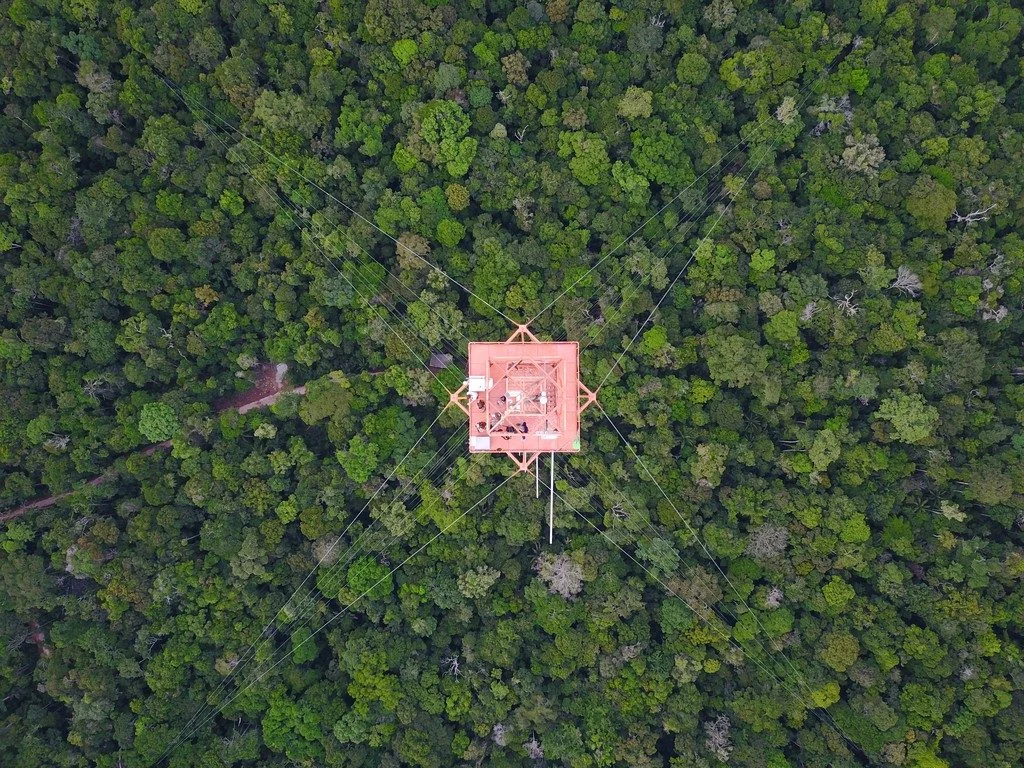
Imaggeo on Mondays: Science above the Amazon rainforest

Imaggeo on Mondays: Science above the Amazon rainforest

The color and symmetry of the Amazon Tall Tower Observatory (ATTO) sticks out against the endless green of the rainforest. Built in a remote and pristine location, the ATTO tower is the tallest construction in South America. In a joint Brazilian-German project, atmospheric scientists aim to unravel the interaction of pristine rainforest with the atmosphere. With its height of 325 meters, the ATTO ...[Read More]

Imaggeo on Mondays: Northern lights in northern Norway

Imaggeo on Mondays: Northern lights in northern Norway

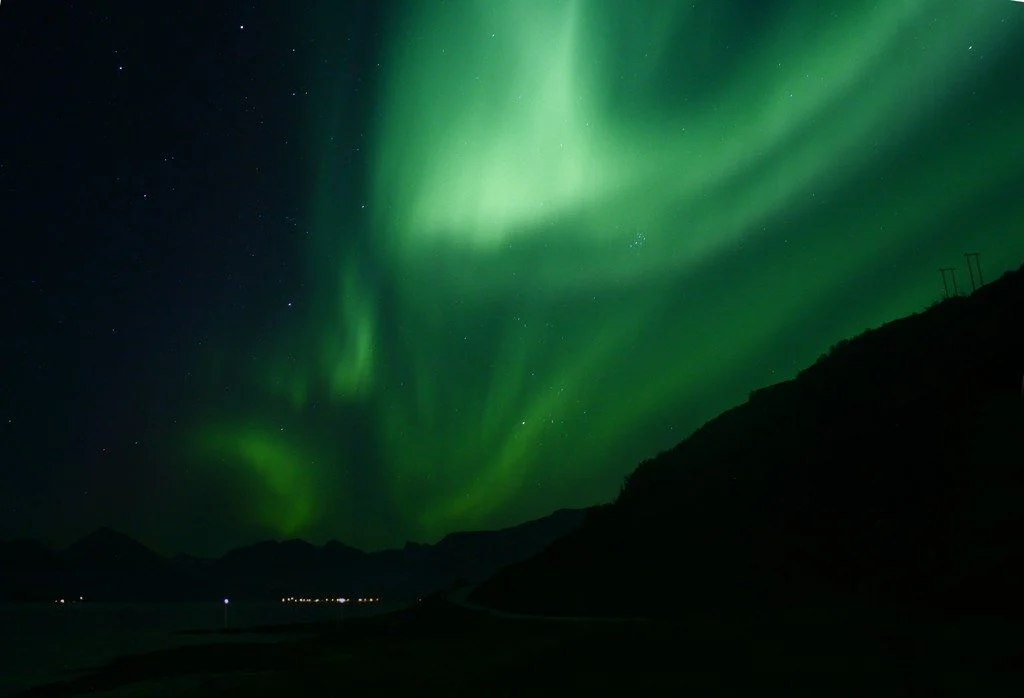
Northern lights in Tromsø, displaying the collisions between electrically charged particles from the sun which penetrate the earth’s magnetic shield and strike atoms and molecules in our atmosphere. Collisions excite the atoms causing electrons to move to higher-energy orbits, further away from the nucleus. When electrons move back to lower-energy orbits, they release particles of light call ...[Read More]

Imaggeo on Mondays: Air samples from afar

Imaggeo on Mondays: Air samples from afar

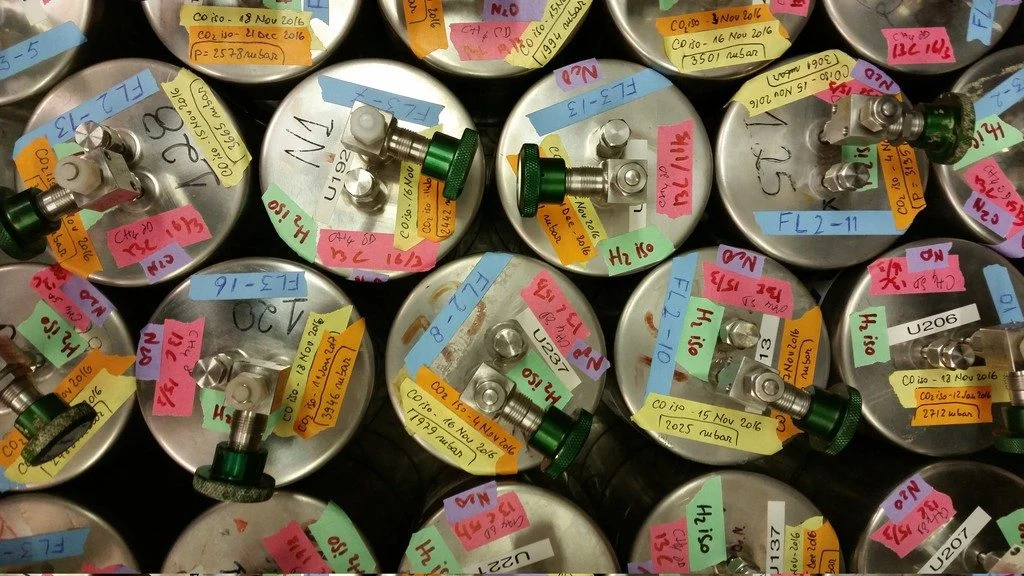
I’ve taken many photos on fieldwork, everywhere from Malaysia to Antarctica but this particular photo was taken in my ‘home’ lab at the University of East Anglia (UEA) in Norwich, UK. Atmospheric scientists collect air samples canisters such as these from around the world: from high altitude research aircraft (such as the Geophysica), long-term measurement time series (such as Ca ...[Read More]

GeoTalk: Research reflections and lessons learned from Pinhas Alpert

GeoTalk: Research reflections and lessons learned from Pinhas Alpert

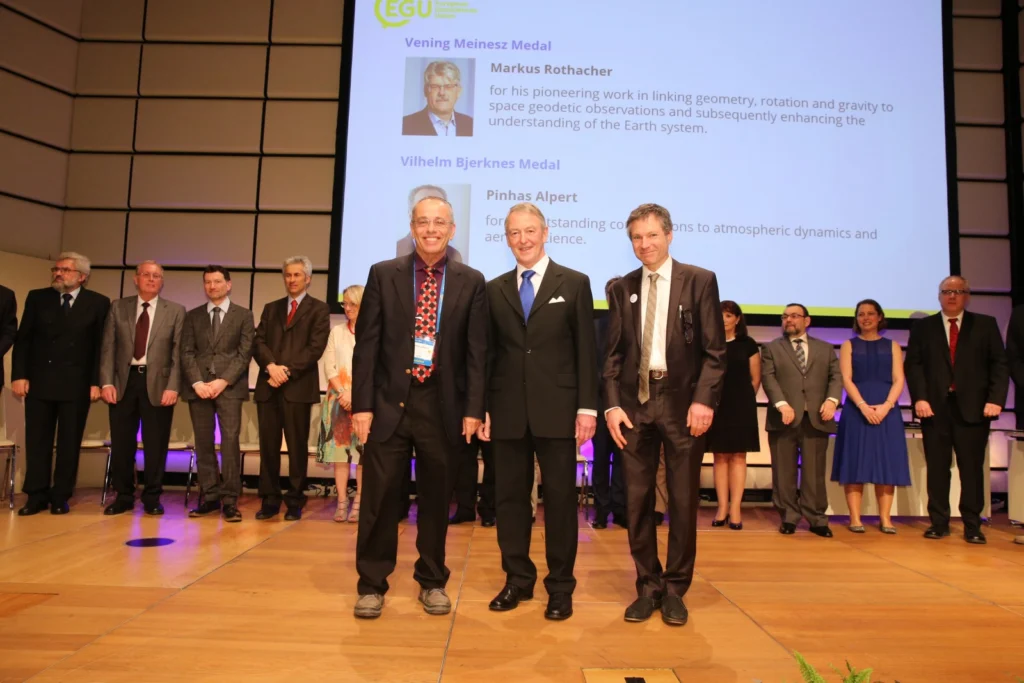
GeoTalk interviews usually feature the work of early career researchers, but this month we deviate from the standard format to speak to Pinhas Alpert, professor in geophysics and planetary sciences at Tel Aviv University and recipient of the 2018 Vilhelm Bjerknes Medal. Alpert was awarded for his outstanding contributions to atmospheric dynamics and aerosol science. Here we talk to him about his c ...[Read More]

Imaggeo on Mondays: A pink and blue evening

Imaggeo on Mondays: A pink and blue evening

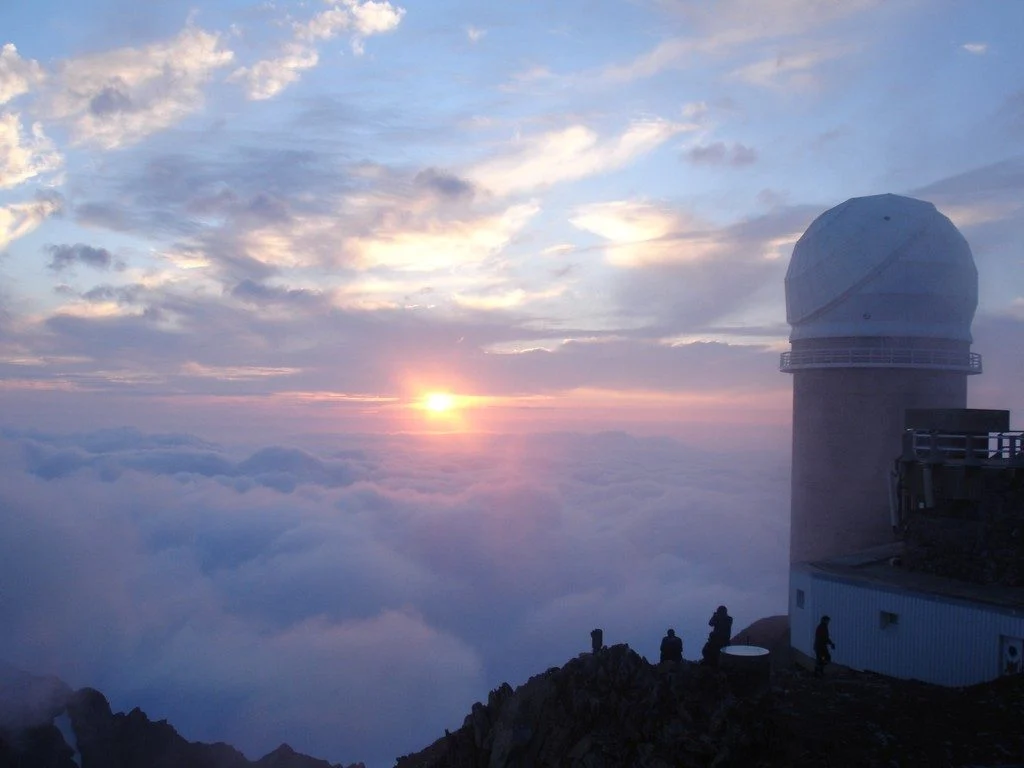
At sunset, the light travels a longer path in the atmosphere to reach our eyes than when the sun is high in the sky. At this time of the day, the light is more subject to scattering, as it interacts with more air (molecules and particles) before reaching our eyes, which explains why the sun is much less luminous and can be observed directly without being dazzled. The sun appears redder because amo ...[Read More]

Geosciences Column: Using volcanoes to study carbon emissions’ long-term environmental effect

Geosciences Column: Using volcanoes to study carbon emissions’ long-term environmental effect

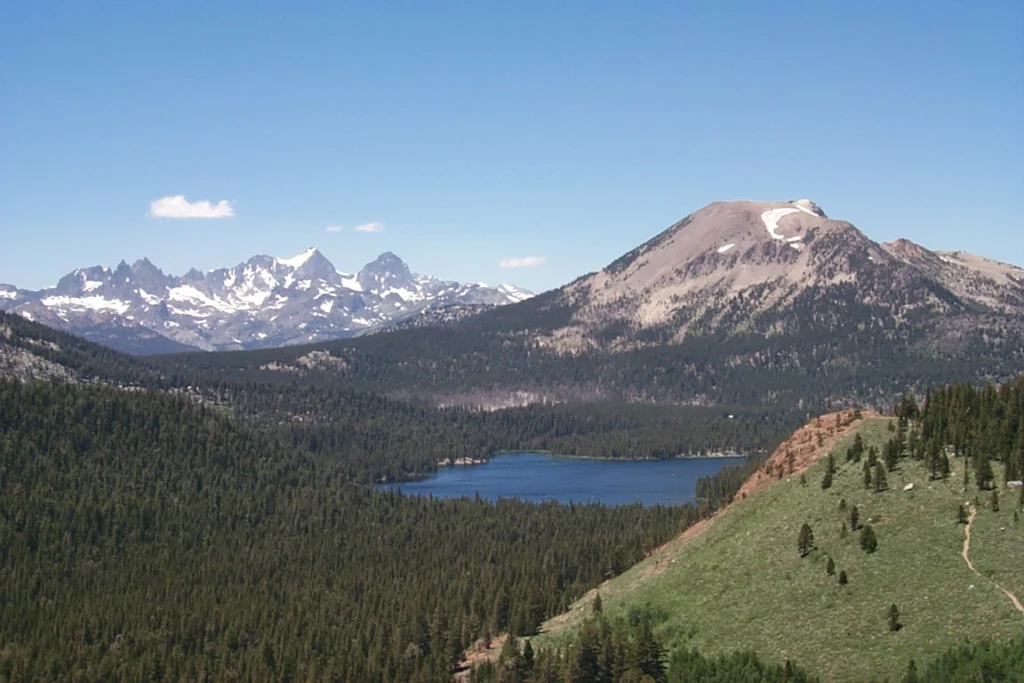
In a world where carbon dioxide levels are rapidly rising, how do you study the long-term effect of carbon emissions? To answer this question, some scientists have turned to Mammoth Mountain, a volcano in California that’s been releasing carbon dioxide for years. Recently, a team of researchers found that this volcanic ecosystem could give clues to how plants respond to elevated levels of carbon d ...[Read More]

Imaggeo on Mondays: The best of imaggeo in 2018

Imaggeo on Mondays: The best of imaggeo in 2018

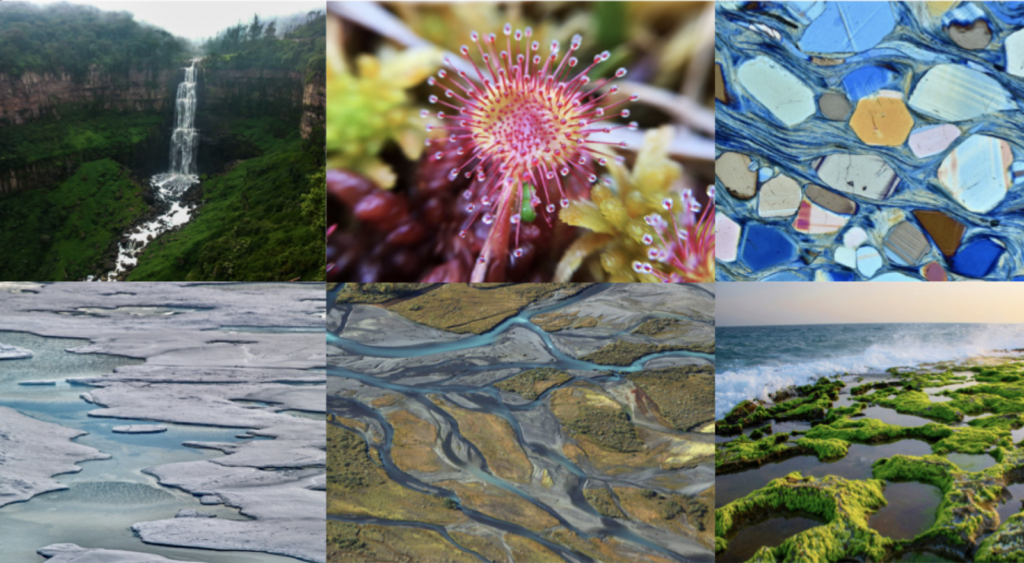
Imaggeo, our open access image repository, is packed with beautiful images showcasing the best of the Earth, space and planetary sciences. Throughout the year we use the photographs submitted to the repository to illustrate our social media and blog posts. For the past few years we’ve celebrated the end of the year by rounding-up some of the best Imaggeo images. But it’s no easy task to pick which ...[Read More]

Looking back at the EGU Blogs in 2018: a competition

Looking back at the EGU Blogs in 2018: a competition

The past 12 months has seen an impressive 382 posts published across the EGU’s official blog, GeoLog, as well as the network and division blogs. From an Easter-themed post on the convection of eggs, features on mental health in academia, commentary on the pros and cons of artificial coral reefs, advice on presenting research at conferences, through to a three-part “live-series” on the ...[Read More]