The past 12 months has seen an impressive 382 posts published across the EGU’s official blog, GeoLog, as well as the network and division blogs. From an Easter-themed post on the convection of eggs, features on mental health in academia, commentary on the pros and cons of artificial coral reefs, advice on presenting research at conferences, through to a three-part “live-series” on …[Read More]
Atmospheric Sciences
GeoTalk: the climate communication between Earth’s polar regions
Geotalk is a regular feature highlighting early career researchers and their work. In this interview, we caught up with Christo Buizert, an assistant professor at Oregon State University in Corvallis, who works to reconstruct and understand climate change events from the past. Christo’s analysis of ice cores from Greenland and Antarctica helped reveal links between …[Read More]
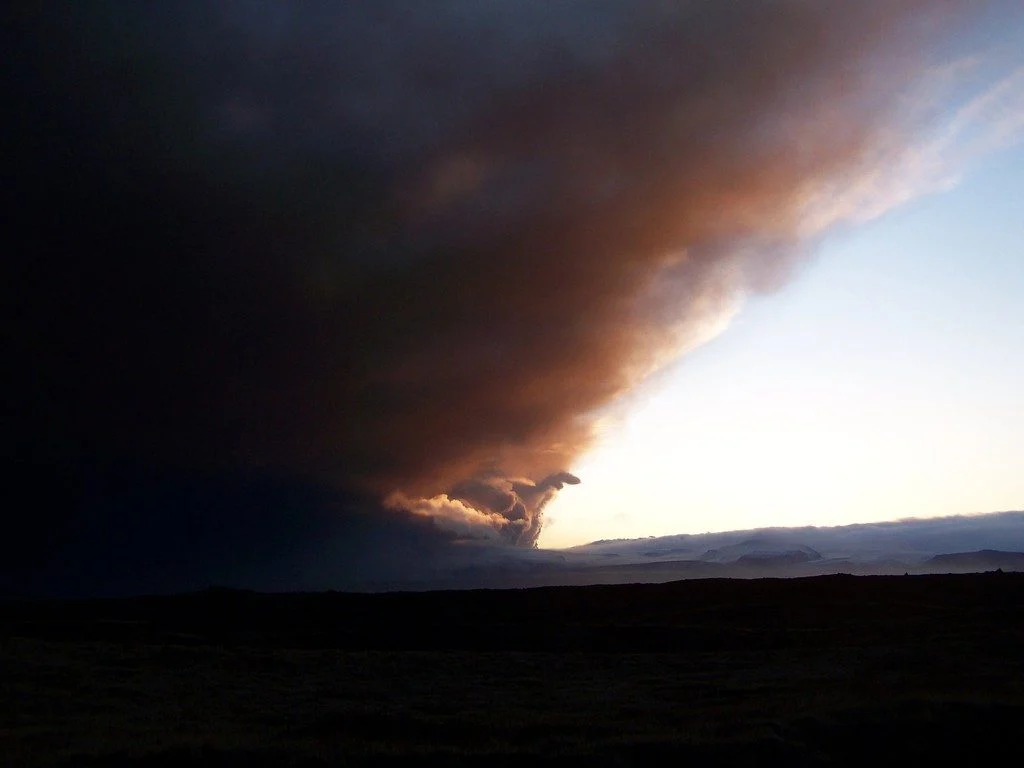
Imaggeo on Mondays: The ash cloud of Eyjafjallajökull approaches
This photo depicts the famous ash cloud of the Icelandic volcano Eyjafjallajökull, which disrupted air traffic in Europe and over the North Atlantic Ocean for several days in spring 2010. The picture was taken during the initial phase of the eruption south of the town of Kirjubæjarklaustur, at the end of a long field work …[Read More]
GeoPolicy: the EU’s Bioeconomy Strategy – what is it and how is it linked with geoscience?
What is the bioeconomy? Global threats such as climate change, ocean acidification, land degradation and an ever-expanding population means that it’s essential for us to reduce our environmental impact while still meetings our demand for food, resources and energy. The bioeconomy covers all sectors and systems that rely on biological resources and their functions including renewable …[Read More]
September GeoRoundUp: the best of the Earth sciences from around the web
Drawing inspiration from popular stories on our social media channels, major geoscience headlines, as well as unique and quirky research, this monthly column aims to bring you the latest Earth and planetary science news from around the web. Major stories This month has been a whirlwind of Earth and space science news; the majority focusing …[Read More]
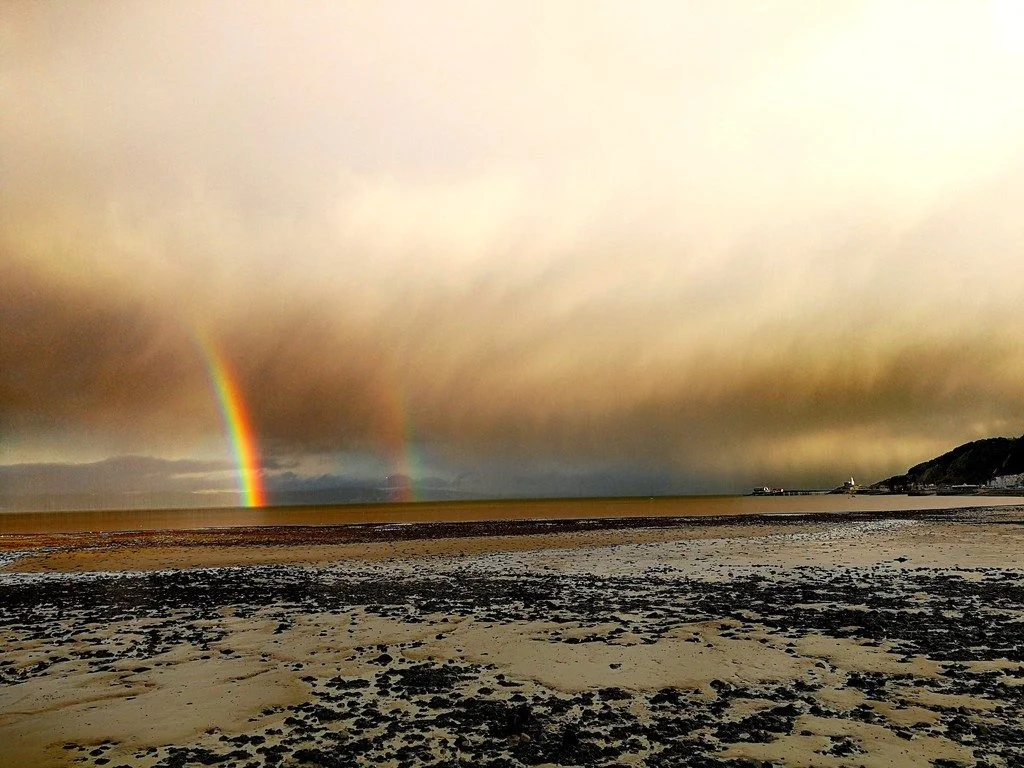
Imaggeo on Mondays: All seasons in one day
Storm fronts arrive on Britain’s west coast in waves throughout the winter (and very often the summer too!) It is not unusual to see rain falling on a beach with hail and snow lying, whilst a rainbow pierces the clouds. Description by Mary Gagen, as it first appeared on imaggeo.egu.eu. Imaggeo is the EGU’s online open …[Read More]
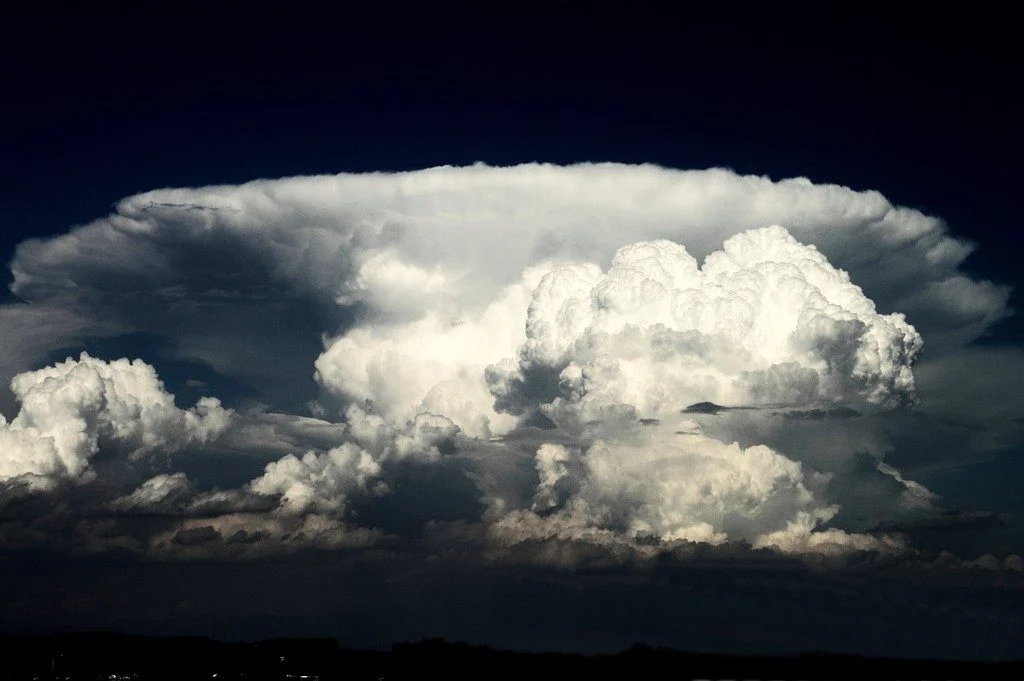
Imaggeo on Mondays: Cumulonimbus, king of clouds
This wonderful mature thunderstorm cell was observed near the German Aerospace Center (DLR) Oberpfaffenhofen. A distinct anvil can be seen in the background meanwhile a new storm cell is growing in the foreground of the cumulonimbus structure. Mature storm cells like this are common in Southern Germany during the summer season. Strong heat, enough moisture, …[Read More]
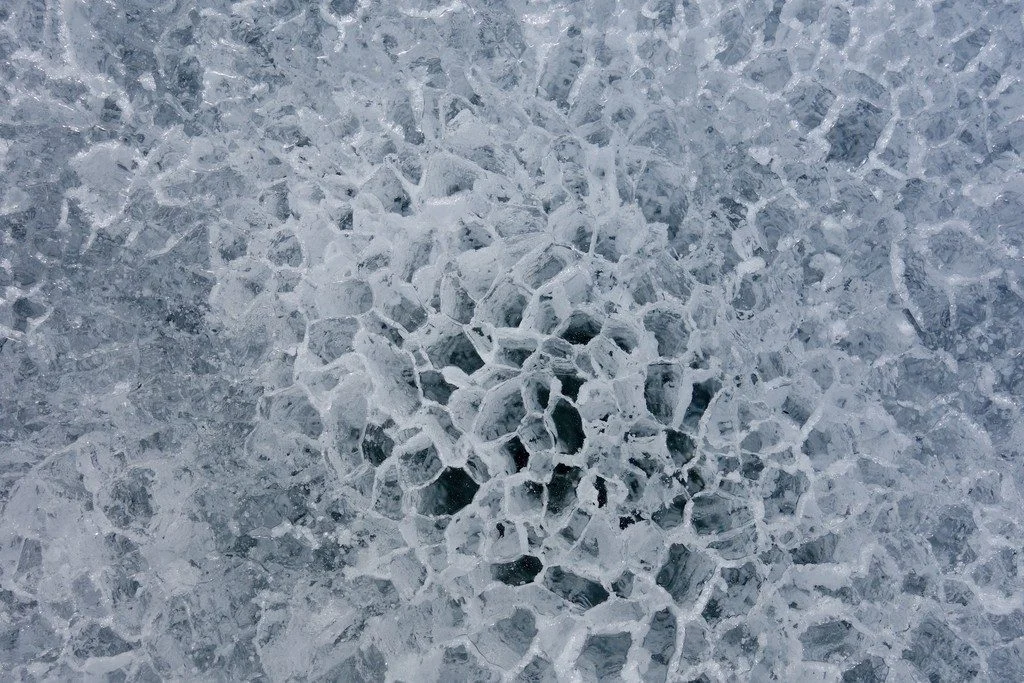
Imaggeo on Mondays: Antarctic winds make honeycomb ice
These delicate ice structures may look like frozen honeycombs from another world, but the crystalline patterns can be found 80 degrees south, in Antarctica, where they are shaped by the white continent’s windy conditions. In Western Antarctica is a 9-kilometre line of rocky ridges, called Patriot Hills. Often cold wind furiously descends from the hills …[Read More]
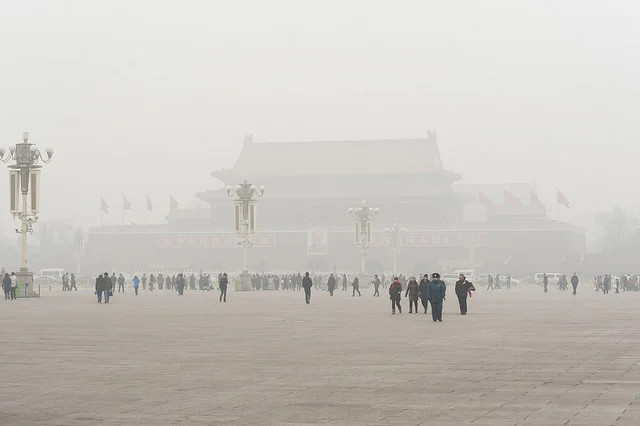
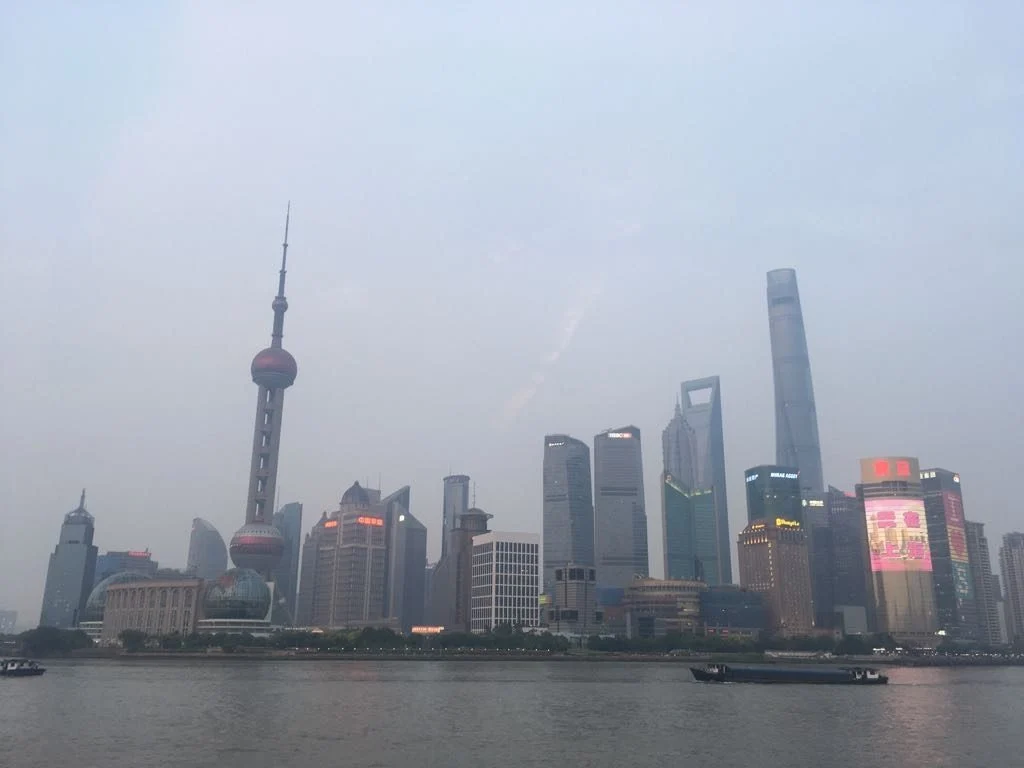
An overnight train view of China’s Anthropocene – Part 2
Science fiction is no match for industrial non-stop China. Electric bikes zip across the cities of Shanghai and Beijing, and soundtrack the neon nights with their passing whirr. Here, some kind of two-wheeled revolution has taken place which are we completely unaware of in the West. It’s Blade Runner meets Total Recall in a future …[Read More]
An overnight train view of China’s Anthropocene – Part 1
The nighttrain from Shanghai to Beijing is a comfortable affair. The train is new and clean. My travel partner and I can charge our phones and relax on soft beds. The railway is almost frictionless, and overall the experience is similar to any ride in the West. But outside, as the vehicle roars through the …[Read More]