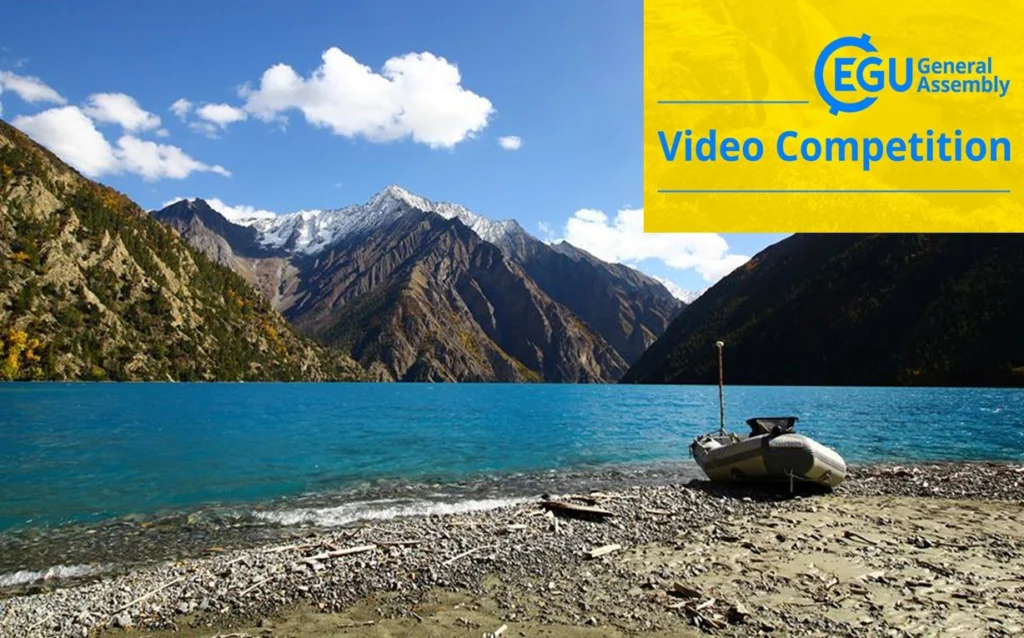
If you’ve not heard about our Communicate Your Science Video Competition before it gives early career scientists the chance to produce a video up-to-three-minutes long to share their research with the general public. The winning entry receives a free registration to the General Assembly the following year. In this GeoTalk interview, Laura Roberts talks to Zakaria …[Read More]
Early Career Scientists
GeoPolicy: An overview of EU funding for the Earth, atmosphere, and space sciences
Are you thinking of applying for funding? Or are you considering a career in academia and want to know where your research funding could come from? The European Union (EU) has large financial resources available for academic scientific research and innovation (R&I). This is in addition to national government funding bodies. This blog post, the …[Read More]
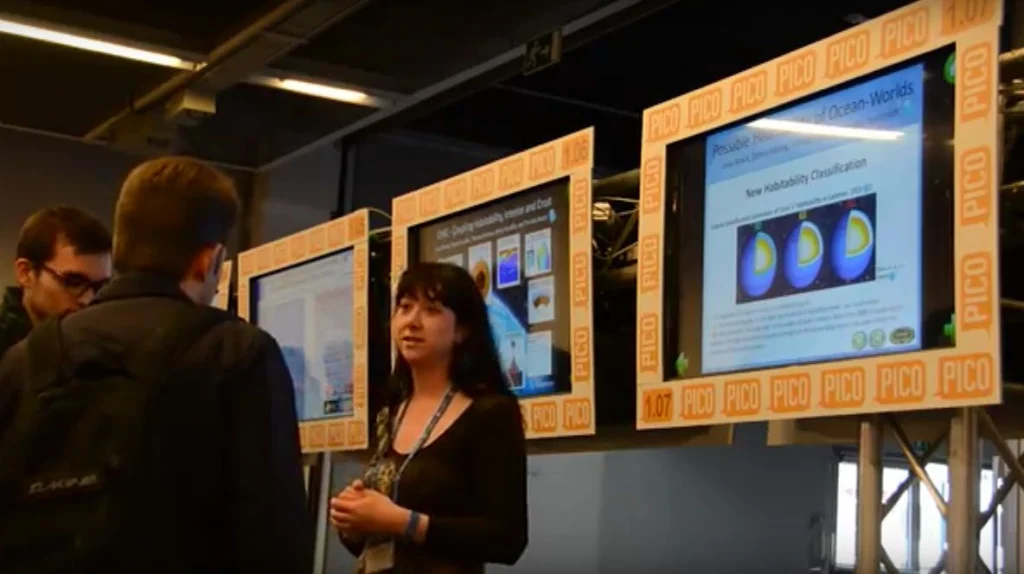
GeoTalk: Lena Noack, Early Career Scientist Representative
In addition to the usual GeoTalk interviews, where we highlight the work and achievements of early career researchers, over the next few months we’ll be introducing the Division early career scientist representatives (ECS). They are responsible for ensuring that the voice of EGU ECS membership is heard. From organising short courses during the General Assembly, …[Read More]
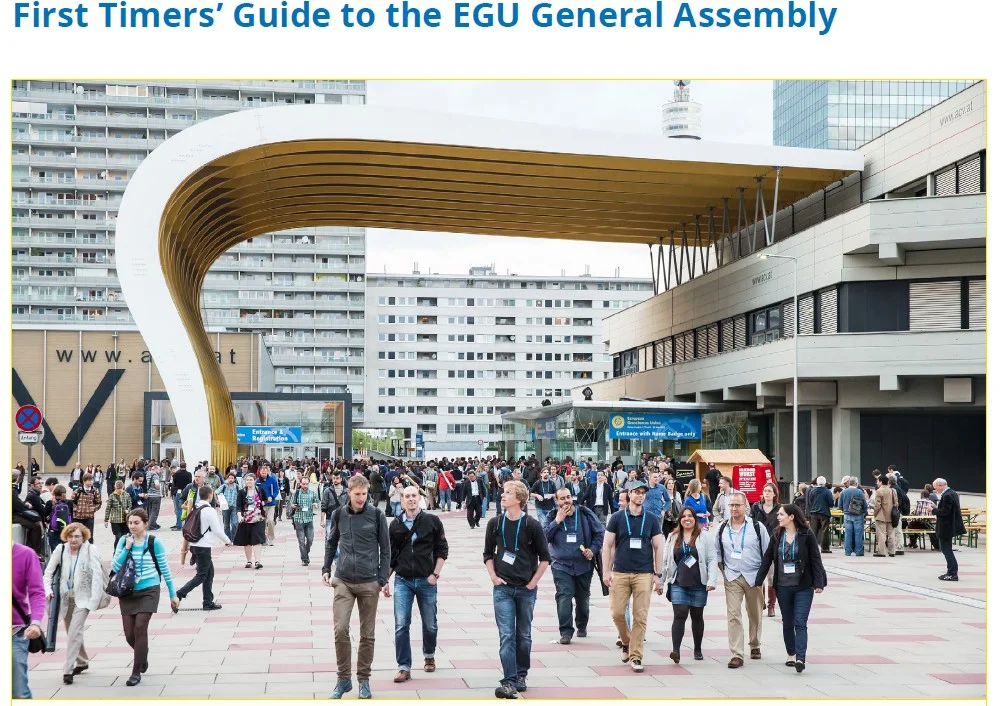
Abstract deadline for EGU 2016 fast approaching: A first-timer’s guide to the 2015 General Assembly
Are you considering attending the upcoming EGU General Assembly in Vienna? The conference brings together geoscientists from all over the world to one meeting covering all disciplines of the Earth, planetary and space sciences.. This year, the meeting will be held from the 17 to 22 April at the Austria Centre Vienna. The deadline for …[Read More]
Job opportunity at the EGU General Assembly: press assistant
We have a vacancy for an early career science communicator or science journalism student in Europe to work at the press office of the 2016 General Assembly, which is taking place in Vienna, Austria, from 17–22 April. Applications from geosciences students with science communication experience are also welcome. We are particularly interested in receiving applications from people with …[Read More]
A Challenge to communicate
In this guest post, Sam Illingworth, regular contributor to GeoLog on all things science communication and education, discusses whether it is the responsibility of all geoscientists to communicate their science and research and challenges you to make some time to get involved in public engagement in 2016. As researchers it is very easy to get …[Read More]
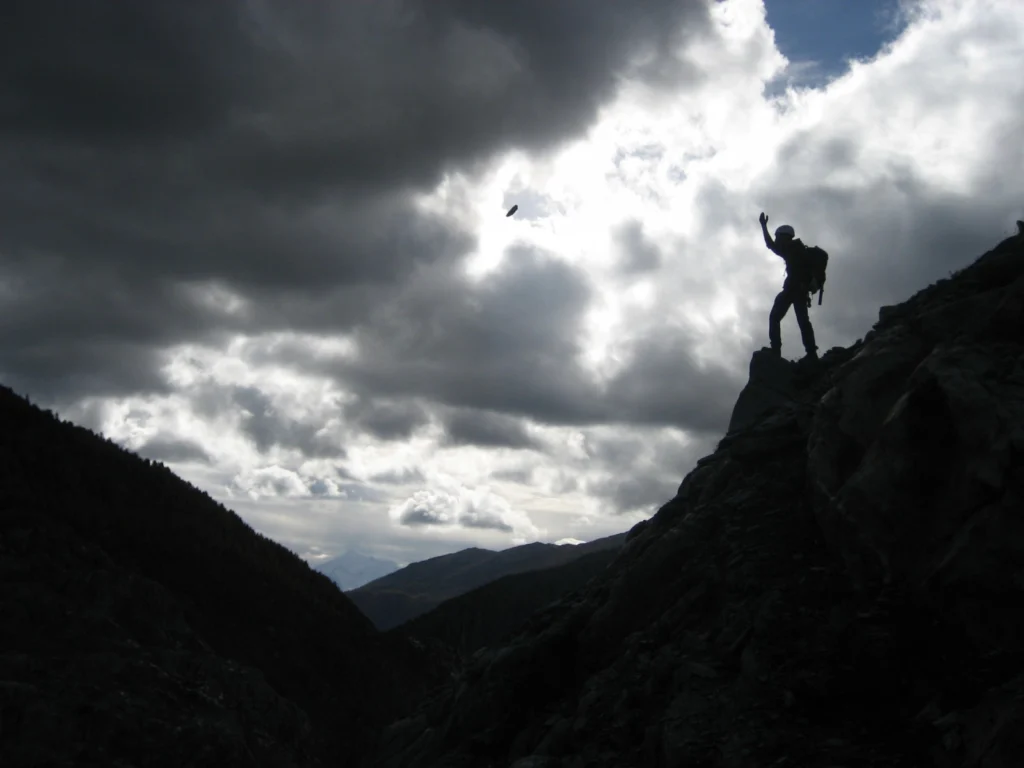
Imaggeo on Mondays: Flying Rocks
The picture was taken at a hillslope close to the glacier tongue of the Great Aletsch Glacier, the largest glacier in the Alps. With a length of 23 km it is located in the eastern Bernese Alps of Switzerland and composed of the three smaller glaciers Aletschfirn, Jungfraufirn and Eternal snow field converging at Concordia …[Read More]
The Sustainable Geoscientist – how many papers should academics really be publishing?
In this guest blog post, Nick Arndt, Professor at the Institut des Sciences de la Terre, Grenoble University, reflects on the pressures on academics to publish more and more papers, and whether the current scientific output is sustainable. Imagine a highly productive car factory. Thousands of vehicles are built and each is tested as it …[Read More]
GeoTalk: Anastasia Tezari – understanding space weather
Weather – it dictates the clothes we wear, is engrained in our culture, shapes our seasons and plays an important role in our daily lives. Not only that, its long term forecast and understanding of its variability, is the focus of much research as it holds one of the keys to understanding the Earth’s past …[Read More]
Communicate Your Science Video Competition is now open!
Want to communicate your research to a wider audience and try your hand at video production? Now’s your chance! The competition is open to early career scientists (ECS) who intend to register for the EGU General Assembly. The aim is to produce a video up-to-three-minutes long to share your research with the general public. The …[Read More]