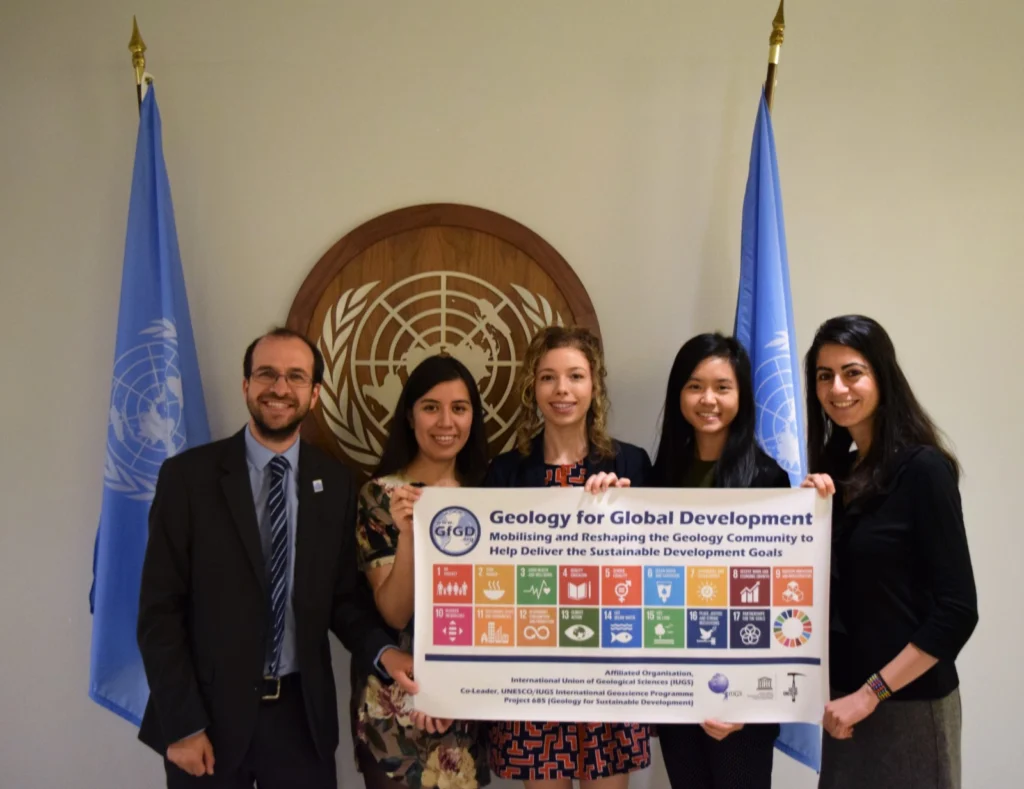
Geotalk is a regular feature highlighting early career researchers and their work. In this interview we speak with Joel Gill who a geoscientist, based in the UK, who works at the British Geological Survey, supporting their international development programmes, whilst also researching multi-hazards and disaster risk reduction. In addition he leads a not-for-profit organisation, Geology for Global D ...[Read More]
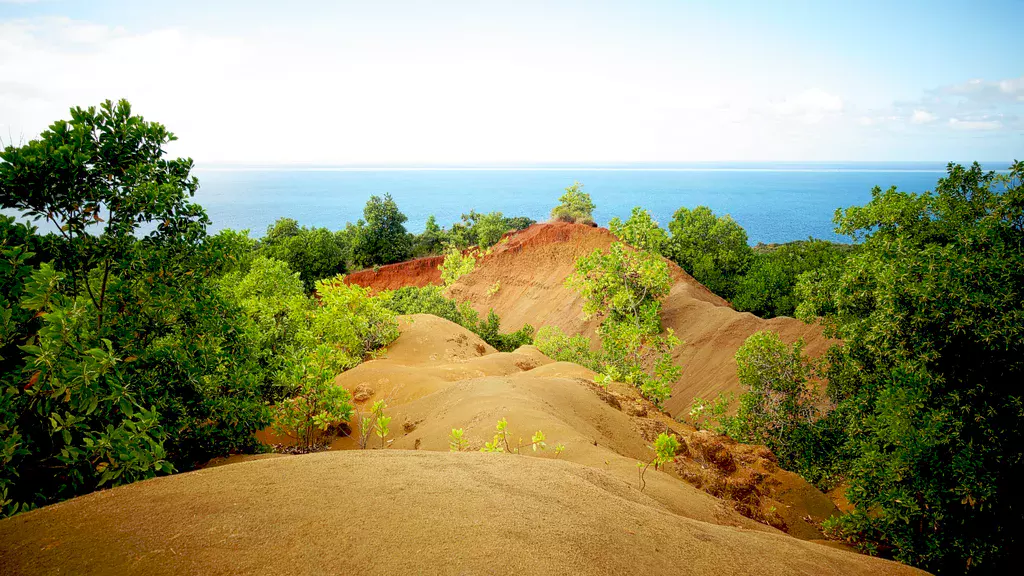
Imaggeo On Mondays: Contrasted island in the Mozambic Canal
Mayotte, the so-called “perfume island”, is a volcanic island of the Comoros Archipelago and a French overseas department which hit the headlines in 2018-2019 with an enigmatic as well as frightening seismic swarm, recently linked to the appearance of a new submarine volcano nearby. Surrounded by one of the largest lagoons in the World and sprinkled with small islands, Mayotte only rea ...[Read More]
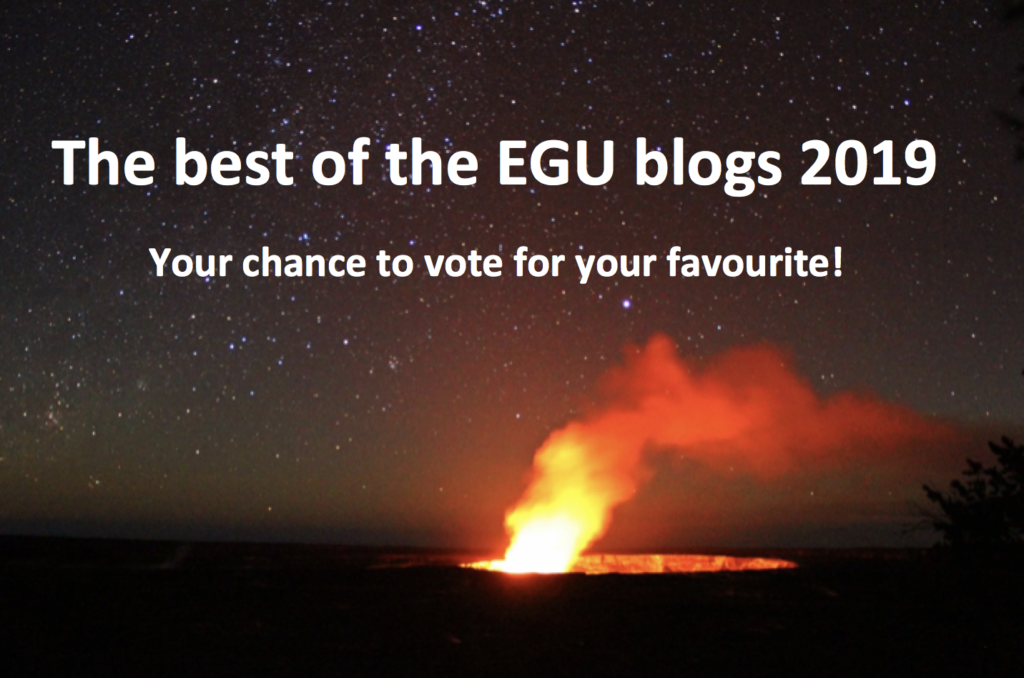
Winners of the EGU Best Blog Posts of 2019 Competition
2019 was a brilliant year for our blogging network here at EGU. Across the EGU’s official blog, GeoLog, as well as the network and division blogs there were so many interesting, educational and just downright entertaining posts this year it was hard to get the blog editors to choose their favourites! Nevertheless in December, to celebrate the excellent display of science writing across the network ...[Read More]
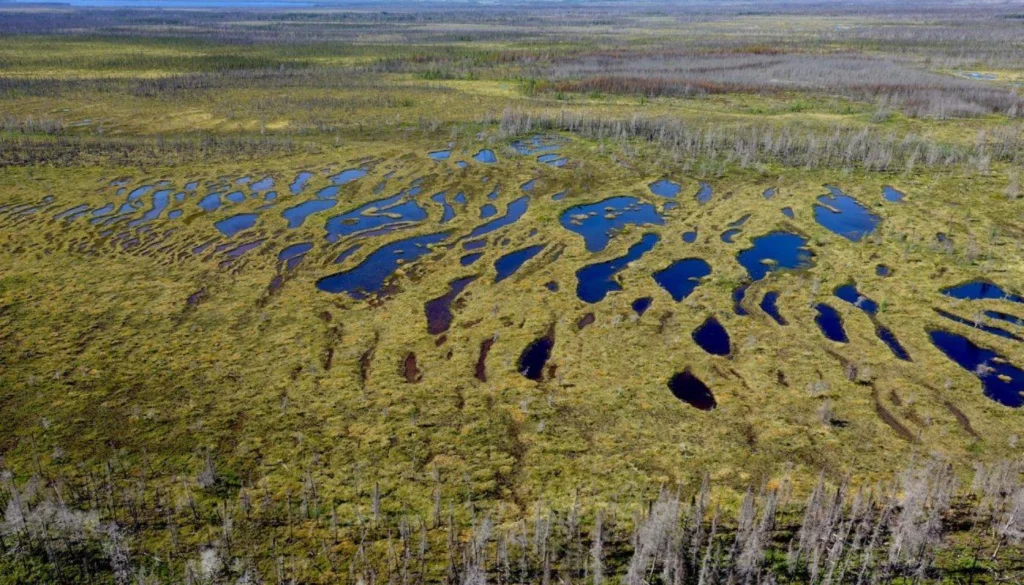
The Carbon Potential of Peat
2020 is being described by many as a tipping point: the year that humanity as a species must take concrete and measurable action to prevent catastrophic climate change. But even if we do manage to slow carbon emissions from 2020 onwards, how would the planet deal with all the carbon dioxide we have produced so far? How much capacity do the planet’s natural carbon sequestration reserves actually ha ...[Read More]
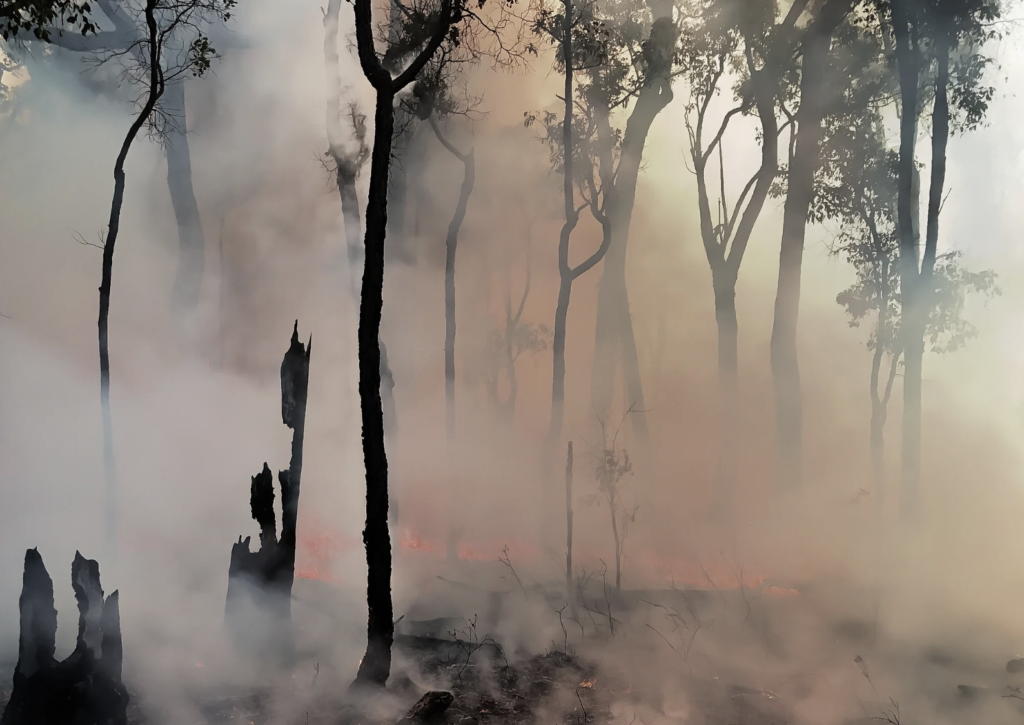
Imaggeo on Mondays: Setting trees aflame to understand the carbon balance of fires
Smoke clears after an experimental wildfire in Australian eucalyptus forest carried out for carbon balance estimations of wildfires. We meticulously measured the carbon in all leaves, twigs, logs and bark in a forest block about 35km east of Manjimup and then they set it on fire with help from the Dept. of Parks and Wildlife, [Western Australia]. We the counted the carbon all over again including ...[Read More]
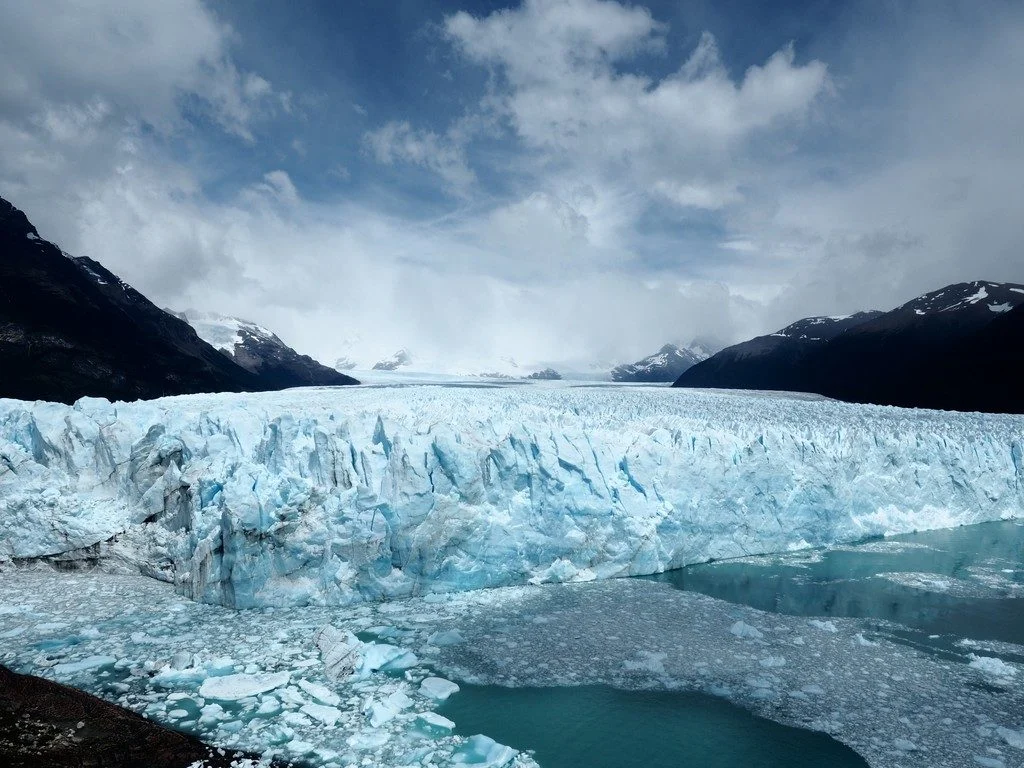
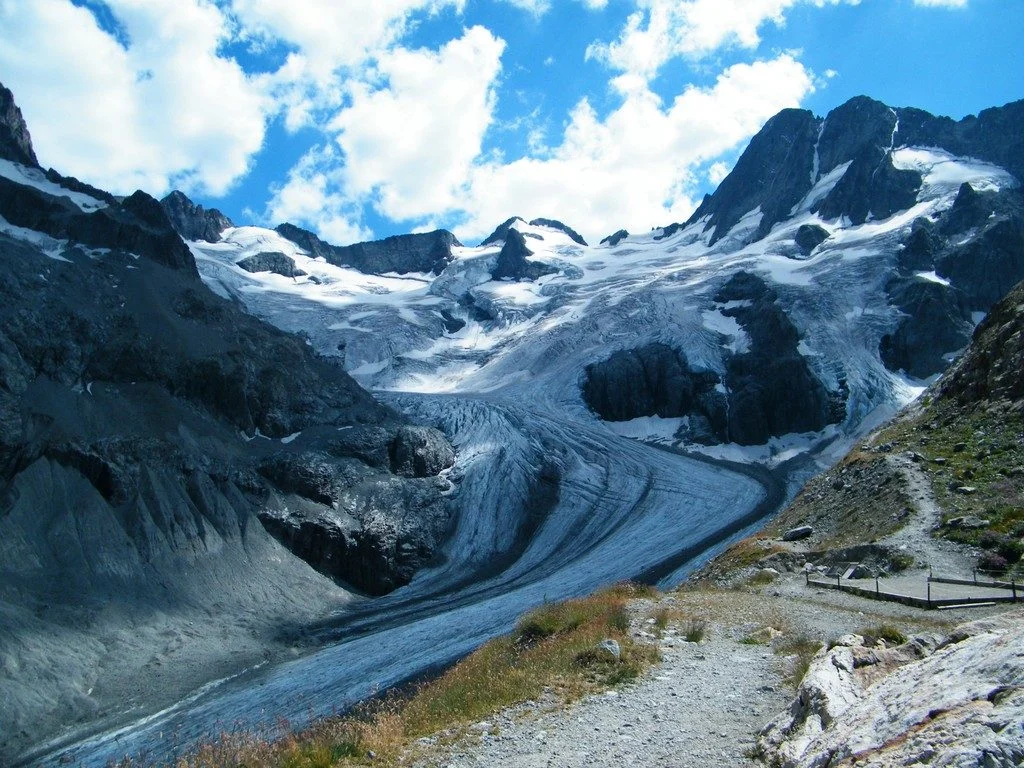
Imaggeo on Mondays: The glacier surviving climate change
Human impacts on the climate are nowadays clearly discernible, and the changes to our climate that previously happened in geologic time scales are currently happening during the span of a human lifetime. Our planet is warming and temperature today is now more than 1°C higher than it was in the pre-industrial world and rises by about 0.15-0.2°C on average each decade. The dramatic effects of this r ...[Read More]
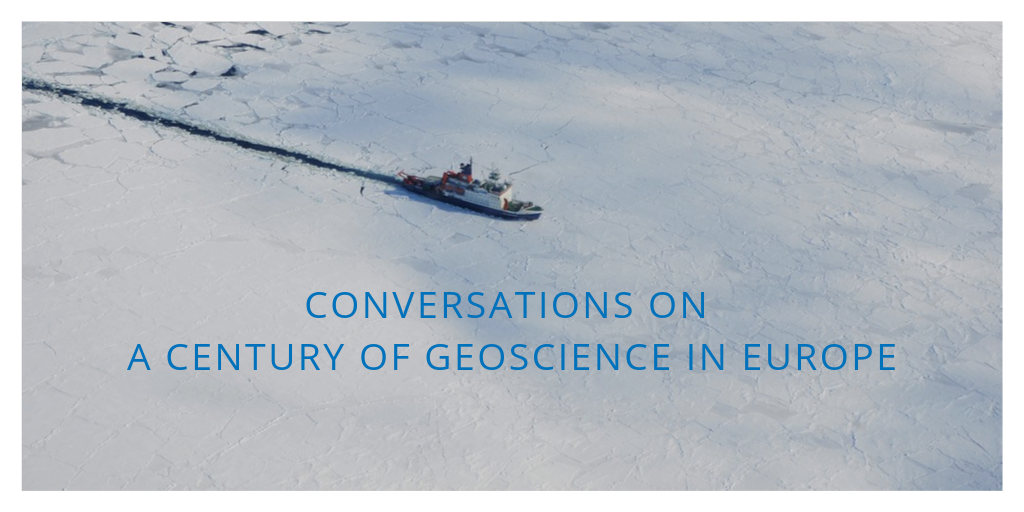
Conversations on a century of geoscience in Europe: Part 2
When you think about the last century of geoscience, what comes to mind? Perhaps Alfred Wegener’s theory of continental drift? Or Inge Lehmann’s discovery of Earth’s solid inner core? Over the last 100 years, geoscientists have made incredible contributions to our understanding of the Earth, the solar system, and beyond. The science community has explored uncharted territory, challenged previously ...[Read More]
September GeoRoundUp: the best of the Earth sciences from around the web
Drawing inspiration from popular stories on our social media channels, major geoscience headlines, as well as unique and quirky research, this monthly column aims to bring you the latest Earth and planetary science news from around the web. Major stories Latest IPCC report puts the oceans and cryosphere in focus Last month the United Nations’ Intergovernmental Panel on Climate Change (IPCC) releas ...[Read More]
Imaggeo on Mondays: how short-term storms can impact our landscapes
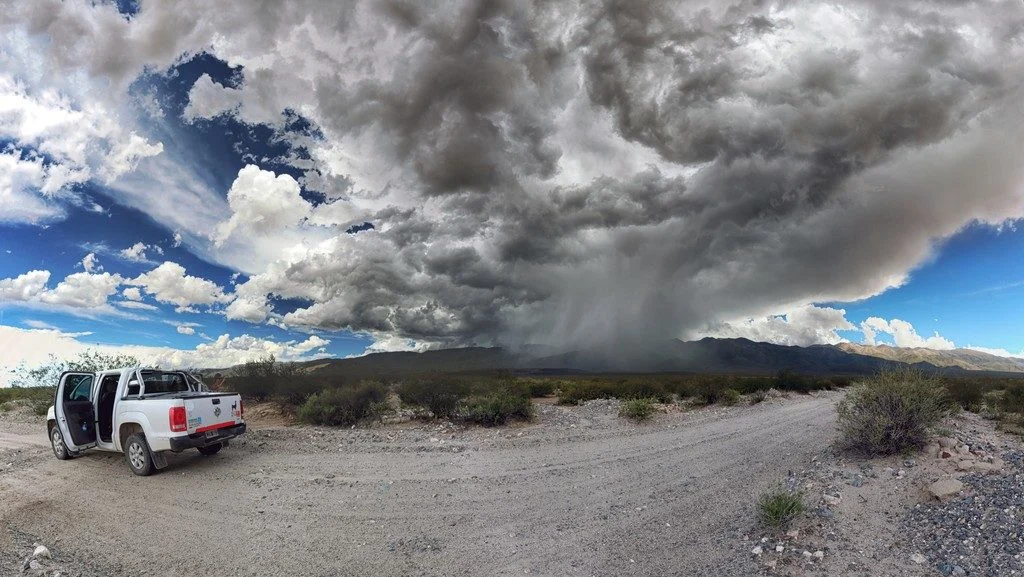
In the Sierra de Aconquija, a mountain range in the southern Central Andes of Argentina, strong storms often come and go at a moment’s notice, but they can have a long-lasting impact on the Earth’s surface. The thunderstorm cell featured in this photo formed in less than half an hour, giving all those nearby only a few minutes to take cover. Mitch D’Arcy, a geomorphologist and postdoctoral researc ...[Read More]
Conversations on a century of geoscience in Europe: Part 1
When you think about the last century of geoscience, what comes to mind? Perhaps Alfred Wegener’s theory of continental drift? Or Inge Lehmann’s discovery of Earth’s solid inner core? Over the last 100 years, geoscientists have made incredible contributions to our understanding of the Earth, the solar system, and beyond. The science community has explored uncharted territory, challenged previously ...[Read More]