GeoLog

Climate: Past, Present & Future

The role of exploration geologists in fostering healthy community-industry relationships
The role of exploration geologists in fostering healthy community-industry relationships
In November 2015, the failure of the Fundão tailings dam in Brazil devastated the surrounding landscape and local villages, killing 19 people and leaving the media filled with images of landslides, fallen infrastructure and ruined livelihoods. The limited communication and lack of relationship between joint operators BHP Billiton and Brazilian company Vale with the surrounding communities exacerba ...[Read More]

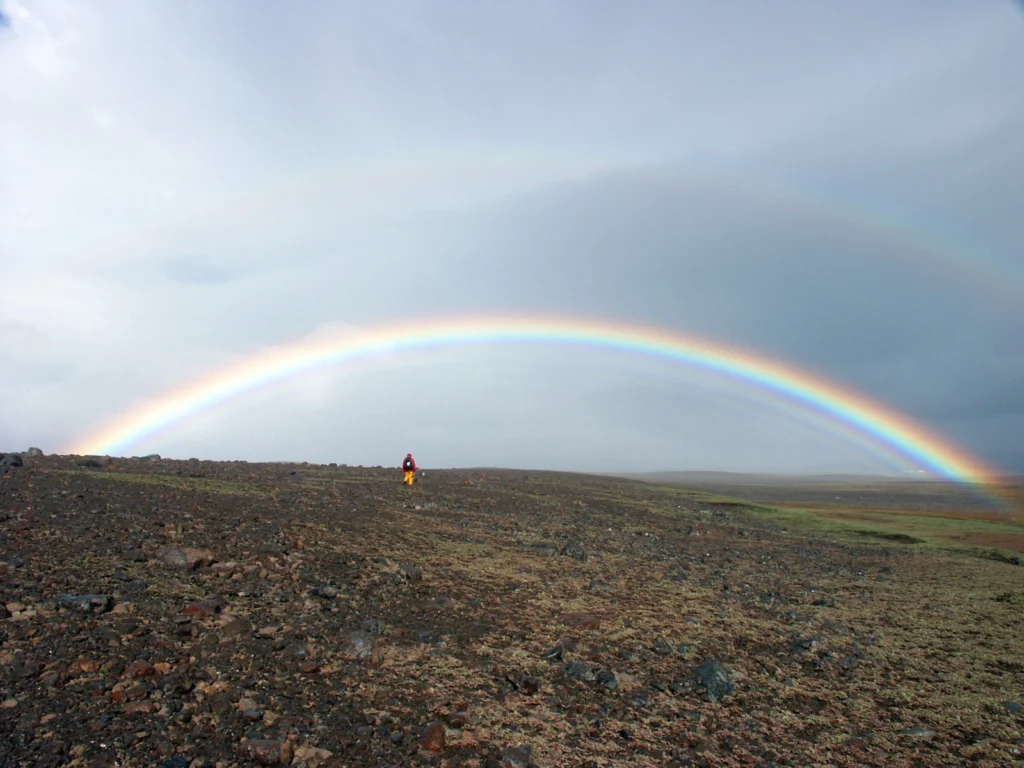
Imaggeo on Mondays: A spectacular rainbow

Imaggeo on Mondays: A spectacular rainbow

Back in February 2005, François Dulac and Rémi Losno worked in the field in the very remote Kerguelen Islands (also known as the Desolation Islands). Located in the southern Indian Ocean they are one, of the two, only exposed parts of the mostly submerged Kerguelen Plateau. Our work consisted in sampling atmospheric aerosols and their deposition by rain on the island, which is a meeting point for ...[Read More]

Imaggeo on Mondays: A spectacular view of moss-covered rocks

Imaggeo on Mondays: A spectacular view of moss-covered rocks

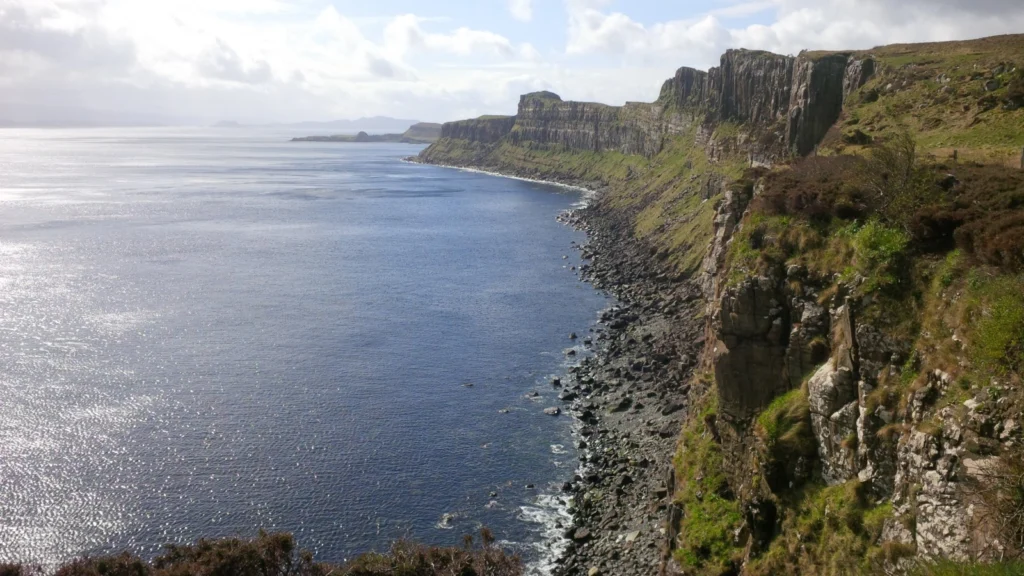
Geology has shaped the rugged landscape of the Isle of Skye – the largest island of Scotland’s Inner Hebrides archipelago. From the very old Precambrian rocks (approximately 2.8 billion years old) in the south of the island, through to the mighty glaciers which covered much of Scotland as recently as 14,700 years ago, the modestly-sized island provides a snap-shot through Earth’s dynamic his ...[Read More]

GeoPolicy: COP23 – key updates and outcomes

GeoPolicy: COP23 – key updates and outcomes

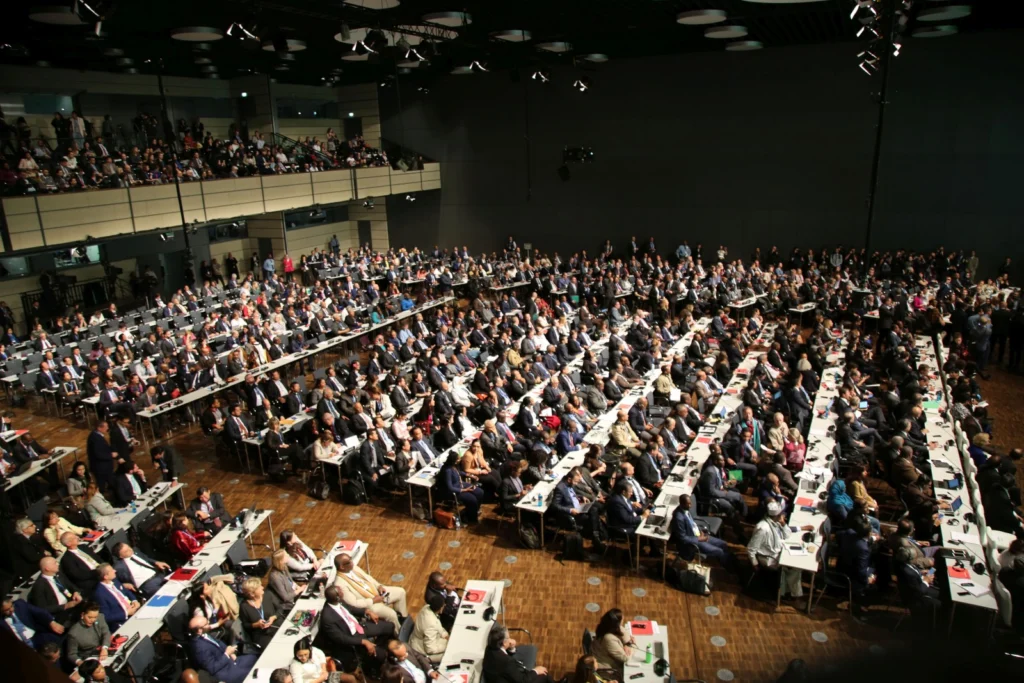
What is COP23? Anthropogenic climate change is threatening life on this planet as we know it. It’s a global issue… and not one that is easily solved. The Conference of the Parties (COP) provides world leaders, policy workers, scientists and industry leaders with the space to share ideas and decide on how to tackle climate change and generate global transformative change. COP23 will predominantly f ...[Read More]

GeoSciences Column: The dirty business of shipping goods by sea

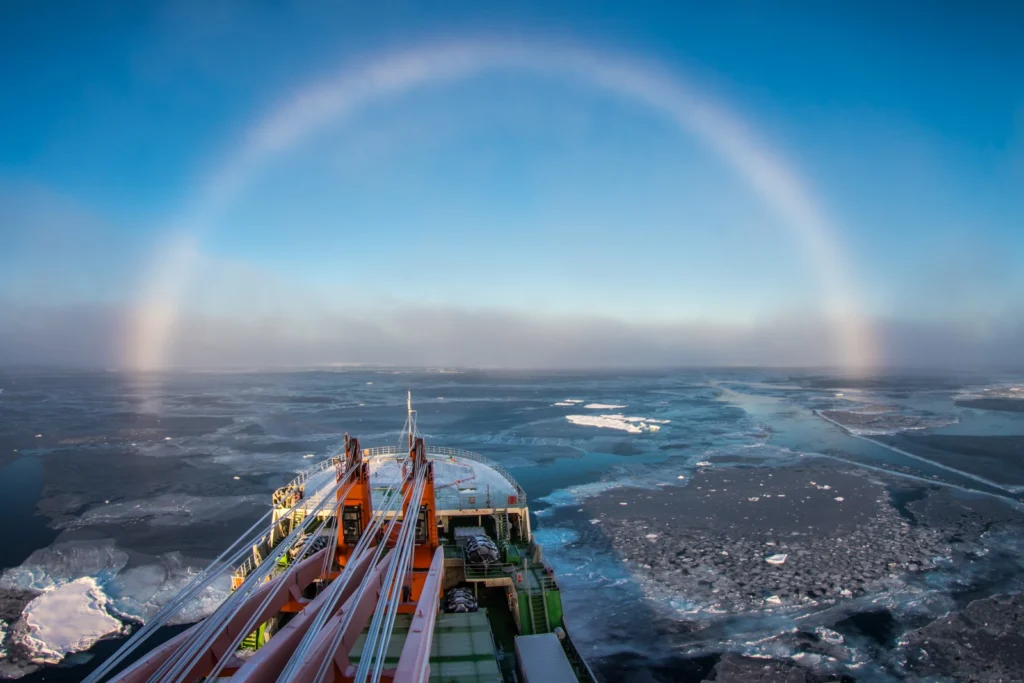
“Above the foggy strip, this white arch was shining, covering one third of the visible sky in the direction of the ship's bow,” he explains. “It was a so-called white, or fog rainbow, which appears on the fog droplets, which are much smaller then rain droplets and cause different optic effects, which is a reason of its white colour.”

Shipping goods across the oceans is cost-effective and super-efficient; that’s why over 80% of world trade is carried by sea (according to the International Maritime Organisation). But the shipping industry also contributes significant amounts of air pollutants to marine and coastal environments. A new study, published in the EGU’s open access journal Earth System Dynamics, reports on concentratio ...[Read More]

October GeoRoundUp: the best of the Earth sciences from around the web

Display "Following Carbon Dioxide Through the Atmosphere" from YouTube Click here to display content from YouTube. Learn more in YouTube’s privacy policy (opens in a new tab). Please enable JavaScript in your browser to load this content. Always display content from YouTube Open "Following Carbon Dioxide Through the Atmosphere" directly Carbon dioxide plays a significant role i ...[Read More]

Imaggeo on Mondays: Ice forming on Chesapeake Bay

Imaggeo on Mondays: Ice forming on Chesapeake Bay

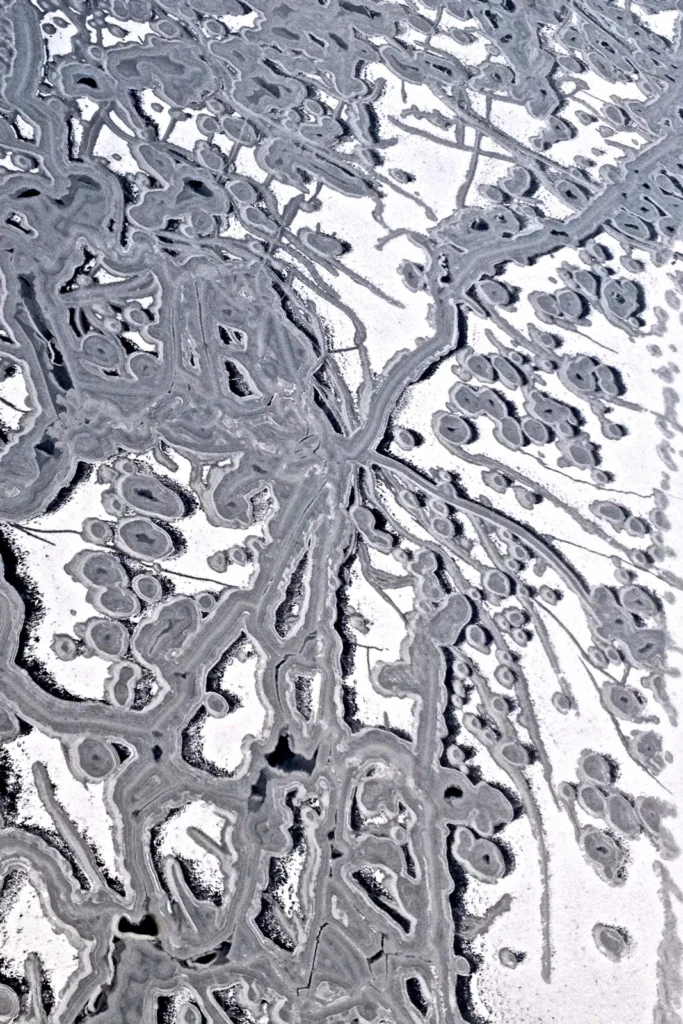
Sandwiched between the U.S states of Mayland, Delaware, Pennsylvania, New York State, the District of Columbia and Virginia, lies Chesapeake Bay, the largest estuary in North America. It is of huge ecological importance: “the bay, its rivers, wetlands and forests provide homes, food and protection for countless animals and plants”, says the Chesapeake Bay Program. Up to 150 major rivers and stream ...[Read More]

GeoTalk: Hellishly hot period contributed to one of the most catastrophic mass extinctions of Earth’s history

GeoTalk: Hellishly hot period contributed to one of the most catastrophic mass extinctions of Earth’s history

Geotalk is a regular feature highlighting early career researchers and their work. Following the EGU General Assembly, we spoke to Yadong Sun, the winner of a 2017 Arne Richter Award for Outstanding Early Career Scientists, about his work on understanding mass-extinctions. Using a unique combination of sedimentological, palaeontological and geochemical techniques Yadong was able to identify some o ...[Read More]

Imaggeo on Mondays: One of the oldest evergreen rainforests in the world

Imaggeo on Mondays: One of the oldest evergreen rainforests in the world

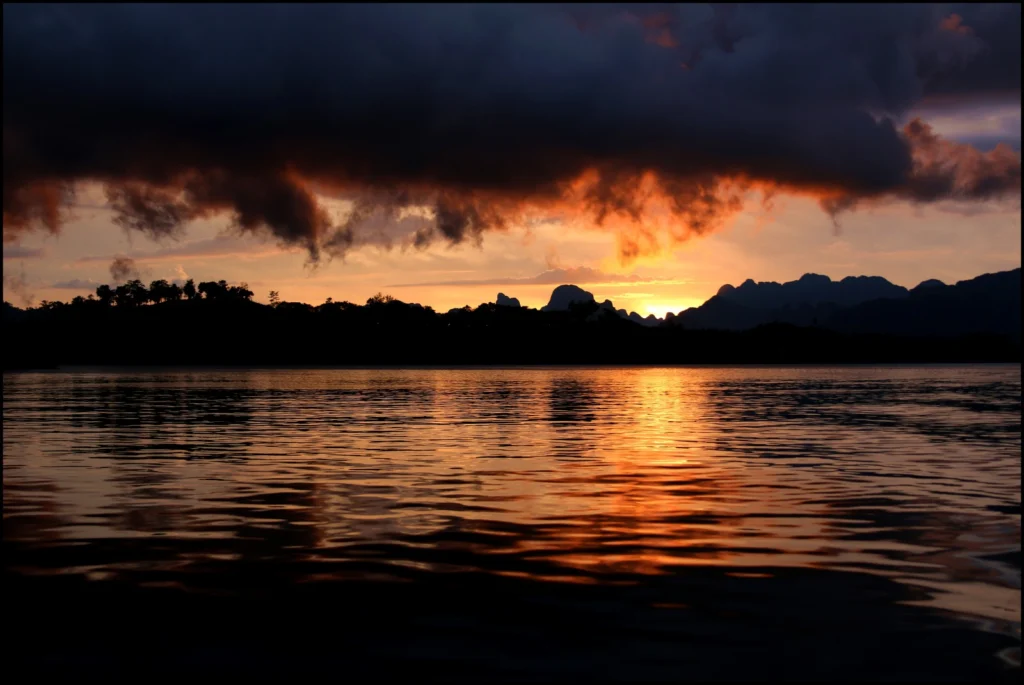
A blazing sky and shimmers cast by water ripples frame the spectacular beauty of one of the world’s oldest treasures: an evergreen rainforest in Thailand. Today’s featured image was captured by Frederik Tack, of the Institute for Space Aeronomy in Brussels. This picture was taken during sunset between the limestone mountains with the sunlight reflecting on beautiful Ratchaprapha lake i ...[Read More]

How certain plants survive mass extinction events: study

How certain plants survive mass extinction events: study

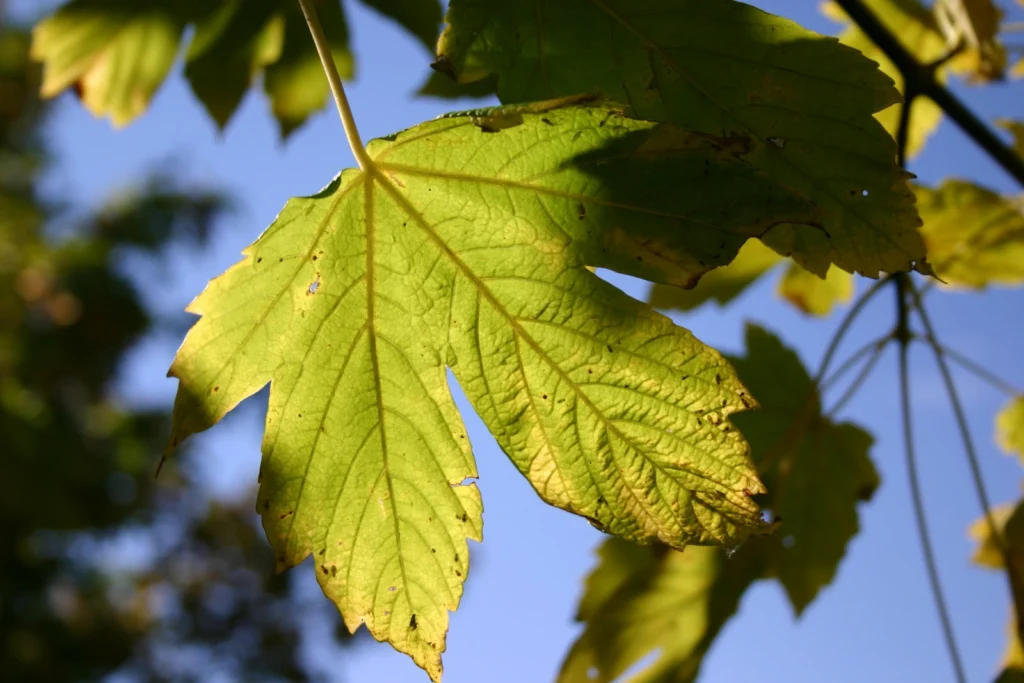
We often read about Earth’s mass extinction events and how they wiped out vast numbers of animal species, leaving survivors to evolve and repopulate the planet. But it’s rarer to hear about how plants managed these catastrophes. A new study published last month by a team at University College Dublin, Ireland, in the journal Nature Plants shows how plants with thicker, heavier leaves we ...[Read More]