GeoLog

Biogeosciences

How certain plants survive mass extinction events: study
How certain plants survive mass extinction events: study
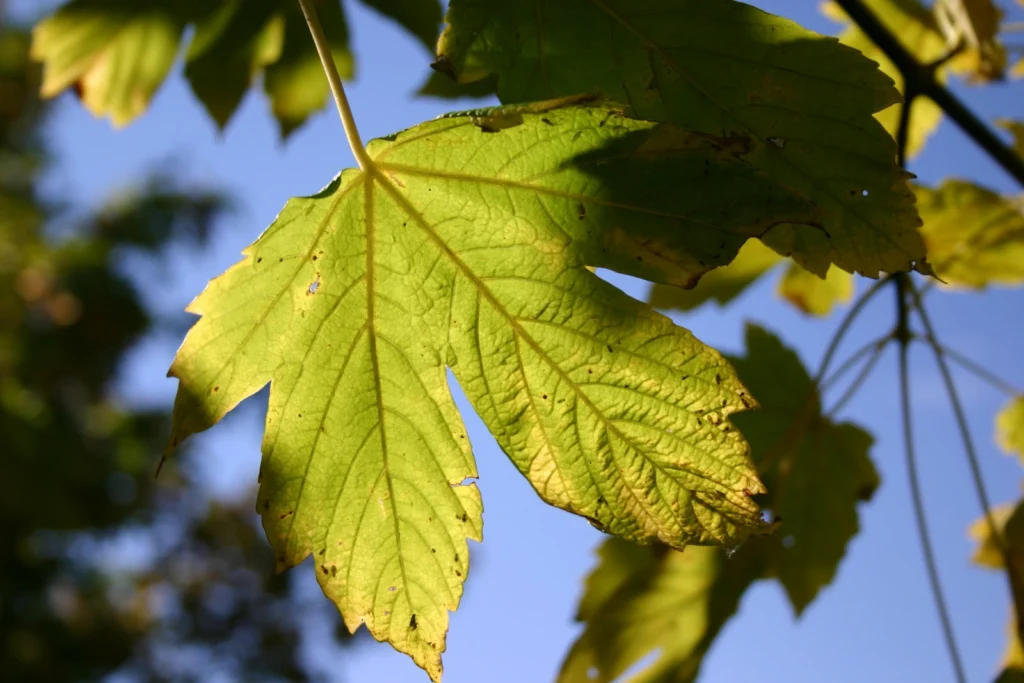
We often read about Earth’s mass extinction events and how they wiped out vast numbers of animal species, leaving survivors to evolve and repopulate the planet. But it’s rarer to hear about how plants managed these catastrophes. A new study published last month by a team at University College Dublin, Ireland, in the journal Nature Plants shows how plants with thicker, heavier leaves we ...[Read More]

Imaggeo on Mondays: The unique bogs of Patagonia

Imaggeo on Mondays: The unique bogs of Patagonia

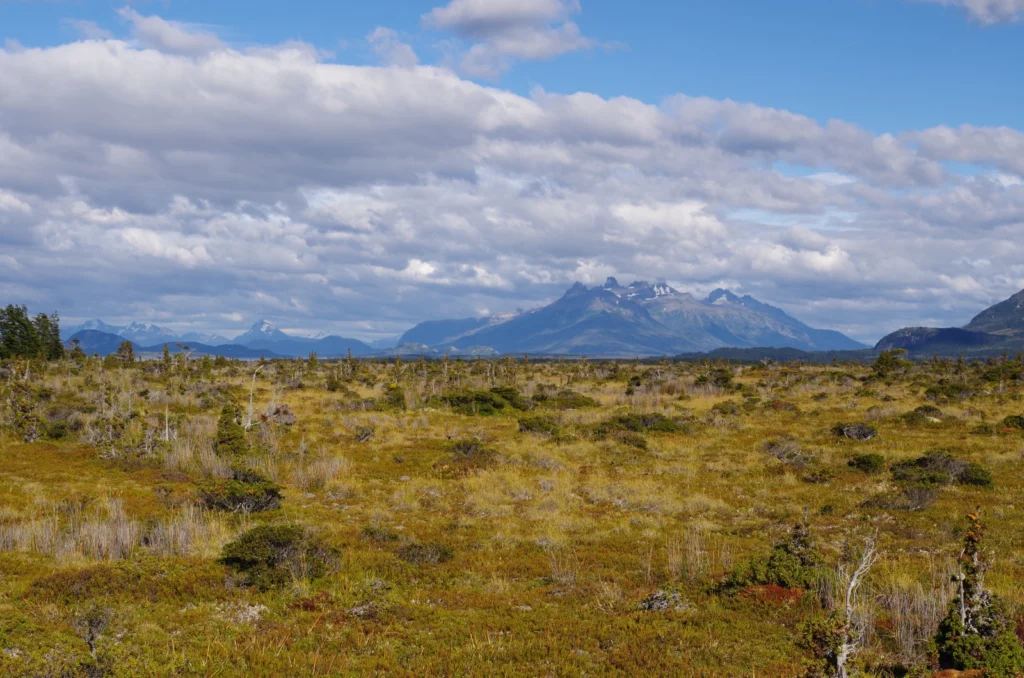
Patagonia, the region in southernmost tip of South America, is as diverse as it is vast. Divided by the Andes, the arid steppes, grasslands and deserts of Argentina give way to the temperate rainforests, fjords and glaciers of Chile. Also on the Chilean side are rolling hills and valleys of marshy topography: Patagonia’s bogs. Today, Klaus-Holger Knorr, a researcher at the University of Münster’s ...[Read More]

Imaggeo on Mondays: Measuring the wind direction

Imaggeo on Mondays: Measuring the wind direction

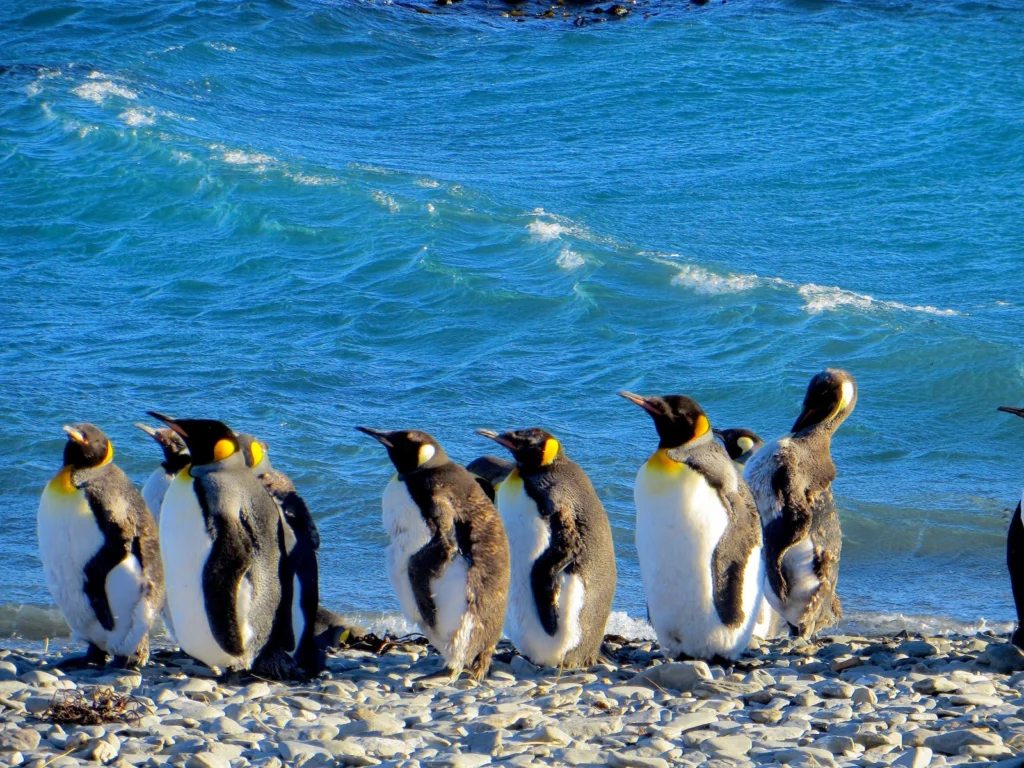
Remote, rugged, raw and beautiful beyond measure, the island of South Georgia rises from the wild waters of the South Atlantic, 1300 km south east of the Falkland Islands. The Allardyce Range rises imposingly, south of Cumberland Bay, dominating the central part of the island. At its highest, it towers 2935 m (Mount Paget) above the surrounding landscape. In the region of 150 glaciers carve their ...[Read More]

Record-setting forest fires in 2017 – what is to blame?

Record-setting forest fires in 2017 – what is to blame?

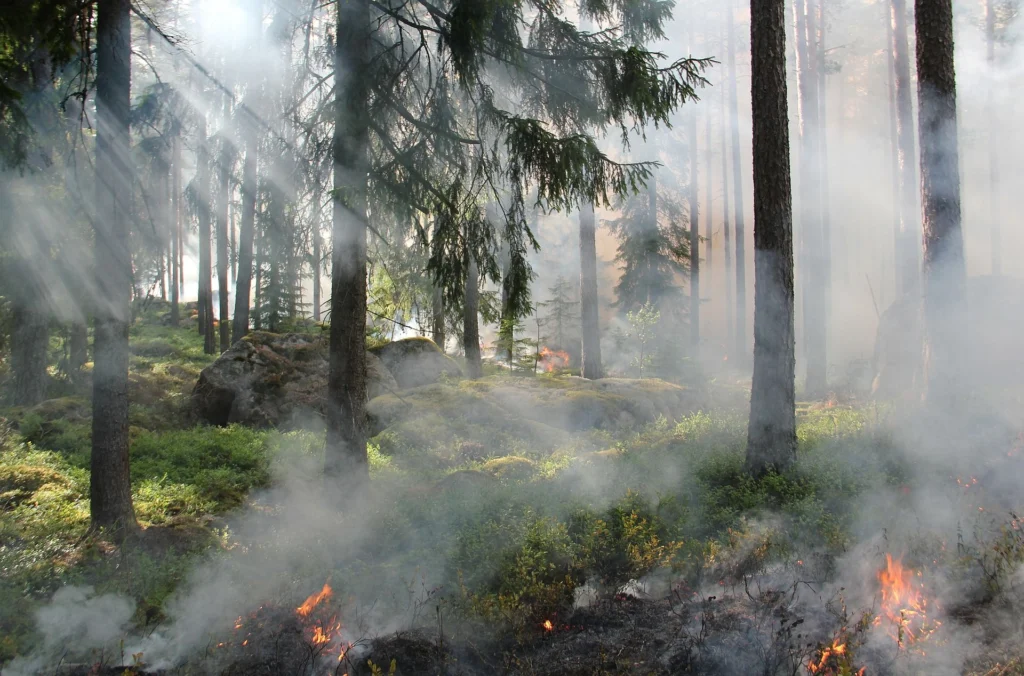
Forest fires have once again seized the public consciousness in both Europe and North America. Extreme drought and temperatures contributed to a tinderbox in many forests, and have led to deadly fires across Europe and record-breaking, highly disruptive fires in the USA and Canada, from where I’m currently writing. A simple way to understand fire is by thinking about the fire triangle – the three ...[Read More]

GeoSciences Column: Catch of the day – what seabirds can tell us about the marine environment

GeoSciences Column: Catch of the day – what seabirds can tell us about the marine environment

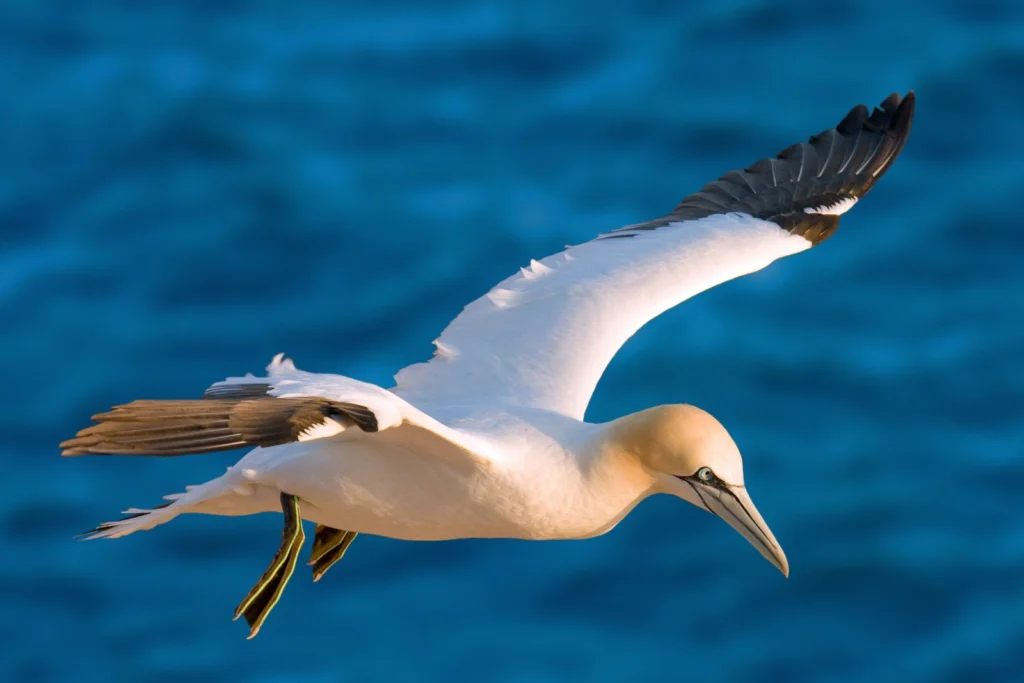
Off the coast of Germany, a male northern gannet (for ease, we’ll call him Pete) soars above the cold waters of the North Sea. He’s on the hunt for a shoal of fish. Some 40km due south east, Pete’s mate and chick await, patiently, for him to return to the nest with a belly full of food. Glints of silver just below the waves; the fish have arrived. Pete readies himself. Body rigid, wings tucked in ...[Read More]

Imaggeo on Mondays: A prehistoric forest

Imaggeo on Mondays: A prehistoric forest

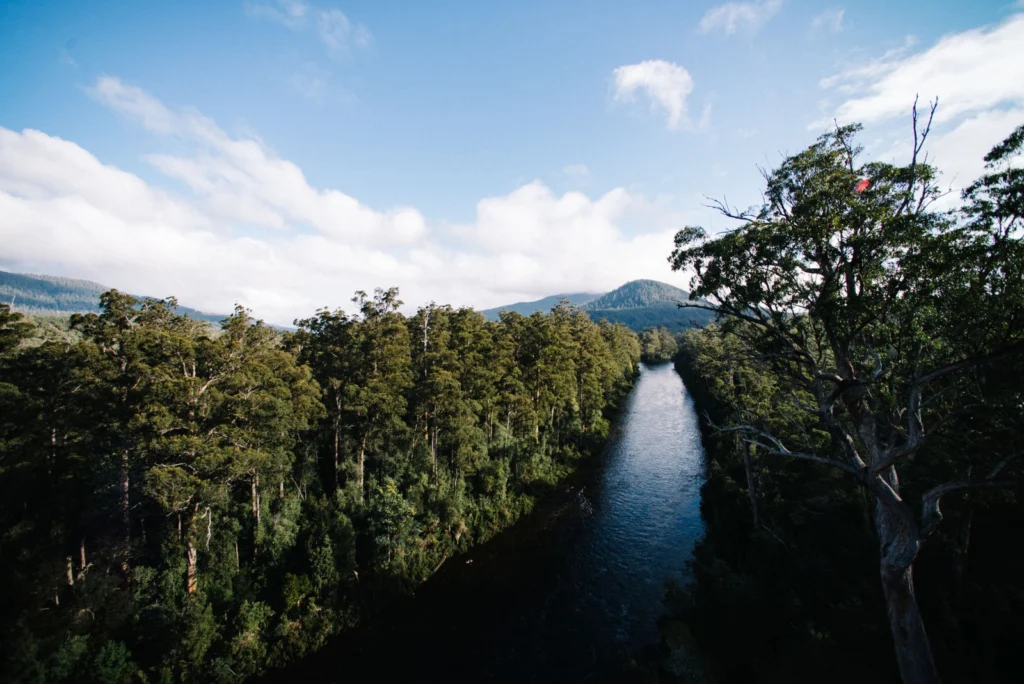
This stunning vista encompasses the south-western wilderness of Tasmania as seen from the Tahune air walk 60 m above the Huon river valley. In front lies the beginning of a huge UNESCO World Heritage Site, covering almost a fourth of the area of Tasmania. The site mostly consists of a pristine, temperate rainforest of Gondwanan origin that is home to the tallest flowering trees in the world; Eucal ...[Read More]

Imaggeo on Mondays: Low tide at Alexandra Fjord

Imaggeo on Mondays: Low tide at Alexandra Fjord

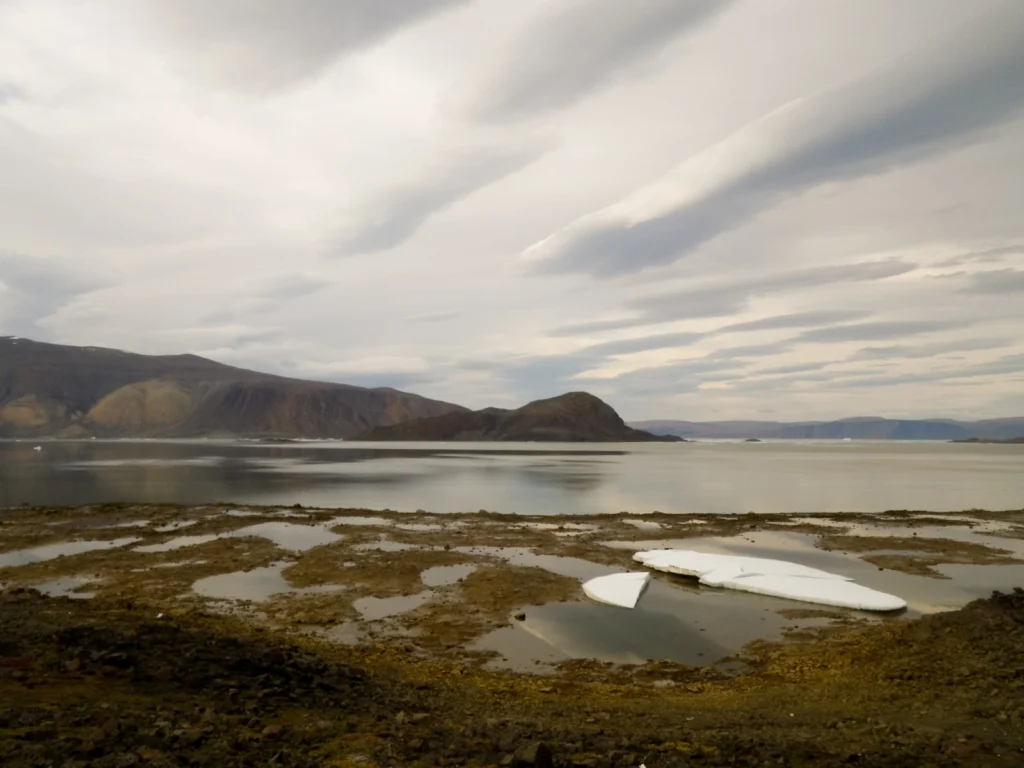
Today’s post takes us to the far northern reaches of our planet, to a desert like nothing you’ve seen before. This picture is a view to the north across Alexandra Fjord, on the east coast of Ellesmere Island, in the Canadian High Arctic, with Sphynx island in the middle of the fjord. The south shore of Alexandra Fjord includes a polar oasis, an area of tundra vegetation and relatively mild climati ...[Read More]

June GeoRoundUp: the best of the Earth sciences from around the web

June GeoRoundUp: the best of the Earth sciences from around the web

Drawing inspiration from popular stories on our social media channels, as well as unique and quirky research news, this monthly column aims to bring you the best of the Earth and planetary sciences from around the web. Major Story With June being the month when the world’s oceans are celebrated with World Ocean Day (8th June) and the month when the UN’s Ocean Conference took place, it seemed apt t ...[Read More]

Artificial floods: Restoring the ecological integrity of rivers

Artificial floods: Restoring the ecological integrity of rivers

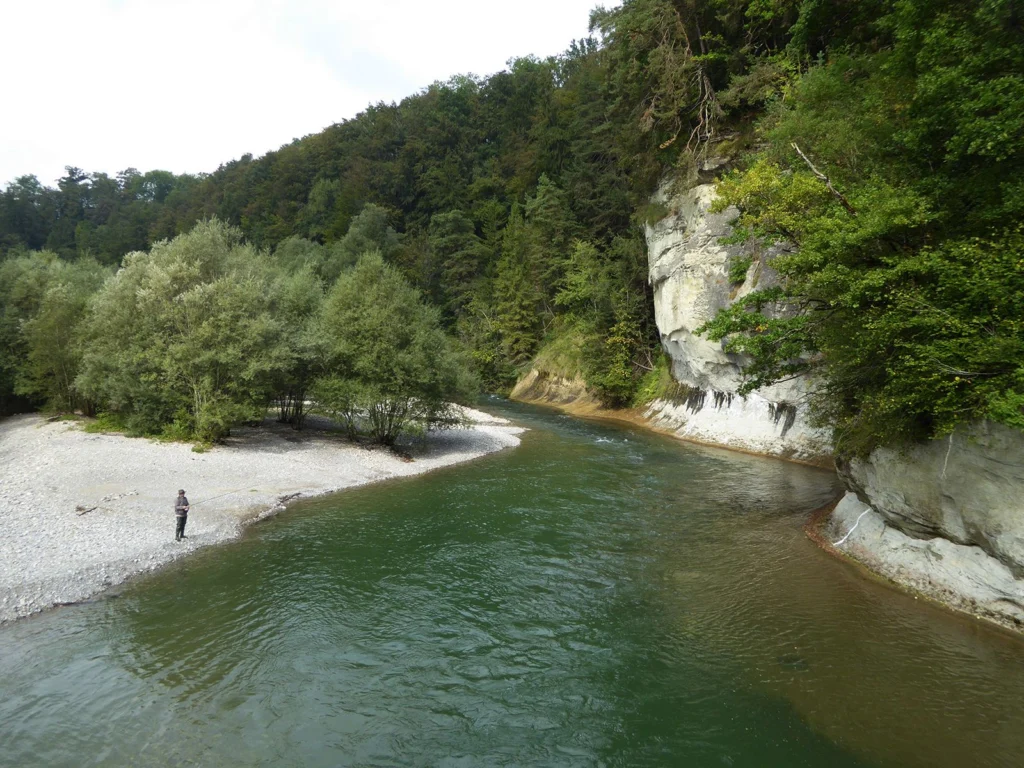
“You can never step into the same river, for new waters are always flowing on to you.” —Heraclitus of Ephesus Rushing rivers, with their unremitting twists and turns and continuous renewal, are often used as a metaphor for life, but the analogy is just as appropriate for scientific research, I reflected as I walked along the banks of a sparkling, turquoise-blue river in the heart of th ...[Read More]

Imaggeo on Mondays: A lava layer cake

Imaggeo on Mondays: A lava layer cake

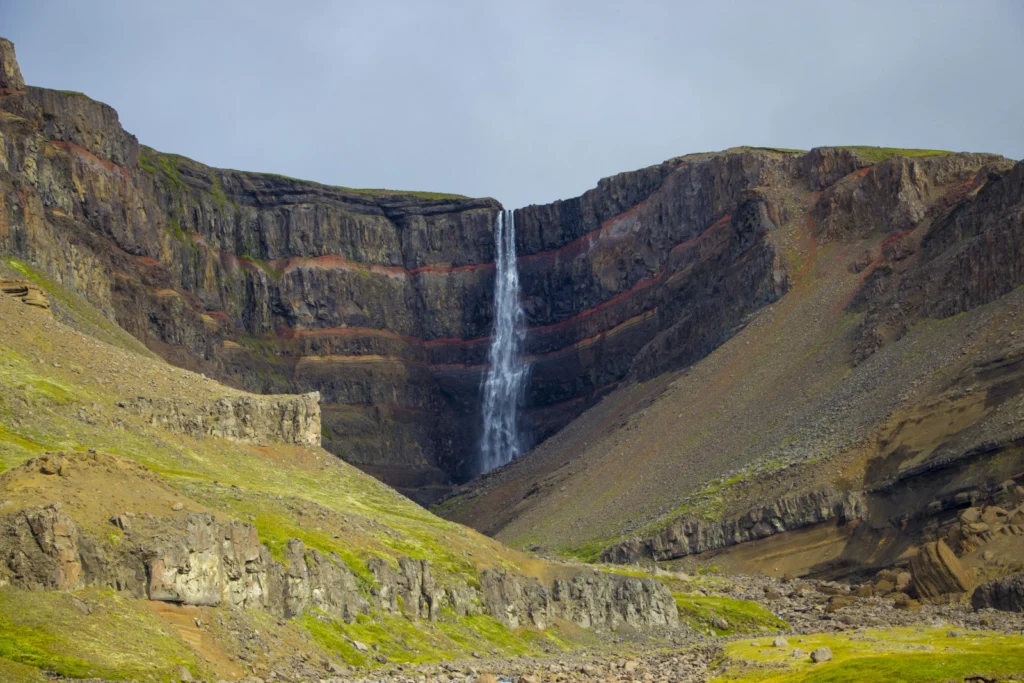
Brekkuselslækur, a small river, carves its way across Iceland’s ancient volcanic landscape. At Hengifoss, Iceland’s third-highest waterfall, it tumbles fiercely down thick, dark layers of lavas erupted from volcanoes some 18 to 2.58 million years ago, during a period of geological time known as the Tertiary. Eruptions are rarely continuous; during hiatuses in the extrusion of lavas, ash is able to ...[Read More]