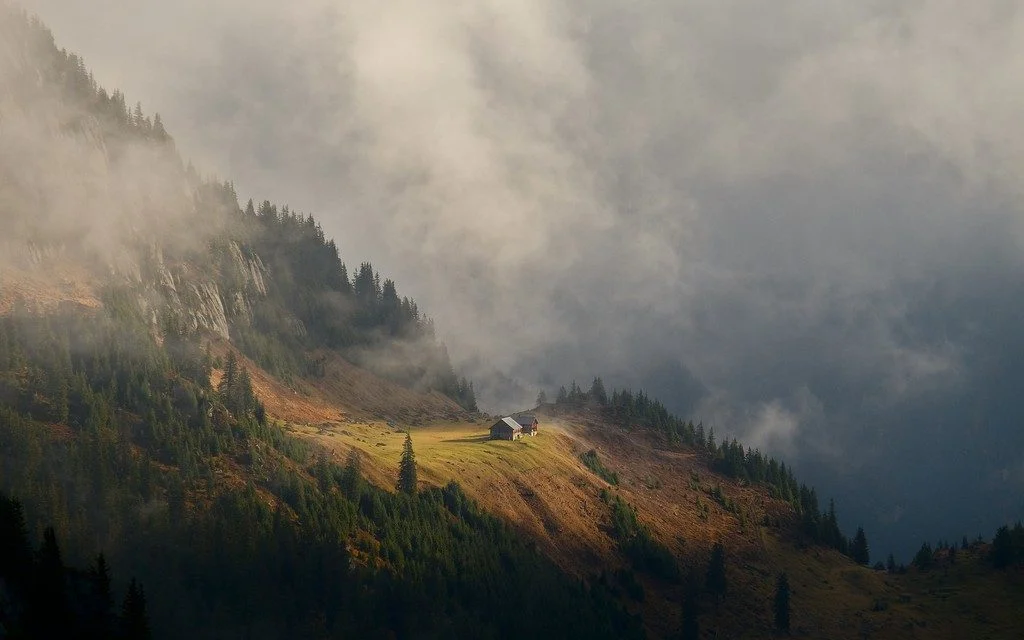
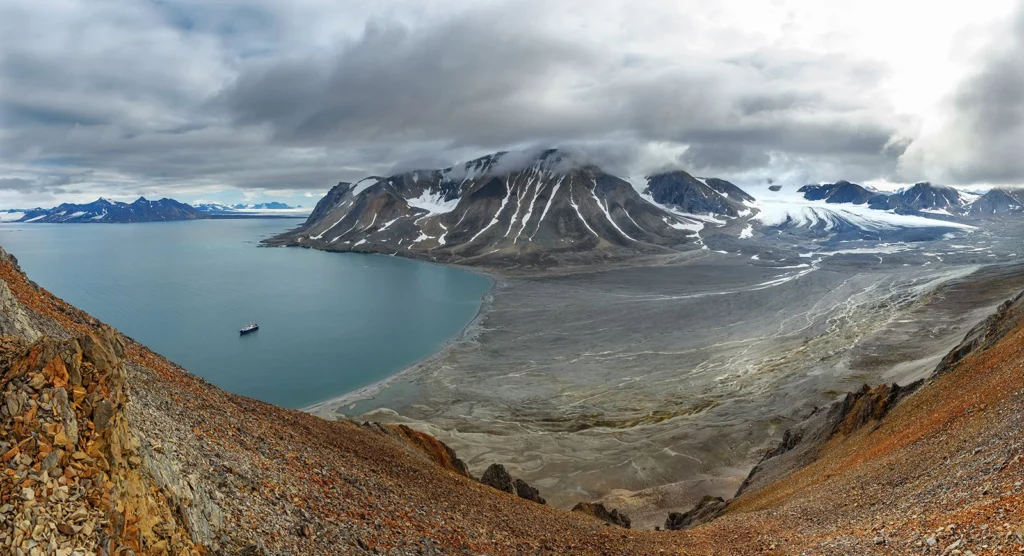
The action of glaciers combined with the structure of the rock to form this little platform, probably once a small lake enclosed between a moraine at the mountain side and the ice in the valley. Now it has become a green haven in the mountain landscape, a perfect place for an alp. In the Alps, …[Read More]
Atmospheric Sciences
GeoTalk: How will large Icelandic eruptions affect us and our environment?
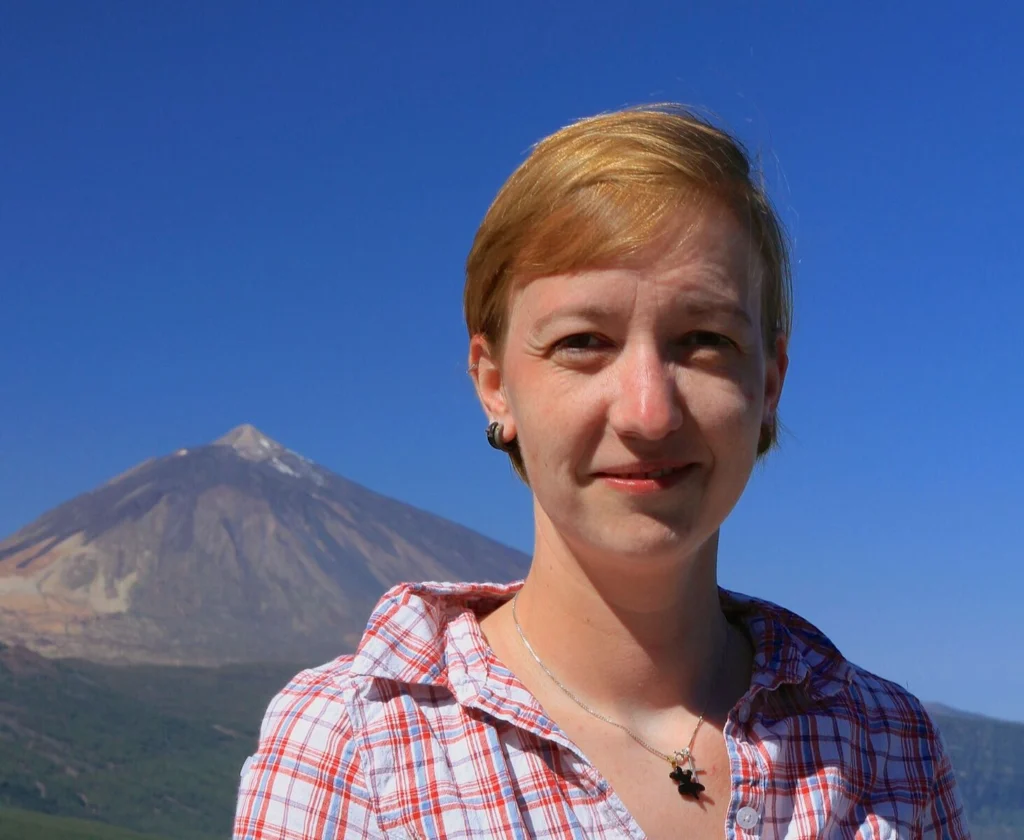
Geotalk is a regular feature highlighting early career researchers and their work. In this interview we speak to Anja Schmidt, an interdisciplinary researcher at the University of Cambridge who draws from atmospheric science, climate modelling, and volcanology to better understand the environmental impact of volcanic eruptions. She is also the winner of a 2018 Arne …[Read More]
February GeoRoundUp: the best of the Earth sciences from across the web
Drawing inspiration from popular stories on our social media channels, as well as unique and quirky research news, this monthly column aims to bring you the best of the Earth and planetary sciences from around the web. Major stories The biggest story in Europe right now is the bone-chilling cold snap sweeping across the continent. …[Read More]
Get involved: become an early career scientist representative
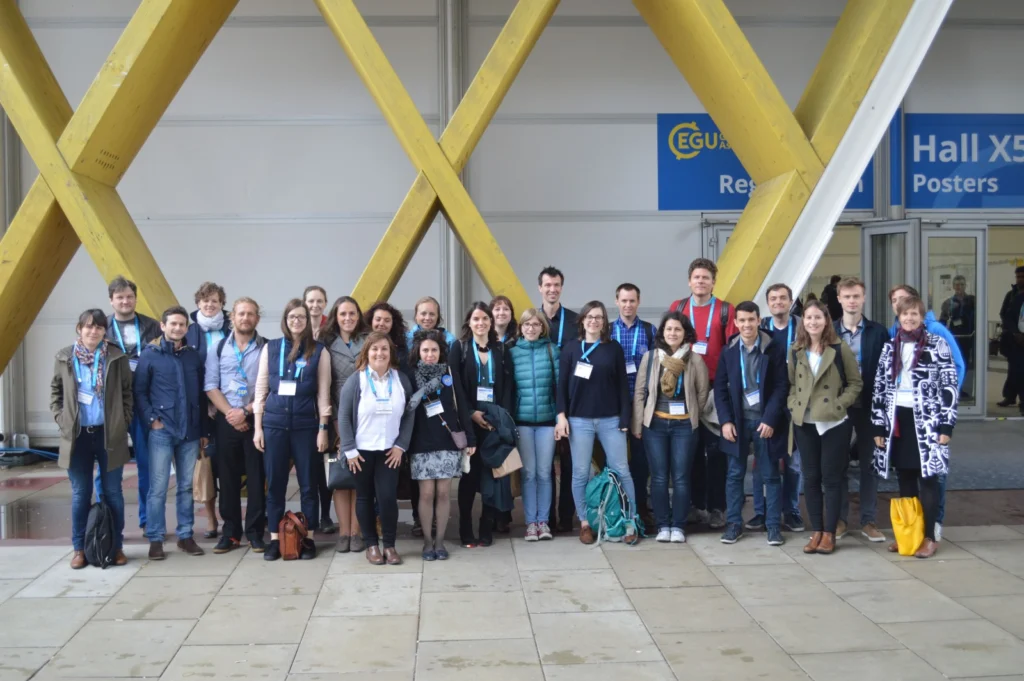
Early career scientists (ECS) make up a significant proportion of the EGU membership and it’s important to us that your voices get heard. To make sure that happens, each division appoints an early career scientists representative: the vital link between the Union and the ECS membership. After tenure of two or four years, a few …[Read More]
Geosciences Column: The hunt for Antarctica’s oldest time capsule
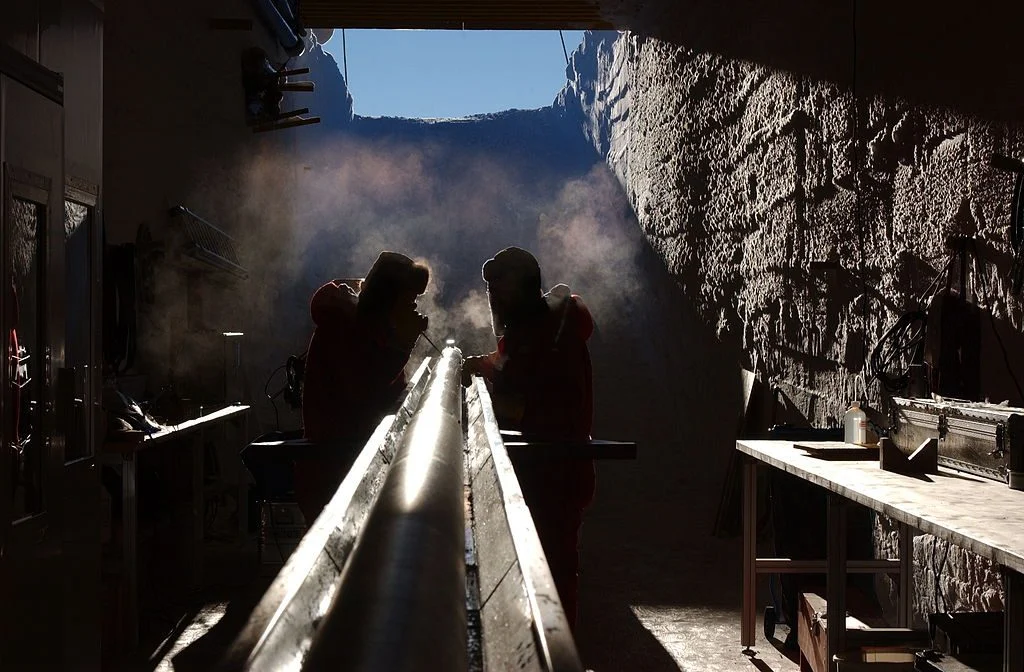
The thick packs of ice that pepper high peak of the world’s mountains and stretch far across the poles make an unusual time capsule. As it forms, air bubbles are trapped in the ice, allowing scientists to peer into the composition of the Earth’s atmosphere long ago. Today’s Geosciences Column is brought to you by …[Read More]
Communicating Antarctic science…in the Antarctic
Communicating the fragility of one of Earth’s remotest environments is hugely difficult, precisely due to the location of the poles. Jon Fuhrmann, a freelance science writer and guide on Antarctic cruises, discusses the potential benefits of taking tourists to these once inaccessible locations, especially when it comes to making members of the public aware of …[Read More]
Imaggeo on Mondays: The best of imaggeo in 2017
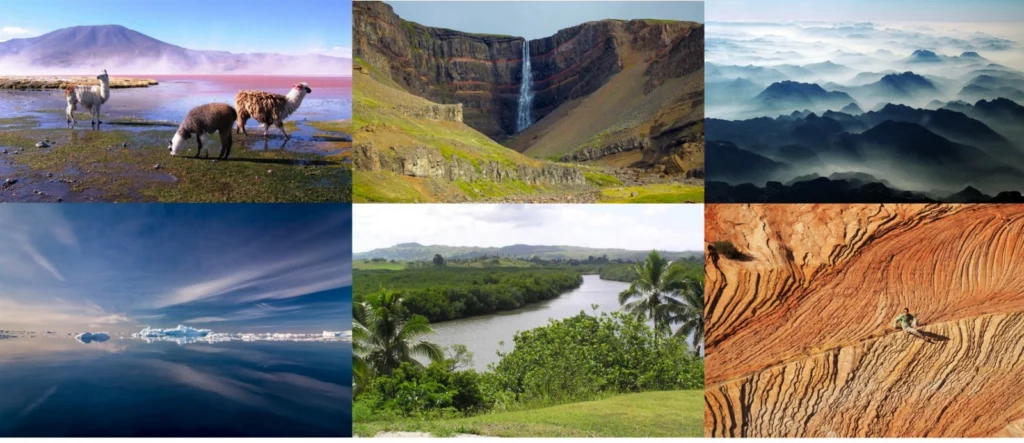
Imaggeo, our open access image repository, is packed with beautiful images showcasing the best of the Earth, space and planetary sciences. Throughout the year we use the photographs submitted to the repository to illustrate our social media and blog posts. For the past few years we’ve celebrated the end of the year by rounding-up some …[Read More]
Imaggeo on Mondays: A spectacular rainbow
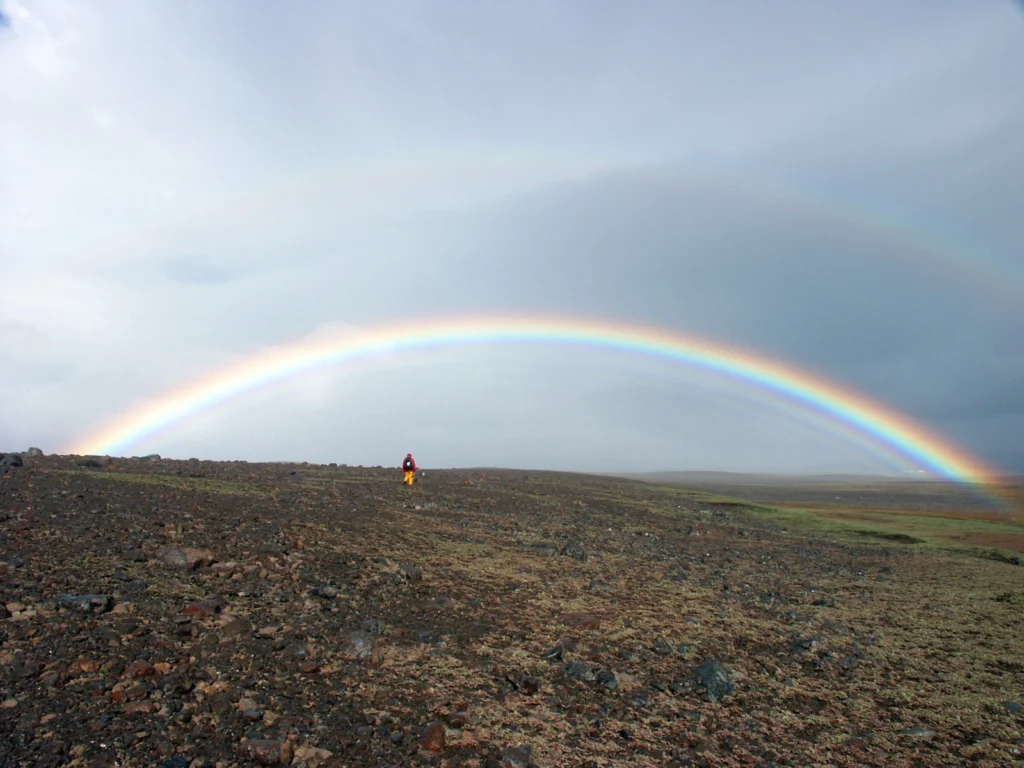
Back in February 2005, François Dulac and Rémi Losno worked in the field in the very remote Kerguelen Islands (also known as the Desolation Islands). Located in the southern Indian Ocean they are one, of the two, only exposed parts of the mostly submerged Kerguelen Plateau. Our work consisted in sampling atmospheric aerosols and their …[Read More]
GeoPolicy: COP23 – key updates and outcomes
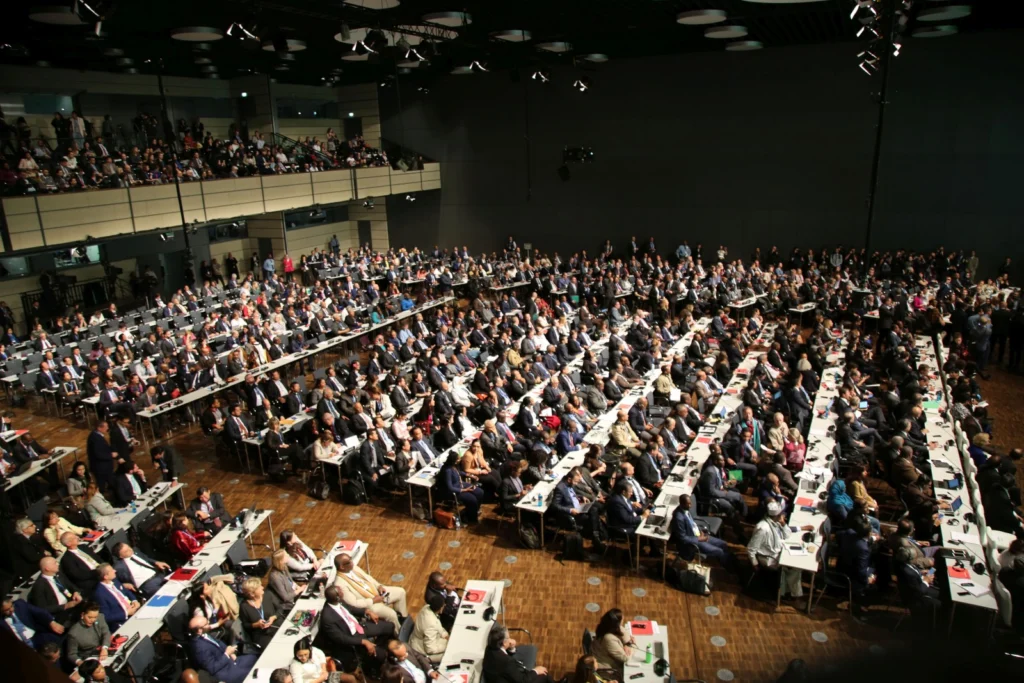
What is COP23? Anthropogenic climate change is threatening life on this planet as we know it. It’s a global issue… and not one that is easily solved. The Conference of the Parties (COP) provides world leaders, policy workers, scientists and industry leaders with the space to share ideas and decide on how to tackle climate …[Read More]
GeoSciences Column: The dirty business of shipping goods by sea
Shipping goods across the oceans is cost-effective and super-efficient; that’s why over 80% of world trade is carried by sea (according to the International Maritime Organisation). But the shipping industry also contributes significant amounts of air pollutants to marine and coastal environments. A new study, published in the EGU’s open access journal Earth System Dynamics, …[Read More]