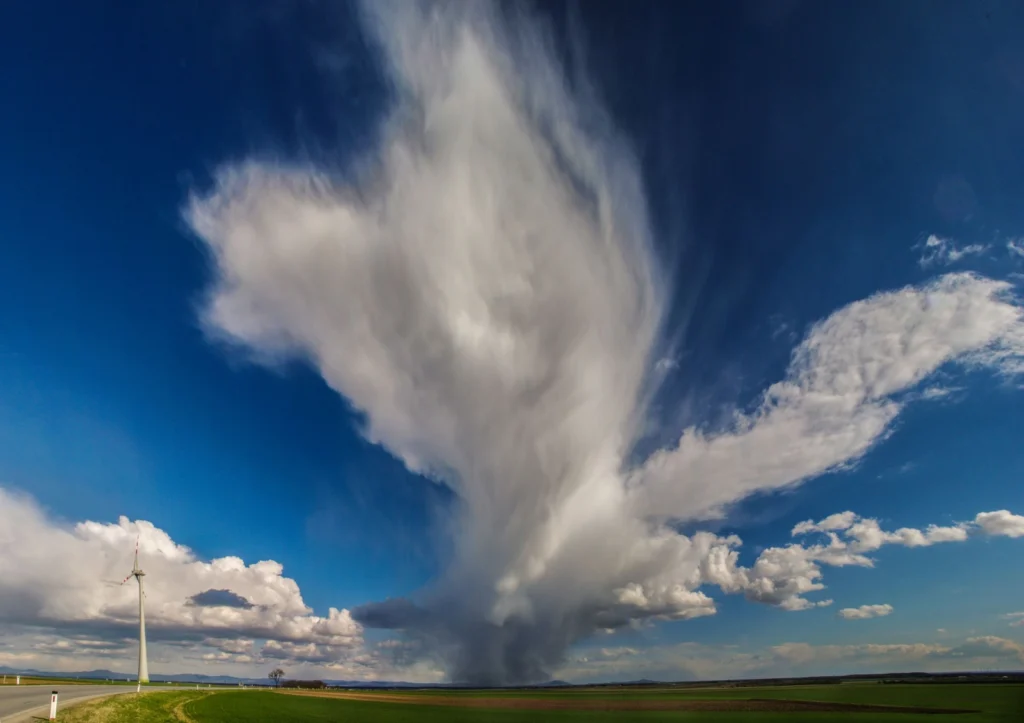
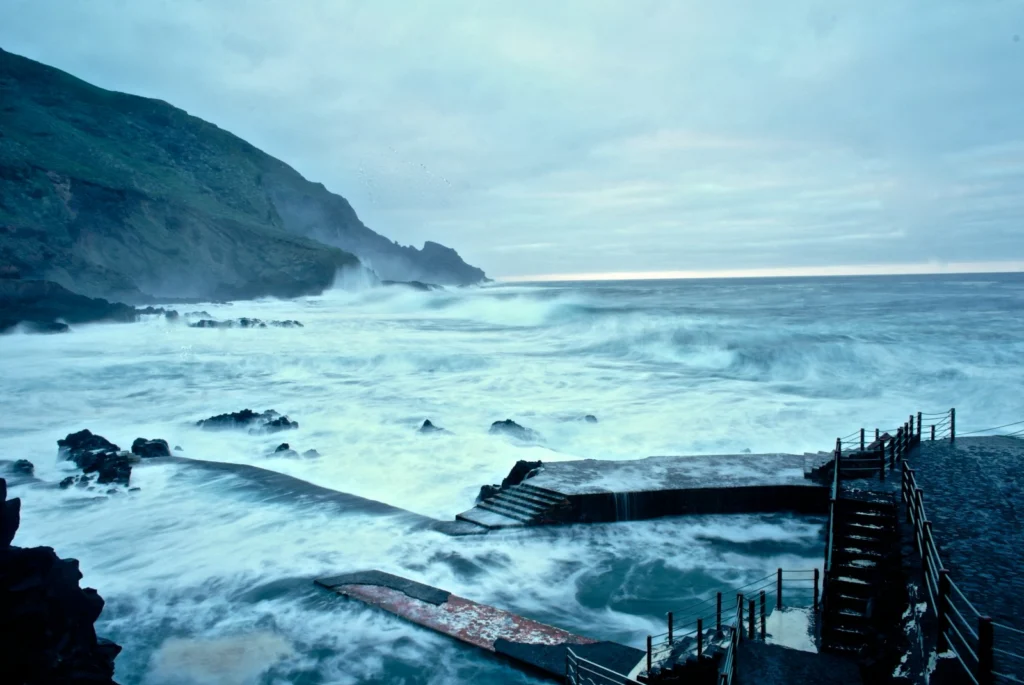
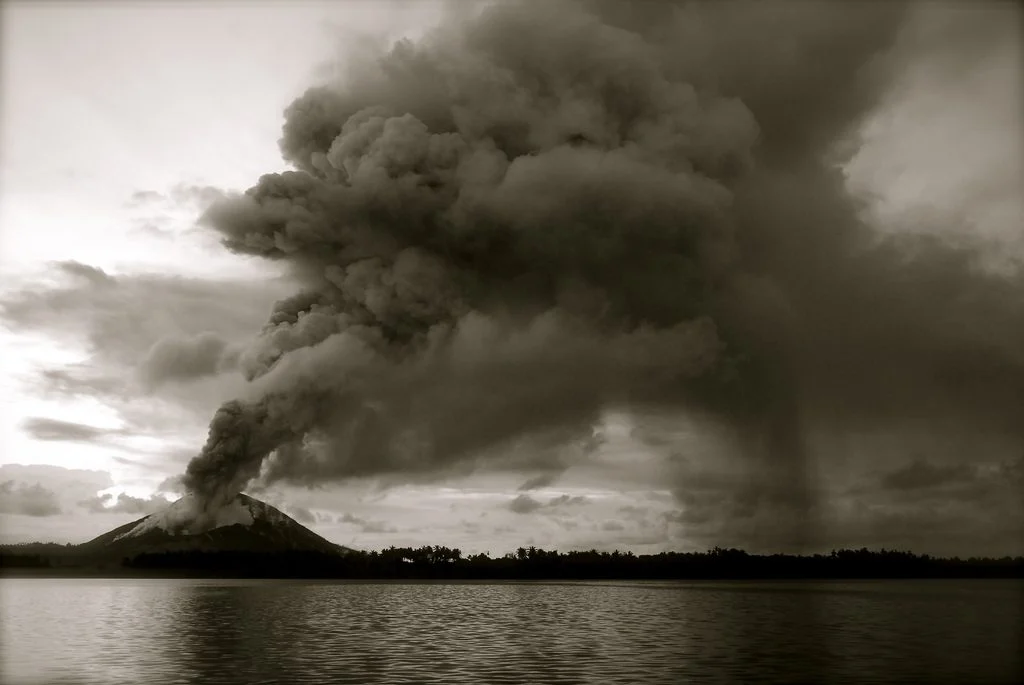
Clouds and storms are formed when warm, moist air rises. This causes the air to expand and cool: forming clouds as the moisture condenses onto particles suspended in the air (called cloud condensation nuclei). Normally, air rises from surface heating, or when warm and cold air pockets collide, or if air is pushed upwards when …[Read More]
Atmospheric Sciences
GeoPolicy: What will a Trump presidency mean for climate change?
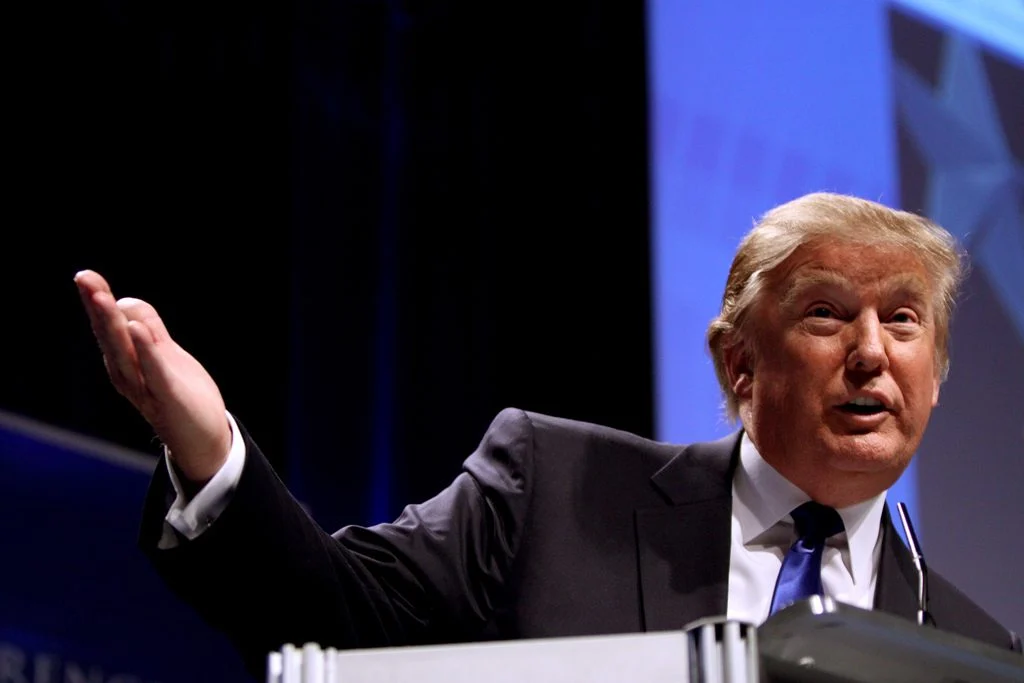
The US Presidential election this month saw Republican Donald Trump, a fierce climate sceptic, be elected into office. In wake of the election results, this month’s GeoPolicy post will take a look at Trump’s proposed actions on climate change, how likely these are to happen, and what the climate and clean technology communities could do …[Read More]
GeoSciences Column: The ‘dirty weather’ diaries of Reverend Richard Davis
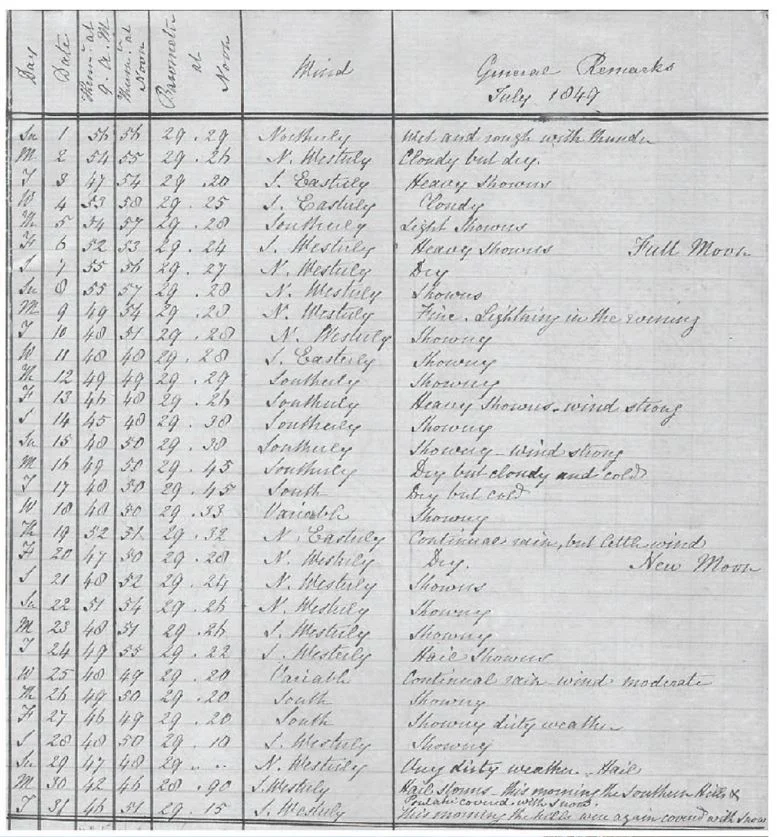
Researching the Earth’s climate of the past, helps scientists make better predictions about how the climate and our environment will continue to be affected by, change and adapt to rising temperatures. One of the most invaluable sources of data, when it comes to understanding the Earth’s past climate, are historical meteorological records. Accounts of weather …[Read More]
Imaggeo on Mondays: A look inside a thunderstorm
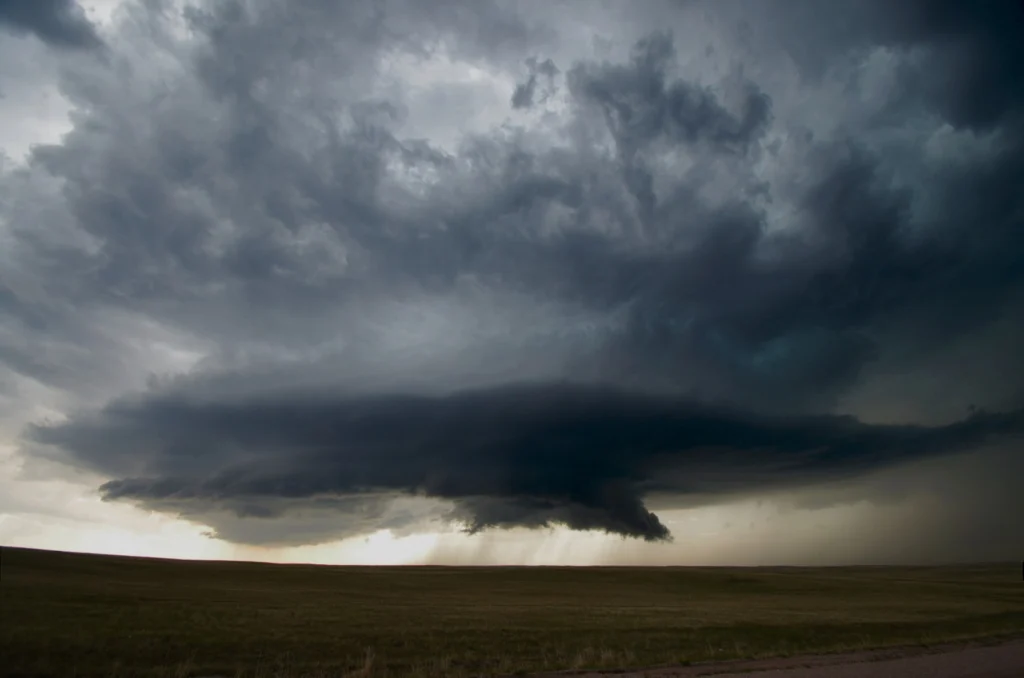
This week’s contribution to Imaggeo on Mondays is a photograph of a mesocyclone – and its rotating wall cloud – photographed by Mareike Schuster, an atmospheric scientist from Freie Universität Berlin, Germany. The picture was taken in June 2012 near Cheyenne, Wyoming in the United States during a field campaign, ROTATE, led by the Center …[Read More]
Celebrating Earth Science Week!
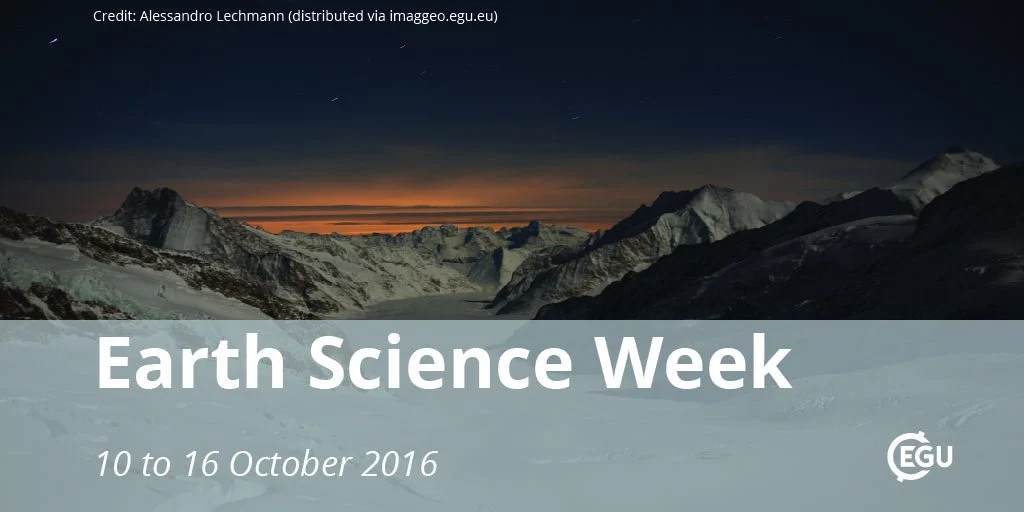
For those not so familiar with the Earth sciences, geosciences and all its subdisciplines might be shrouded in mystery: boring, unfathomable, out of reach and with little relevance to everyday life. Nothing could be further from the truth! Earth Science Week, an international annual celebration founded by the American Geosciences Institute in 1998, aims to …[Read More]
Imaggeo on Mondays: what corals can tell us about past climate change
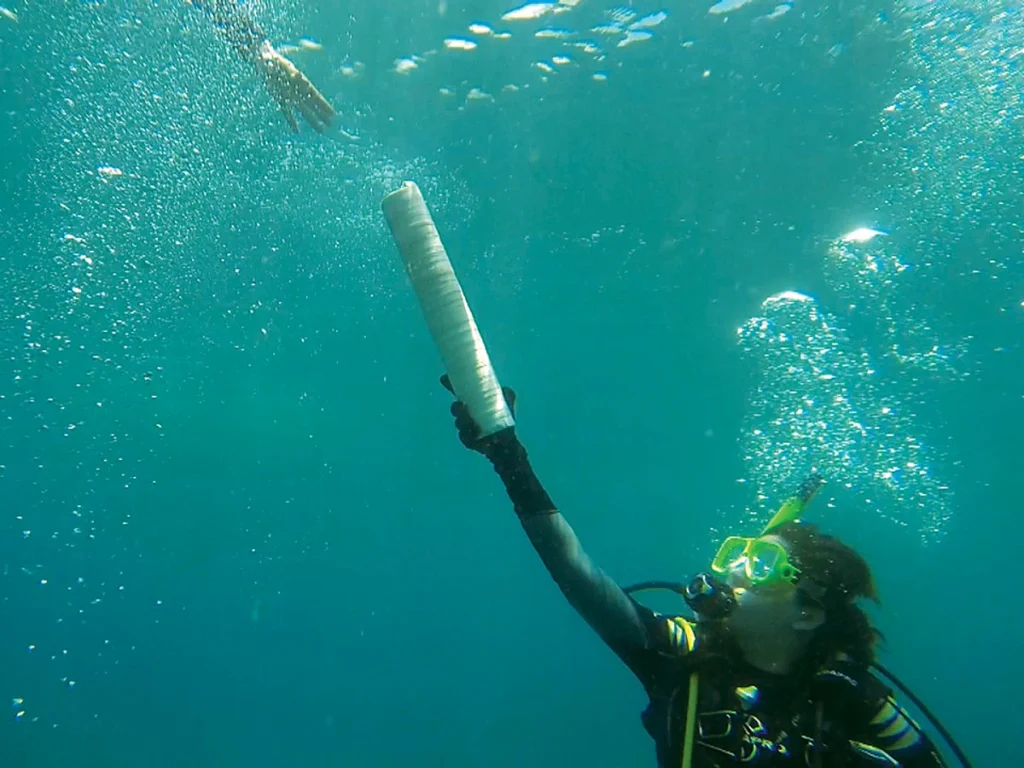
Reconstructing past climates is a tricky task at the best of times. It requires an ample data set and a good understanding of proxies. Add into the mix some underwater fieldwork and the challenge got a whole lot harder! In today’s Imaggeo on Monday’s post, Isaac Kerlow explains how information locked in corals can tell …[Read More]
Imaggeo on Mondays: counting stars
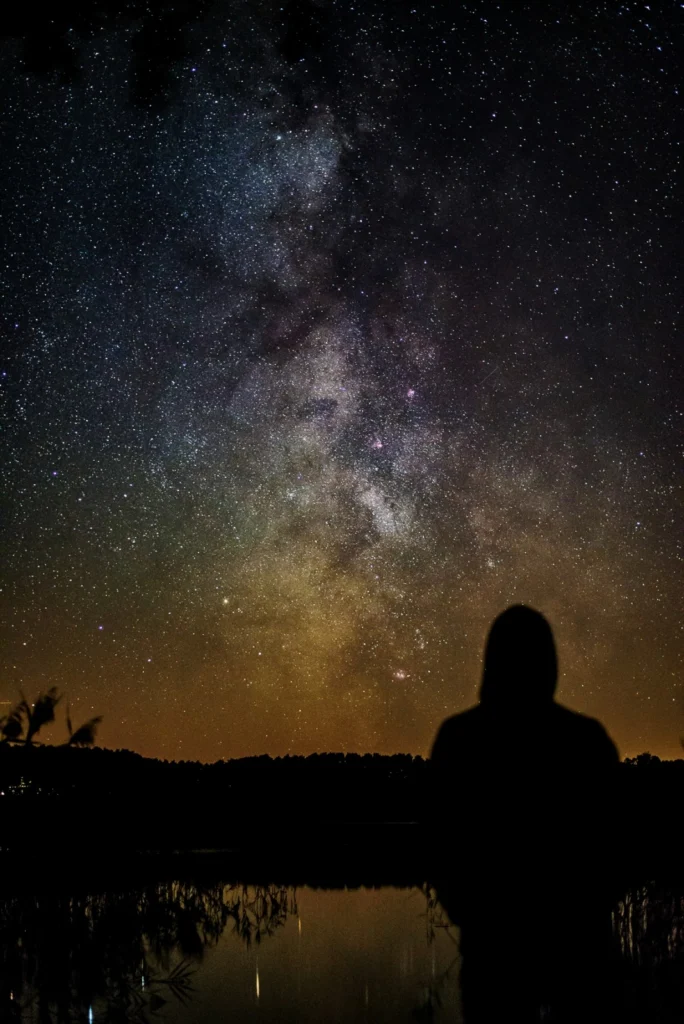
This year’s imaggeo photo contest saw humdreds of great entries. Among the winning images was a stunning night-sky panorama by Vytas Huth. In today’s post, Vytas describes how he captured the image and how the remote location in Southern Germany is one of the few (in Europe) where it is still posssible to, clearly, image …[Read More]
Imaggeo on Mondays: A Bubbling Cauldron
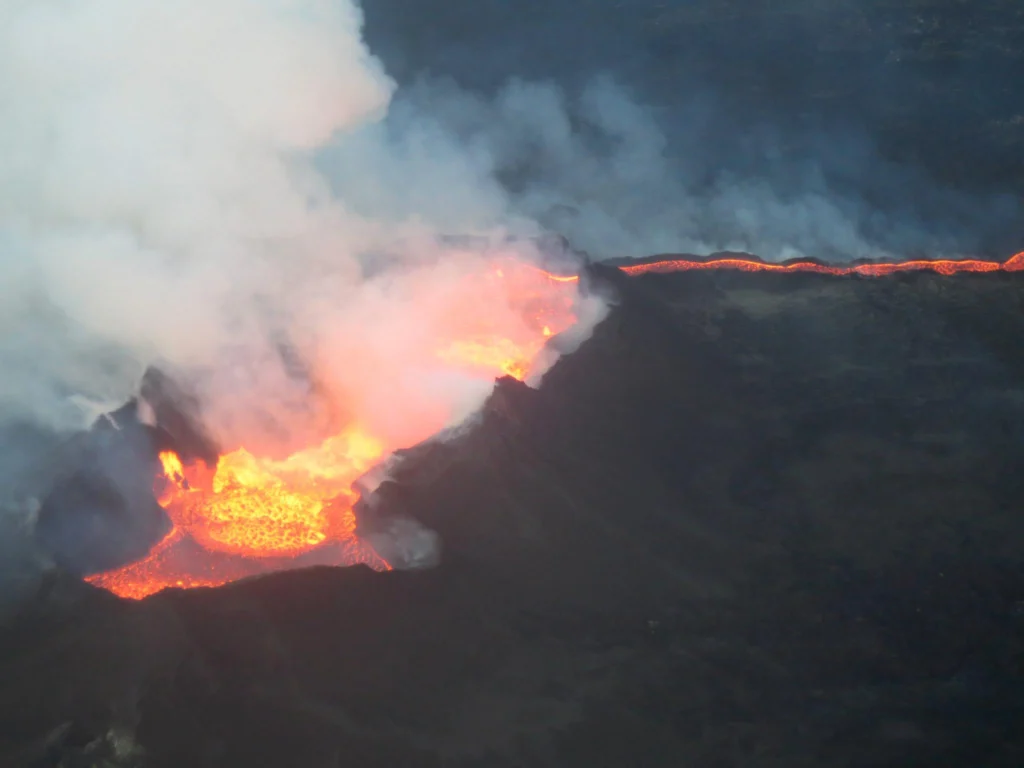
Despite being a natural hazard which requires careful management, there is no doubt that there is something awe inspiring about volcanic eruptions. To see an erupting volcano up close, even fly through the plume, is the thing of dreams. That’s exactly what Jamie Farquharson, a researcher at Université de Strasbourg (France) managed to do during …[Read More]
GeoPolicy: 8 science-based projects improving regions in the EU
As scientists, it can sometimes be difficult to see the real-world implications of some of our research. Concepts can often seem abstract and remote when sitting in a lab or taking field measurements. But researching the Earth sciences can have profound effects on global society. Understanding how the natural world works can help protect and …[Read More]
Volcanic darkness marked the dawn of the Dark Ages
The dawn of the Dark Ages coincided with a volcanic double event – two large eruptions in quick succession. Combined, they had a stronger impact on the Earth’s climate than any other volcanic event – or sequence of events – in the last 1200 years. Historical reports reveal that a mysterious dust cloud dimmed the …[Read More]