GeoLog
Avatar photo

Olivia Trani

Olivia Trani is a former Communications Officer at the European Geosciences Union. Olivia has a MS in Science Journalism from Boston University and her work has appeared on WBUR-FM, Inside Science News Service, and the American Geophysical Union. Olivia tweets at @oliviatrani.

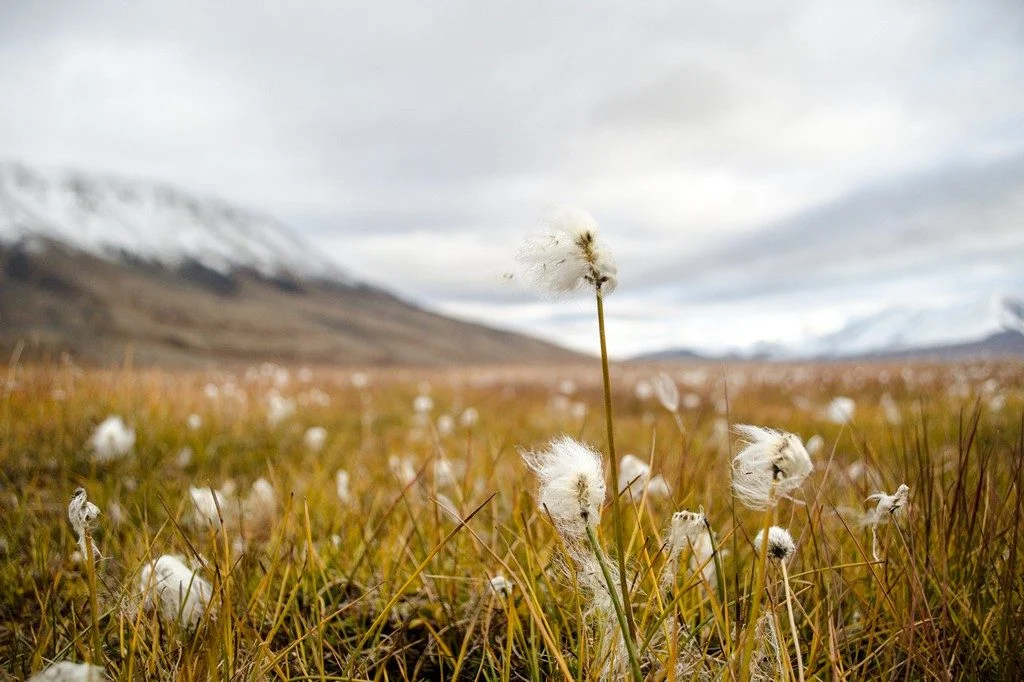
Imaggeo on Mondays: Arctic cottongrass in Svalbard

Imaggeo on Mondays: Arctic cottongrass in Svalbard

In the High Arctic, where vegetation is limited in height, cottongrass stands out as some of the tallest plant species around. This photo shows a wispy white patch of Arctic cottongrass growing amongst other tundra vegetation in the Advent river floodplain of Adventdalen, a valley on the Norwegian archipelago island Svalbard. Svalbard is of particular scientific interest as it is a relatively warm ...[Read More]

How to convene a session at the General Assembly… in flow charts!

How to convene a session at the General Assembly… in flow charts!

Convening a session at a conference can seem daunting, especially if you are an early career scientist (ECS) and a first-time convener. At the 2018 General Assembly, Stephanie Zihms, the Union-level ECS representative, discussed the basics of proposing, promoting and handling a session in the short course ‘How to convene a session at EGU’s General Assembly.’ In today’s post she has created s ...[Read More]

GeoTalk: A new view on how ocean currents move

GeoTalk: A new view on how ocean currents move

Geotalk is a regular feature highlighting early career researchers and their work. In this interview we speak to Jan Zika, an oceanographer at the University of New South Wales in Sydney, Australia. This year he was recognized for his contributions to ocean dynamics research as the winner of the 2018 Ocean Sciences Division Outstanding Early Career Scientists Award. First, could you introduce your ...[Read More]

Geosciences Column: Landslide risk in a changing climate, and what that means for Europe’s roads

Geosciences Column: Landslide risk in a changing climate, and what that means for Europe’s roads

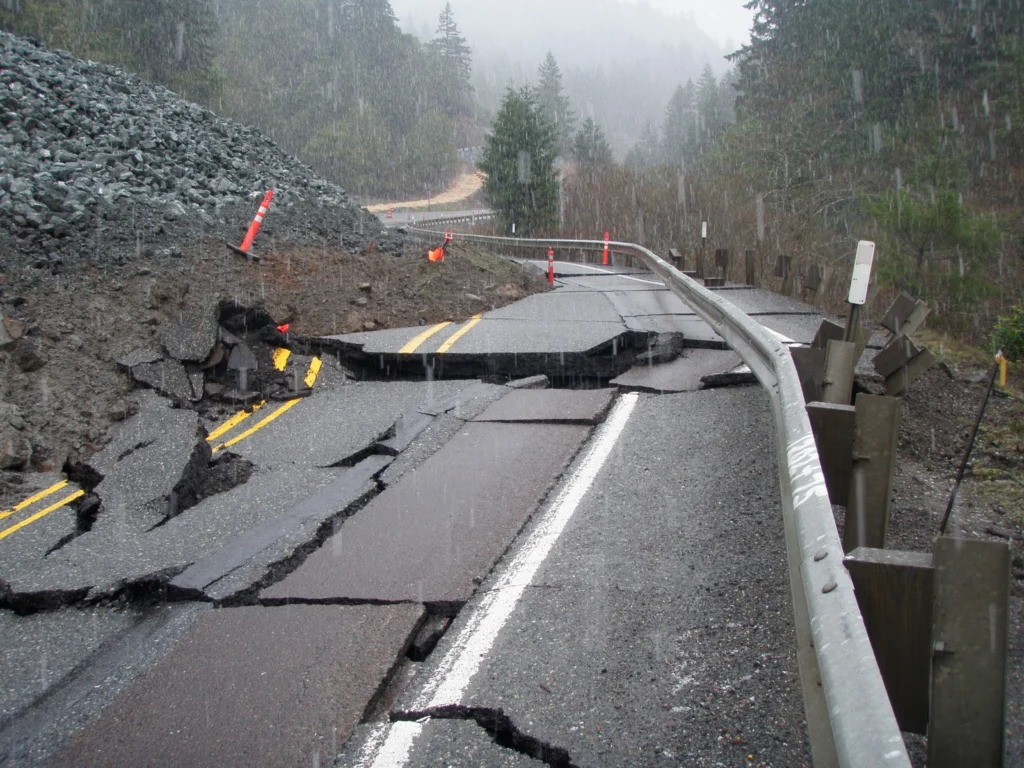
If your morning commute is already frustrating, get ready to buckle up. Our climate is changing, and that may increasingly affect some of central Europe’s major roads and railways, according to new research published in the EGU’s open access journal Natural Hazards and Earth System Sciences. The study found that, in the face of climate change, landslide-inducing rainfall events will increase in fr ...[Read More]

Uploading your 2018 General Assembly presentation

Uploading your 2018 General Assembly presentation

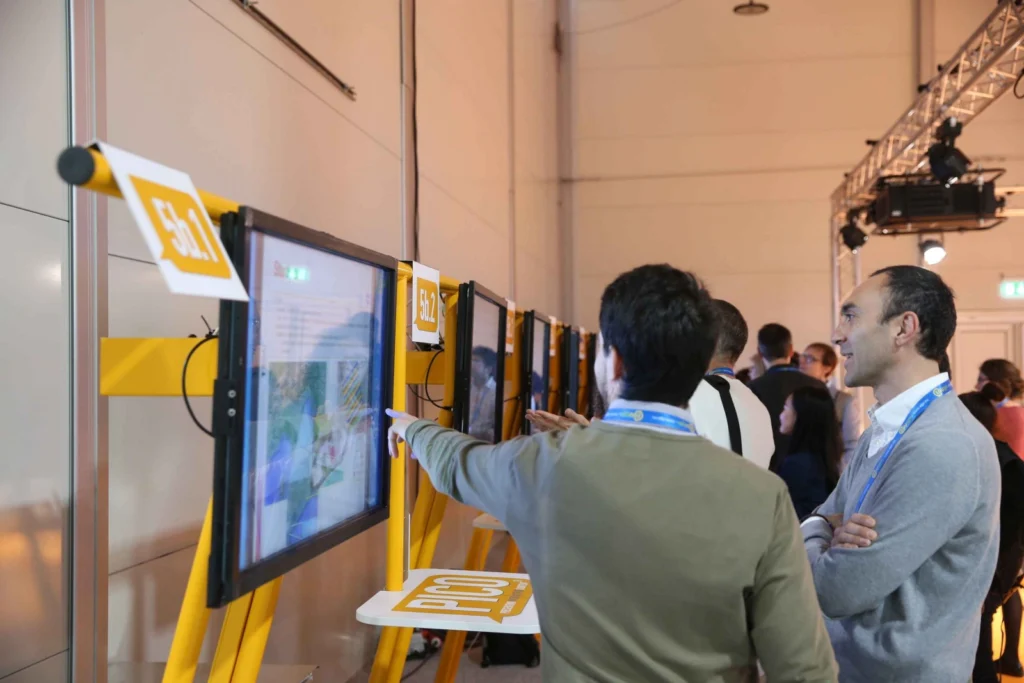
This year it is, once again, possible to upload your oral presentations, PICO presentations and posters from EGU 2018 for online publication alongside your abstract, giving all participants a chance to revisit your contribution – hurrah for open science! Files can be in either PowerPoint or PDF format. Note that presentations will be distributed under the Creative Commons Attribution 4.0 License. ...[Read More]

May GeoRoundUp: the best of the Earth sciences from around the web

May GeoRoundUp: the best of the Earth sciences from around the web

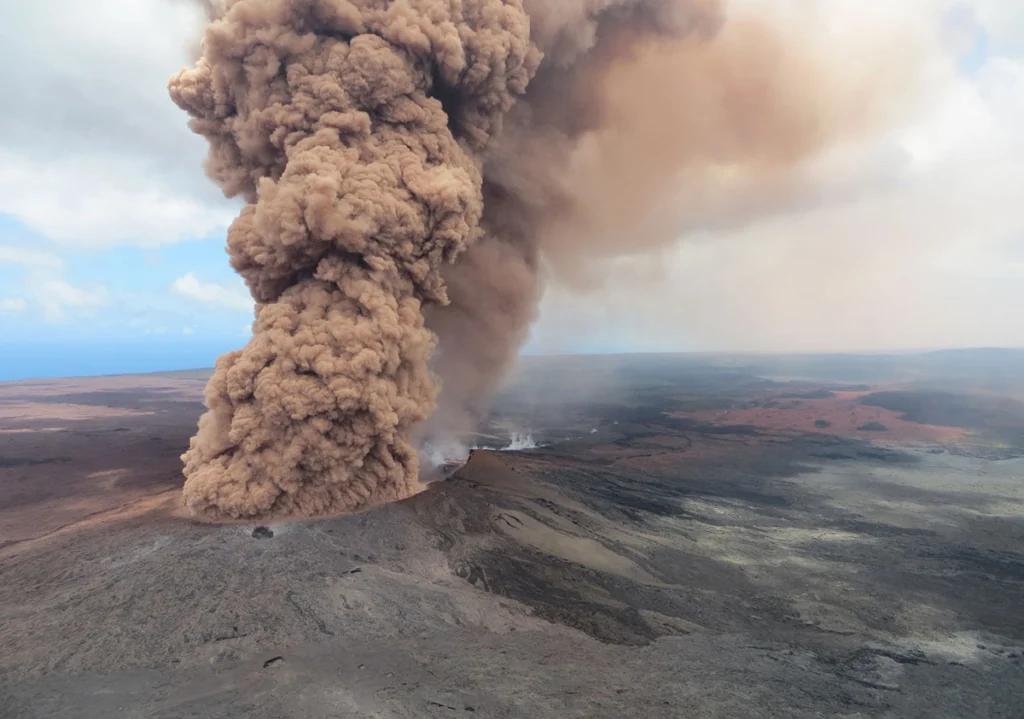
Drawing inspiration from popular stories on our social media channels, as well as unique and quirky research news, this monthly column aims to bring you the best of the Earth and planetary sciences from around the web. Major Story This month the Earth science media has directed its attention towards a pacific island with a particularly volcanic condition. The Kilauea Volcano, an active shield volc ...[Read More]

Imaggeo On Mondays: Reservoir in the Italian Alps

Imaggeo On Mondays: Reservoir in the Italian Alps

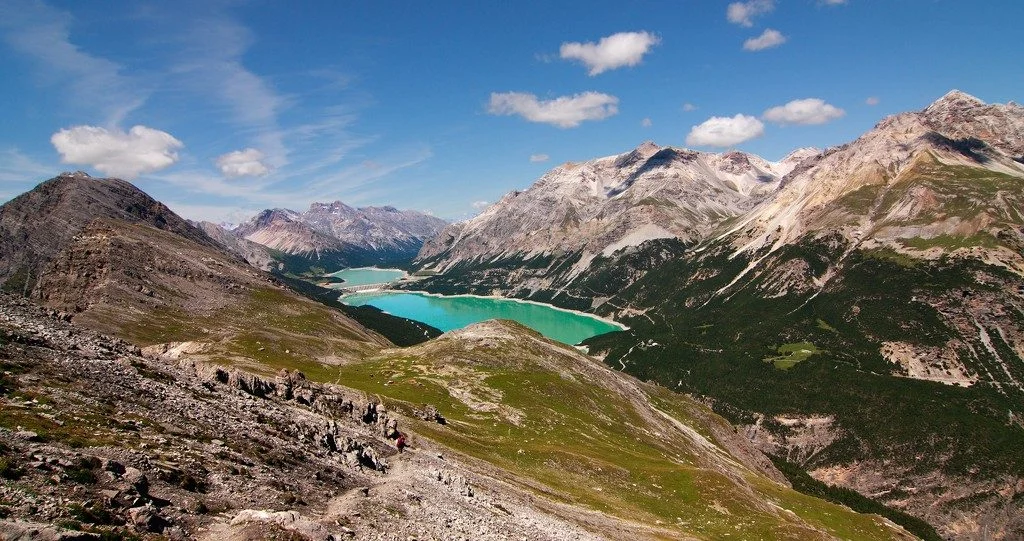
Mountain natural streams and reservoirs have a relevant hydrological and ecological importance since they represent reliable sources of freshwater supply to lowland regions and high-quality habitats for fish and cold-water communities. Moreover, streams in mountain environments are of significant importance for users in several socio-economic sectors, such as agriculture, tourism and hydropower. G ...[Read More]

Top ten tourist beaches threatened by tsunamis

Top ten tourist beaches threatened by tsunamis

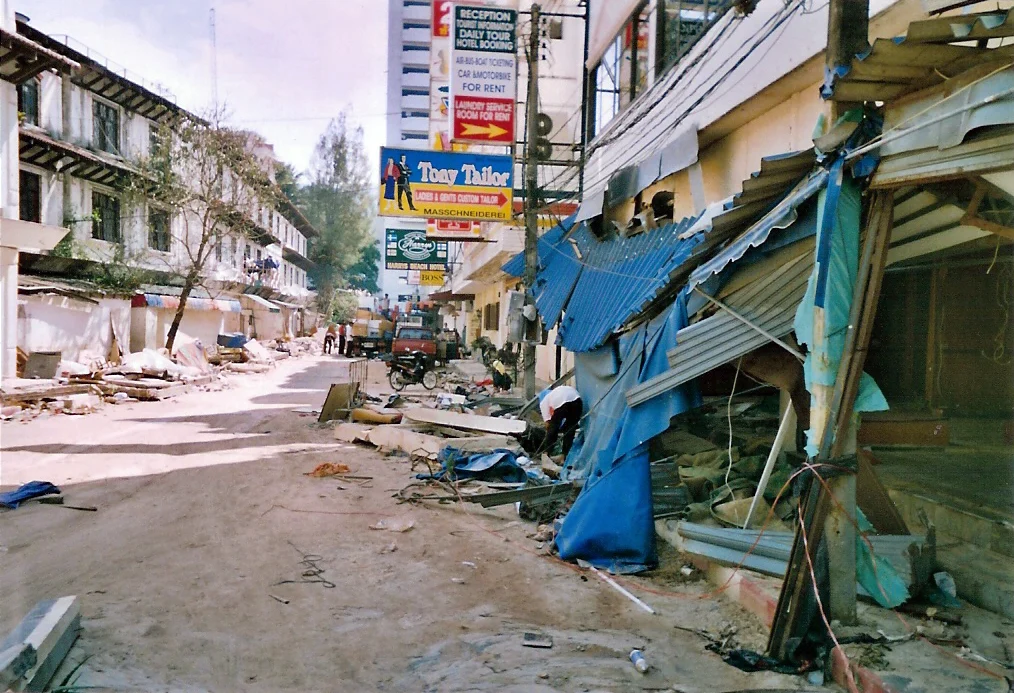
December 2004 saw one of the deadliest natural disasters in recorded history. 228,000 people were killed when an earthquake off the coast of the Indonesian island of Sumatra triggered tsunami waves up to 30 m high. The destruction was extreme as the waves hit 14 different countries around the Indian Ocean. Economic losses totalled over 10 billion US dollars. The tourism industry in particular suff ...[Read More]

Imaggeo on Mondays: A volcanic point of view

Imaggeo on Mondays: A volcanic point of view

It’s not every day that you can peer into a volcano, much less gaze out at the sky from the inside of one. The Algar do Carvão, or “the Cavern of Coal,” is one of the few places on Earth where you can explore the underground reaches of a volcanic site. The volcanic pit is found on the island of Terceira, part of the Azores archipelago. This collection of islands is an autonomous region of Portugal ...[Read More]

Imaggeo on Mondays: River in a charoite schist

Imaggeo on Mondays: River in a charoite schist

Polarized light photomicrograph of a thin section of a charoite-bearing schist. Charoite is a rare silicate found only at one location in Yakutia, Russia. For its beautiful and uncommon purple color it is used as a semi-precious stone in jewelry. Under the microscope charoite-bearing rocks give an overall feeling of movement, with charoite forming fibrous mats that swirl and fold as a result of de ...[Read More]