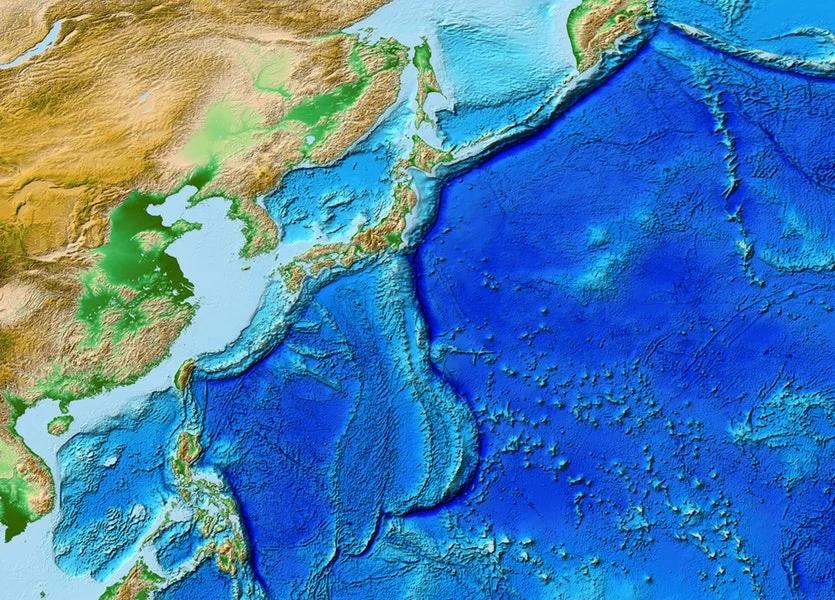
Subduction zones host one of the most complex and fascinating tectonic systems on the planet. Numerical models by Király and colleagues recently published in Earth and Planetary Science Letters reveal that the strength of the toroidal flow depends on the mantle viscosity and the magnitude of the slab pull force while the characteristic size of …[Read More]
Division blogs
Image of the Week — Think ‘tank’: oceanography in a rotating pool
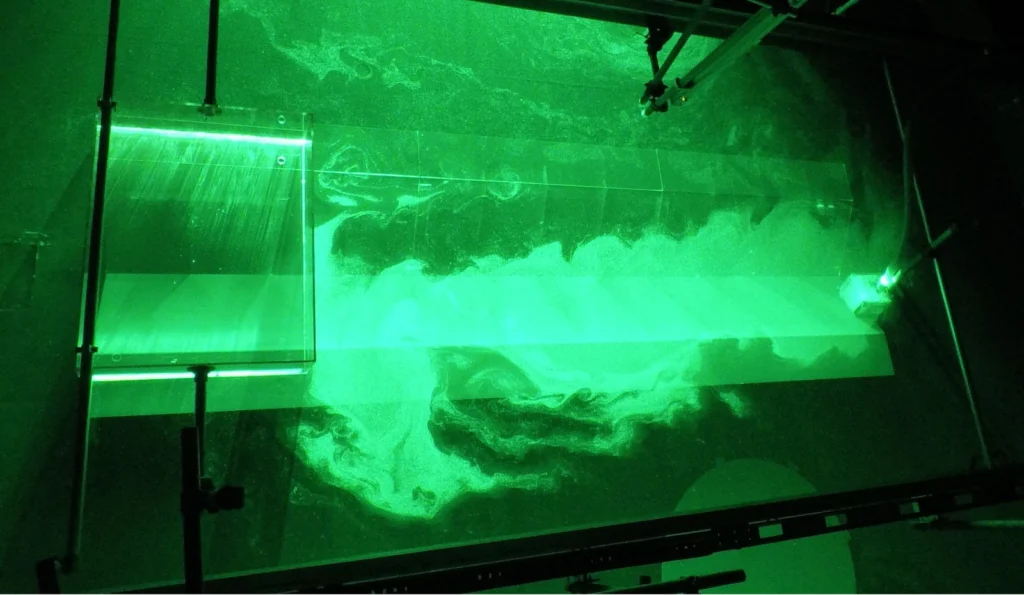
To study how the ocean behaves in the glacial fjords of Antarctica and Greenland, we normally have to go there on big icebreaker campaigns. Or we rely on modelling results, especially so to determine what happens when the wind or ocean properties change. But there is also a third option that we tend to forget …[Read More]
Planting seeds of deformation in numerical models
The Geodynamics 101 series serves to showcase the diversity of research topics and methods in the geodynamics community in an understandable manner. We welcome all researchers – PhD students to Professors – to introduce their area of expertise in a lighthearted, entertaining manner and touch upon some of the outstanding questions and problems related to …[Read More]
Decomposing algae have not said their last word yet!
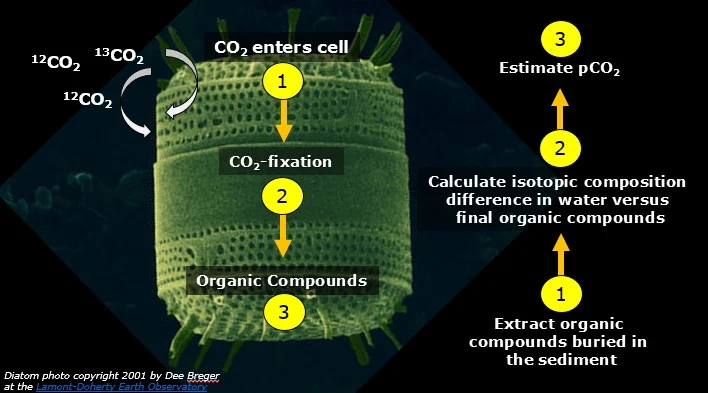
Name of proxy Phytane, a compound resulting from the degradation of Chlorophyll-a (Chl a), a green pigment in plants and algae that is involved in photosynthesis Type of record Atmospheric carbon dioxide concentrations Paleoenvironment Marine sediments and oils Period of time investigated Phanerozoic (last 540 million years) How it works Before we can start predicting …[Read More]
Strengthening Early Career Scientists (ECS) in EGU ESSI
The number of presentations from ECS in the ESSI sessions has been low during recent EGU General Assemblies. We are hence currently trying to get greater involvement and recognition for the ECS in the ESSI Division. How to get involved as ECS in the ESSI division? Join the ESSI ECS mailing list We have a …[Read More]
Cargèse Earthquake Summer School 2017
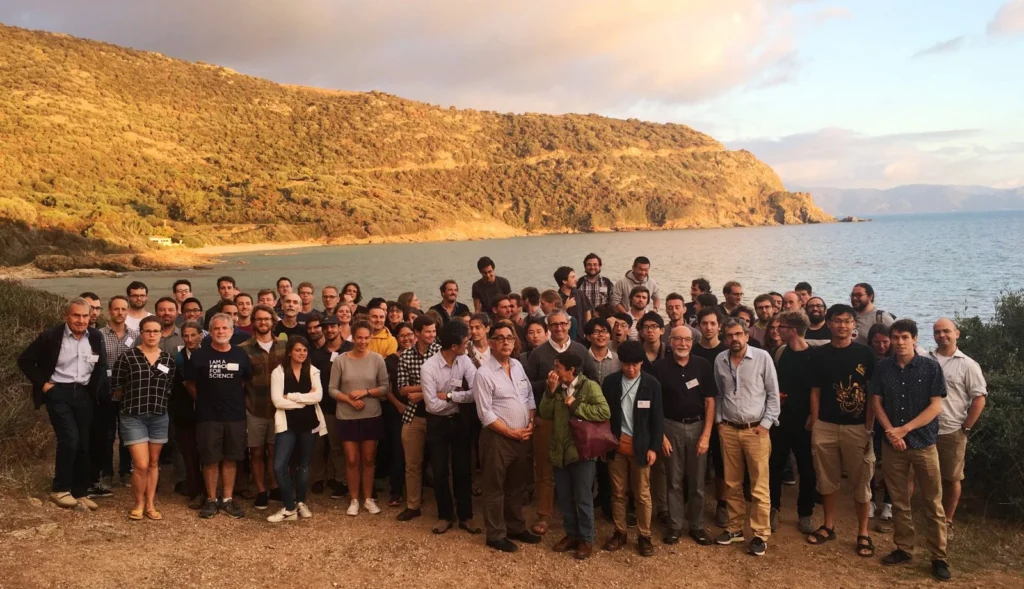
Earthquakes: nucleation, triggering, rupture, and relationships to aseismic processes – 2-6 October 2017, Cargèse (Corsica) A summer school in October, isn’t that a bit late? Well, not if it is held in Cargèse, a small town at the coast of Corsica! After a successful first edition in 2014, scientists from all over the world gathered again …[Read More]
Image of the Week – Karthaus Summer School 2017
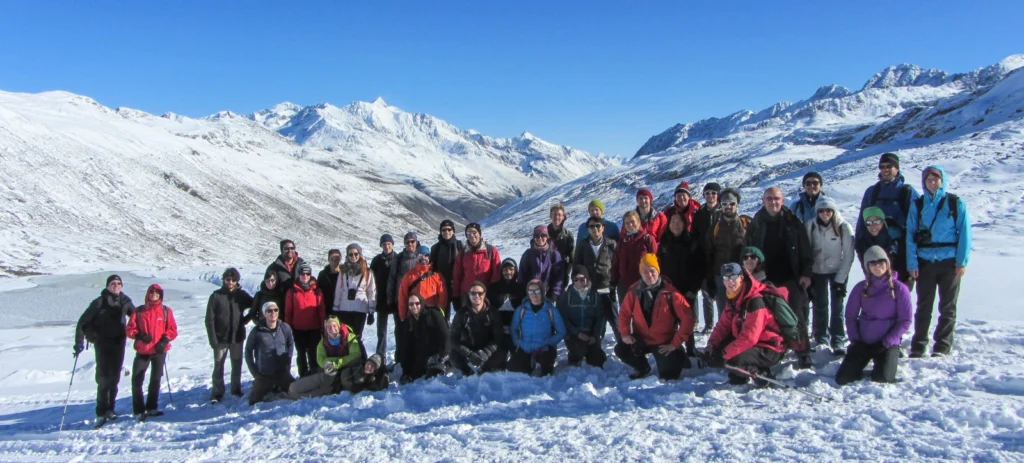
Glaciologists often undertake fieldwork in remote and difficult to access locations, which perhaps explains why they happily travel to similar locations to attend meetings and workshops. The Karthaus Summer School, which focuses on Ice Sheets and Glaciers in the Climate System, is no exception. The idyllic village of Karthaus, located in the narrow Schnalstal valley …[Read More]
Buckle up! Its about to get bumpy on the plane.
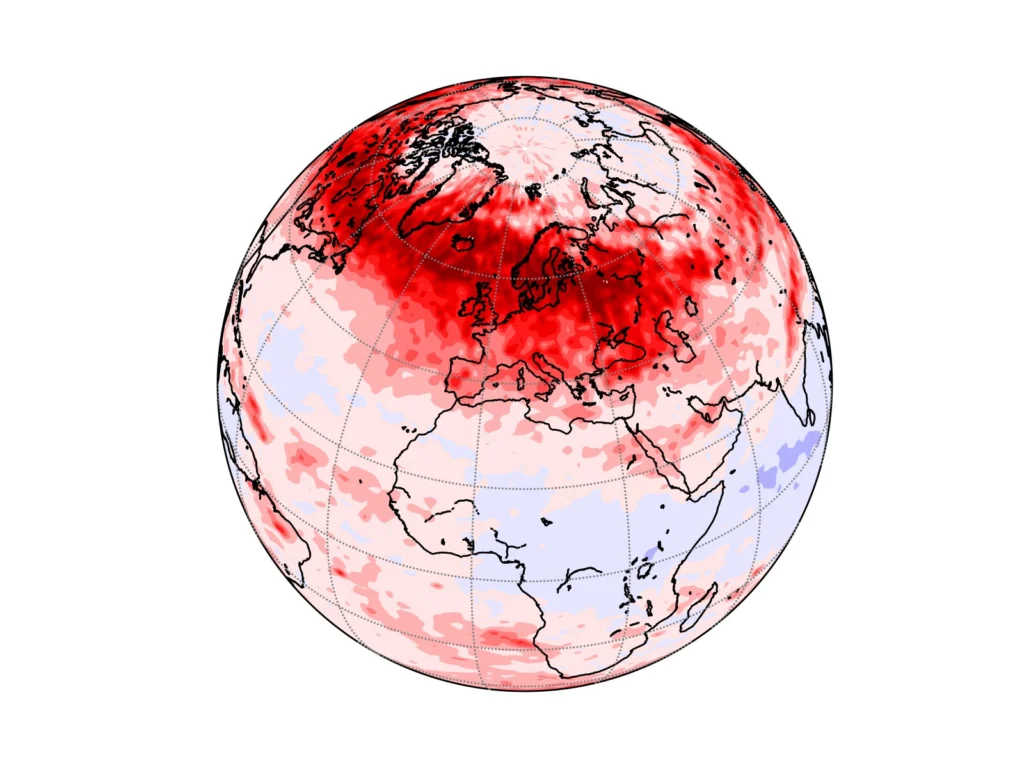
Clear-Air Turbulence (CAT) is a major hazard to the aviation industry. If you have ever been on a plane you have probably heard the pilots warn that clear-air turbulence could occur at any time so always wear your seatbelt. Most people will have experienced it for themselves and wanted to grip their seat. However, severe …[Read More]
Mapping the bottom of the world — an Interview with Brad Herried, Antarctic Cartographer
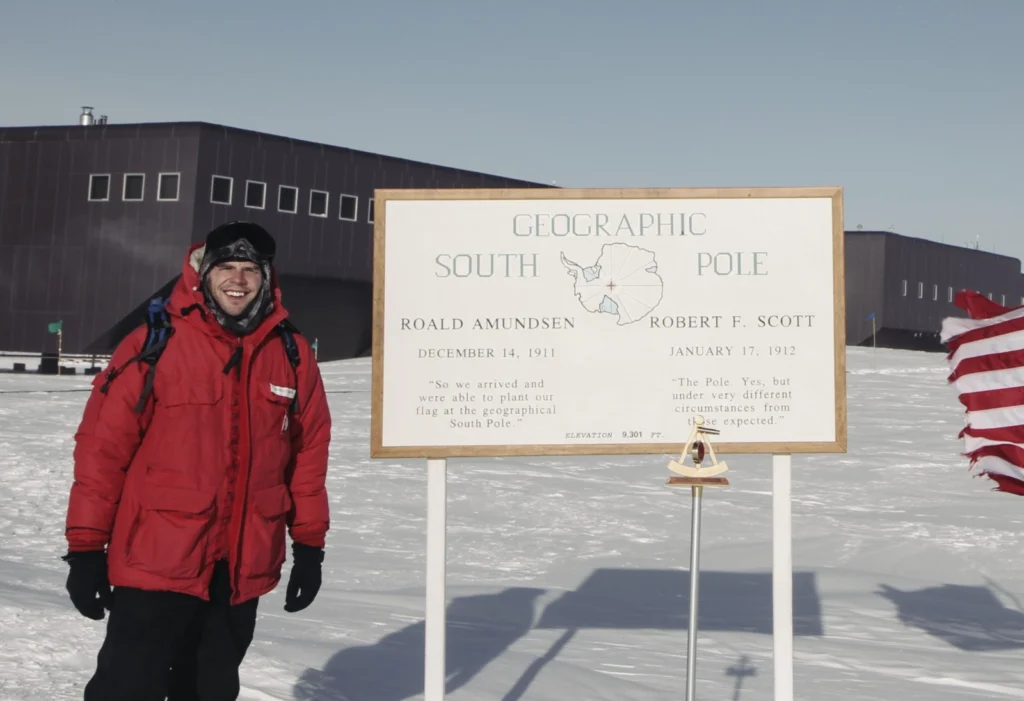
Mapping Earth’s most remote continent presents a number of unique challenges. Antarctic cartographers and scientists are using some of the most advanced mapping technologies available to get a clearer picture of the continent. We asked Brad Herried, a Cartographer and Web Developer at the Polar Geospatial Center at the University of Minnesota, a few questions …[Read More]
Poster presentation tips
Being a scientist is more than just doing research and science. You also need to be able to communicate your findings to your peers and/or the general public (outreach). At conferences, you usually have two options for presenting your work: a talk or a poster (although at EGU, you also have the PICO sessions). A …[Read More]