EGU Blogs

Division blogs

GD
Geodynamics

One month to AGU!

One month to AGU!

As the leaves are falling; the sun is going down before you leave the office; and the stores are stacking up on Christmas decorations, it’s time to face the facts: it’s almost AGU! It shouldn’t come as a surprise, but just in case. Don’t worry, there is still time to reread your abstract to see …[Read More]

GD
Geodynamics

The jelly sandwich lithosphere: elastic bread, the jelly, and gummy bears

The jelly sandwich lithosphere: elastic bread, the jelly, and gummy bears

The Geodynamics 101 series serves to showcase the diversity of research topics and methods in the geodynamics community in an understandable manner. We welcome all researchers – PhD students to Professors – to introduce their area of expertise in a lighthearted, entertaining manner and touch upon some of the outstanding questions and problems related to …[Read More]

ST
Solar-Terrestrial Sciences

Eyes on the Sun

Eyes on the Sun

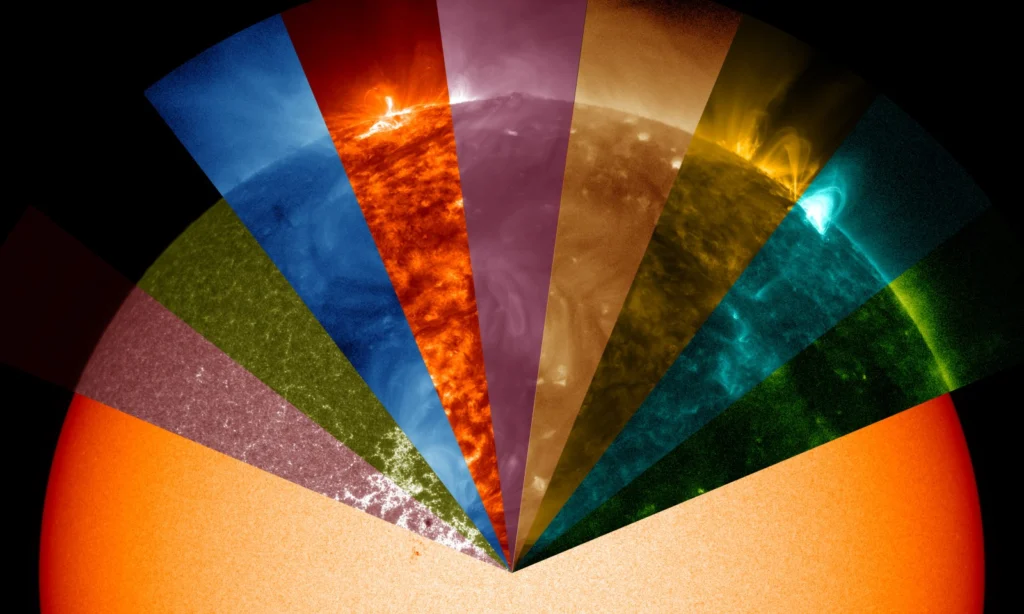
The Sun is a complex, dynamic ball of plasma which influences our lives. Studying the Sun is challenging because each of its layers have different composition, physics and wavelengths of emssion. Moving outwards from the photosphere (visible surface of the Sun), we have the chromosphere and the corona (hottest outermost layer). The solar plasma is …[Read More]

BG
Biogeosciences

Understanding the role of microbes in cold seep habitats

Understanding the role of microbes in cold seep habitats

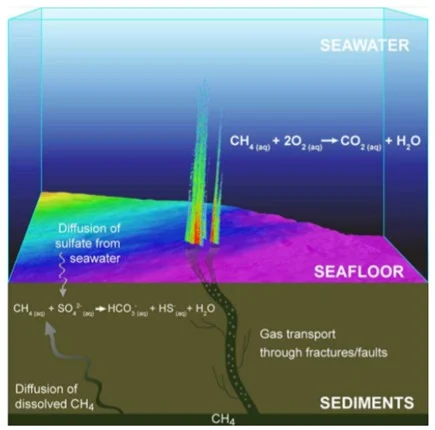
A cold seep is an area of the ocean seafloor where hydrogen sulfide, methane and other hydrocarbon-rich fluid seepage occurs. These parts of the ocean floor still remain a large mystery for scientists, in particular for the occurence of hydrothermal vents. In between these vents, microbes live that play a role in the local and global carbon budget. However their exact role …[Read More]

CR
Cryospheric Sciences

Image of the Week – Of comparing oranges and apples in the sea-ice context

Image of the Week – Of comparing oranges and apples in the sea-ice context

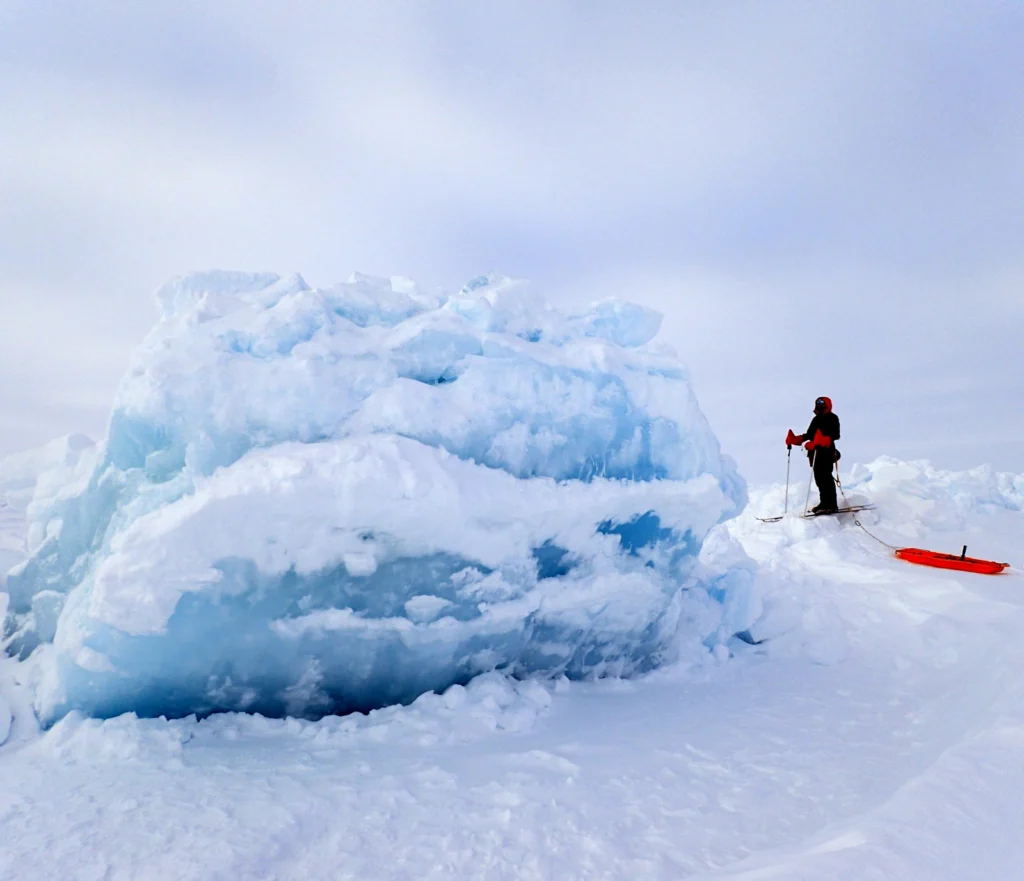
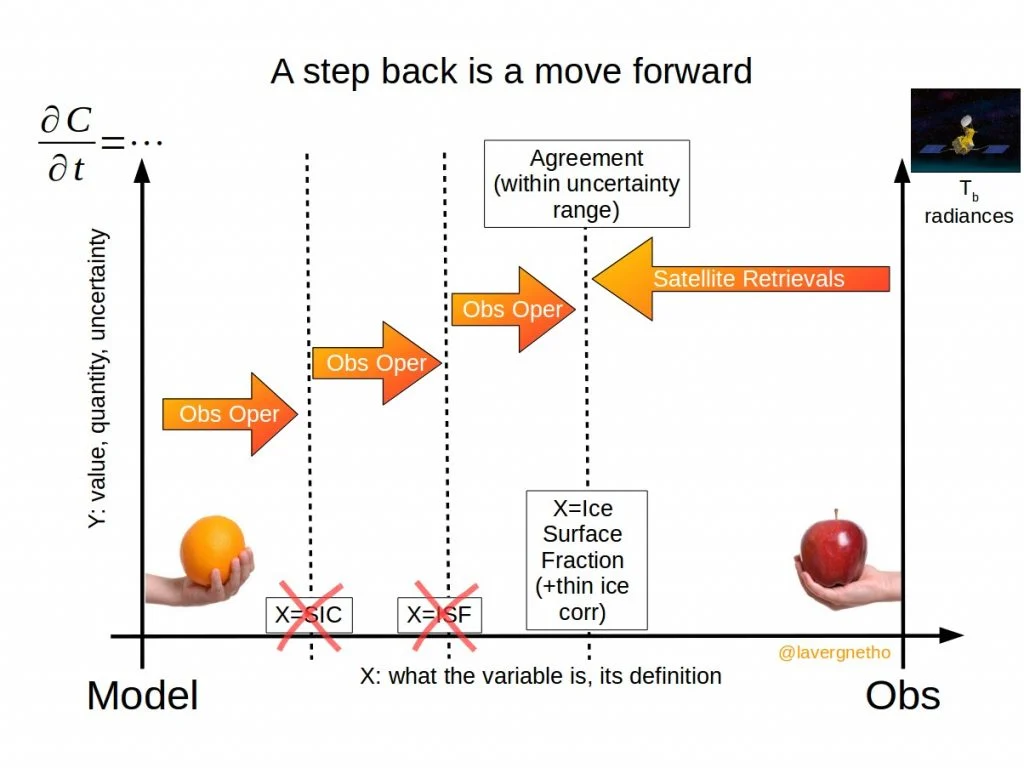
In the last fifty years, models and observations have enabled us to better understand sea-ice processes. On the one hand, global climate models have been developed, accounting for the sea-ice component in the climate system. On the other hand, satellite instruments have been developed to monitor the “real” sea-ice evolution. These satellite observations are often …[Read More]