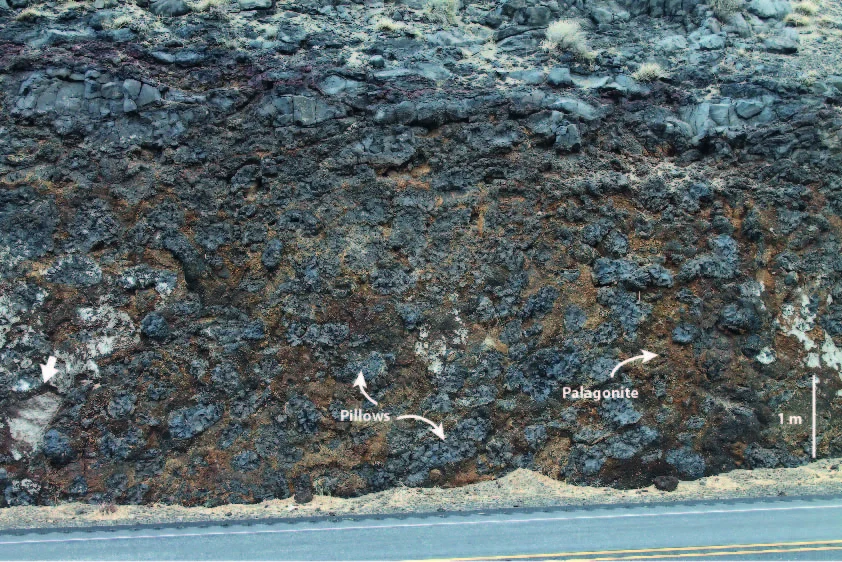
Pillow-palagonite complex forming as a result of hot lava entering a former river channel or lake in the Columbia River Flood Basalt Province, Washington State, USA (c. 15 My). Individual sediment packages were picked up from the bottom of the water body and trapped within the lava complex (see white arrow). Orange-brown palagonite is a …[Read More]
Division blogs
Image of the Week — Orange is the new white
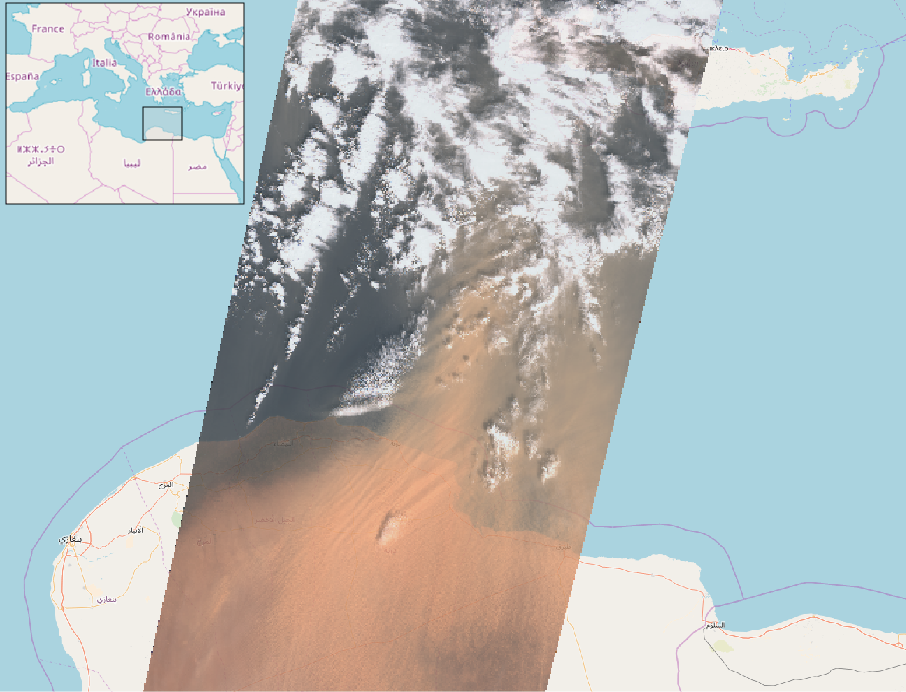
On 22 March 2018, large amounts of Saharan dust were blown off the Libyan coast to be further deposited in the Mediterranean, turning the usually white snow-capped Mountains of Turkey, Romania and even Caucasus into Martian landscapes. As many people were struck by this peculiar color of the snow, they started documenting this event on …[Read More]
The average magnetic field and polar current system (AMPS) model
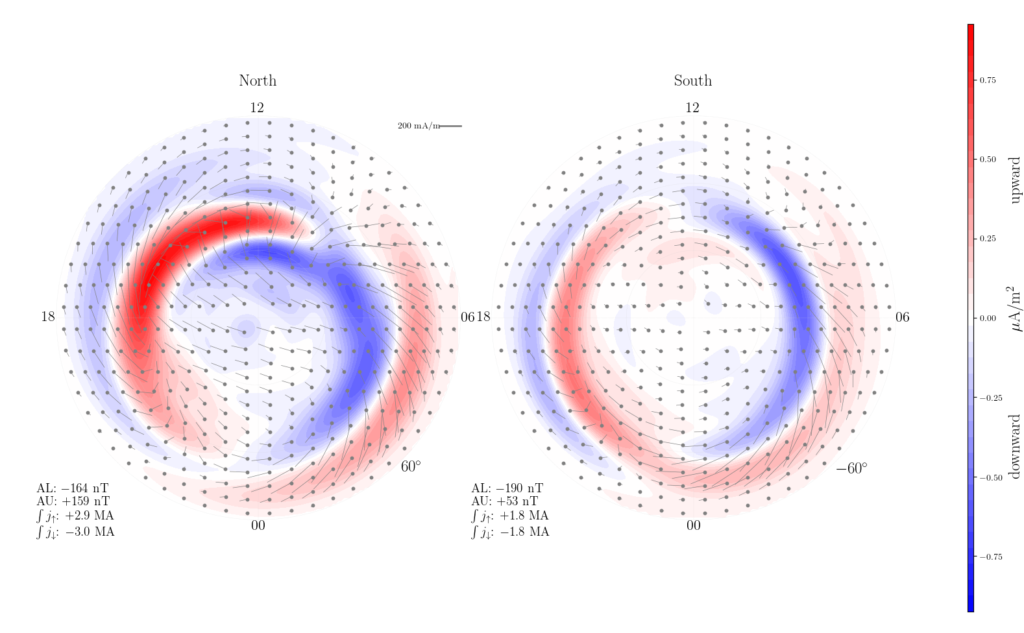
In this month’s post, Karl Magnus Laundal explains a newly developed empirical model for the full high latitude current system of the Earth’s ionosphere, AMPS (Average Magnetic field and Polar Current System). The model is available and documented in python code, published under the acronym pyAMPS. The community is invited to download and explore the …[Read More]
Remarkable Regions – The Kenya Rift
Every 8 weeks we turn our attention to a Remarkable Region that deserves a spot in the scientific limelight. After looking at several convergent plate boundaries, this week the focus lies on part of a nascent divergent plate boundary: the Kenya Rift. The post is by postdoctoral researcher Anne Glerum of GFZ Potsdam. Of course an active …[Read More]
What’s on at POLAR18?
Next Tuesday (19th June) the POLAR18 Open Science Conference kicks off in Davos, Switzerland. We have put together a quick guide about events that might be of interest to you during the week! Conferences are about the science, of course, but the social side is just as important :) What is POLAR18? The eagle-eyed among …[Read More]
Image of the Week – Icy expedition in the Far North
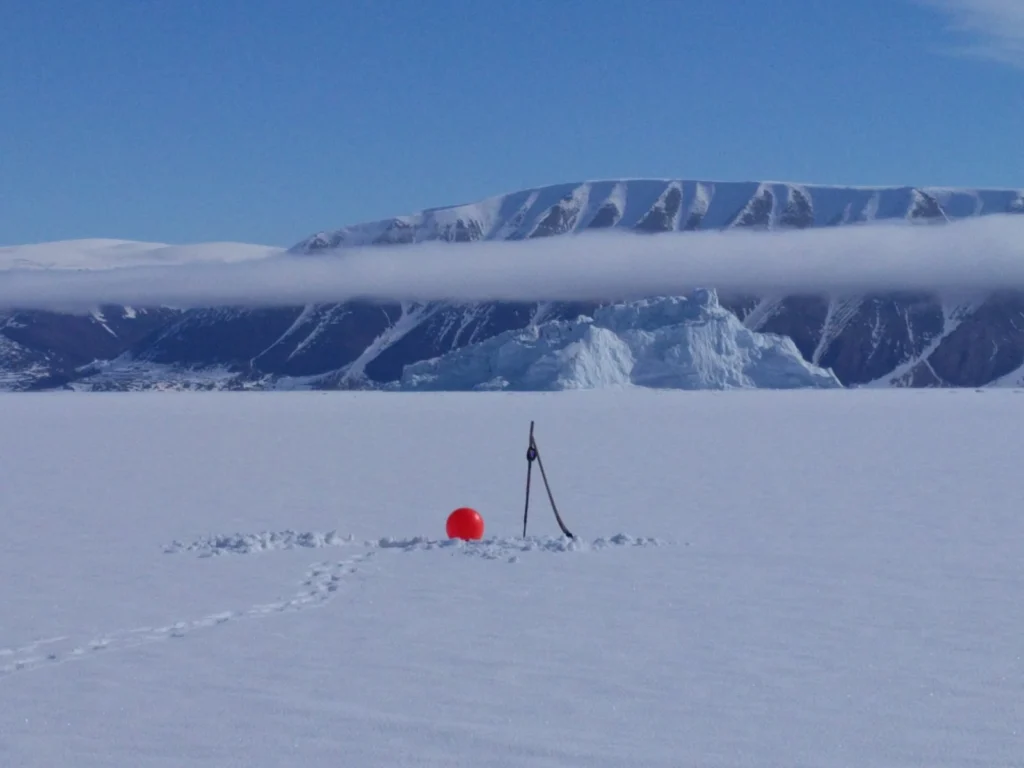
Many polar scientists who have traveled to Svalbard have heard several times how most of the stuff there is the “northernmost” stuff, e.g. the northernmost university, the northernmost brewery, etc. Despite hosting the four northernmost cities and towns, Svalbard is however accessible easily by “usual-sized” planes at least once per day from Oslo and Tromsø. …[Read More]
The art of the 15-minute talk
We’ve all attended conferences with those dreaded 15-minute talks and we have no problem picking out which talks were amazing and which talks were abysmal. However, when it comes to our own talks, it’s hard to judge them, find out how they can be improved or break away from long-established habits (such as our layout …[Read More]
Levoglucosan, the witness of past fires
Name of proxy Levoglucosan Type of record Biomass burning Paleoenvironment Lake and marine sediments and ice cores Period of time investigated Present to approximately 130,000 years ago How does it work? Levoglucosan is a molecule that is exclusively formed during the combustion of vegetation at low-temperature. It is therefore considered to be a source-specific tracer …[Read More]
Fantastic grants and where to find them, part 1.
At some point in your career, usually, sooner than later, you will need to write a grant proposal to ensure yourself a paid research position. Funding agencies are out there waiting to receive your great and original ideas and possibly grant you some money to transform these ideas into actual science. One can spend …[Read More]
Image of the Week – Polar Prediction School 2018
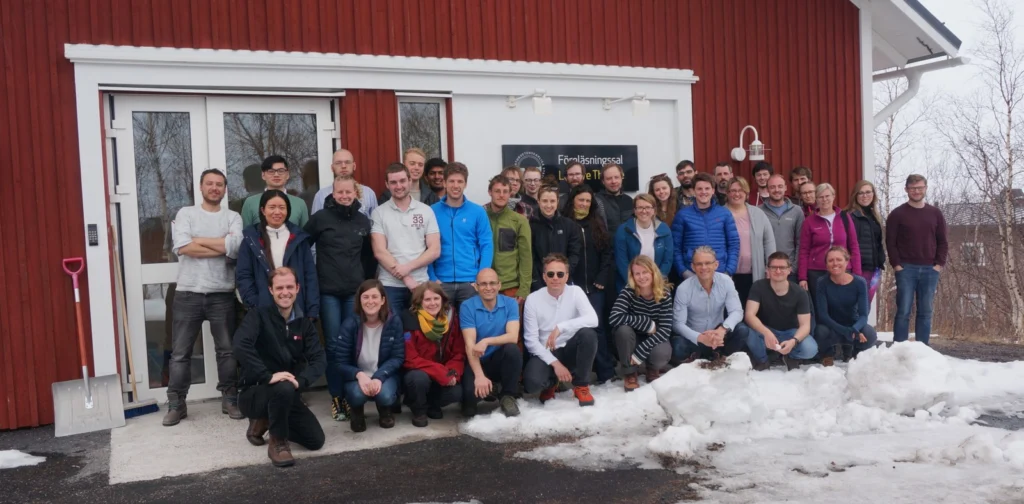
Early career scientists studying polar climate are one lucky group! The 29 young scientists who took part in the 10 day Polar Prediction School this year were no exception. They travelled to Arctic Sweden to learn and discuss the challenges of polar prediction and to gain a better understanding of the physical aspects of polar …[Read More]