NH
Natural Hazards

Monitoring

Be prepared, don’t be scared: Early Warning System Test during Thanksgiving on Cape Cod
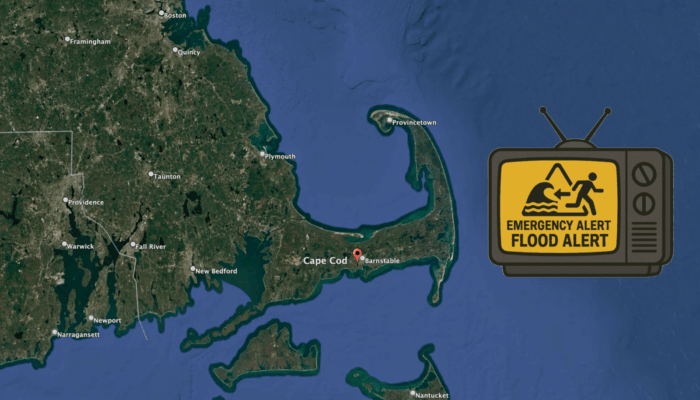
Be prepared, don’t be scared: Early Warning System Test during Thanksgiving on Cape Cod
This week I think back on my time in the United States of America, where I was able to spend the holiday season. In North America, “fall” marks the beginning of this holiday season, and symbolises a time filled with traditions of togetherness that transcends regions. In New England, particularly in the state of Massachusetts, the season is synonymous with crisp air, vibrant foliage, and the celebr ...[Read More]

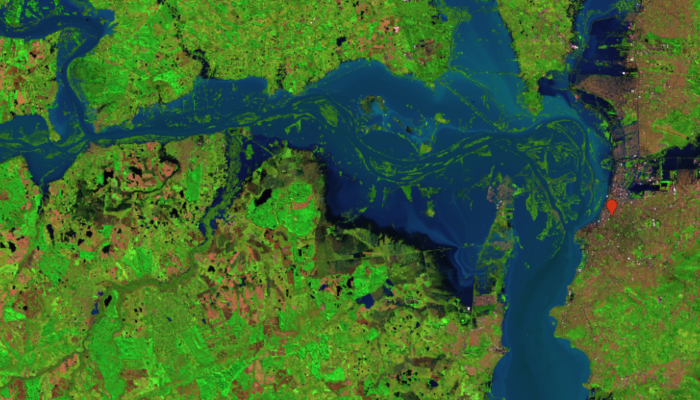
Navigating the Ongoing and Predicted Disaster of Rio Grande do Sul (Brazil): Career and Insights with Expert Prof. Enner

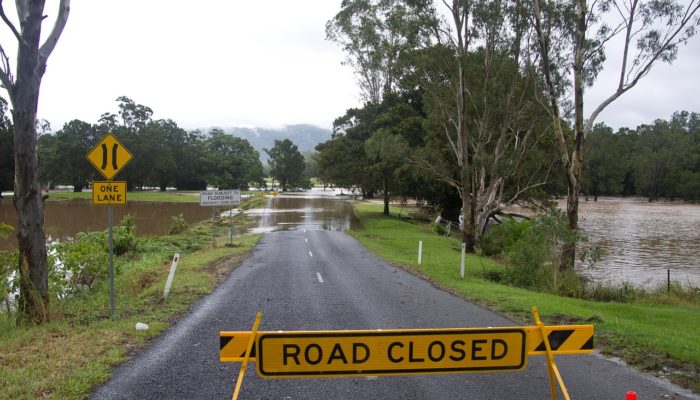
Severe flooding that left the metropolitan region of Porto Alegre, the capital of Rio Grande do Sul, Brazil, submerged.

We are honoured to hear from Dr. Enner Alcântara, Professor at the São Paulo State University (UNESP) and leader of the Remote Sensing, Spatial Analysis, Environmental Modelling and Natural Disasters Research Group. His research in remote sensing has played a crucial role in recognising, managing and mitigating the impacts of disasters, bringing out significant contributions. Today, we’ll ex ...[Read More]

Discovering the CoastSnap project – Interview with Dr Mitchell Harley

Discovering the CoastSnap project – Interview with Dr Mitchell Harley

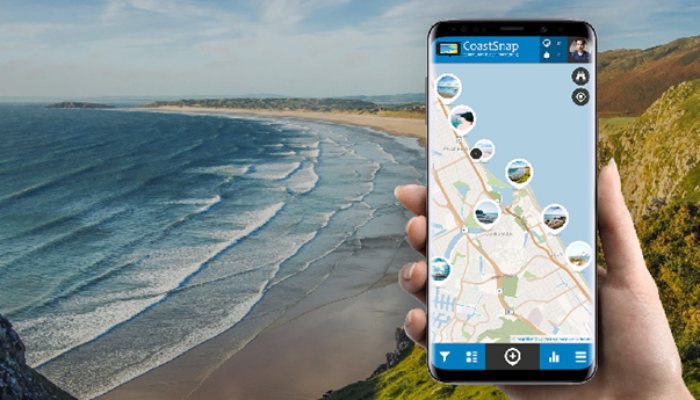
CoastSnap is a global citizen science project aiming at monitoring the changes in our coastlines due to processes such as storms, rising sea levels, and human activities using smartphones. We will discover more about this promising project by chatting today with Dr Mitchell Harley, founder of the CoastSnap program. Mitchell is a Researcher and Senior Lecturer in the School of Civil and Environment ...[Read More]

IoT and Natural Hazards: the latest updates

IoT and Natural Hazards: the latest updates

In my blog post last year, I talked about the escalation of extreme events in Brazil, and one of the main questions was whether the scientific community would need new methods and technologies to deal with extreme events aggravated by climate change. This year, during one of the Innovations (WG05) working group meetings of the International Network on Landslide Early Warning Systems (LandAware), I ...[Read More]

Natural Hazards 101: Forecasting and modelling

Natural Hazards 101: Forecasting and modelling

With the Natural Hazards 101 series, we mean to bring our readers closer to the terminology often used in the field of natural hazards, but that may not be so familiar. In the first episode of the series, we focused on the definition of hazard and natural hazard. We moved then to the concept of risk, which brought us to define exposure and vulnerability. Later on, we digested the disaster terminol ...[Read More]

LANDAWARE: the international network on landslide early warning systems

LANDAWARE: the international network on landslide early warning systems

For today’s interview, it gives me great pleasure to host Dr Manfred Stähli, who will tell us about a new initiative in the field of Landslide Early Warning Systems (LEWS), which is attracting the attention and participation of researchers from many countries. This initiative is called LandAware. Manfred is a senior scientist in mountain hydrology, slope stability and early warning systems a ...[Read More]

Tackling the leaks in the transport network with Maria Pregnolato

Tackling the leaks in the transport network with Maria Pregnolato

Transport networks are crucial to our lives, from commuting to work to reach health care facilities, from the transport of goods to leisure travelling. To quote Robin Chase, an American transport entrepreneur: “Transportation is […] the glue of our daily lives. When it goes well, we don’t see it. When it goes wrong, it negatively colours our day, makes us feel angry and impotent, curta ...[Read More]

How satellites measuring soil moisture provide a new understanding of rainfall patterns

How satellites measuring soil moisture provide a new understanding of rainfall patterns

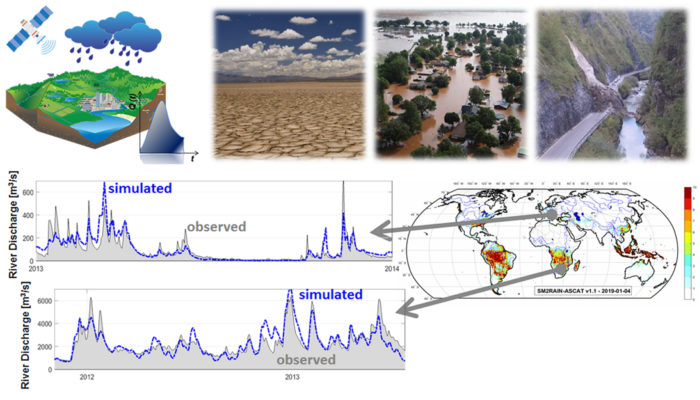
Soil moisture and rainfall are the two fundamental variables in the water and energy cycle and their knowledge in many applications is crucial. For instance, for predicting the occurrence and the magnitude of flood and landslide events the knowledge of the initial soil moisture condition and of rainfall amount is mandatory. In the last decade, some authors have proposed a completely new approach, ...[Read More]

How can remote sensing and wavelet transform unravel natural and anthropogenic ground motion processes?

How can remote sensing and wavelet transform unravel natural and anthropogenic ground motion processes?

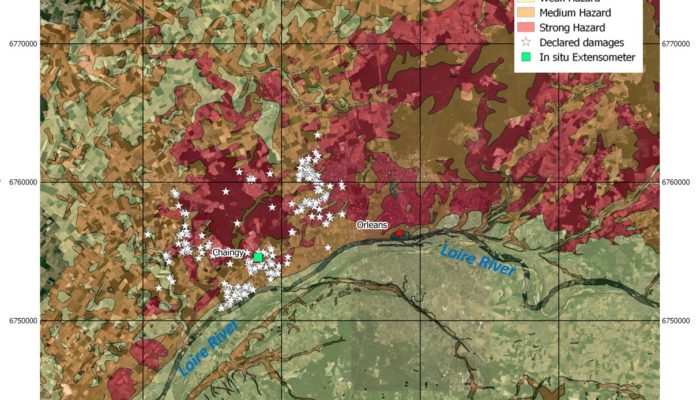
Underground energy storage and gas storage in aquifers In the context of energy transition, massive energy storage is a key issue for the integration of renewable sources into the energy mix. Storing energy in the underground can lead to larger-scale, longer-term and safer solutions than above-ground energy storage technologies. In particular, natural gas storages are designed to address different ...[Read More]

I-REACT – ‘Fight disasters with your phone’

I-REACT – ‘Fight disasters with your phone’

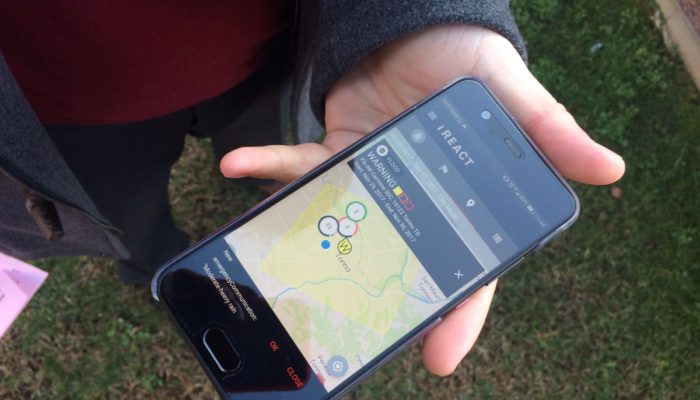
Technology has never been more at hand than at the time we are living. Smartphones and the many apps on the market are proof of this. As I recently discovered, there is also an app developed to learn about natural hazards and, as they claim, fight disasters! This app is called I-REACT, and it was born from a homonymous innovation project funded by the European Commission and developed by a consort ...[Read More]