HS
Hydrological Sciences

Hydrological Sciences

What EGU Division presidents actually do
What EGU Division presidents actually do
During the recent EGU Autumn 2021 elections, Alberto Viglione, from Politecnico di Torino, was elected as the new president of the Division on Hydrological Sciences. As a first-time elected division president, he will be inaugurated during the EGU General Assembly in April 2022 in Vienna, and serve for one year as Deputy President after the …[Read More]

On talking about hydrology at non-academic events

On talking about hydrology at non-academic events

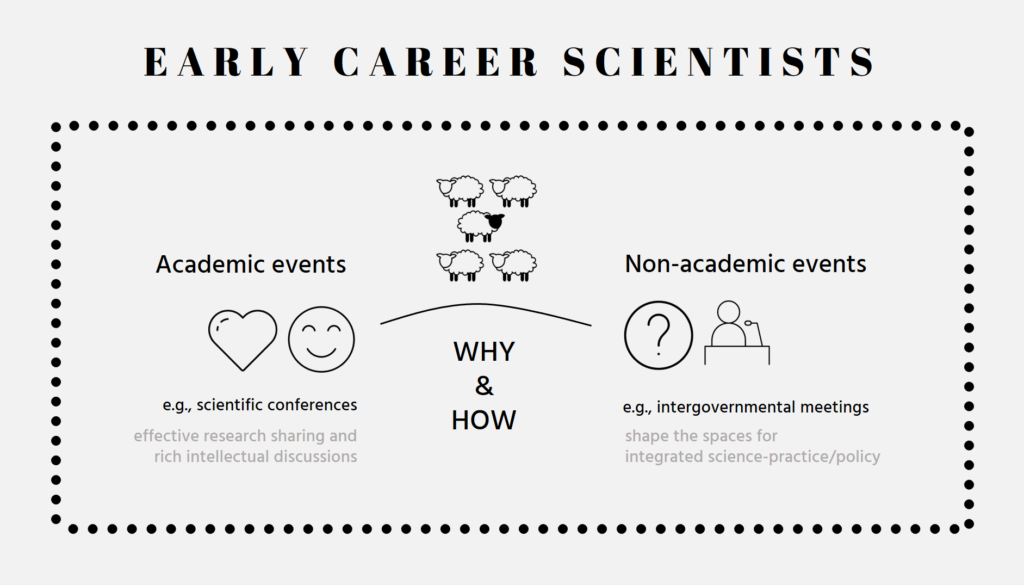
Many of us have given talks (or are preparing their first one coming soon) at academic and non-academic events. What are the differences and what should we expect from both types of events? How can early career scientists (ECS) navigate through these two types of events? I wrote this blog post as an attempt to …[Read More]

Vienna or not Vienna? On the way to #EGU22

Vienna or not Vienna? On the way to #EGU22

The EGU Programme committee (PC) usually meets several times in a year to prepare the EGU General Assembly (GA). In these “virtual” times, they have met even more than usual, as more issues have to be discussed and reflected upon: hybrid format, accessibility, fees and registration rates, travel support, education, outreach, communication, side events, etc. …[Read More]

Let’s talk about #sociohydrology

Let’s talk about #sociohydrology

The world’s water crisis is complex, multifaceted and deeply intertwined with social processes. As such, it requires increased collaboration across multiple disciplines and the development of new paradigms for understanding and managing water resources. These scientific challenges have inspired the organizers of the 1st International Conference on  SocioHydrology that took place between the 6th and …[Read More]

100 Ideas to Communicate the Value of Hydrology

100 Ideas to Communicate the Value of Hydrology

Hydrologists are a pivotal part of modern societies where the delivery of enough clean water to populations relies on their decisions to manage complex systems of resources. Flood hydrologists develop and operate computer models with the aim of meeting the World Meteorological Organization’s (WMO) long-term ambition that “no one is surprised by flooding”. Despite this …[Read More]

Behind every robust result is a robust method: Perspectives from a hydrological case study

Behind every robust result is a robust method: Perspectives from a hydrological case study

Scientific studies and mathematical models are increasingly used to guide the management and development of society. But while science and modelling can indeed provide a robust basis for decision making, we must be mindful of two related considerations. First, science is based not on trust but on skepticism, meticulous technique and careful verification. Second, science …[Read More]

Berit Arheimer (2021 Henry Darcy Medallist) early autumn reflections from a summer cabin

Berit Arheimer (2021 Henry Darcy Medallist) early autumn reflections from a summer cabin

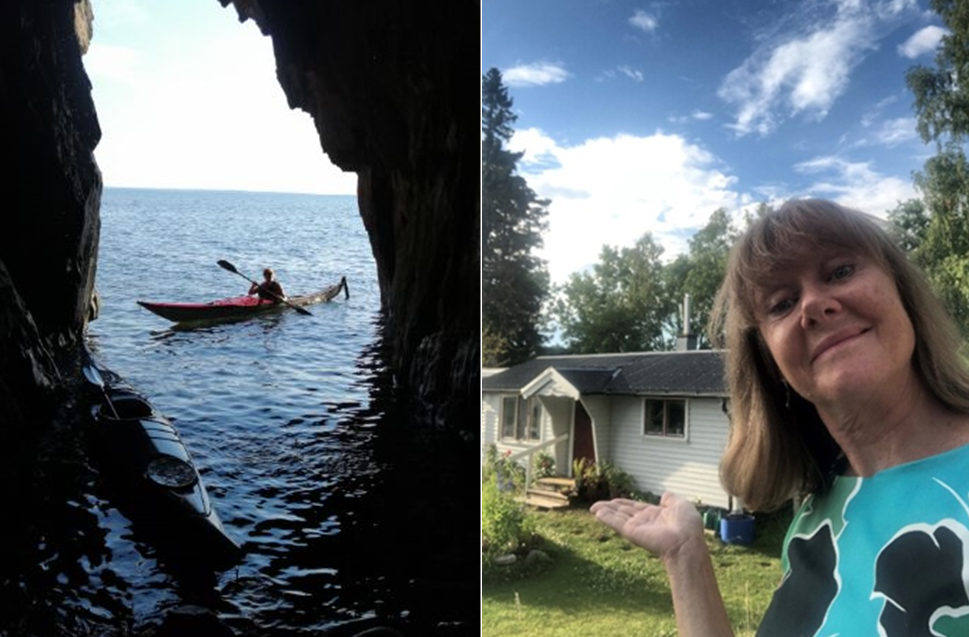
The EGU 2021 Henry Darcy Medal of the EGU Division on Hydrological Sciences was awarded to Berit Arheimer, leader of the Hydrological Research unit at SMHI, and first ever female elected president of IAHS. The medal was awarded for her scientific leadership in policy-relevant large-scale modelling of water quality and quantity, promotion of open hydrology, and her …[Read More]

Hydrological modelling in times of flooding

Hydrological modelling in times of flooding

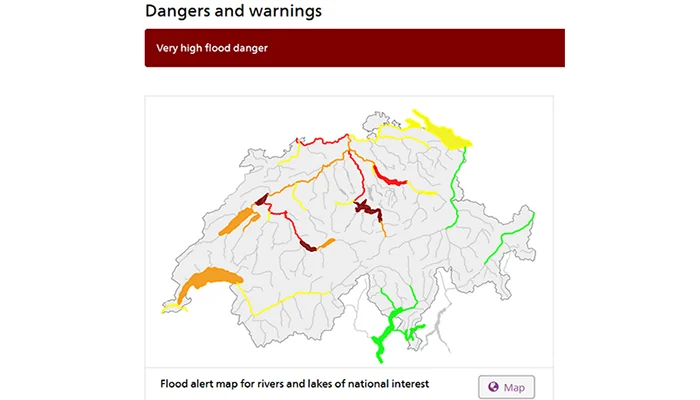
What a strange summer! Depending on where you live, you might currently be suffering from heat. In Switzerland, we are suffering from an exceptionally rainy and stormy weather situation, with high to very high flood danger issued for many major rivers and lakes (see warning map above, taken from the Federal Office for the Environment …[Read More]

Listening to a bouquet of articles: review papers

Listening to a bouquet of articles: review papers

Let me guess from which city in the world you are reading this post: Lima, Lahore or Louisville? It might be that you are modelling one of these rivers: Nile, Rhine or Lena? Or studying the Caribbean Sea, the Arabian Sea or the Caspian Sea? The country you live might be Uganda, Philippines or maybe …[Read More]