CR
Cryospheric Sciences

climate

Arctic Frontiers Emerging Leaders

Arctic Frontiers Emerging Leaders

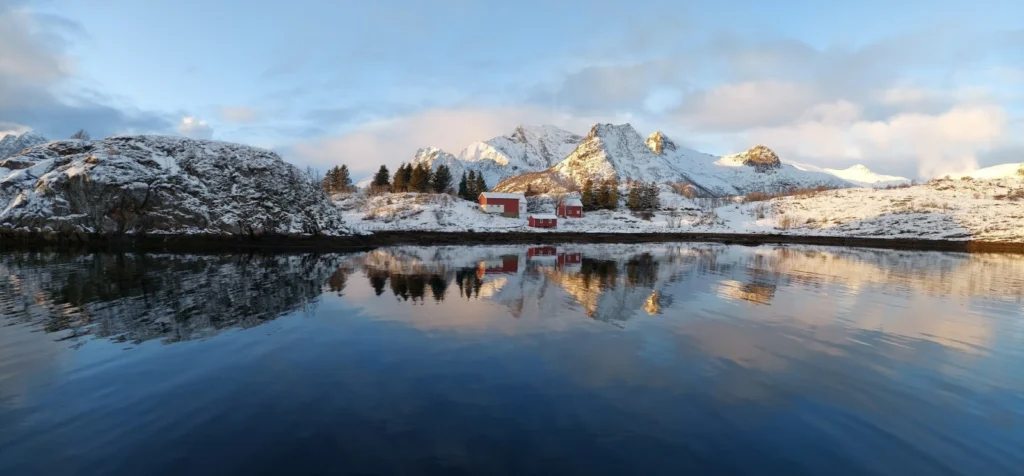
Here on the Cryoblog we often talk about the impacts of climate change in the Cryosphere. So now for something completely different: how does this fit into sustainable development in the Arctic? Here, I take you on a journey through the Arctic in a round-up of the recent Arctic Frontiers Emerging Leaders program, a unique …[Read More]

Taiwan’s Icy Past

Taiwan’s Icy Past

The beautiful island of Taiwan (as given by its colonial name, Ilha Formosa) is primarily known for its lush tropical forests, delicious culinary cuisine, bubbling hot springs, and a bustling cityscape. But, what does Taiwan have to do with the cryosphere? Before you resist the urge to leave and get a bubble tea, read on …[Read More]

A place called home?

A place called home?

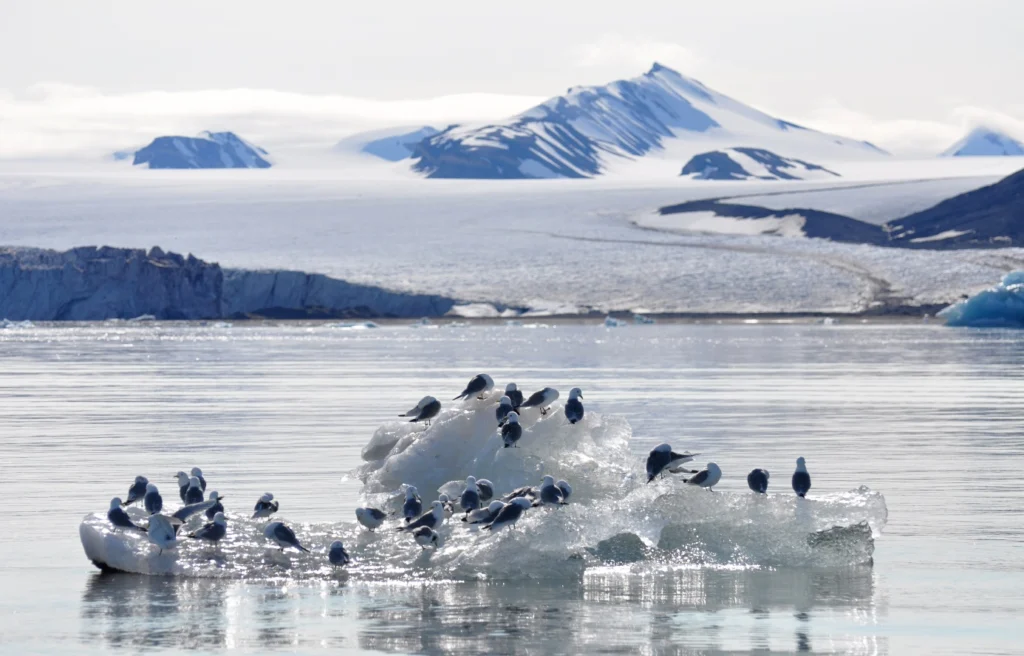
Welcome to Kongsfjorden in Svalbard. The front of the glaciers terminating into the sea is an ecological hotspot, home to many marine animals, like kittiwakes, who love to hunt here. They feed on small fish and shrimp, which at marine-terminating glacier fronts are brought to the surface by upwelling glacial meltwater. Retreating glaciers lose their …[Read More]

Climatic drivers of permafrost mounds in North American peatlands

Climatic drivers of permafrost mounds in North American peatlands

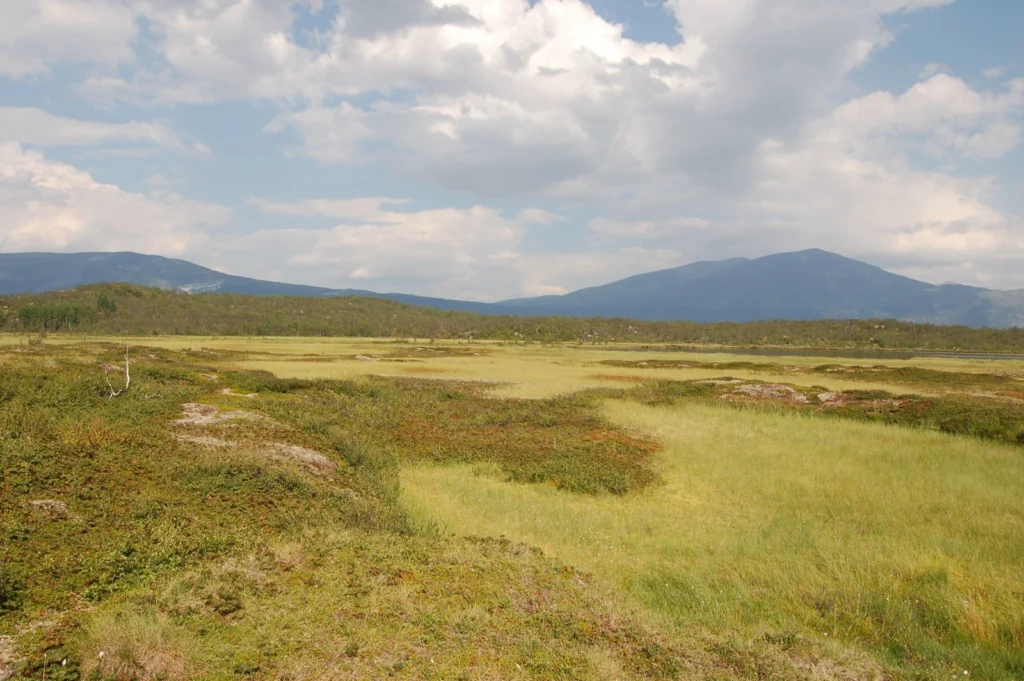
Permafrost, or perennially frozen, peatlands are among the world’s largest terrestrial carbon stores and are particularly threatened by warming climates. Understanding how modern climate controls the distribution of permafrost peatlands is crucial for making confident predictions of their past and future extents. What are permafrost peatlands? Peatlands are wetlands that develop where cold, wet conditions …[Read More]

Image of the Week – The Gap, the Bridge, and the Game-changer

Image of the Week – The Gap, the Bridge, and the Game-changer

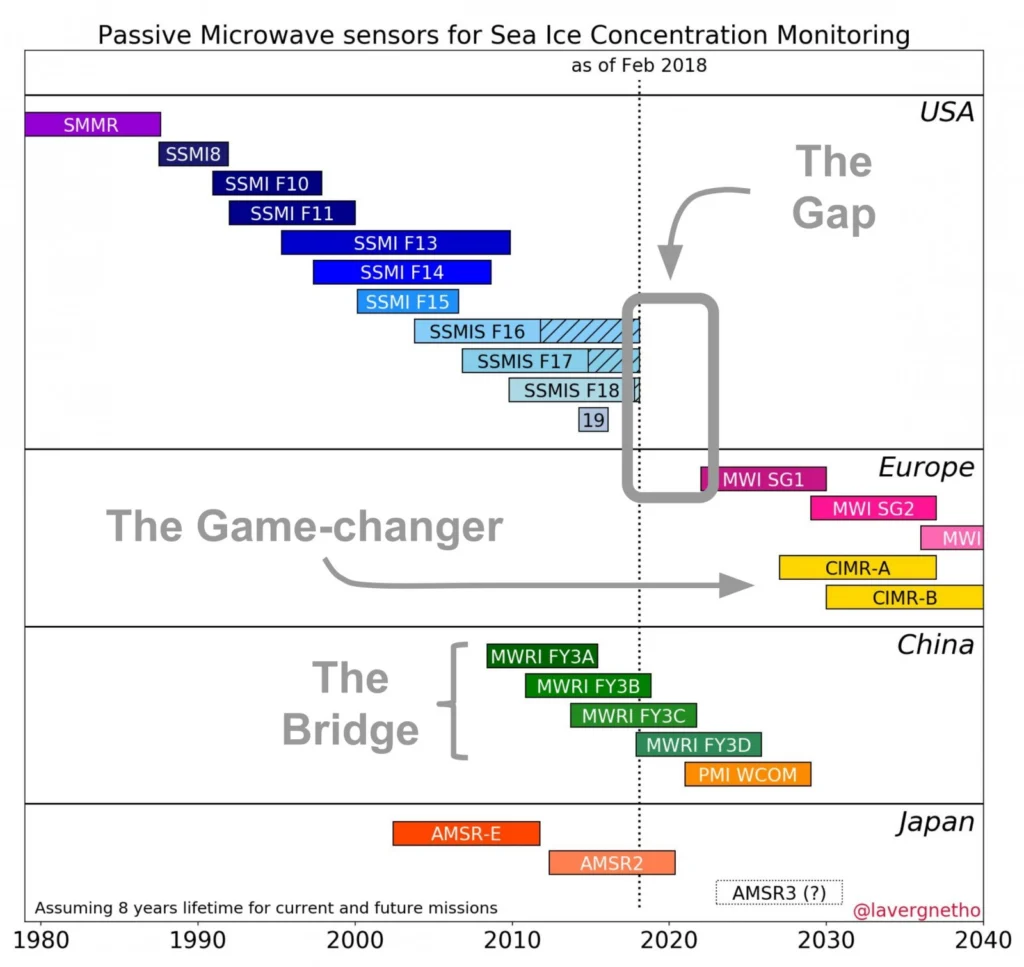
The Gap, the Bridge, and the Game-changer are three series of satellites. They carry instruments that measure the microwave radiation emitted by the Earth (called passive microwave instruments), while flying 800 km above our heads at 7,5 km/s. Since the late 1970s, most sea ice properties (concentration, extent, area, velocity, age and more!) have been …[Read More]