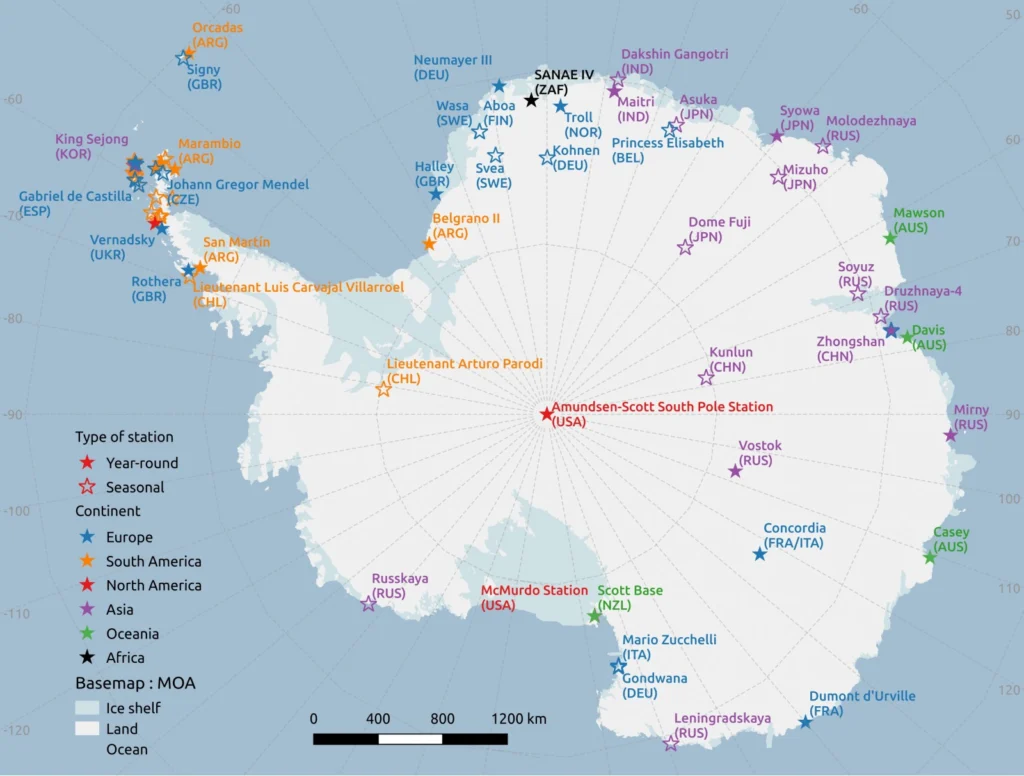
What word would you use to characterise the Antarctic ? White? Windy? Remote? Empty? Inhospitable? Wild? Preserved? While all of these are true it may surprise you to find out that the Antarctic is occupied by humans all year round with almost half of its 82 research stations operating 365.25 days a year! Just a …[Read More]
448 search results for "sea ice"
If you didn't find what you were looking for, try searching again.
Image of the Week – Hidden Beauty on a Himalayan Glacier
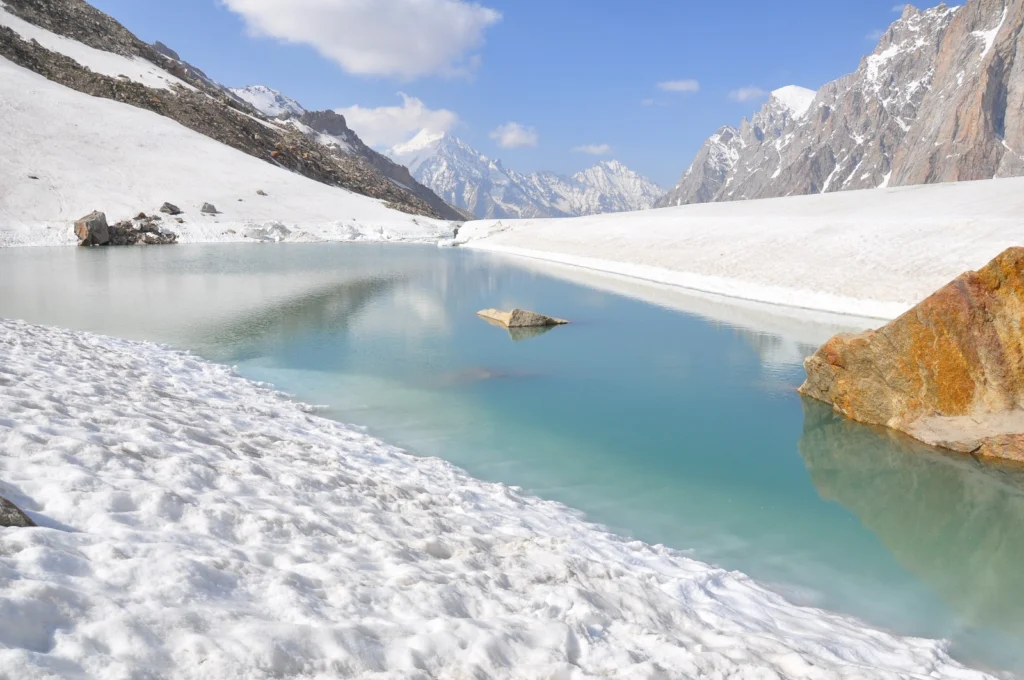
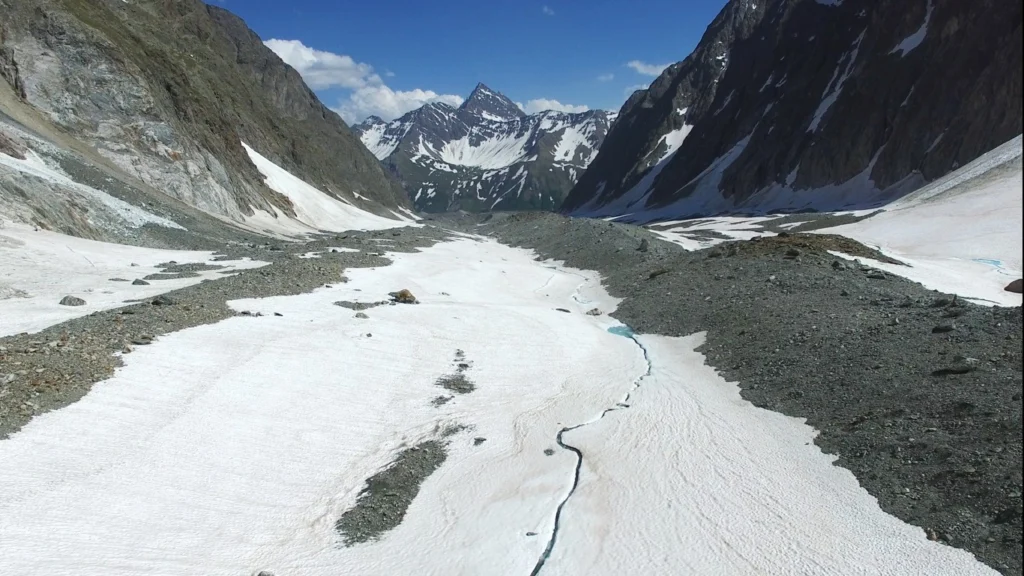
Today’s image of the week comes from stunning setting of Chhota Shigri Glacier in the Pir Panjal Range of northern India. The range is part of the Hindu-Kush Karakorum Himalaya region which is a notoriously challenging place to work as it is very remote and completely inaccessible during the winter months. However, when have these challenges ever stopped a …[Read More]
Fieldwork at 5,000 meters in altitude
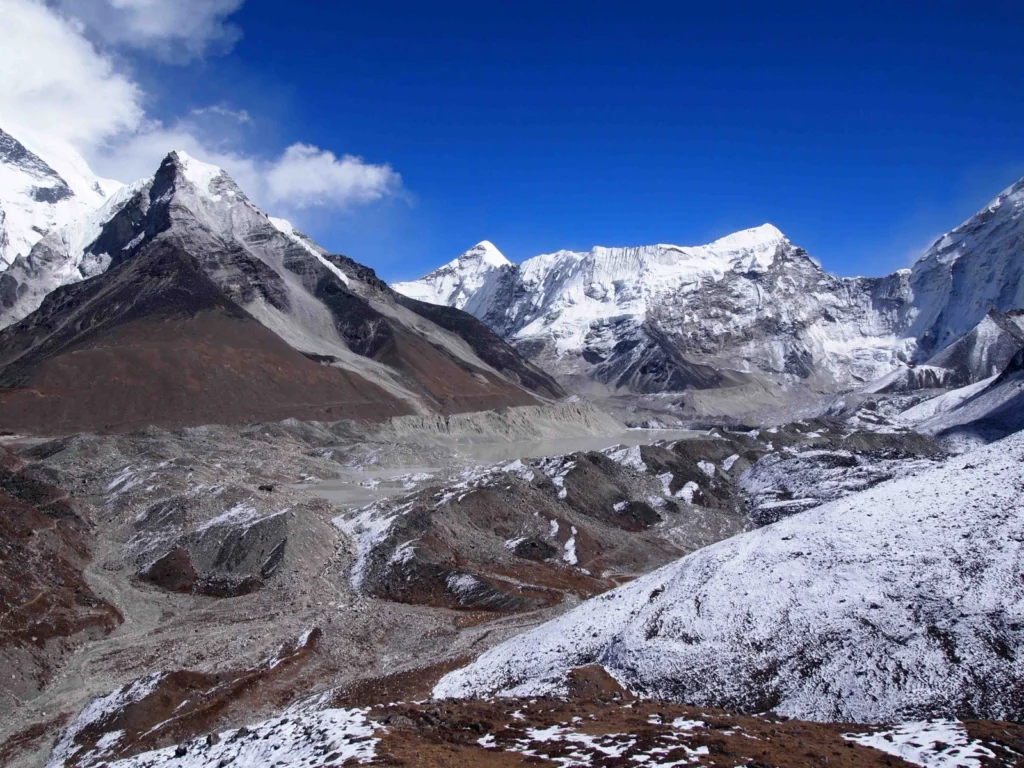
Imja Lake is one of the largest glacial lakes in the Nepal Himalaya and has received a great deal of attention in the last couple decades due to the potential for a glacial lake outburst flood. In response to these concerns, the UNDP has funded a project that is currently lowering the level of the …[Read More]
Image of the Week — Arctic porthole, Arctic portal
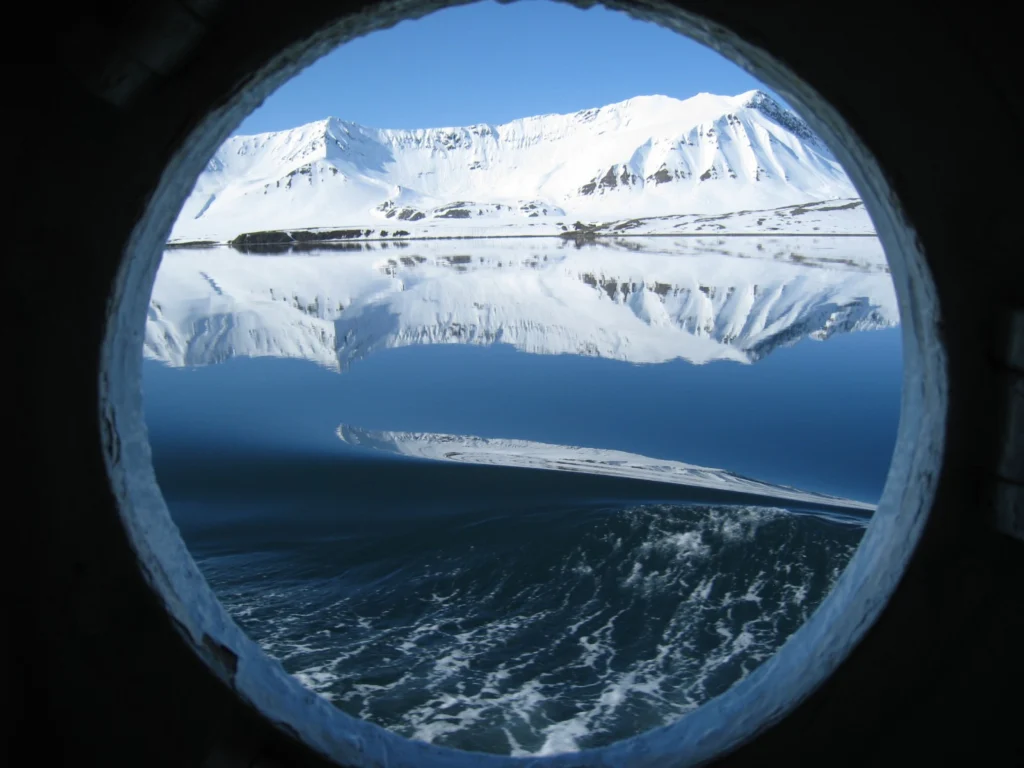
No need to be a superhero to momentarily escape your everyday life! For that you, can just rely on the EGU Cryosphere Blog, which cares for taking you on trips to all sorts of remote and cool places (OK, OK we have to admit that some of these places are indisputably cold 🙂). The picture …[Read More]
Image of The Week – A Game of Drones (Part 1: A Debris-Covered Glacier)
What are debris-covered glaciers? Many alpine glaciers are covered with a layer of surface debris (rock and sediment), which is sourced primarily from glacier headwalls and valley flanks. So-called ‘debris-covered glaciers’ are found in most glacierized regions, with concentrations in the European Alps, the Caucasus, Hindu-Kush-Himalaya, Karakoram and Tien Shan, the Andes, and Alaska and …[Read More]
An Antarctic Road Trip
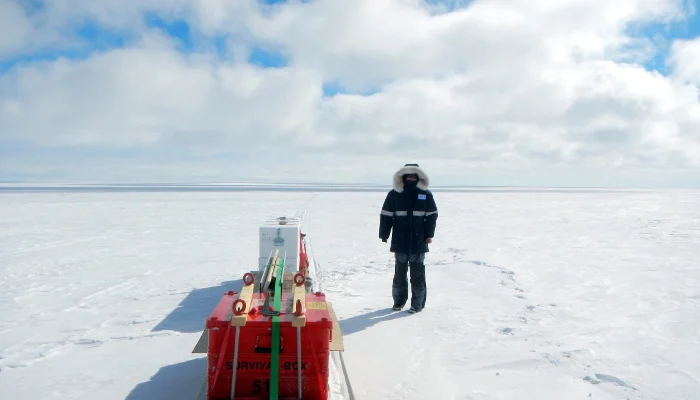
Working in the Arctic and Antarctic presents its own challenges. It is perhaps easy to imagine how a station situated close to the coast is resupplied: during the summer, one or more ships will arrive bringing fuel, food and equipment, but what about stations inland? Flying in supplies by aircraft is expensive and, in the …[Read More]
Image of the Week — Historical aerial imagery of Greenland
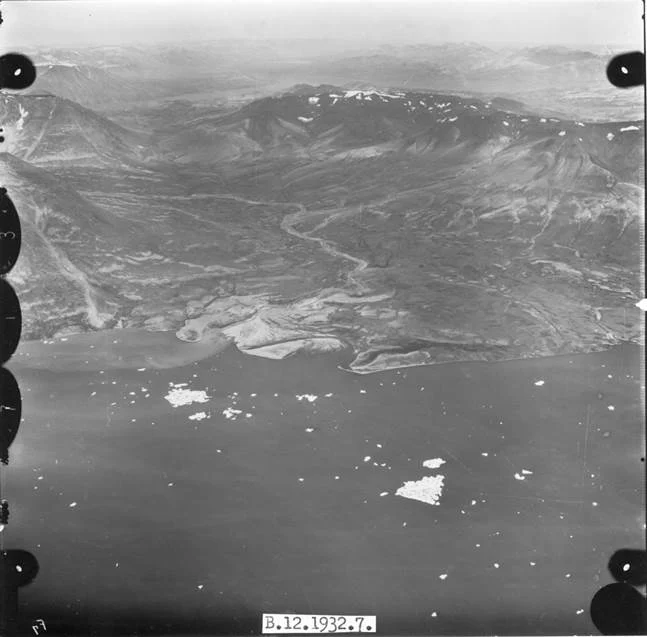
A few month ago, we were taking you on a trip back to Antarctic fieldwork 50 years ago, today we go back to Greenland during 1930s! When geopolitics serves cryospheric sciences The Permanent Court of International Justice in The Hague awarded Danish sovereignty over Greenland in 1933 and besides geopolitical interests, Denmark had a keen …[Read More]
From Hot to Cold – Volcanology Meets the Cryosphere
Hello again, I’m Kathi Unglert, and you’re about to read my third and final post as a student reporter at EGU 2016. Today I am writing about my experience in the cryosphere sessions from my volcanology perspective. In preparation for the conference I kept thinking about what sort of research I would see in the …[Read More]
Careers at the European Space Agency – How and Why?
As the pace of modern life speeds up and job competition becomes even more fierce, it is good to have a focused plan of where you would like to be in the future. The European Space Agency (ESA) offers traineeships and research positions to young scientists on a regular basis. They may be a springboard …[Read More]
Image of the Week: The Bipolar Seesaw
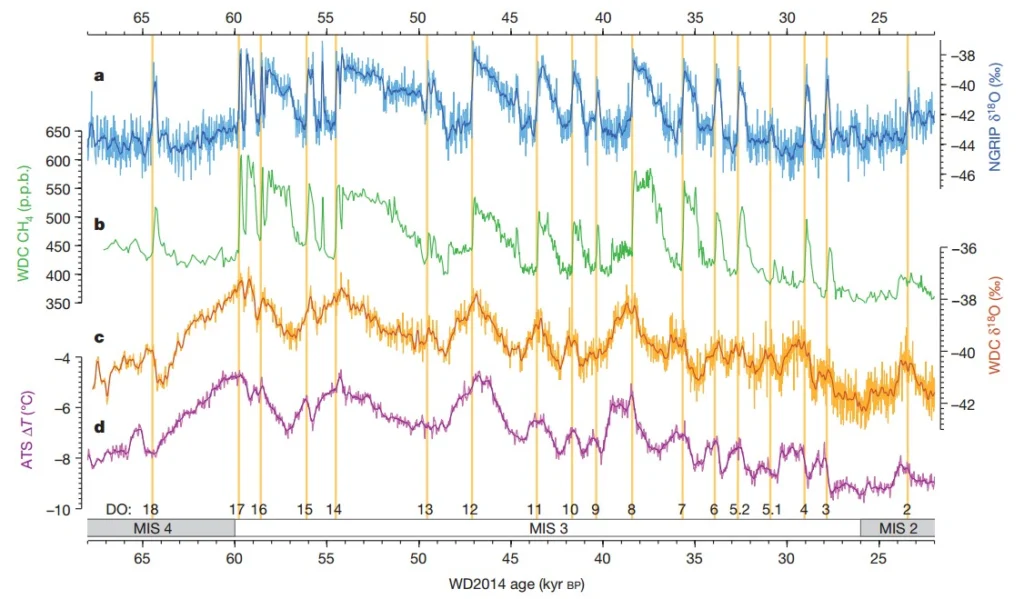
The colourful graphs above show how the climate changed in the period from 65 to 25 thousand years ago when Earth was experiencing an ice age. A wealth of information on the dynamics of our climate is embedded in the curves, especially how the northern and southern hemisphere interact, and how fast climate can change. …[Read More]