
CR
Cryospheric Sciences
Avatar photo

David Rounce

David Rounce is a post-doctoral fellow at the University of Texas at Austin. Originally from Connecticut, he has spent the last 6 years in Austin, where he received his M.S. and PhD. His research integrates remote sensing, computational modeling, and fieldwork to understand debris-covered glacier melt and the flood hazard associated with potentially dangerous glacial lakes. His research has taken him to the Nepal Himalaya on five separate occasions. For more information on his personal and academic interests, visit David's website.

Image of the week – Learning from our past!
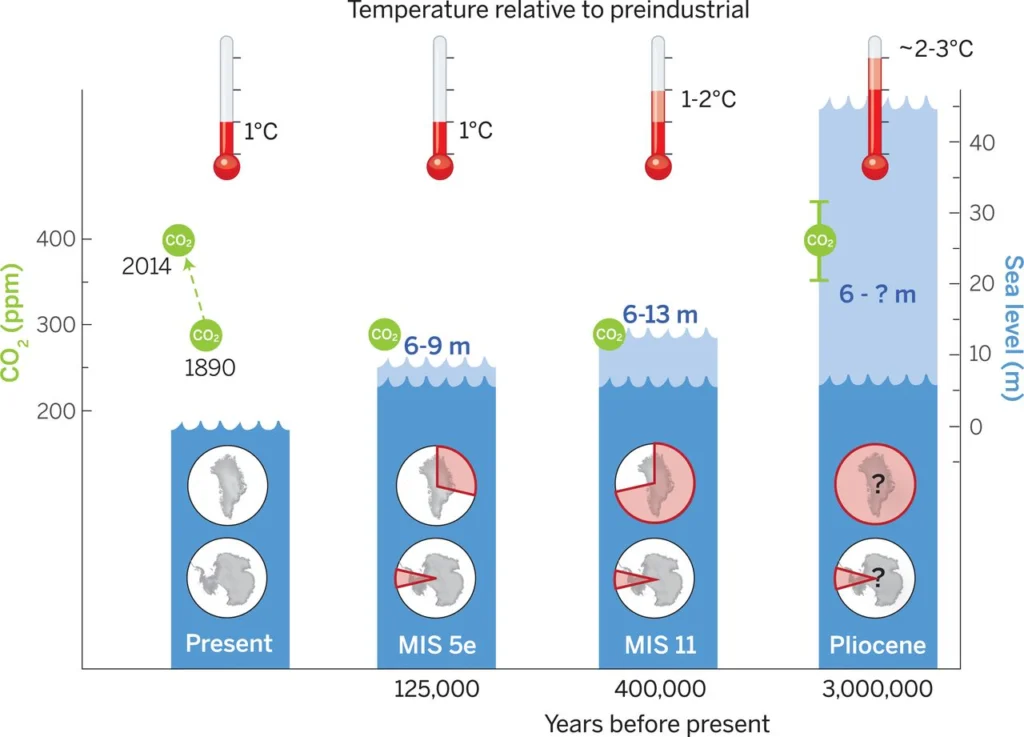
Image of the week – Learning from our past!
Understanding the climate evolution of our planet is not an easy task, but it is essential to understand the past if we are to predict the future! Historic climate cycles provide us with a glimpse into a period of time when the Earth was warmer than it was today. Our image of the week looks at these warmer periods of time to see what they can tell us about the future! For example, during the Plioc ...[Read More]

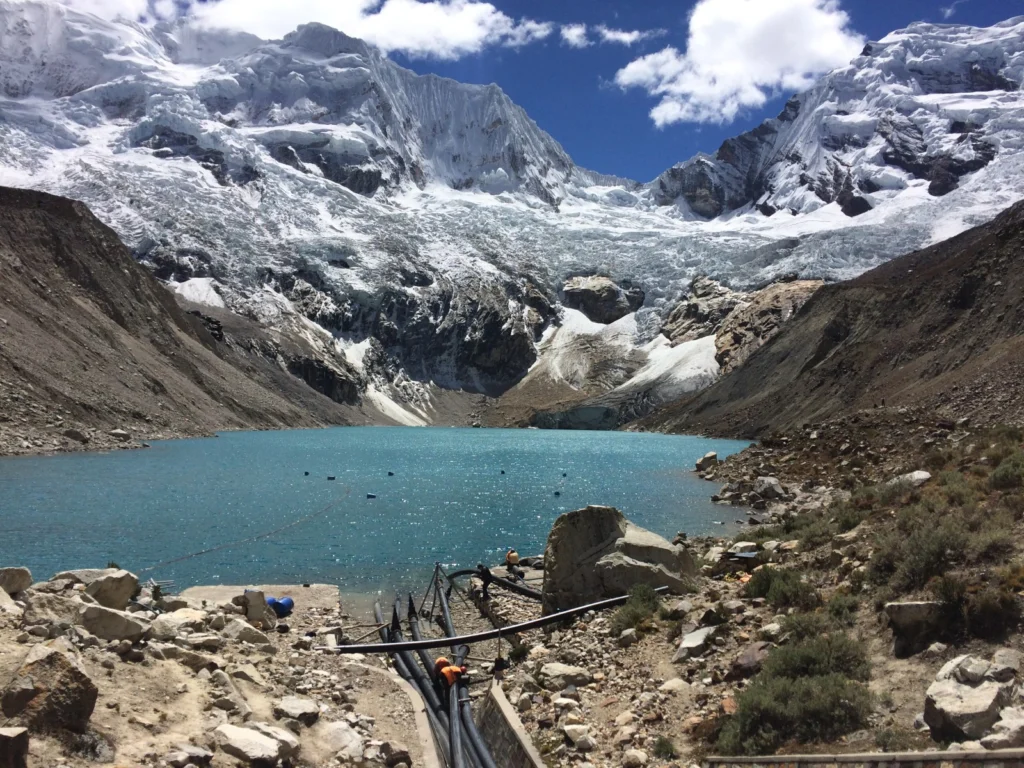
Image of the Week – Yes, you’re looking at one of Peru’s most dangerous glacial lakes!

Image of the Week – Yes, you’re looking at one of Peru’s most dangerous glacial lakes!

As mountain glaciers melt and recede, they often leave behind large glacial lake that are contained by the glaciers’ old terminal moraines. These glacial lakes are found throughout the world and can pose a significant flood hazard to downstream communities and infrastructure. The image of this week focuses on Lake Palcacocha, a large glacial lake located in Peru’s Cordillera Blanca at an elevation ...[Read More]

Fieldwork at 5,000 meters in altitude

Fieldwork at 5,000 meters in altitude

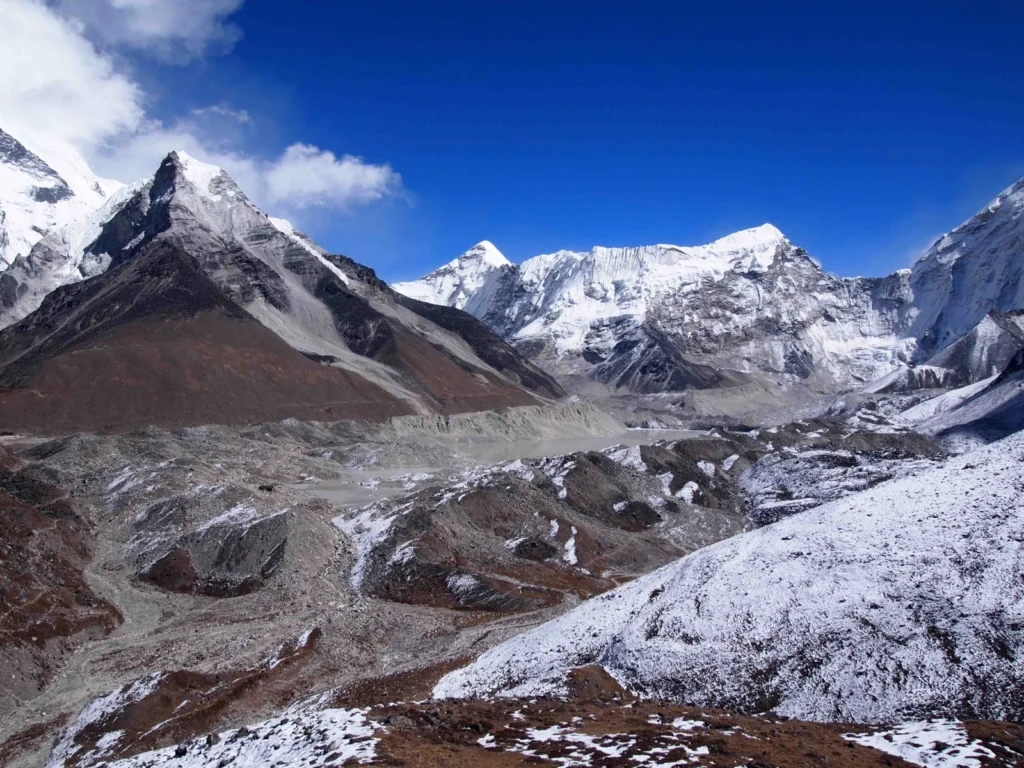
Imja Lake is one of the largest glacial lakes in the Nepal Himalaya and has received a great deal of attention in the last couple decades due to the potential for a glacial lake outburst flood. In response to these concerns, the UNDP has funded a project that is currently lowering the level of the lake by 3 m to reduce the flood hazard. The aim of our research efforts is to understand how quickly ...[Read More]