

In 2019, the EGU SSP blog reported from a workshop exploring Paleozoic dust. By now, the Deep Dust initiative is supported by the International Continental Scientific Drilling program, which is an important step. It is planned to drill in the US in a first project phase. The Deep Dust Drilling Project (DEEP DUST) is focused …[Read More]
Division blogs
Geo-Movie Cup 2022 – The Sequel!

Next week the EGU Seismology ECS team launch the most anticipated film competition of the year…! Move over Oscars; take a step back Golden Globes; it’s all about the Geo-Movie Cup 2022! In a world of endless sequels and massive franchise box-office behemoths, there is one sub-genre that is always guaranteed to entertain – the …[Read More]
The Sassy Scientist – Supervision Dilemmas

The quality of supervision is arguably the most important discriminant between a nice academic experience and a hellish one. For early career scientists, supervisors are the sole responsible for our choice to leave or stay in academia. As the name suggests, supervisors are there to supervise our research activity, as it is all too easy …[Read More]
TS Must-Read – Yin and Harrison (2000) Geologic evolution of the Himalaya-Tibetan Orogen

Yin and Harrison (2000) puts together an exhaustive review of three decades of geological and geophysical investigations on the Himalayan-Tibetan orogen. This research supports the orogenesis started during the Cenozoic between 70 and 50 Ma ago as a consequence of the Indo-Asian collision following the closure of the Tethys ocean between Laurasia and Gondwana. Yin …[Read More]
Cryo History – Extent of South Georgia Glaciation during the Last Glacial Maximum
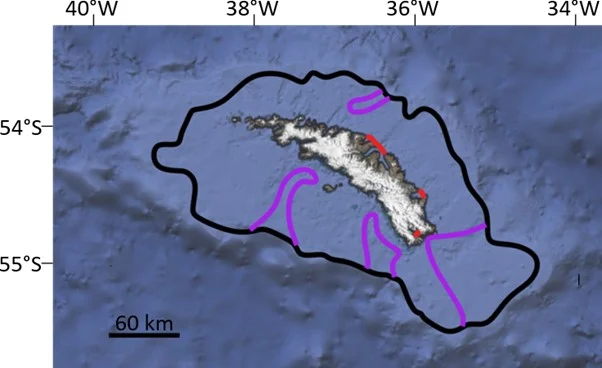
There has been considerable disagreement amongst researchers concerning the extent of South Georgia’s ice sheet during the Last Glacial Maximum (LGM). The sub-Antarctic islands (those below the polar front) may have been completely glaciated during previous glacials, and the last largest extent of the South Georgia ice sheet was during the LGM, about 21,000 years …[Read More]
Geodynamics: It’s in the air we breathe!
Have you ever wondered how Earth became habitable. In this week’s news and views, we have Fabio Capitanio, Associate Professor at Monash University sharing insights into the role Geodynamics in the evolution of Earth and life on it. Our planet has unique features which make it suitable for life. Understanding how the Earth became habitable is necessary to …[Read More]
A new glacier chronology from New Zealand
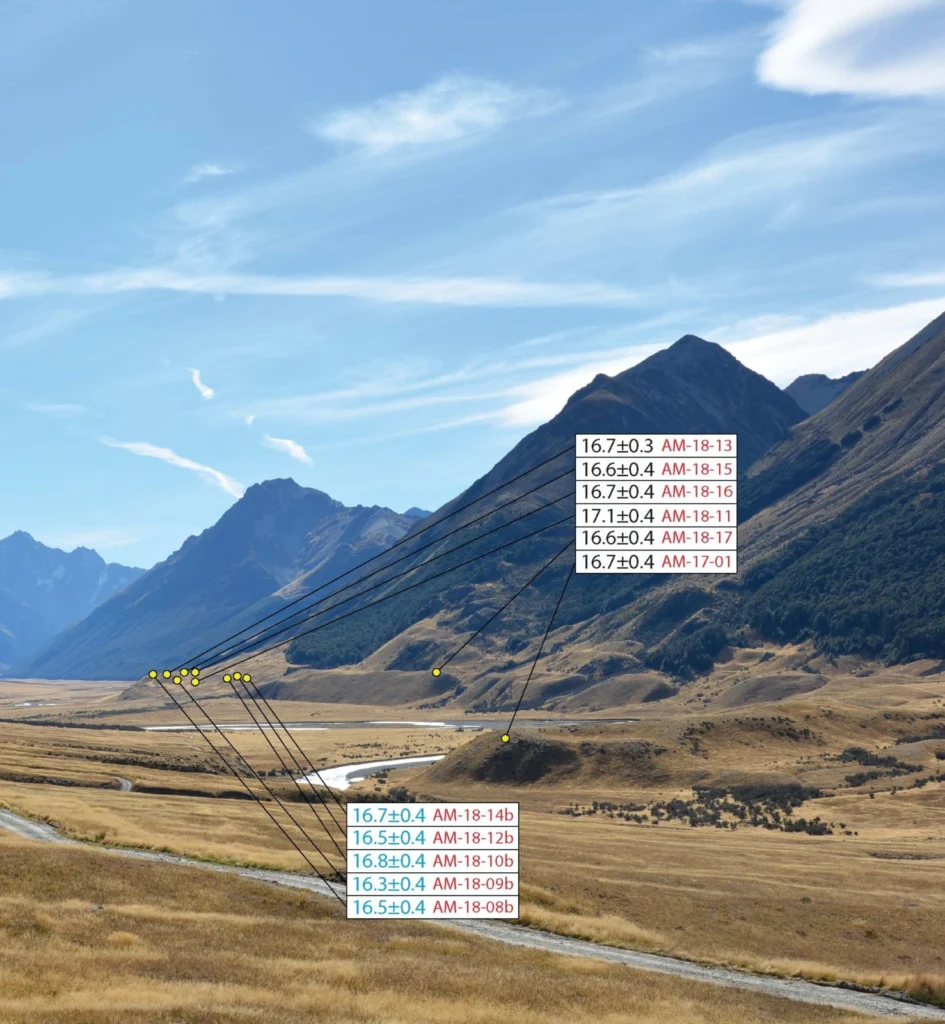
In this week’s blog, Levan Tielidze tells us about the new glacier history from the Southern Alps of New Zealand, an important piece of information to better understand the climatic history of Earth during the Quaternary, the current geologic period. Quaternary glaciations Geochronological dating of glacial moraines is useful for determining the extent and timing …[Read More]
“State of the ECS”: How was EGU 22 for you? Plus the new team!

Hello everyone! Hope you’re doing well, and that those of you who managed to make it to Vienna have now recovered, and that normal researcher life has now resumed (and isn’t too dull in comparison!) We hope you enjoyed all that the EGU GA had on offer, and that you were able to make it …[Read More]
5 things I learnt from 2 months at sea with the International Ocean Discovery Program
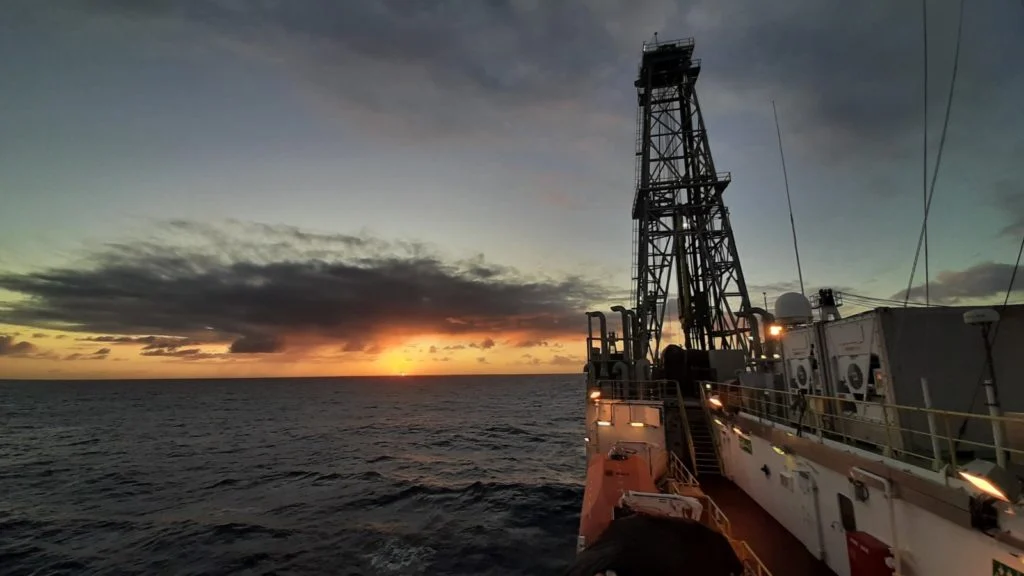
This year I was lucky enough to be part of International Ocean Discovery Program (IODP) Expedition 390 – South Atlantic Transect I – aboard the research vessel JOIDES Resolution which spent two months, from April to June, out in the South Atlantic, drilling into and sampling the upper oceanic crust and sediments. I sailed as …[Read More]
Fire impacts on Earth across space and time: a discussion-driven conference
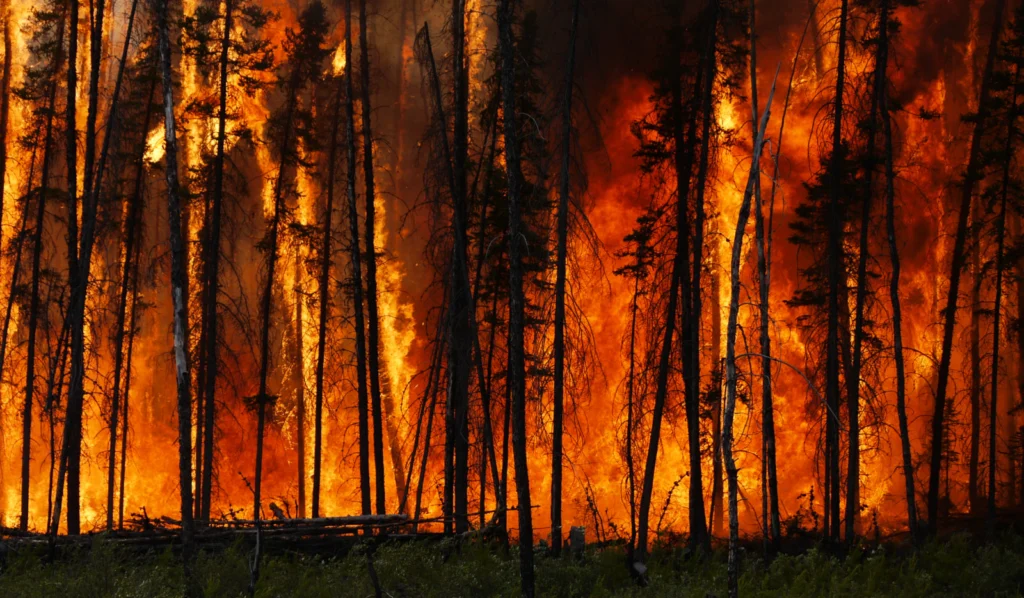
Earth is the only known planet with fire activity – everywhere else, there is not enough oxygen for this process to occur. Since fire appeared on Earth many millions of years ago, it has played a key role in the development of plant adaptation and the distribution of ecosystems. However, the natural occurrence of fire …[Read More]