Detail of a photo: Large angular boulder beside a shallow pebbly stream in a grassy mountain valley, below steep forested slopes and rocky peaks under a dramatic blue sky, in heavily processed colours.
EGU Blogs

Latest posts

An Overview on the 15 Jan 2022 Hunga Tonga-Huna Ha’apai Eruption
front_picture_Hunga

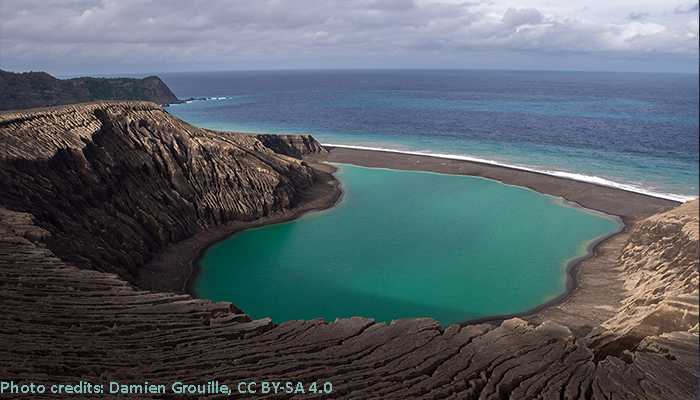
Since 15 January 2022, the islands of the Tonga archipelago and surrounding territories have been suffering the effects of what has turned out to be one of the biggest eruptions of this century. The eruption occurred on Hunga Tonga-Hunga Ha’apai, an island created by the emergence of a large submarine volcano. HTHH is located among …[Read More]

GD

2022 ASPECT Users Workshop

2022 ASPECT virtual user workshop

On January 19th and 20th, ASPECT had it’s annual virtual user workshop. With more than 60 participants, the virtual workshop has grown quite a bit since it started in 2020. This two day world-wide virtual event was full of great developments and showing exiting new applications in which ASPECT is being used.  I will give …[Read More]

TS

TS Must-Read – Cowie and Scholz (1992) – Physical explanation for the displacement-length relationship of faults using a post-yield fracture mechanics model

TS Must-Read – Cowie and Scholz (1992) – Physical explanation for the displacement-length relationship of faults using a post-yield fracture mechanics model

The Must-Read paper by Cowie and Scholz (1992) uses theory from fracture mechanics to explain fault growth and fault displacement profiles. The article initially points out the weaknesses in previous work, specifically highlighting how the abrupt termination of displacement profiles at fault tips would imply an infinite stress in the surrounding material. The paper then …[Read More]

NH

Who’s afraid of Natech?

Who’s afraid of Natech?

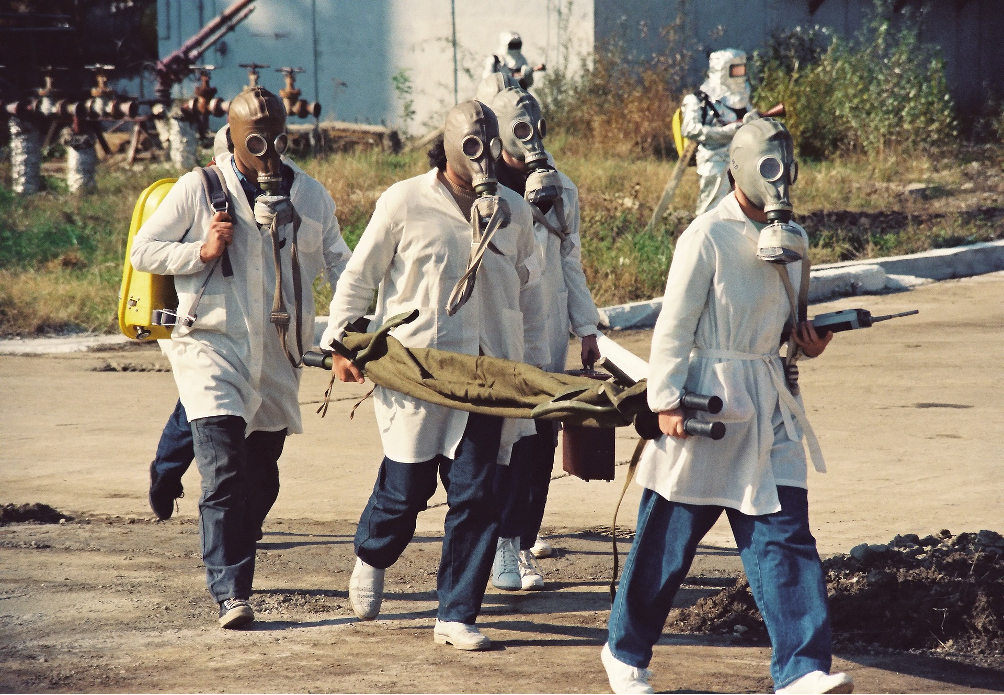
Natural hazards that impact industrial sites and result in technological accidents, causing the release of hazardous substances, are referred to as Natech events. In the popular imagination, Natech accidents are triggered by major natural hazard events. However, experience tells us that low magnitude natural events, such as lightning or heavy rains, are sufficient to cause …[Read More]