
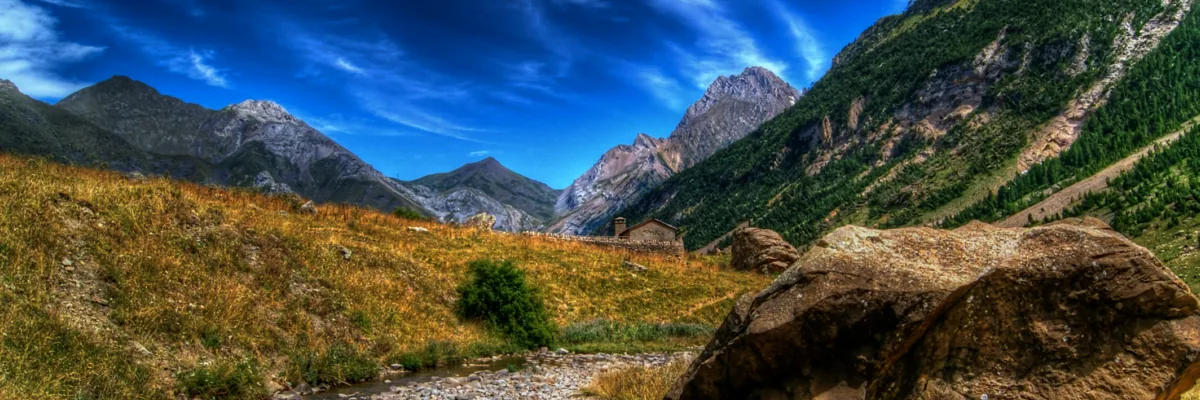
This blog post is part of our series: “A day in the life of a geomorphologist” for which we’re accepting contributions! Please contact one of the GM blog editors, Emily or Emma, if you’d like to contribute on this topic, or others. post by John Hillier, Reader in Natural Hazard Risks, Loughborough University (UK) j.hillier@lboro.ac.uk …[Read More]
Latest posts
Some icy summer reads – the blog goes on holiday
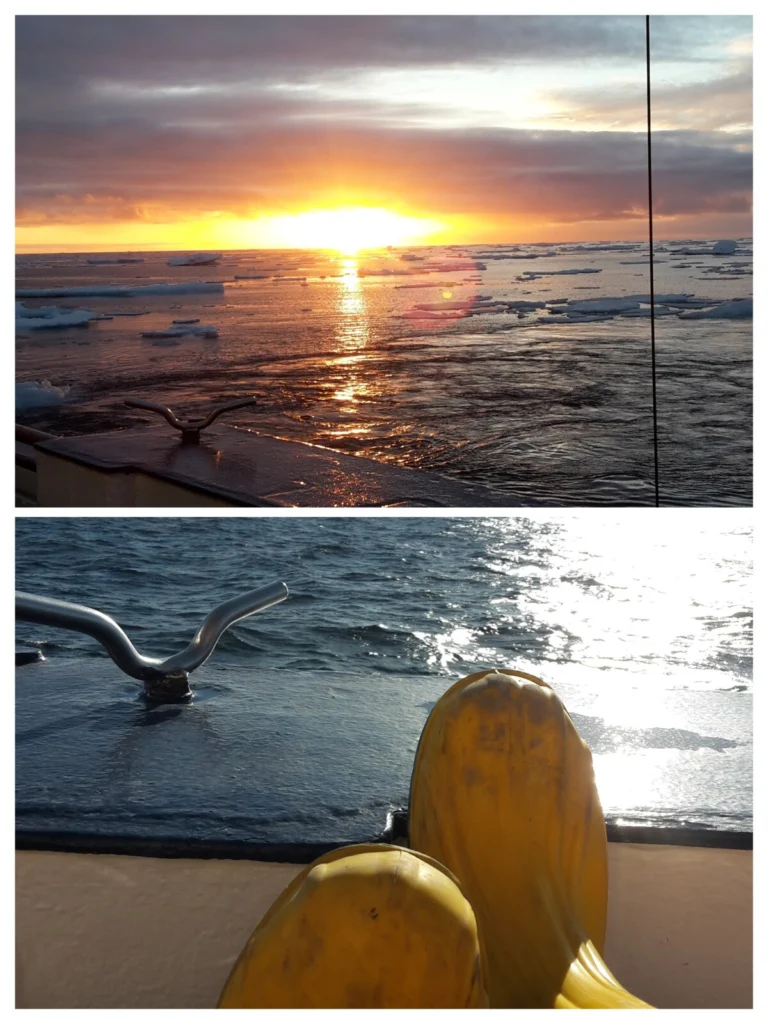
The cryosphere blog is taking a summer break but not without first providing you with your beach/airplane/train/fieldwork/balcony summer reading list to make you miss us a tiny bit less. Continue reading this post to explore some summer inspiration. Like a lot of northern countries who take long summer breaks to enjoy the long hours of …[Read More]
GeoTalk: meet Dinko Sindija, researcher of seismic signals and Seismology ECS Representative!
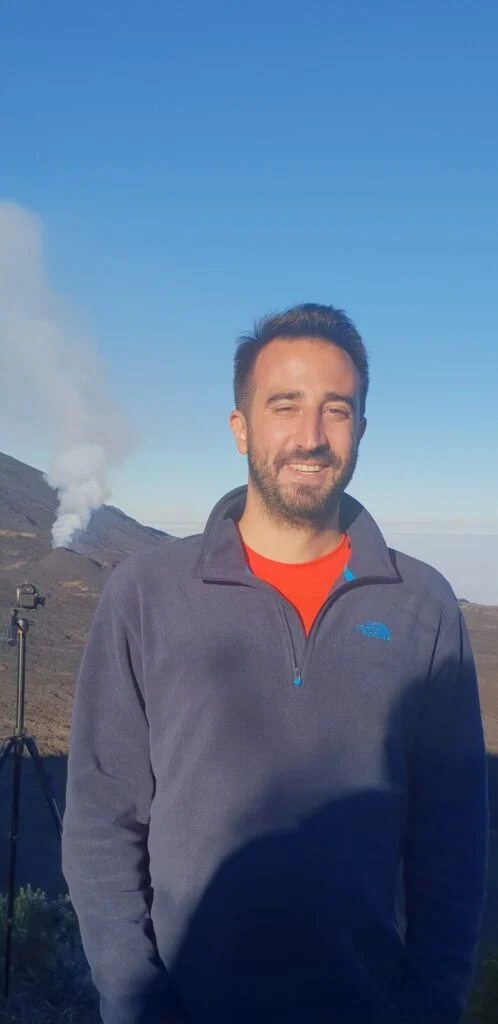
Hello Dinko. Thank you for agreeing to this interview! Before we dig deeper, could you tell our readers a little bit about yourself and your background? Well thanks for having me. My name is Dinko and I’m a seismologist, doing a PostDoc at the Department of Geophysics at the University of Zagreb. Currently, I work …[Read More]
Organizing a Workshop as an ECS: Lessons learned from “Cryosphere-groundwater interactions: a missing link in mountain water research”
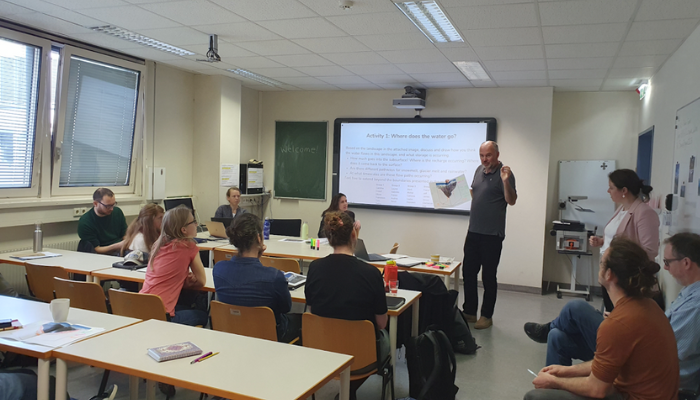
Despite the importance of mountains for downstream water supply, there are large gaps in our scientific understanding of how snow and ice meltwater travels through the landscape, specifically which flowpaths meltwater takes below the surface. Plus, existing knowledge is scattered throughout various sub-disciplines of mountain hydrology: glaciology, snow science, hydrogeology, and surface hydrology. That is …[Read More]
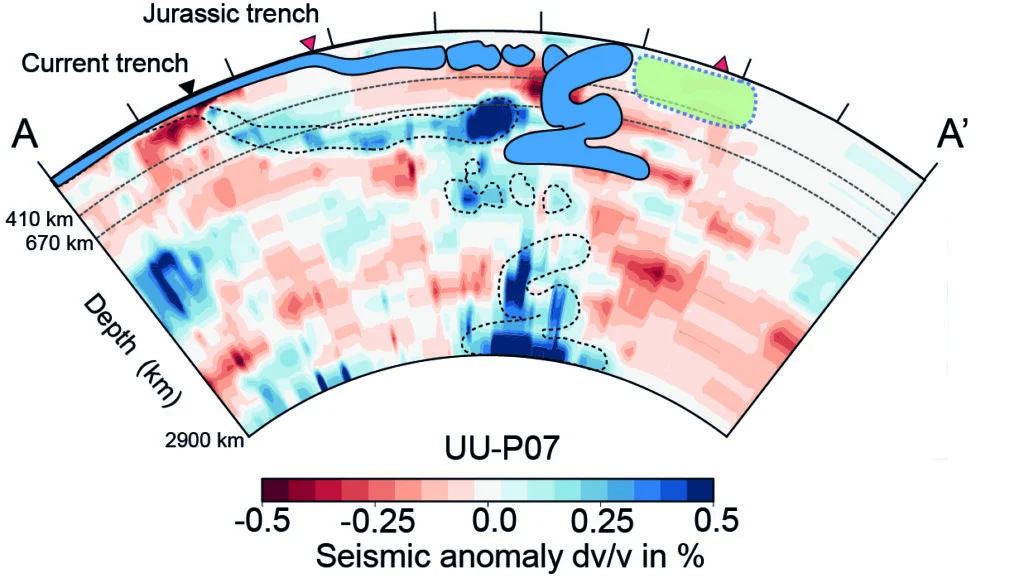
Linking slab graveyards and ghost-arc geochemical signatures in the South Atlantic and Southwest Indian Mid-Ocean Ridges
Two centuries later, the world is yet to fully understand Nikola Tesla
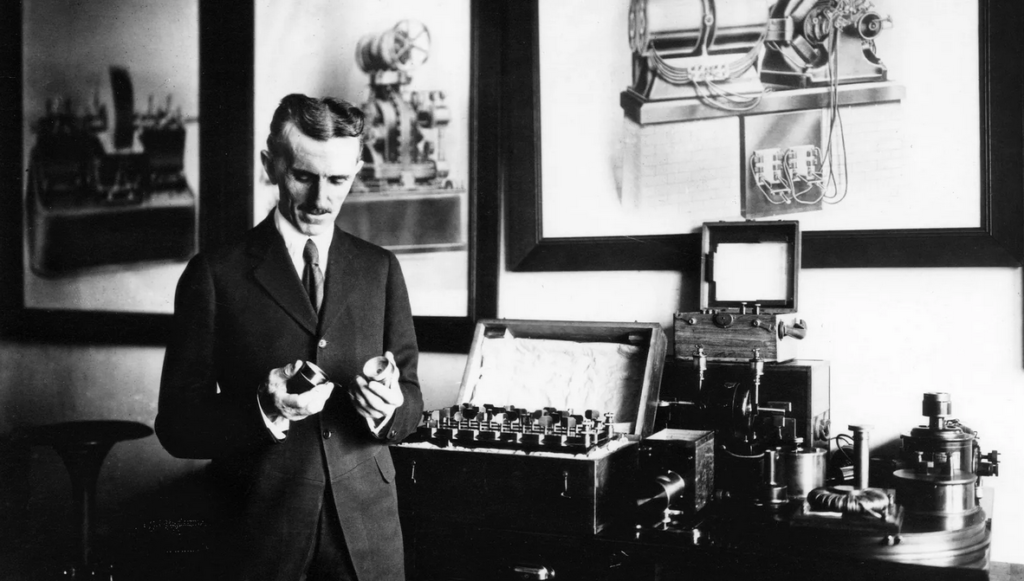
Most people associate Tesla with the multi-billion American automotive and clean energy company, and by that extension, with Elon Musk. But with today (July 10th) being Nikola Tesla Day, it gives us a rare opportunity to discover the man behind the name – the Serbian American scientist who contributed to scientific progress and advances in …[Read More]
Imaggeo On Monday: Pamukkale, the cotton castle
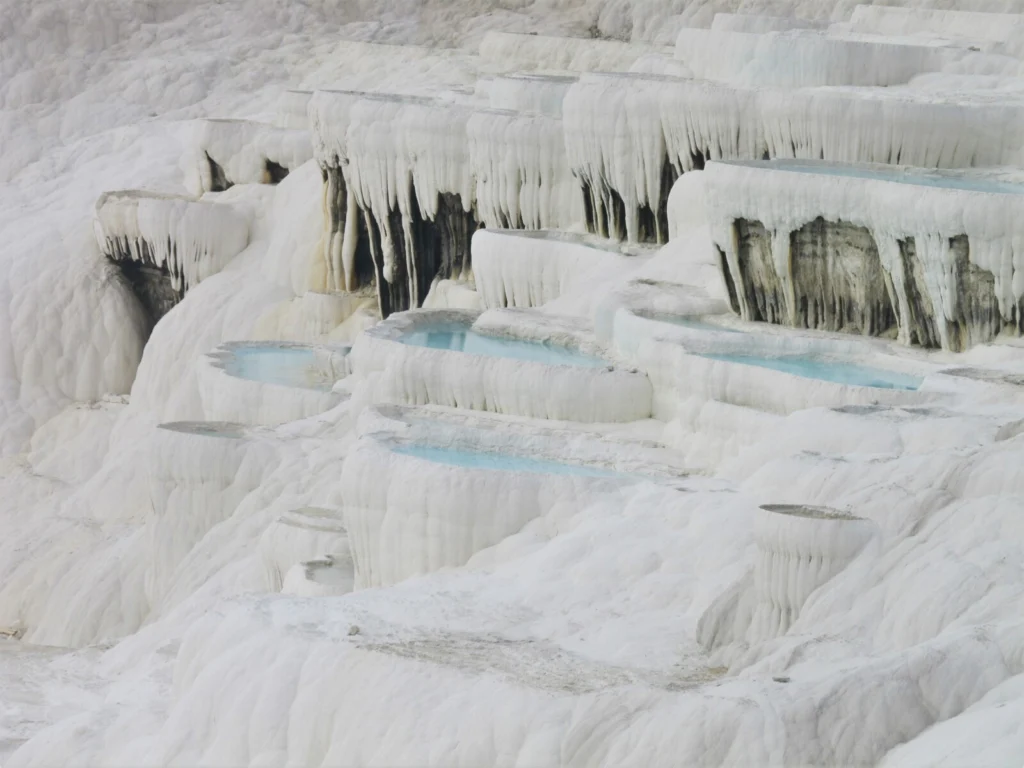
Pamukkale, the cotton castle by Paula Ballikaya. (distributed via imaggeo.egu.eu). Terraces of rock are crowned with the candle wax-like deposits of travertine, the white, fibrous limestone which characterises the Pamukkale UNESCO World Heritage Site and which is featured in the photo above. Despotised and moulded over 400,000 years by the calcite-rich mineral water flowing from …[Read More]
Five (or more) reasons why… you should become a blog editor about natural hazards!

If you want to be a blog editor about natural hazards… This post is for you! The EGU Natural Hazards Division Blog Editorial Team is looking for new motivated blog editors to join our interdisciplinary and inclusive team. Now you are wondering why you should join us. There are plenty of good reasons, indeed. In …[Read More]
A Geologist’s Dream Vacation: Exploring Europe’s Volcanic Wonders!
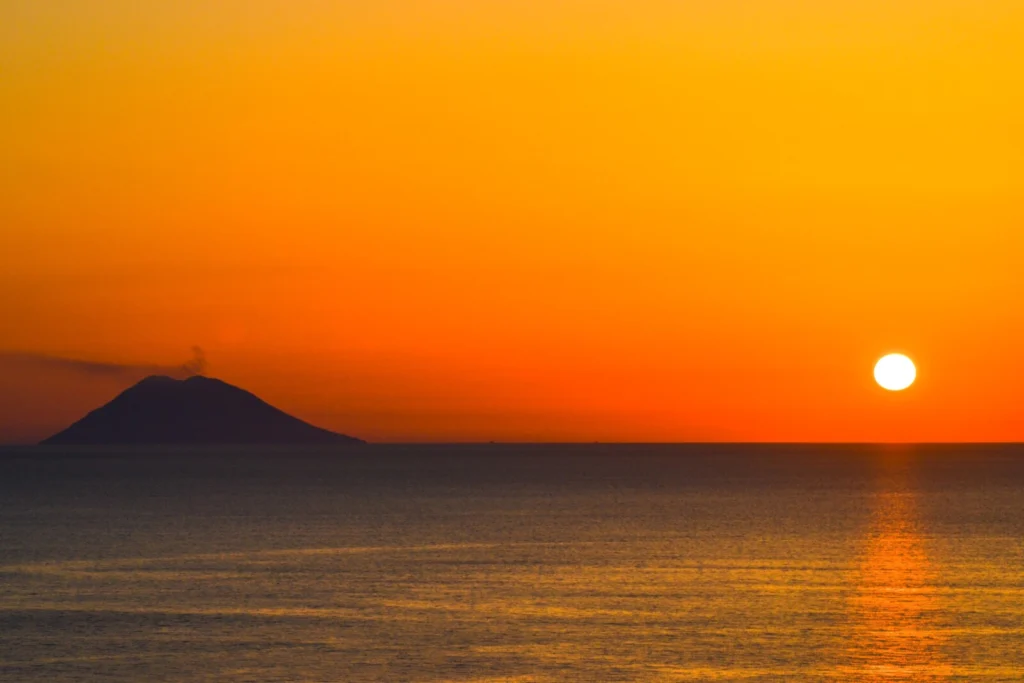
Summer time can be stressful – you have plenty of things to do at work but at the same time you’re thinking about your next vacation all the time. This is at least how I was feeling, combined with some curiosity, I asked chatGPT to write a blog post about vacation destinations for geologist around …[Read More]
Did you know there is light pollution even in the Arctic?
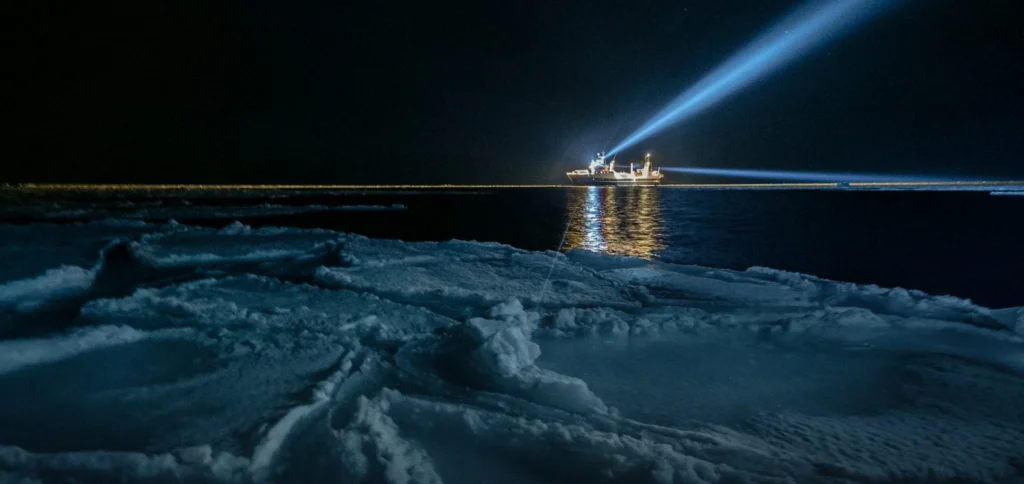
Light emissions are increasing worldwide and much of the world is light polluted due to excessive and inefficient light use. This has negative consequences for many organisms, such as birds, insects, fish, plants and humans. Even in the high Arctic, which is remote and sparsely populated, and experiences the polar night for a large part …[Read More]