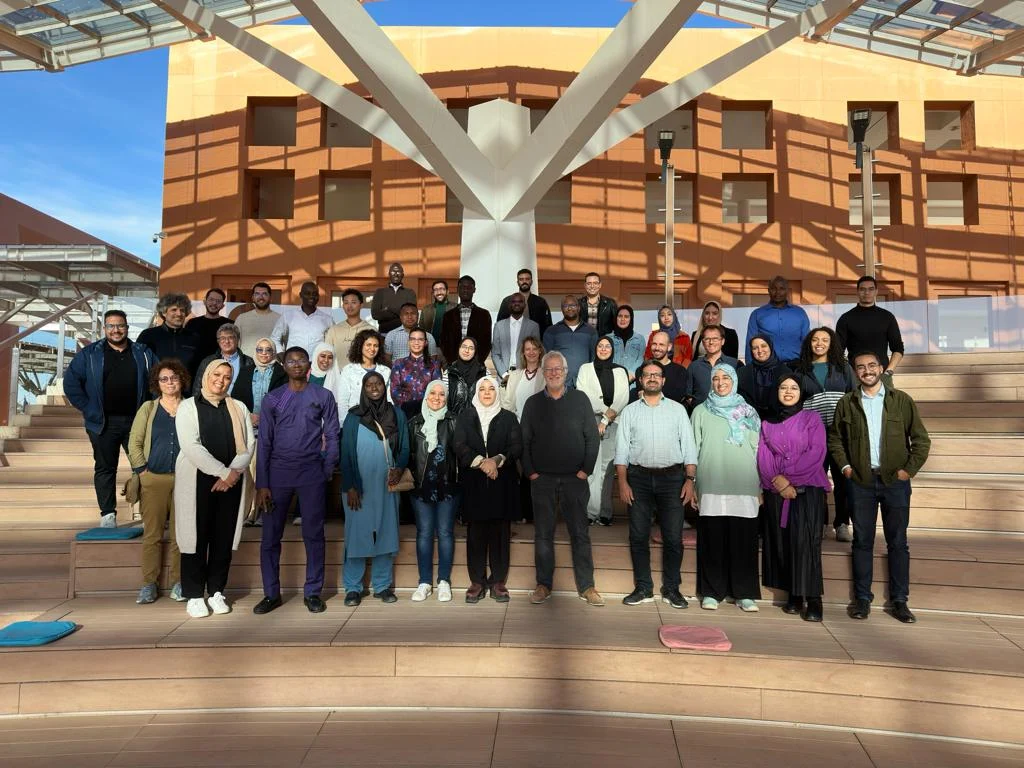
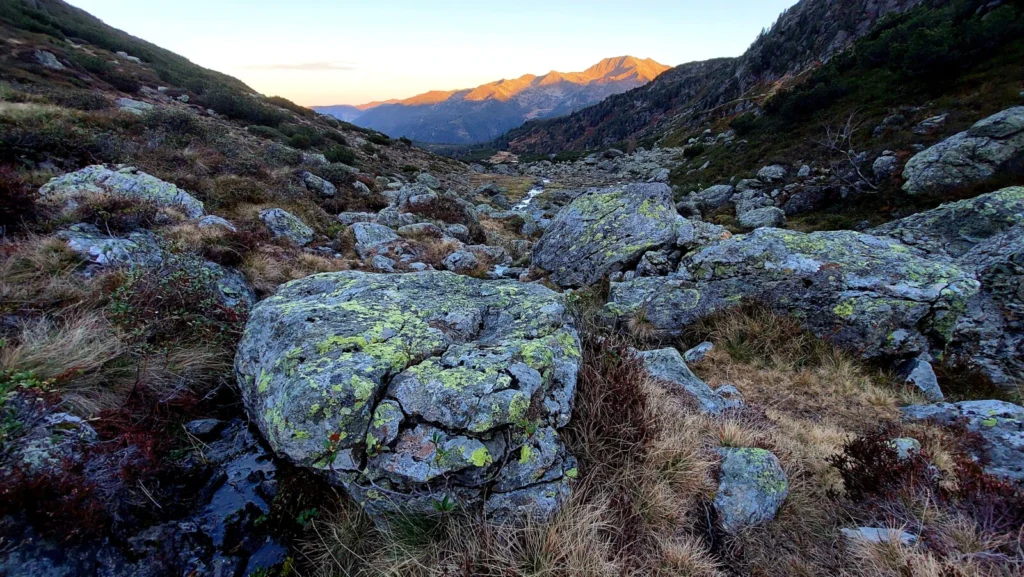
In the ever-evolving landscape of climate change, the Université Mohammed VI Polytechnique (Buengerir, Marocco) and Institut Pierre Simon Laplace (Paris,France) Summer School has emerged as a beacon of knowledge, equipping participants with the tools to comprehend, navigate, and mitigate the impacts of a changing climate. The inaugural edition of the summer school focused on “climate change, …[Read More]
Latest posts
Bridging Science and Society: FutureMed’s Transdisciplinary Approach to Tackling Climate Change in the Mediterranean
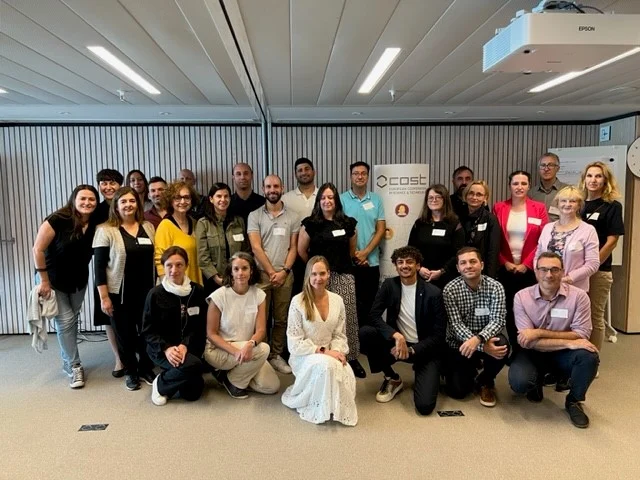
The Mediterranean region stands as a poignant testament to the far-reaching impacts of climate change. From extreme weather events to rising sea levels and increased pollution, the consequences of global warming are acutely felt. In this climate change hotspot, the interconnection of risks creates a complex web that affects ecosystems, economic activities, and human health. …[Read More]
Water justice in hydrological research
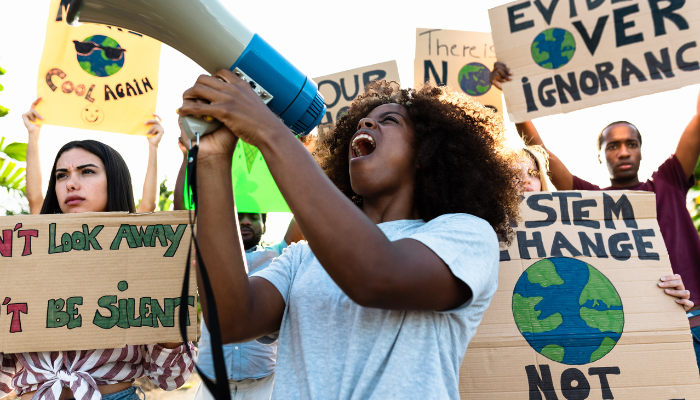
Water justice has become a crucial discussion in the past decades. Some of the core aspects reflect the questions about who gets involved in the decision-making process, who has access to drinking water, or who gains from flood alleviation schemes. Many hydrologists are struggling to find an answer to these major challenges. The rise of …[Read More]
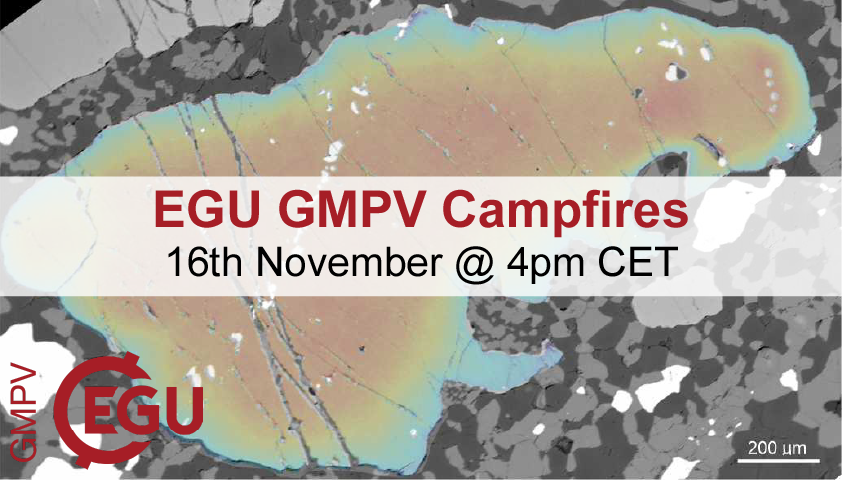
EGU GMPV ECS Campfires – Special Edition Thursday 16th November 4pm CET
After a pause, the Geochemistry, Mineralogy, Petrology and Volcanology division’s early career scientists talks (EGU campfires) are back! The first session in 2023 will be a special relaunch event. It will be held on Thursday 16th November at 4pm CET on Zoom. For this special edition, our speaker is Xin Zhong (PostDoc @ Freie Universität …[Read More]
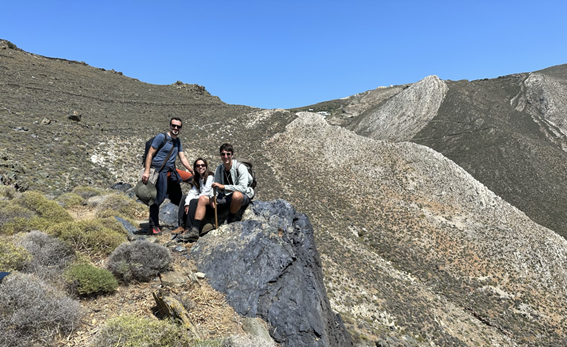
Geological TrIPS: The amazing fragments of oceanic crust treasured on the Greek island of Syros
Geologists are often fascinated by the processes (and their products) taking place at the sea. Perhaps the fact that we do not have easy access to most of these processes is what puzzles us as geoscientists. Subduction can be considered as one of these “mysterious” processes for which several mechanisms remain to be better understood. …[Read More]
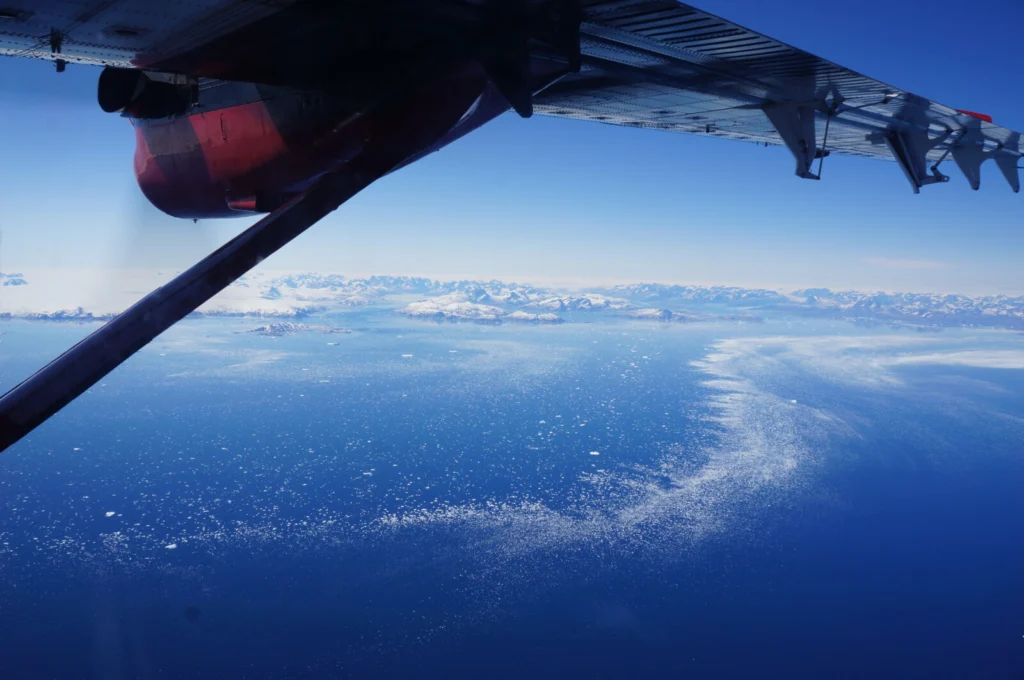
Geodesists on Tour: On a Campaign in the Arctic with a Giraf(f)e in the Aircraft
Way too early on a Saturday morning in late June 2023 I woke up and started my travel to a small airport in Akureyri, North-East Iceland. This is the location of an Icelandic charter company called Norlandair that we used for our airborne geophysical surveys and logistic operations in the Arctic. For a few months …[Read More]
Geo-Movie Cup 2023: Dante’s Peak’s Explosive Victory
Ladies and gentlemen, disaster movie aficionados, and geological enthusiasts, it’s time to revisit the epic showdown that was the Geo-Movie Cup 2023. This year, the competition reached unprecedented heights, welcoming new movies into the mix, adding Instagram as a polling platform, and ultimately crowning “Dante’s Peak” as the winner. Let’s dive in and recap this …[Read More]
Biosphere Reserves: What are they and why must we care for them?
Today, 3 November, is globally recognized as the International Day for Biosphere Reserves. The first edition of this observance day was marked last year, with UNESCO urging our relationship with nature needed “a radical rethink.” As Audrey Azoulay, Director-General of UNESCO explains, “The logic is simple: to improve our relationship with nature, we must first …[Read More]
Assessing the impact of chlorine ions on solar proton event induced ozone loss
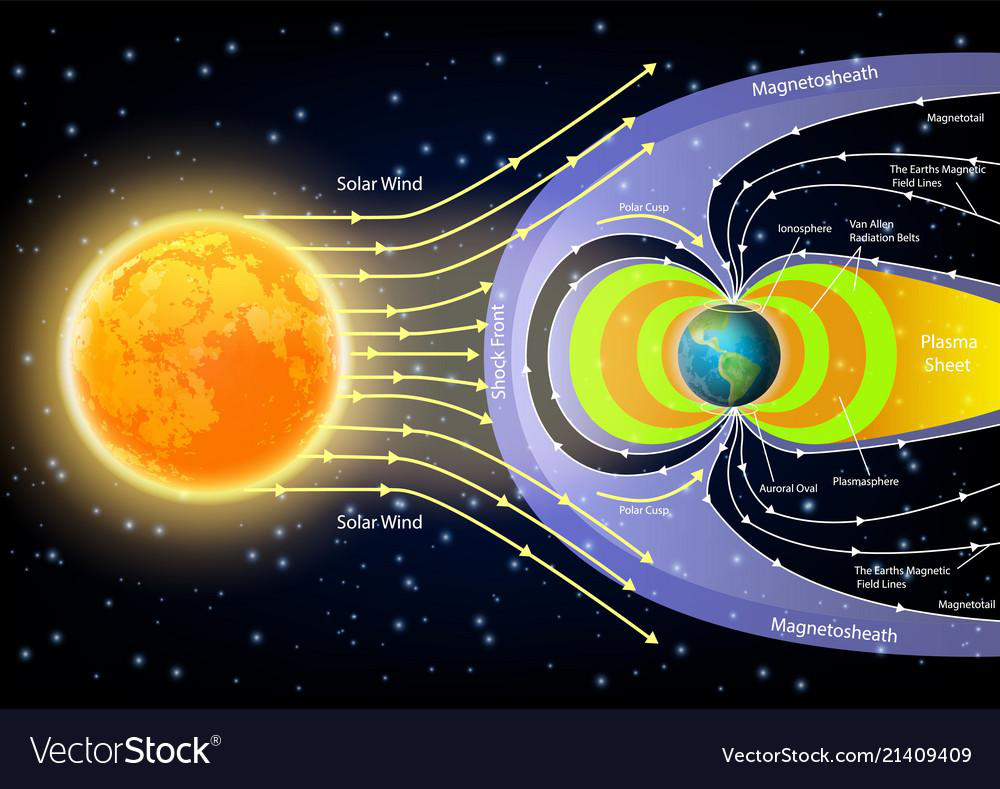
Particle Precipitation High energy particles (e.g. electrons and protons) that precipitate at high latitudes can alter the chemical composition of the atmosphere by different photochemical reactions. This mainly happens due to primary collision processes and subsequent ion and neutral-chemistry reactions. Such reactions ordered by increasing energy are, for example, excitation, photo-dissociation, photo-ionization and dissociative …[Read More]
Towards an exciting EGU General Assembly with HS (and more)
The EGU Programme Committee convened in late October to finalize the scientific program for the upcoming General Assembly, GA2024. Their task involved organizing the numerous session proposals, spanning 22 divisions, including Inter- and Transdisciplinary (ITS) sessions, discussing the format of scientific sessions (do expect news for virtual posters and PICOs at GA2024!), the mentoring programme, …[Read More]