
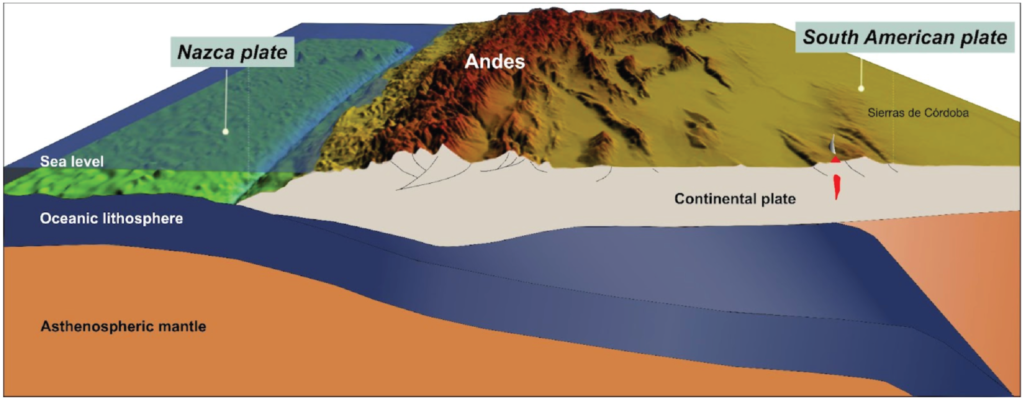
Reflections on the geological and geodynamic evolution of the Southern Central Andes
Reflections on the geological and geodynamic evolution of the Southern Central Andes
If you didn't find what you were looking for, try searching again.
Reflections on the geological and geodynamic evolution of the Southern Central Andes
On this page, we regularly update open positions in Seismology for early career scientists. Do you have a job on offer? Contact us at ecs-sm@egu.eu Please, note that other available research positions are displayed on the EGU Jobs Portal. Latest open positions: Post-Doctoral Fellowship – Ground deformation recorded by geodetic techniques Institute: FM Global …[Read More]
I am pleased to interview Professor Ankit Agarwal from the Indian Institute of Technology, Roorkee. He specialises in hydro-meteorological (compound) extremes and complex networks and has been awarded the prestigious 2023 NH Division Outstanding Early Career Scientist award. Thank you, Ankit, for your time and for talking with us about your field of research. 1. …[Read More]
To us, the cryosphere has always been a priority. It is our field of interest, research, maybe passion, it is the stuff that gets us excited. Now, the cryosphere also became a priority to the World Meteorological Organisation (WMO). In today’s post we cover a recent news item introducing this very decision made during WMO’s …[Read More]
The ability to easily compile and quickly evaluate both geological and geophysical data is essential for geodynamicists to understand Earth’s evolution. This week Dr. Ben Mather, a Research Fellow at the University of Sydney, introduces us to GPlately, a new tool designed to accelerate spatio-temporal data analysis in GPlates. GPlately is a Python package that …[Read More]
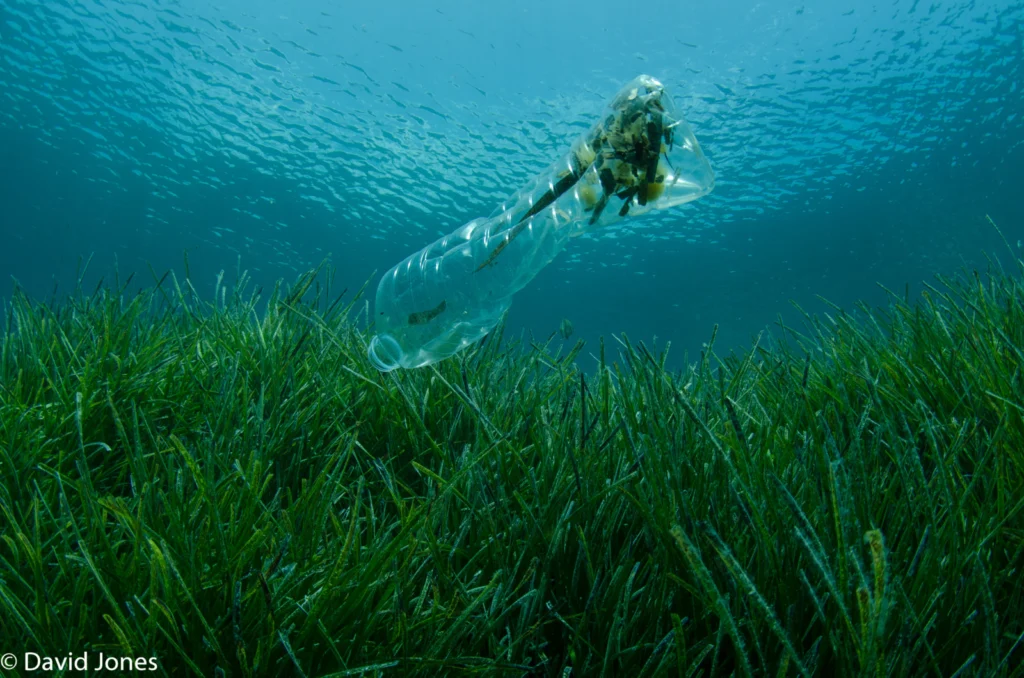
It appears that plastics have well and truly invaded even our most inaccessible environments: the deepest point in the ocean (the Mariana trench) and the highest mountain peak in the world (Mt. Everest) both contain pieces of plastic from human activities miles away. With plastic waste flowing into aquatic ecosystems expected to nearly triple by …[Read More]
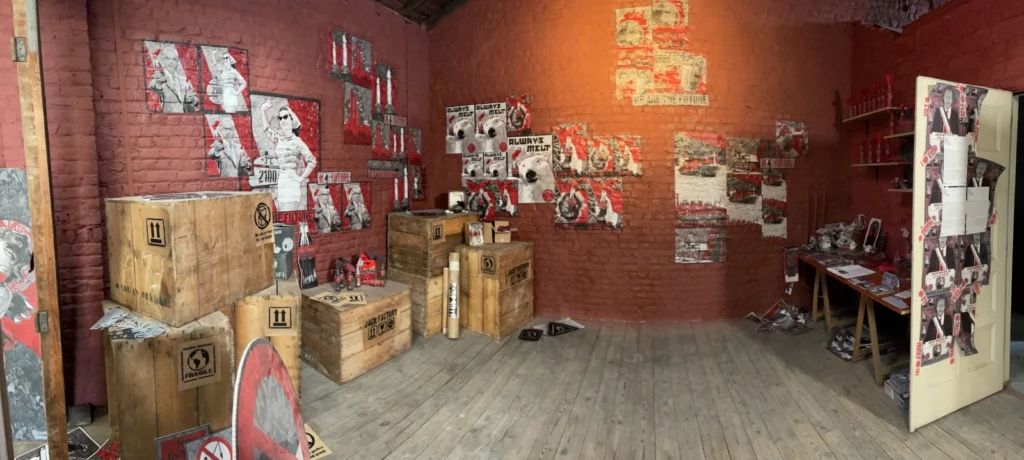
Do you think that it is sometimes challenging to understand science (as a reader or listener) or to explain it (as a scientist)? Then, art may be a good solution to the problem. Between April and June 2023, Zacharie Bodson (artist) and I (climate scientist) are participating in the Seas and Oceans exhibition to explain …[Read More]
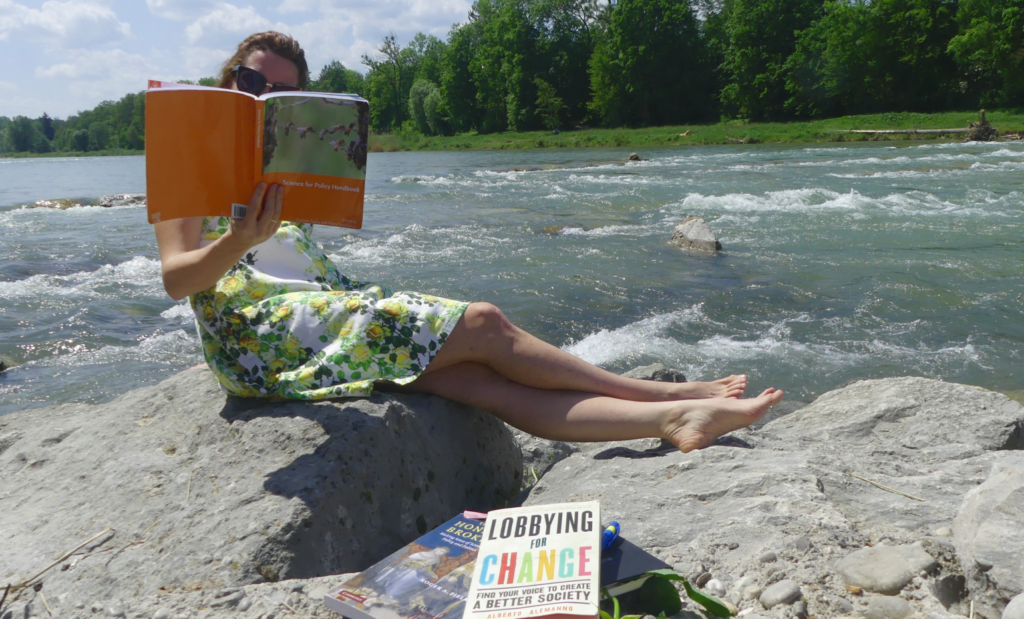
With summer just around the corner, you might be starting to think about some of the ways in which you’d like to relax during upcoming holidays or field work! It’s incredibly important for us all to be able to switch off from our work life. Not only does it allow us to mentally and physically …[Read More]
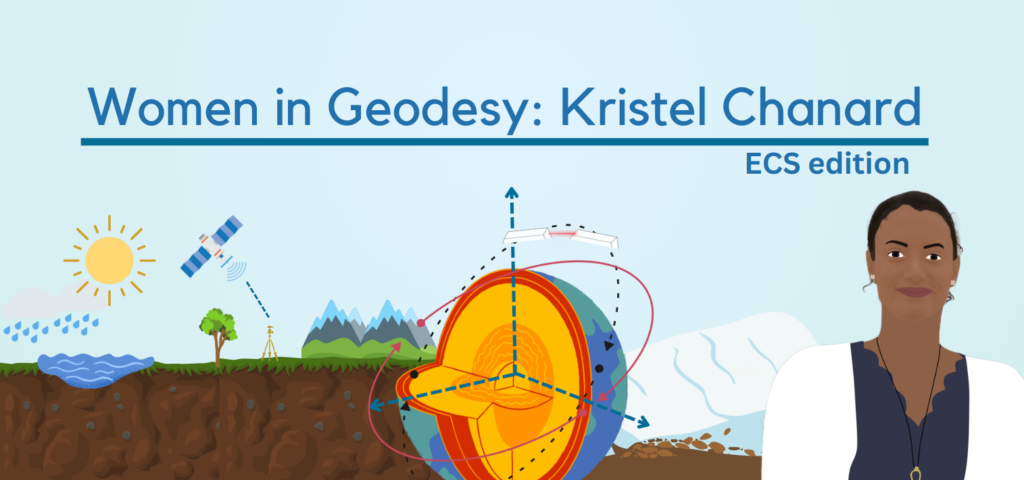
I hope you are ready to be inspired because we have another exciting interview, with Kristel Chanard, our Outstanding Early Career Scientist Awardee of 2022. I promise that her answers will encourage you to pursue a career in science or continue to that! Her answers remind us again that we need to make geosciences more …[Read More]
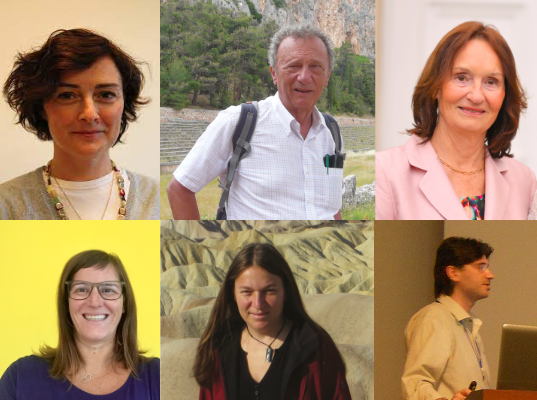
The EGU’s Education Committee (EC) helps to bring science to educators, from higher education funding grants and coordinating training programmes to bringing teachers to Vienna to participate in the annual GIFT (Geoscience Information For Teachers) workshop and meet with scientists at the EGU General Assembly. In this article, six of the volunteer committee members reflect …[Read More]