
The 2019 started with a relatively high number of paleontological discoveries published in highly ranked journals showing that paleontology is sexy indeed! Here you can find a small selection of the most recent ones. The studies in micro- and macropaleontology published earlier this year, provide a large contribution to our understanding of organism evolution and response …[Read More]
2110 search results for "researcher"
If you didn't find what you were looking for, try searching again.
Meeting Plate Tectonics – Francis Albarède
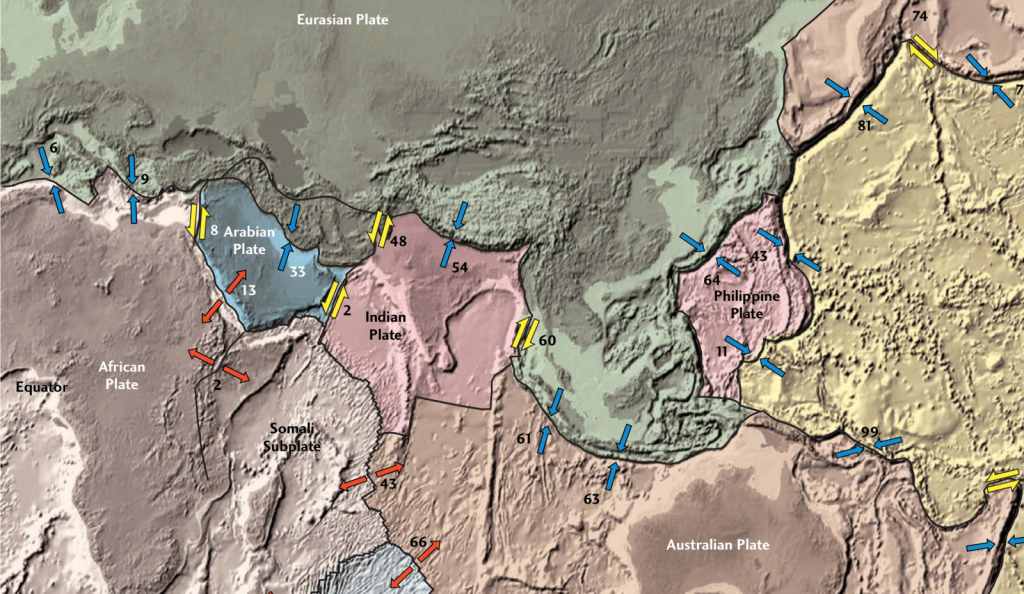
These blogposts present interviews with outstanding scientists that bloomed and shape the theory that revolutionised Earth Sciences — Plate Tectonics. Get to know them, learn from their experience, discover the pieces of advice they share and find out where the newest challenges lie! Meeting Francis Albarède Francis Albarède started his career as an undergraduate student in Natural Sciences at the …[Read More]
Alpine rock instability events and mountain permafrost
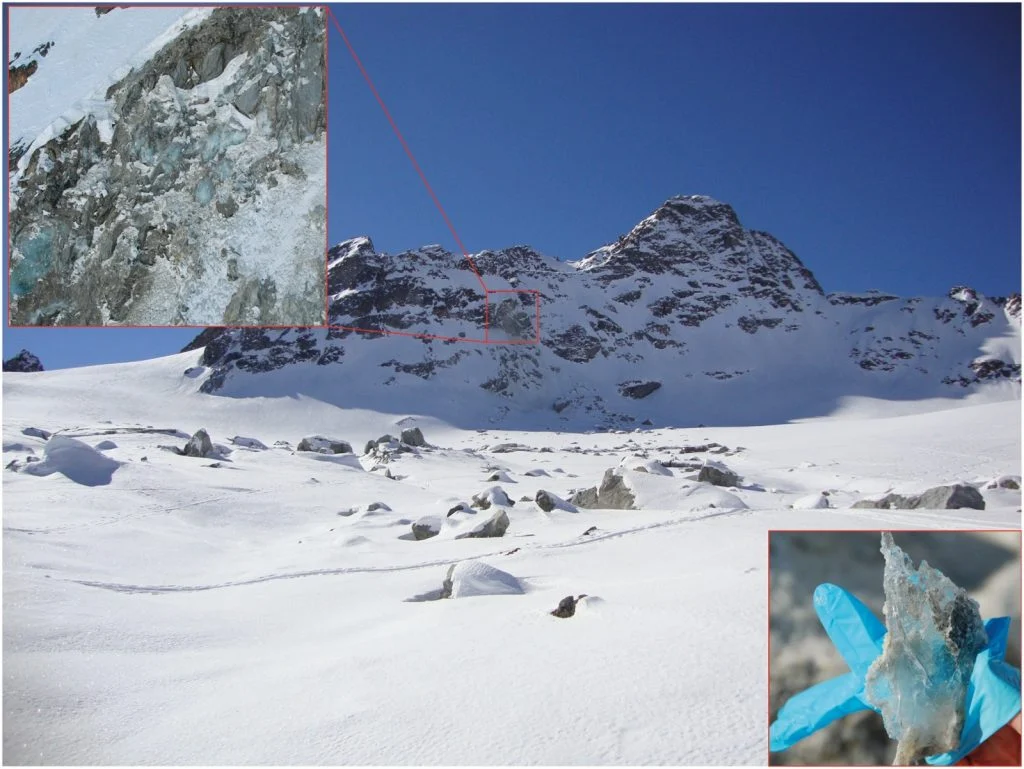
Rockfalls, rock slides and rock avalanches in high mountains The terms rockfall, rock avalanche and rockslide are often used interchangeably. Different authors have proposed definitions based on volume thresholds, but the establishment of fixed boundaries can be tricky. Rockfall can be defined as the detachment of a mass of rock from a steep rock-wall, along …[Read More]
GeoTalk: “Grown-ups are not focusing on the plastic problem, not as much as I want them to”
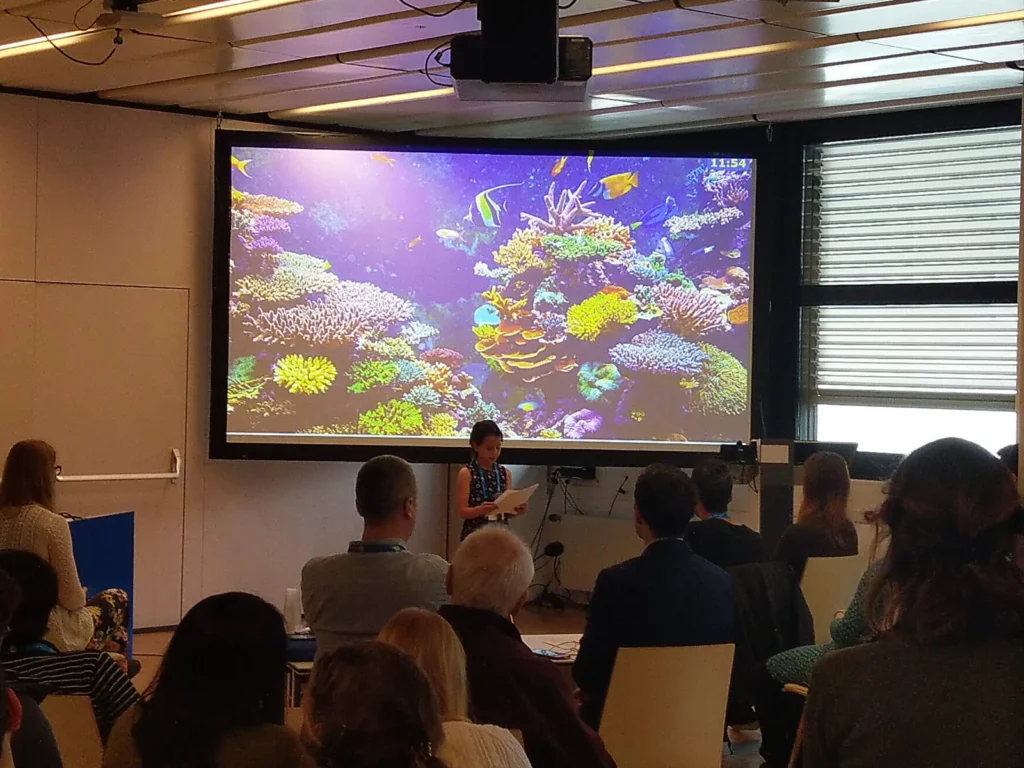
Lucie Parsons, a ten-year old girl from the small village of Walkington, in England, is on a personal mission to save the environment from plastic pollution. After seeing on the BBC Blue Planet II documentary how litter in the ocean is damaging ecosystems, she decided to take action. Now she gives talks and is co-researcher in her …[Read More]
Image of the Week — Cavity leads to complexity
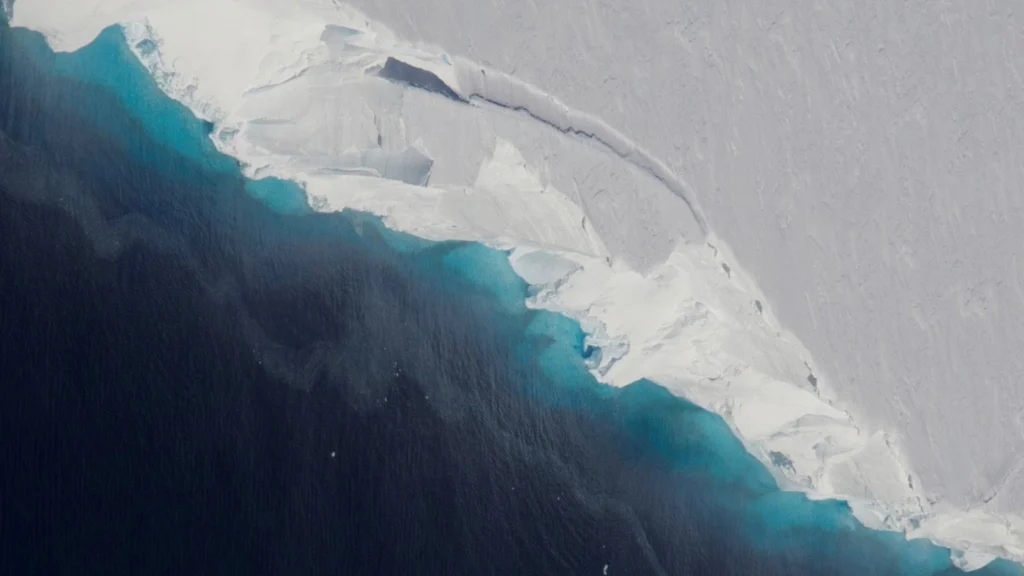
A 10km-long, 4-km-wide and 350m-high cavity has recently been discovered under one of the fastest-flowing glaciers in Antarctica using different airborne and satellite techniques (see this press release and this study). This enormous cavity previously contained 14 billion tons of ice and formed between 2011 and 2016. This indicates that the bottom of the …[Read More]
First evidence of microplastics on mountain glaciers
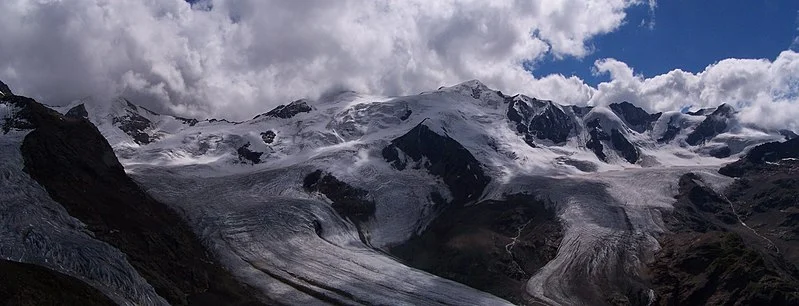
We tend to think of glaciers as spotless pristine settings. But “if plastic is everywhere, why not on the surface of glaciers?” This occurred to Roberto Sergio Azzoni, a professor of environmental science and policy at the University of Milan in Italy, who decided to find the answer to this question for himself. At the …[Read More]
Meeting Plate Tectonics – Eric Calais
These blogposts present interviews with outstanding scientists that bloomed and shape the theory that revolutionised Earth Sciences — Plate Tectonics. Get to know them, learn from their experience, discover the pieces of advice they share and find out where the newest challenges lie! Meeting Eric Calais Eric Calais is Professor of Geophysics and Head of the Geosciences department at the …[Read More]
InSAR Norway: the big eye on Norwegian unstable rock slopes
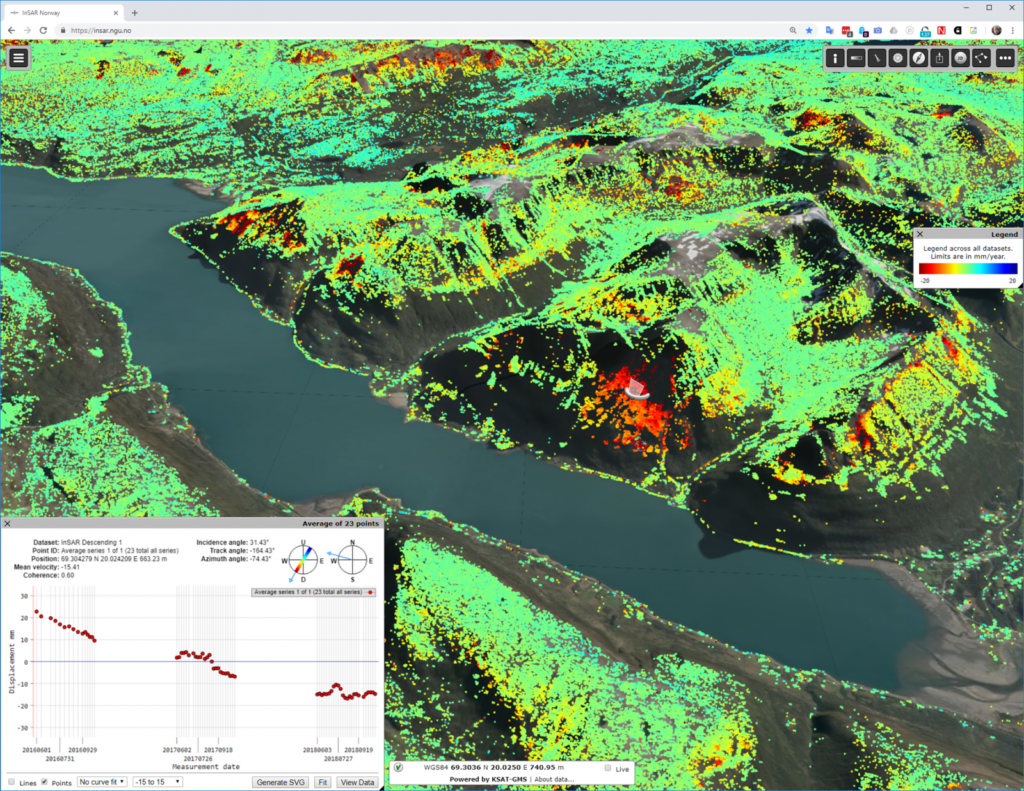
Marie Keiding is a researcher in the Geohazard and Earth Observation team at the Geological Survey of Norway. Together with her colleague, John Dehls, who is leading the project, she works to develop and operate the new mapping service called InSAR Norway. Before we start, let’s briefly describe what is InSAR. First, the Synthetic Aperture …[Read More]
At the Assembly 2019: Wednesday Highlights
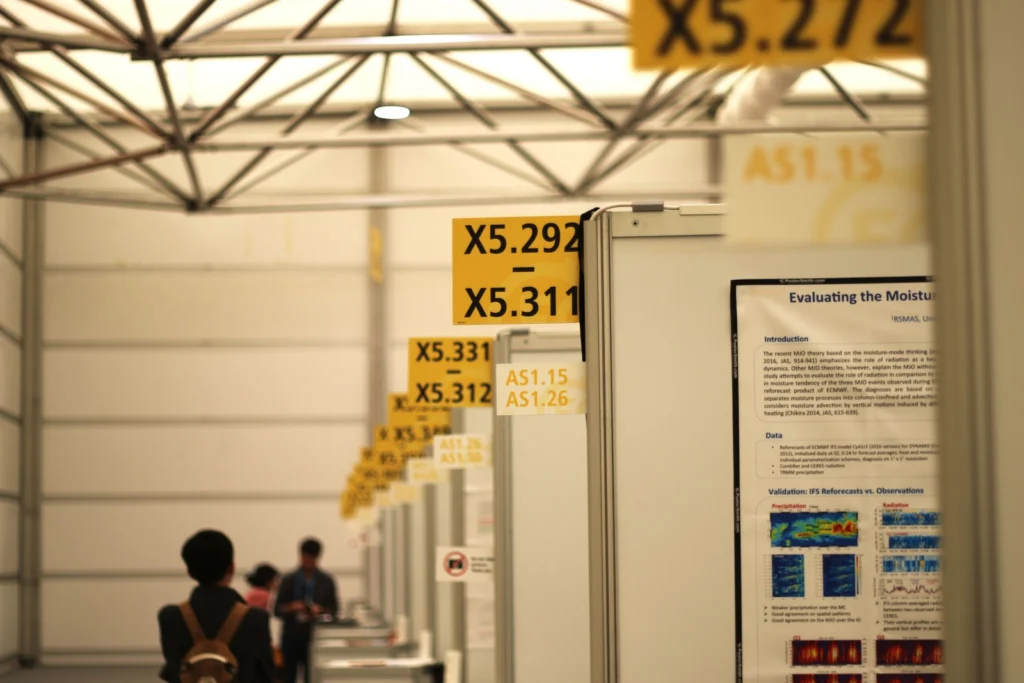
We’re halfway through the General Assembly already! Once again there is lots on offer at EGU 2019 and this is just a taster – be sure to complement this information with EGU Today, the daily newsletter of the General Assembly, available for download here. Union-wide sessions Communication between scientists, institutions, policymakers and the general public …[Read More]
At the Assembly 2019: Tuesday Highlights

Welcome back to the second day of the 2019 General Assembly! Today is packed full of excellent sessions, and this list of highlights is by no means comprehensive! Make sure you complement this information with EGU Today, the General Assembly newsletter, to get the most out of the conference, available online. Union-wide sessions Today’s Union-wide …[Read More]