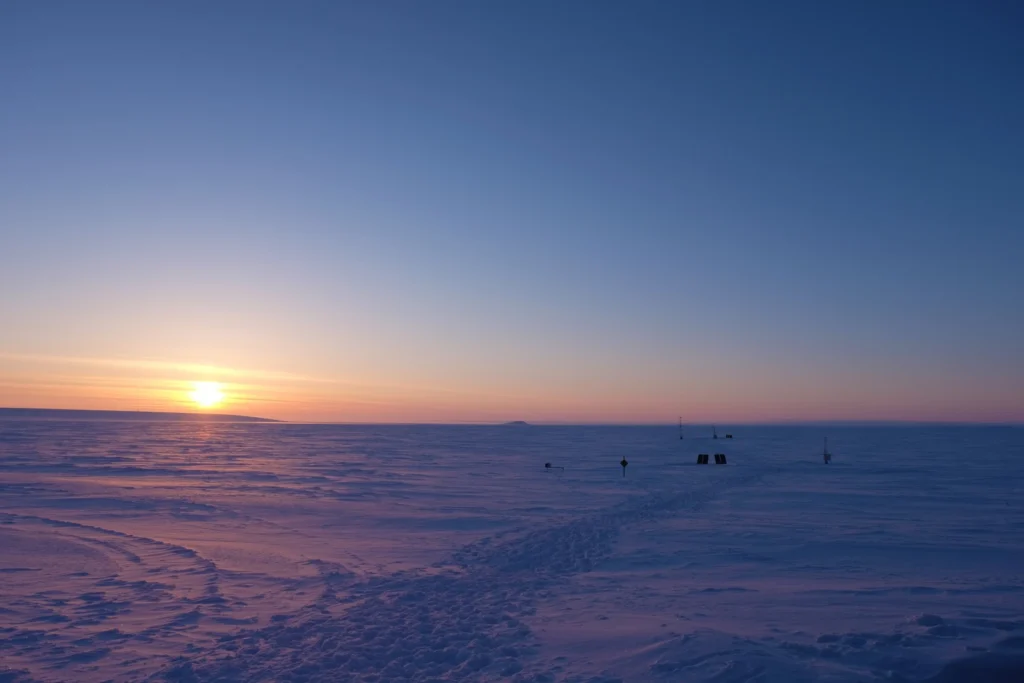
MISI is a term that is often thrown into dicussions and papers which talk about the contribution of Antarctica to sea-level rise but what does it actually mean and why do we care about it? MISI stands for Marine Ice Sheet Instability. In this article, we are going to attempt to explain this term to you …[Read More]
Latest posts
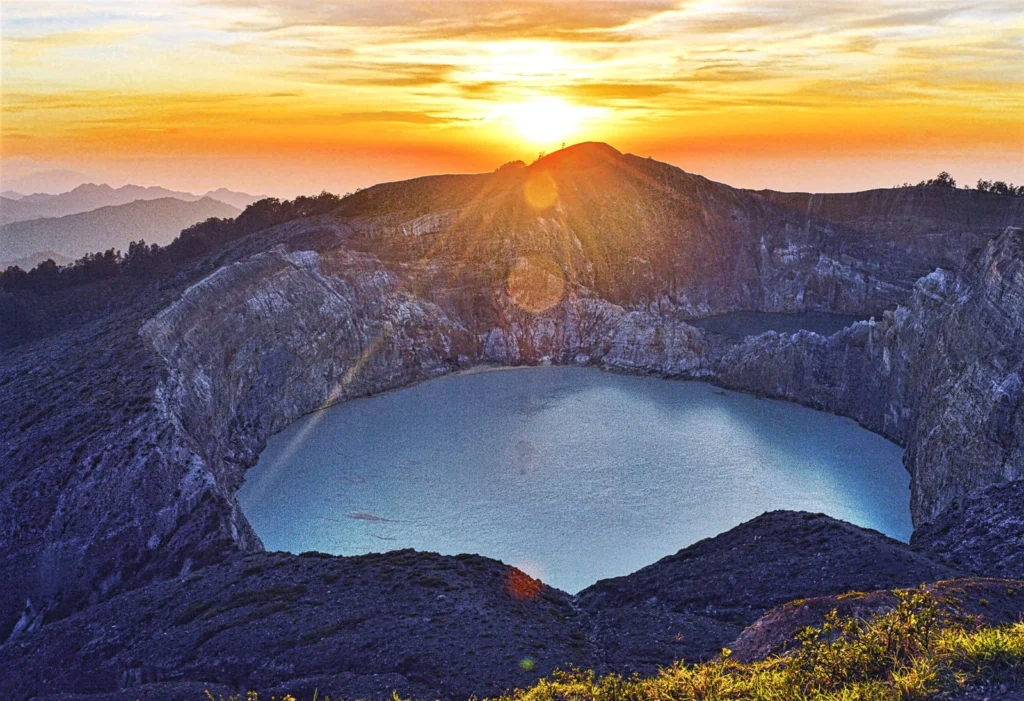
Imaggeo on Mondays: A sunrise over Kelimutu’s three-colour lakes
Volcanoes are undeniably home to some of the most beautiful landscapes on Earth. It doesn’t take much imagination to picture slopes of exceedingly fertile mineral rich soils, covered in lush vegetation; high peaks punching through cloud cover offering stunning vistas and bubbling pools of geothermally warmed waters were one can soak ones worries away. What …[Read More]
Paper of the Month — the first of a (hopefully) long series!
“TRIANGULAR DISLOCATION: AN ANALYTICAL, ARTIFACT-FREE SOLUTION” (by Mehdi Nikkhoo and Thomas R. Walter) COMMENTED BY OLAF ZIELKE “Paper of the Month” is a new blog series launched by the ECS-reps team. The aim is to absorb and share the reading experience of mature seismologists with regards to peer-review articles either recently published (less than 12 …[Read More]
Media skills for scientists – how to get them!
I certainly don’t need to write at any length about the fact I think it is crucial that scientists communicate their research with the public. Over the summer we’ll be sharing a few posts on this very subject. To get the ball rolling I thought I’d focus on one aspect of science communication (#scicomm): how …[Read More]
GeoPolicy: 8 science-based projects improving regions in the EU
As scientists, it can sometimes be difficult to see the real-world implications of some of our research. Concepts can often seem abstract and remote when sitting in a lab or taking field measurements. But researching the Earth sciences can have profound effects on global society. Understanding how the natural world works can help protect and …[Read More]
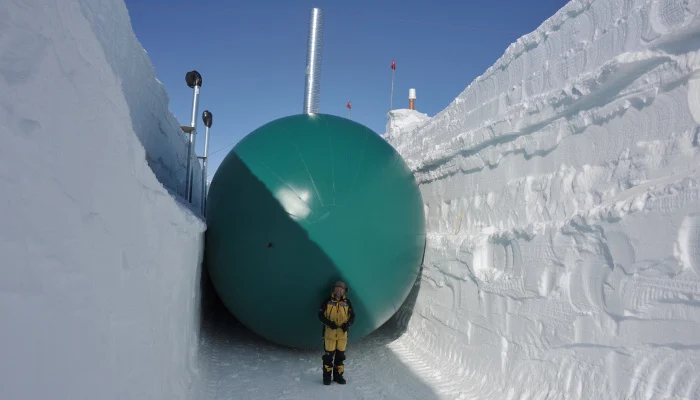
Image of The Week – Ballooning on the Ice
A curious experiment is taking place in Greenland. An experiment involving very large balloons and – of course – a lot of snow. Read on to discover why balloons are an environmentally friendly tool when constructing an ice core drill camp. Last year, a small team traversed 400km from northwest Greenland to the EastGRIP site …[Read More]
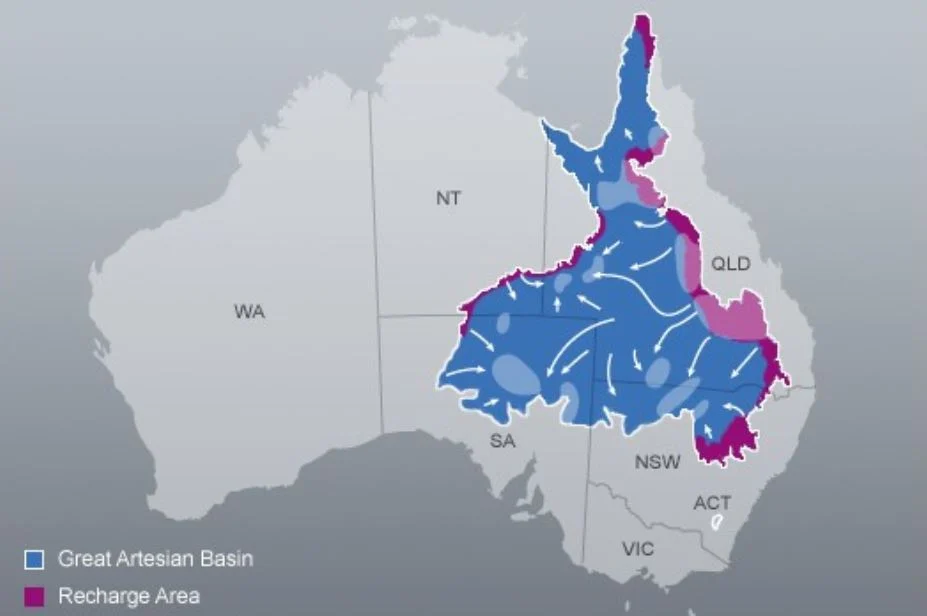
Protecting springs from groundwater extraction: is a ‘drawdown trigger’ a sensible strategy?
By Matthew Currell – Senior Lecturer at RMIT University Springs, some of which have been flowing for hundreds of thousands of years, have been disappearing in Australia due to human water use over the past century. Following a hotly contested court case, Australia’s Environment Minister imposed a 20cm ‘drawdown limit’ at a set of springs, to protect …[Read More]
Volcanic darkness marked the dawn of the Dark Ages
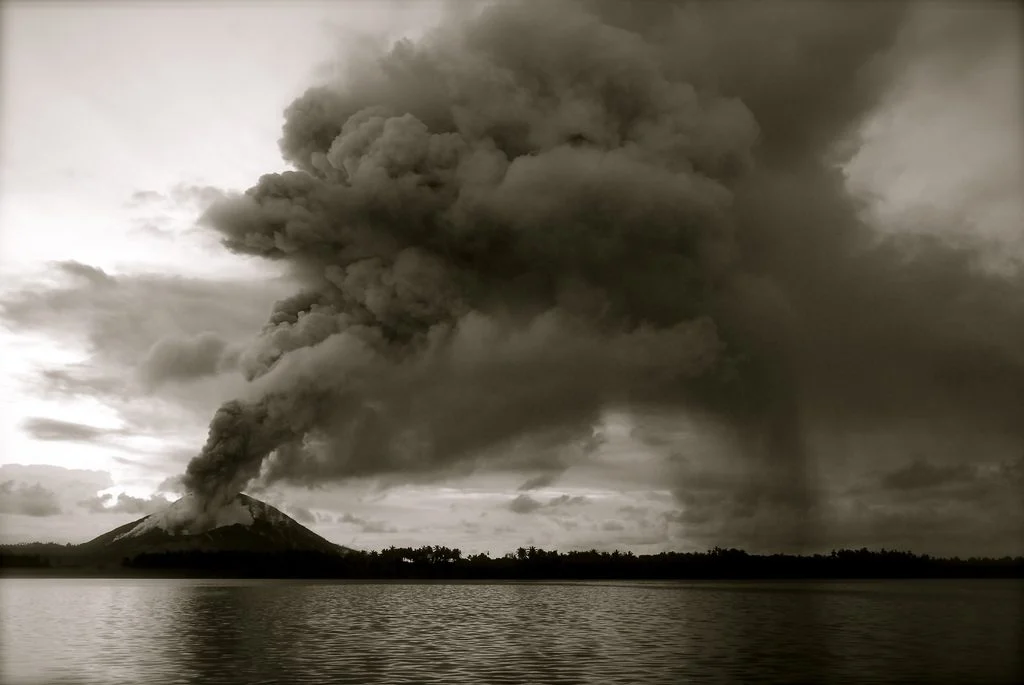
The dawn of the Dark Ages coincided with a volcanic double event – two large eruptions in quick succession. Combined, they had a stronger impact on the Earth’s climate than any other volcanic event – or sequence of events – in the last 1200 years. Historical reports reveal that a mysterious dust cloud dimmed the …[Read More]
Imaggeo on Mondays: Using geophysical techniques to unlock the secrets of the past
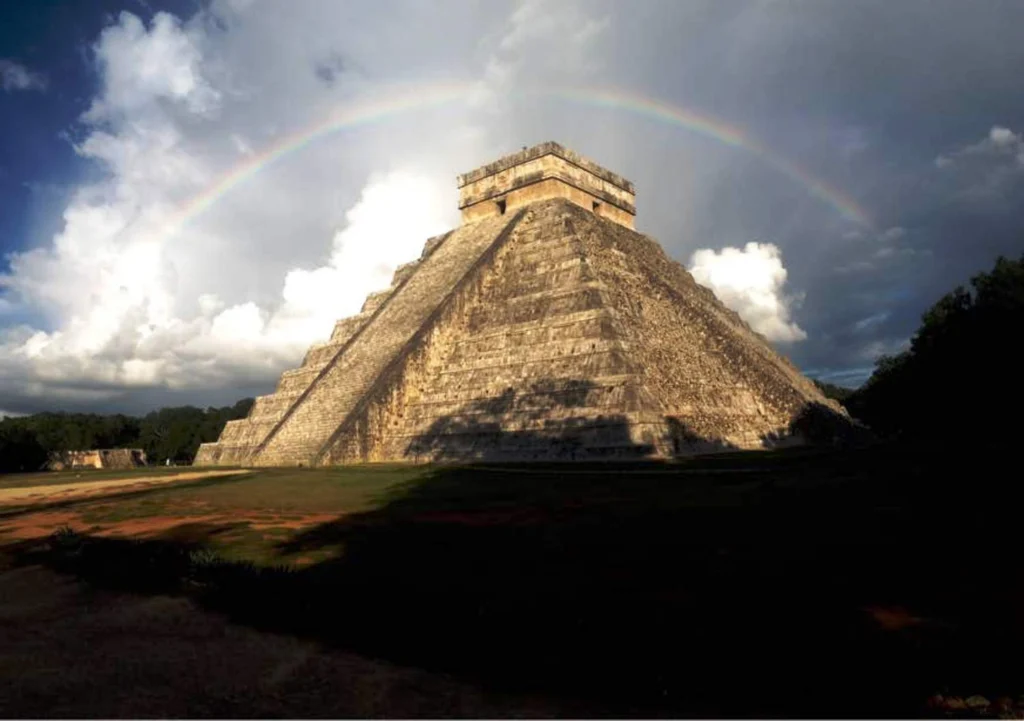
Unravelling the secrets of past civilisations is tricky at the best of times. More so if many of the records which hold clues about how communities lived, built their homes and temples, as well as how they fed themselves, were destroyed by subsequent invaders. In these instances, as Felix Rodriguez Cardozo explains in today’s post, …[Read More]
Keeping a lookout at the edge of the world
Few places in the world conjure up images of remoteness and harshness like Far Eastern Siberia. Yet, it’s places like these where our science is needed most. Arctic soils hold vast amount of carbon, protected in thick layers of permafrost, but these stores are becoming more and more vulnerable as temperatures in the Arctic …[Read More]