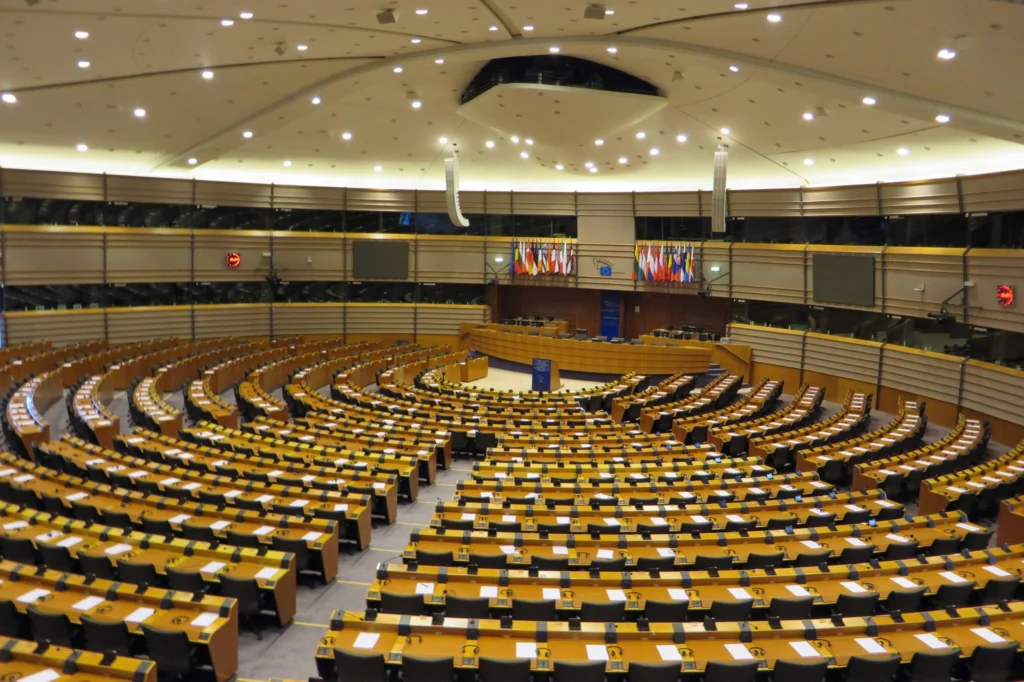
Scientific research is usually verbally communicated to policy officials or through purposefully written documents. This occurs at all levels of governance (local, national, and international). This month’s GeoPolicy post takes a look at the main methods in which scientists can assist in the policy process and describes a new method adopted by the European Commission (EC) that aims to enhance …[Read More]
Latest posts
Big Earth Science Data – Boon or bane?
We are in the era of Big Data. Big Data is a ‘hot’ topic. It is a popular term often associated with an increase in volume, variety and velocity of data. The Copernicus programme for example, the European Union’s flagship programme on monitoring the Earth’s environment using satellite and in-situ observations, anticipates a massive increase …[Read More]
Welcome to the PS division blog!
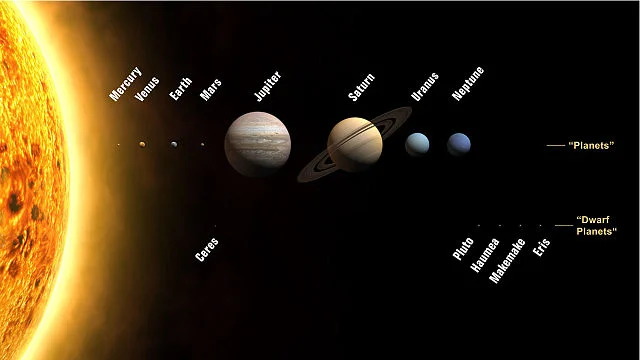
Welcome on-board the blog of the PS division of the EGU ! You may not be familiar with the PS division and what it is about, so I’ll give you a tour. Most of the EGU divisions look towards the Earth, whether it is deep down the interior or right at the surface. Some look …[Read More]
New blog!
We are very happy to announce that from now on, also the Tectonics and Structural Geology division will have its own EGU blog! With this blog we would like to provide a platform for exchanging thoughts and ideas within the global tectonics and structural geology community. Here, we will write, on a monthly or fortnightly …[Read More]
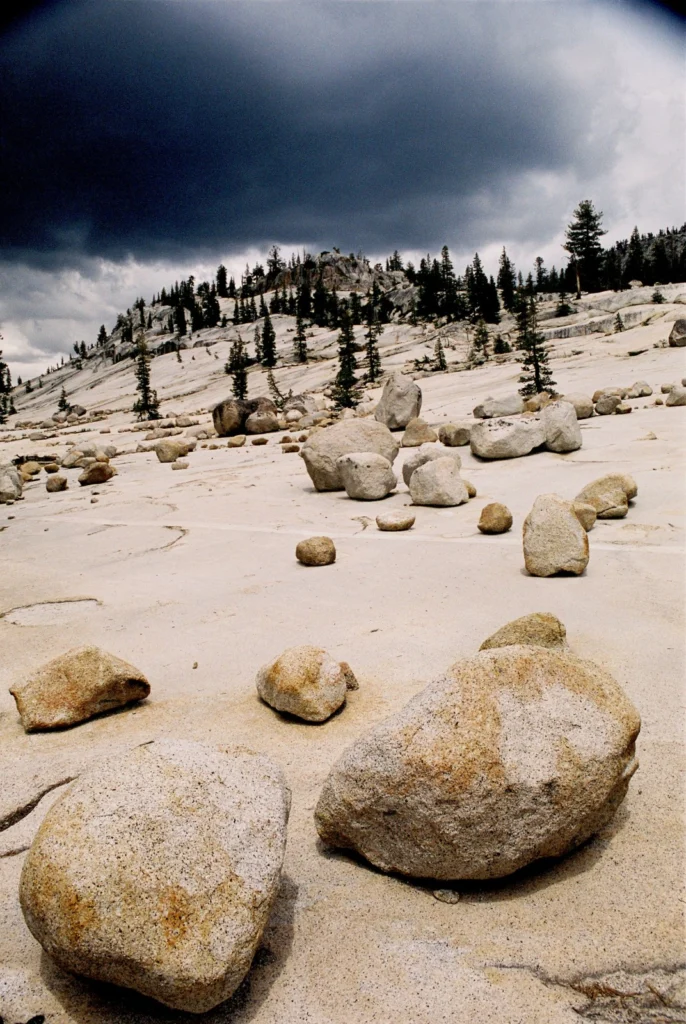
Imaggeo on Mondays: The glacial landscape of Yosemite
Yosemite National Park, in California, is renowned for its beautiful and striking landscapes. So much so, this is the second time it has feature on the blog this summer. While our last post on the park focused on the ancient volcanic history of its landscape, in this post we fast forward to the Plesitocene (some …[Read More]
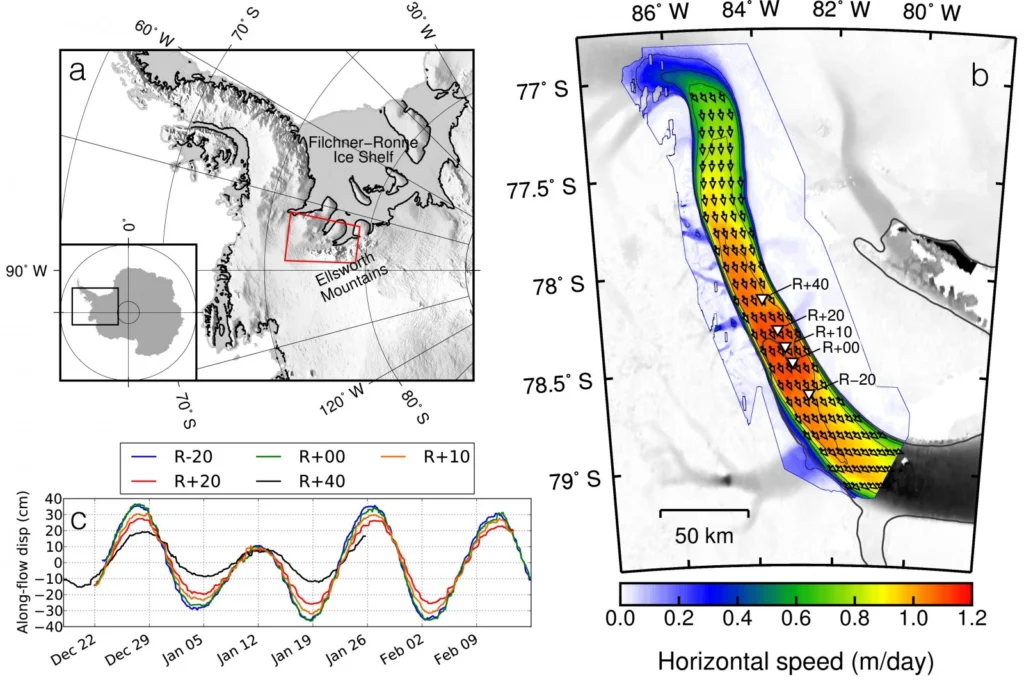
Image of the Week – How ocean tides affect ice flow
Ice streams discharge approximately 90% of the Antarctic ice onto ice shelves , and ultimately into the sea into the sea (Bamber et al., 2000; Rignot et al., 2011). Whilst flow-speed changes on annual timescales are frequently discussed, we consider here what happens on much shorter timescales! Previous studies have shown that ice streams can respond …[Read More]
Shape the EGU 2017 scientific programme: Call-for-sessions is open!
Do you enjoy the EGU’s annual General Assembly but wish you could play a more active role in shaping the scientific programme? Now is your chance! From today, until 9 Sep 2016, you can suggest: sessions (with conveners and description), or; modifications to the existing skeleton programme sessions Explore the EGU2017 Programme groups (PGs) to …[Read More]
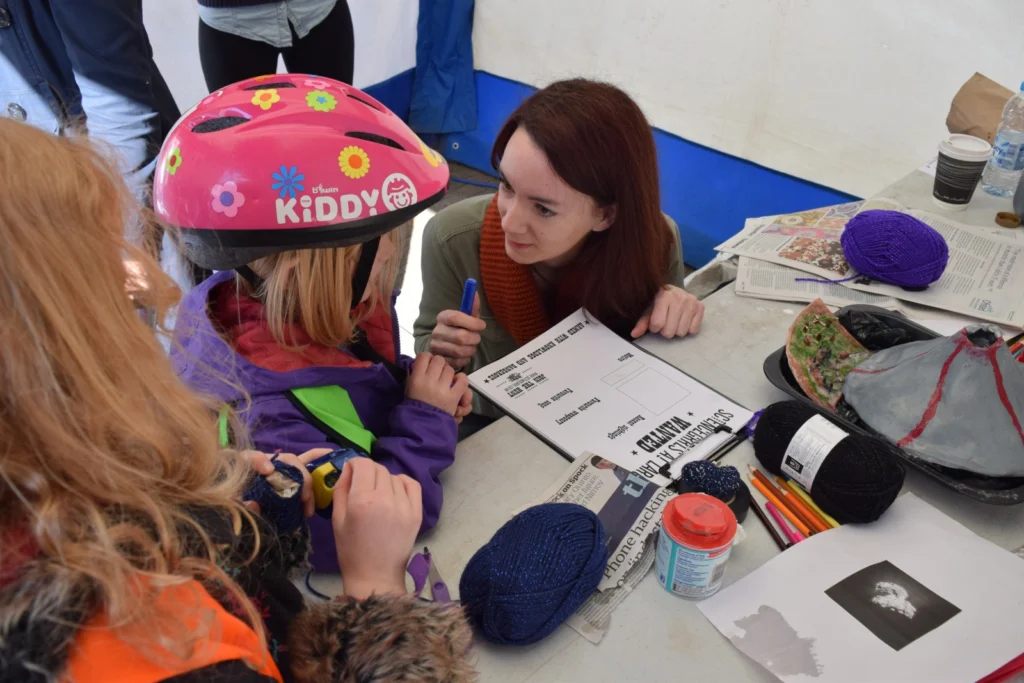
Geoscience outreach- why it matters and how to get involved
This post is brought to you by Natasha Dowey, a dear friend and a volcanologist turned petroleum geologist. Just like us, Natasha has a passion for outreach. In this post she explains why it matters and a number of ways you can get involved. The importance of communication in geoscience is becoming ever more widely …[Read More]
Ice on fire at the Royal Society Summer Science Exhibition
The Royal Society Summer Science Exhibition (RSSSE) is a free public event 4-10th July 2016 in London. This is a yearly event that is made up of 22 exhibits, selected in a competitive process, featuring cutting edge science and research undertaken right now across the UK. The scientists will be on their stands ready to …[Read More]
What caves can teach us about climate, past and present
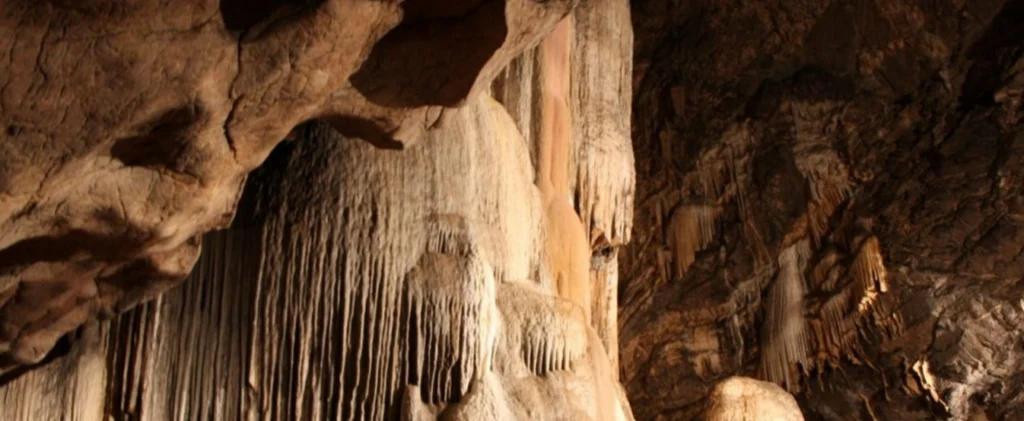
Authored by: Gabriel C Rau, Associate Lecturer in Groundwater Hydrology at UNSW, Australia Andy Baker, Director of the Connected Waters Initiative Research Centre at UNSW, Australia Mark Cuthbert, Research Fellow in Hydrogeology at the University of Birmingham, UK Martin Sogaard Andersen, Senior Lecturer at UNSW, Australia Have you ever enjoyed the cool refuge that an …[Read More]