
At the EGU General Assembly 2018, a new team of Seismology Early Career Scientist representatives was introduced and installed. With more than half of the EGU membership consisting of Early Career Scientists, the team represent an important part of the community and want to be approachable for all. They will be responsible for the Seismology …[Read More]

Paper of the month — The origin of volcano-tectonic earthquake swarms by Roman and Cashman (2006)
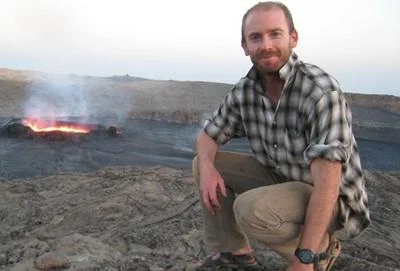
We are pleased to propose you a new Paper of the Month written by Dr. Derek Keir on volcano seismology. Derek’s PhD thesis was on the “Seismicity of the Ethiopian rift” and conducted at Royal Holloway University of London under the supervision of Prof. Cindy Ebinger and Prof. Graham Stuart of the University of Leeds. …[Read More]
MOVEMBER! Cancer awareness and seismology.
Two years ago Matthew Agius, the previous ECS-rep of the Seismology Division, wrote a post in this blog about Movember. Movember is a month-long event (in November) during which men grow their moustaches to rise awareness of cancer, especially the ones affecting men. When at the end of the month Matthew was finally getting rid …[Read More]
Paper of the Month — Seismic anisotropy
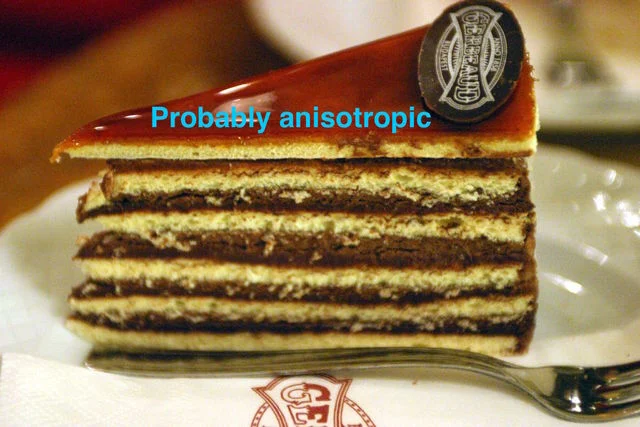
“SEISMIC ANISOTROPY AND MANTLE DEFORMATION: WHAT HAVE WE LEARNED FROM SHEAR WAVE SPLITTING?” (M. K. SAVAGE, 1999) commented by Dr. Jessica Johnson Jessica Johnson from the University of East Anglia (UK) is our guest author of the PoM blog series of this month! She has chosen to comment on the paper “Seismic Anisotropy and …[Read More]
What was going on this week in the world of the ECSeismologists?
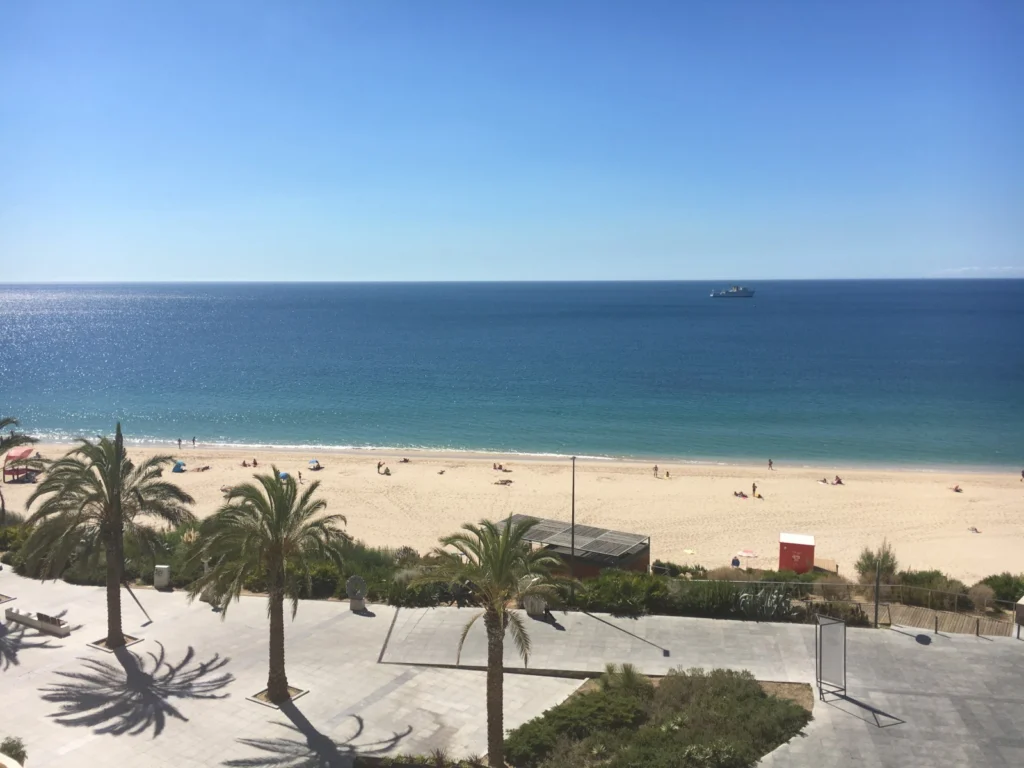
The 2nd TIDES training school! About 60 ECSeismologists (42% women, 58% men; 67% PhD students, 33% others) gathered in Sesimbra (Portugal) from 19th to 23th Sep 2016 to be trained on seismic noise, from the physics of noise generation to seismic interferometry. Two of us had the opportunity to attend the school and we are …[Read More]
Science communication after disasters
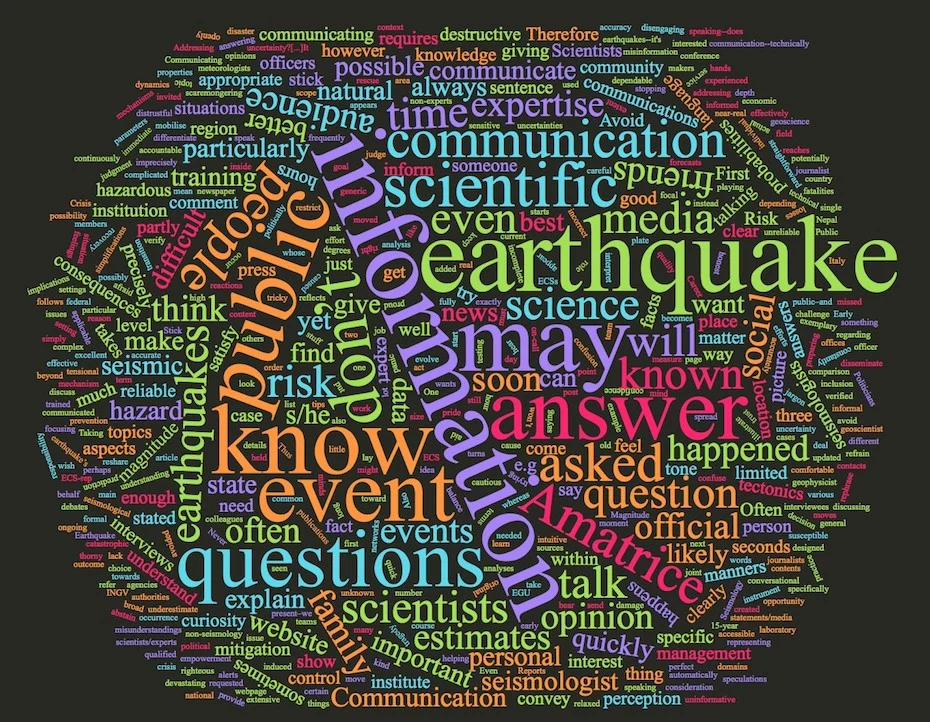
When events such as the Aug 28 2016 Amatrice earthquake occur, we seismologists are asked to answer scientific questions and to give an immediate judgment of the situation. Such questions may be asked by media officers during formal interviews or by friends and family members in person or even on the social networks in informal …[Read More]
Paper of the Month — Mapping the upper mantle
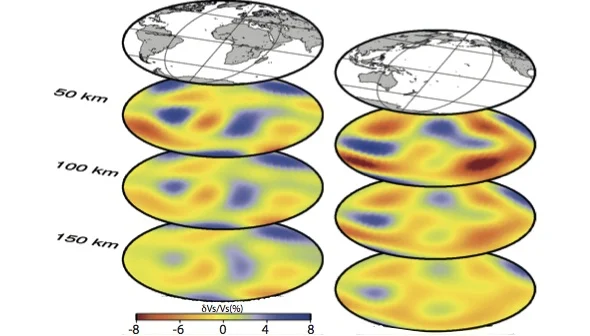
“MAPPING THE UPPER MANTLE: THREE-DIMENSIONAL MODELING OF EARTH STRUCTURE BY INVERSION OF SEISMIC WAVEFORMS” (Woodhouse & Dziewonski,1984) commented by Andrew Valentine. Here we are again with our Paper of the Month (PoM) series! Our guest writer is Andrew Valentine, who has chosen to comment one of the landmark papers in global seismic imaging: “Mapping the …[Read More]
The tough life of a seismologist in the field
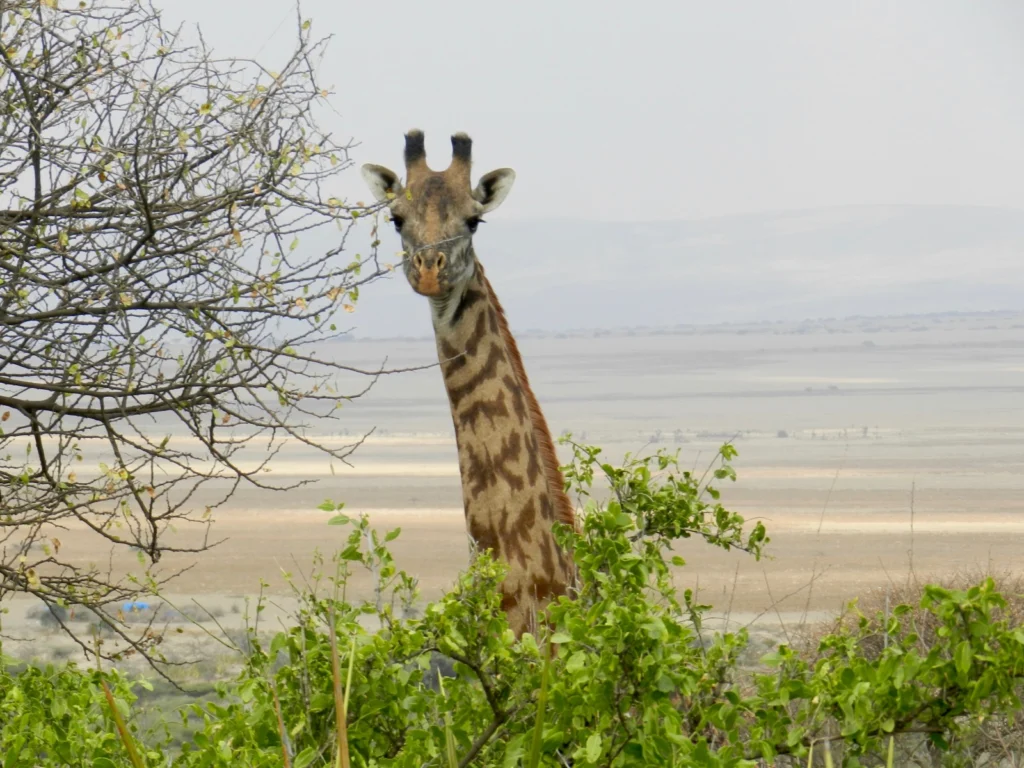
I have just been asked: “do you shun field work as most seismologists do?” My answer was “Definitely not!”. I was trained as a geologist but my PhD in computational seismology kept me away from the field for a while. Yet, today I have a story to tell you as I am just back from …[Read More]
Paper of the Month — the first of a (hopefully) long series!
“TRIANGULAR DISLOCATION: AN ANALYTICAL, ARTIFACT-FREE SOLUTION” (by Mehdi Nikkhoo and Thomas R. Walter) COMMENTED BY OLAF ZIELKE “Paper of the Month” is a new blog series launched by the ECS-reps team. The aim is to absorb and share the reading experience of mature seismologists with regards to peer-review articles either recently published (less than 12 …[Read More]