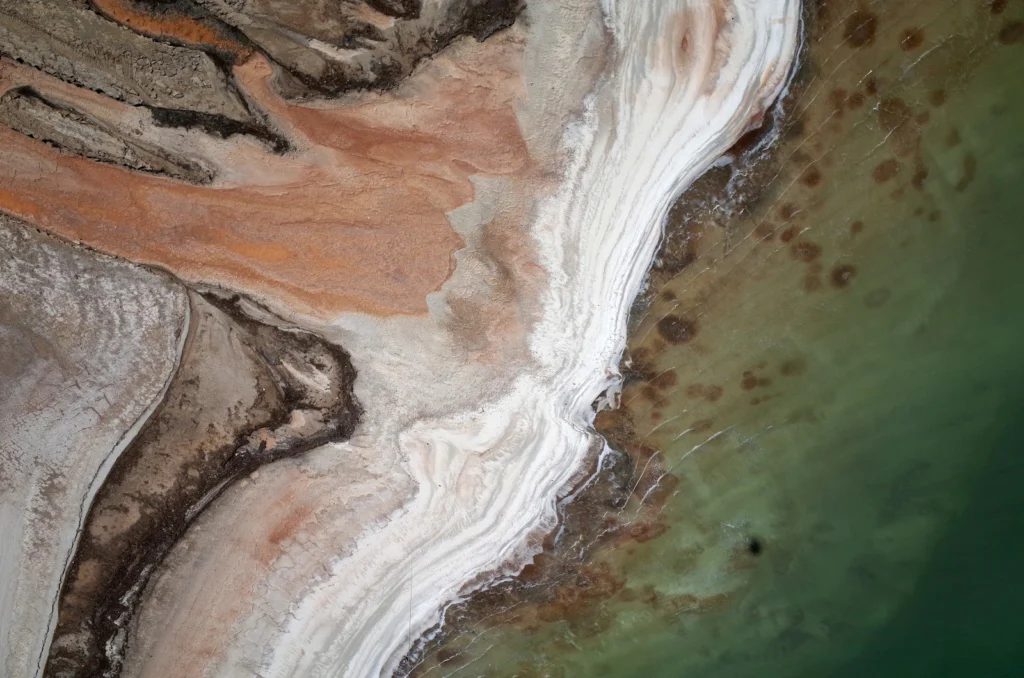
The Dead Sea is one of the saltiest lakes on Earth, located at the lowest point of the globe. For centuries it has been known for the restorative powers of its muds and waters. Their hypersalinity means it is possible to easily float on the lake’s surface. Bordering Israel, the West Bank and Jordan, it …[Read More]
Latest posts
Guest Blog (GfGD Liverpool): Reflections on the GfGD Annual Conference 2016
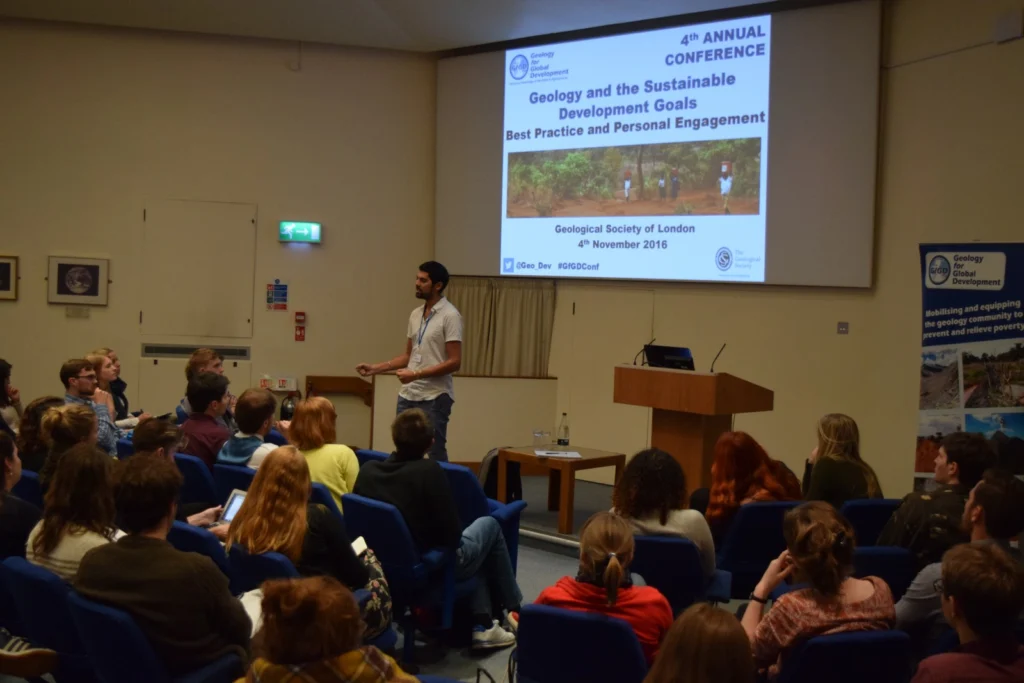
GfGD were delighted to support Clare Spink and Taryn Freeman (University of Liverpool) to attend the recent GfGD Annual Conference. As the new leaders of the GfGD Liverpool University Group they were eager to learn more about GfGD and take that back to Liverpool. On our guest blog today, they share some of those reflections… …[Read More]
Image of the Week – Sea Ice Floes!
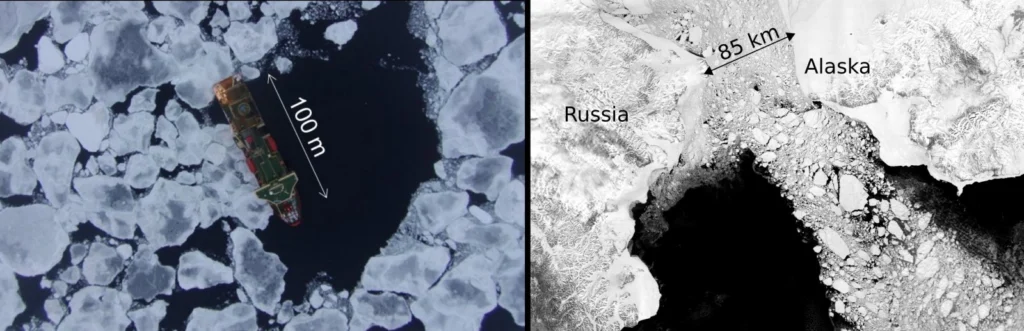
The polar regions are covered by a thin sheet of sea ice – frozen water that forms out of the same ocean water it floats on. Often, portrayals of Earth’s sea ice cover show it as a great, white, sheet. Looking more closely, however reveals the sea ice cover to be a varied and jumbled …[Read More]
Geosciences Column: The complex links between shrinking sea ice and cloud cover
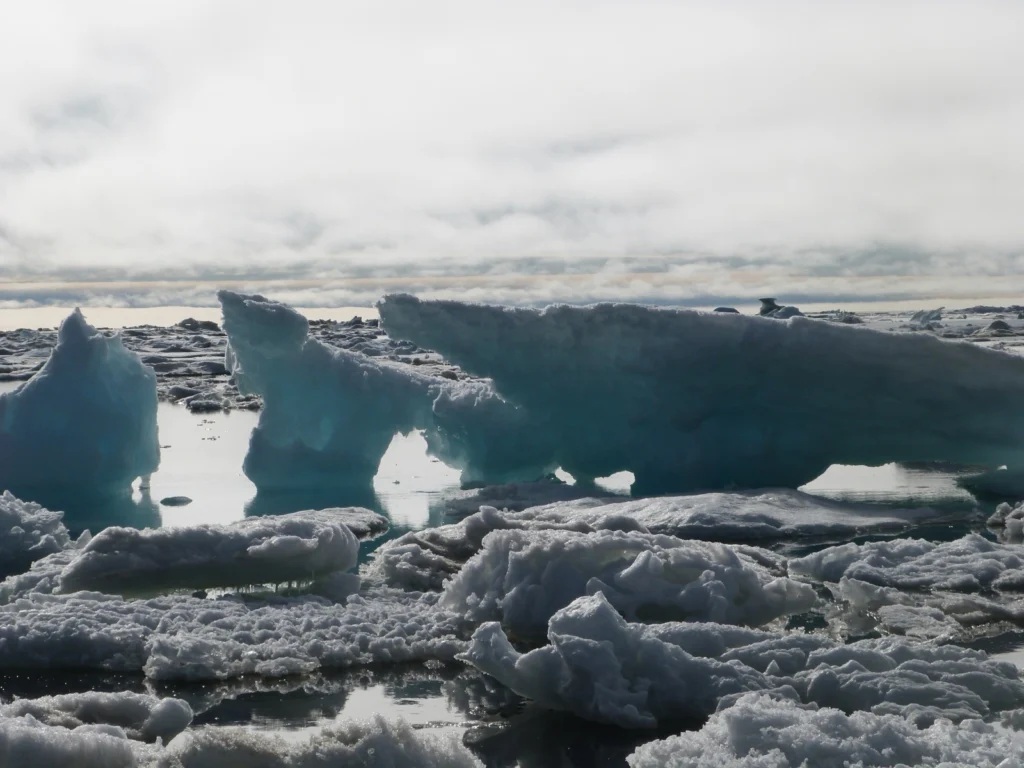
The global climate system is complex. It is composed of, and governed by, a plethora of interconnect factors. Solar radiation, land surface, ice cover, the atmosphere and living things, as well as wind and ocean currents, play a crucial role in the climate system. These factors are intricately connected; changes to some can have significant …[Read More]
Friday Photo: Pressure ridges from the Kaikoura earthquake
This photo was taken by Jack Williams from the University of Otago during mapping of the surface rupture from the recent Kaikoura earthquake. It shows pressure ridges in road from subsidiary strand of Hundalee Fault. You can read more about his field work on yesterday’s blog.
Introducing the people behind the TS division
This week we present the many volunteers behind the activities of the Tectonics and Structural Geology (TS) division. We can also be found on http://www.egu.eu/ts, Facebook and twitter. We are always happy to hear new ideas and feedback! Just drop a message on ts@egu.eu and don’t forget to stop by the division meeting during the General Assembly …[Read More]
Mapping the Kaikoura earthquake, New Zealand
Jack Williams is a PhD Student at the University of Otago, New Zealand, where he is studying the Alpine Fault. Jack was part of a team of experts that went into the field immediately following the Kaikoura earthquake to map the surface ruptures. Here he explains what they were up to and shares some photos of the damage. The Mw 7.8 Kaikoura …[Read More]
EGU17: Communicate Your Science Video Competition is now open!
Want to communicate your research to a wider audience and try your hand at video production? Now’s your chance! The competition is open to early career scientists (ECS) who intend to register for the EGU General Assembly. The aim is to produce a video up-to-three-minutes long to share your research with the general public. The …[Read More]
Imaggeo on Mondays: White rainbow in the Arctic
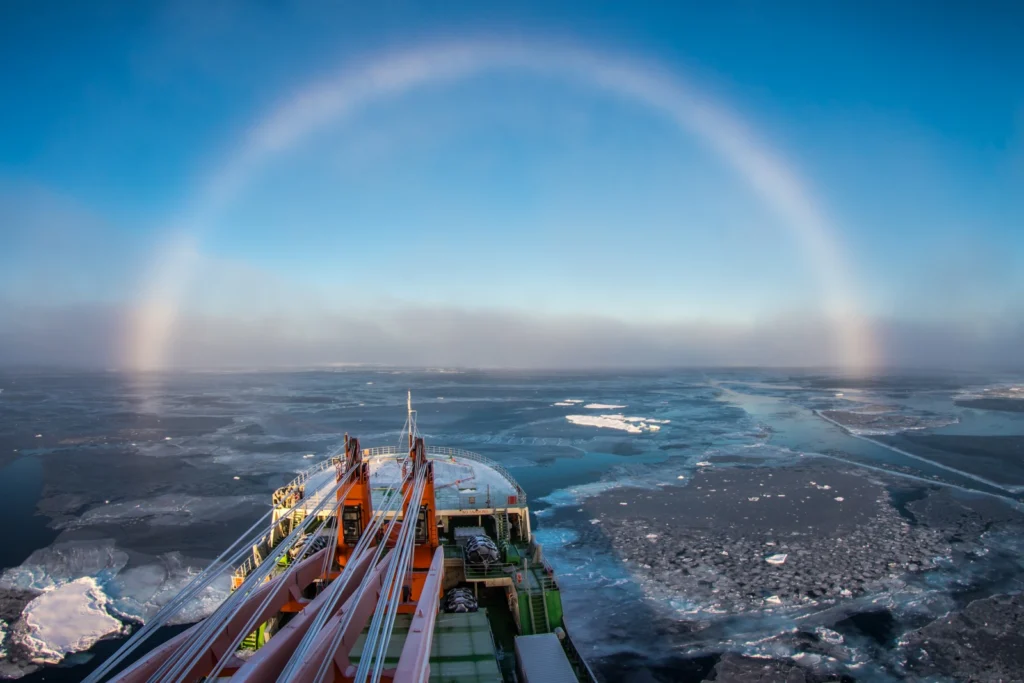
Despite heading into the long polar night – the time when the sun doesn’t shine in the globe’s most northerly latitudes and when temperatures drop and thick sheets of sea ice form -the Arctic is reported to be 20° C warmer than average for this time of year. Never has it been more important to …[Read More]
Image of the Week – What an ice hole!
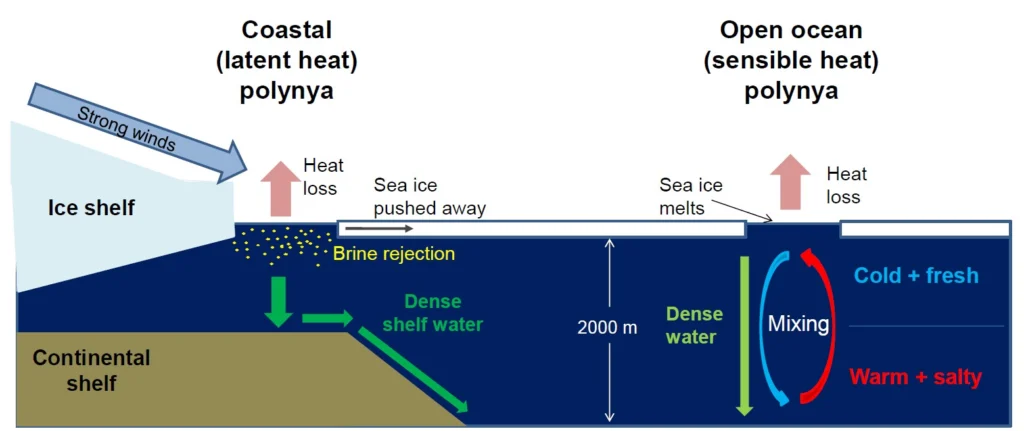
Over the summer, I got excited… the Weddell Polynya was seemingly re-opening! ”The what?” asked my new colleagues. So today, after brief mentions in past posts, it is time to explain what a polynya is. Put it simply, a polynya, from the Russian word for “ice hole”, is a hole in the sea-ice cover. That …[Read More]