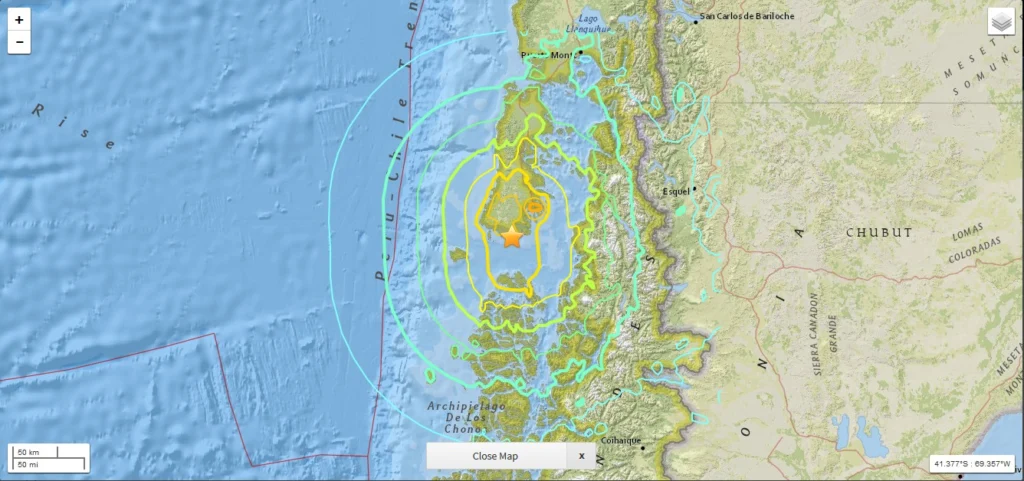
While the majority of us were midway through our Christmas Day celebrations, a powerful 7.6 M earthquake struck off the western coast of the Chile. Natural hazards are not bound by time, location or festivities; an earthquake can happen at any time in any place, regardless of the significance of the day. As a result, …[Read More]
Latest posts
Image of the Week – The Sound of an Ice Age
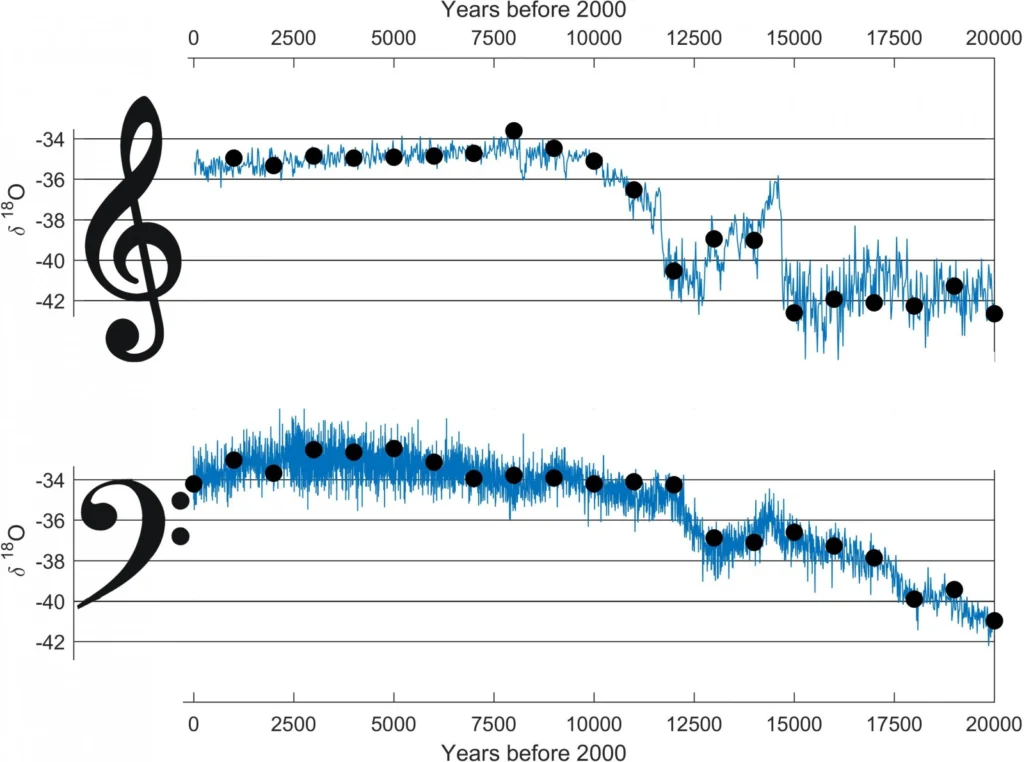
New Year’s Eve is just around the corner and the last “image of the week” of 2016 will get you in the mood for a party. If your celebration needs a soundtrack with a suitably geeky touch then look no further. Here is the music for climate enthusiasts: The sound of the past 60,000 years …[Read More]
The best of Imaggeo in 2016: in pictures
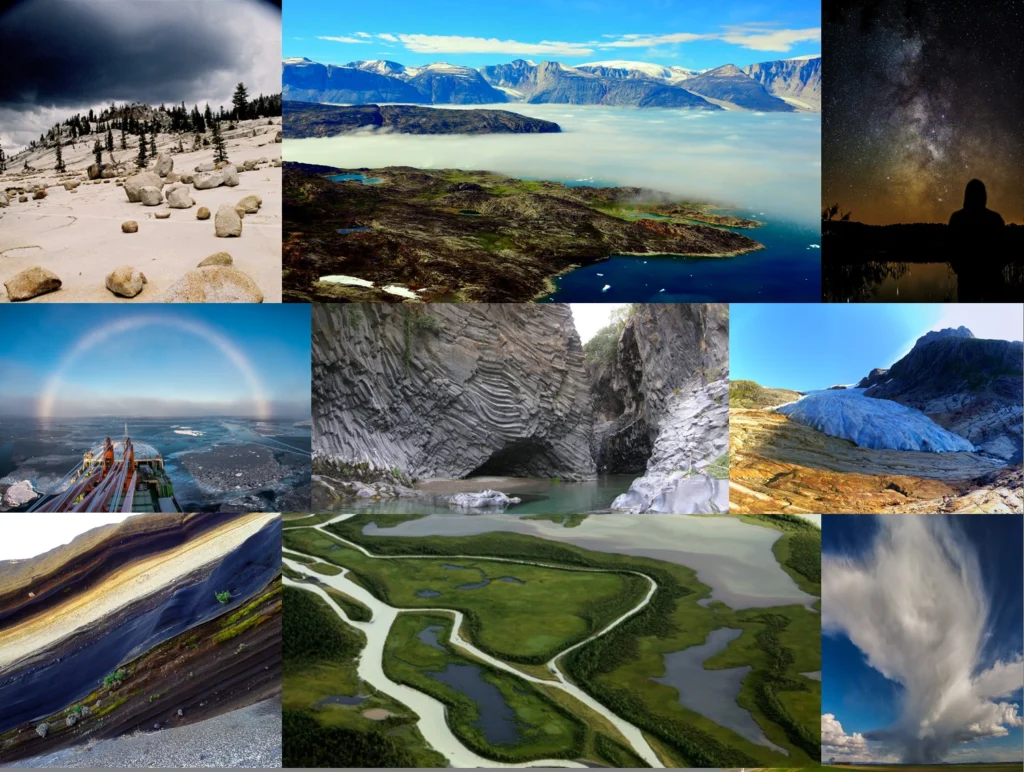
Imaggeo, our open access image repository, is packed with beautiful images showcasing the best of the Earth, space and planetary sciences. Throughout the year we use the photographs submitted to the repository to illustrate our social media and blog posts. For the past few years we’ve celebrated the end of the year by rounding-up some …[Read More]
Image of the Week – Let it snow, let it snow, let it snow…
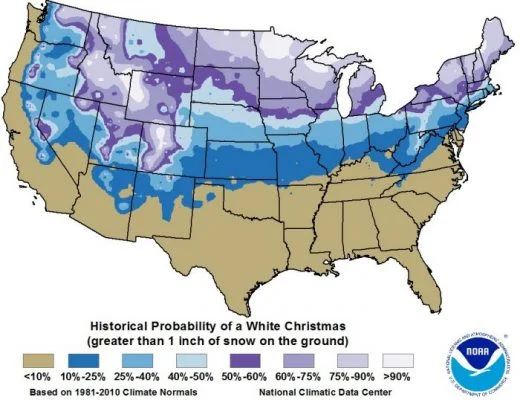
Christmas is coming to town and in the Northern Hemisphere many of us are still dreaming of a white Christmas, “just like the ones we used to know”. But how likely is it that our dreams will come true? What is the definition of a White Christmas ? Usually Christmas can be defined as a …[Read More]
Looking back at the EGU Blogs in 2016: a competition
The past 12 months has seen an impressive 360 posts published across the EGU’s official blog, GeoLog, as well as the network and division blogs. From a lighthearted Aprils Fools’ Day post featuring an extreme chromatic phenomenon (otherwise known as FIB); through to how climate change is affecting mountain plant’s sex ratios; features on natural …[Read More]
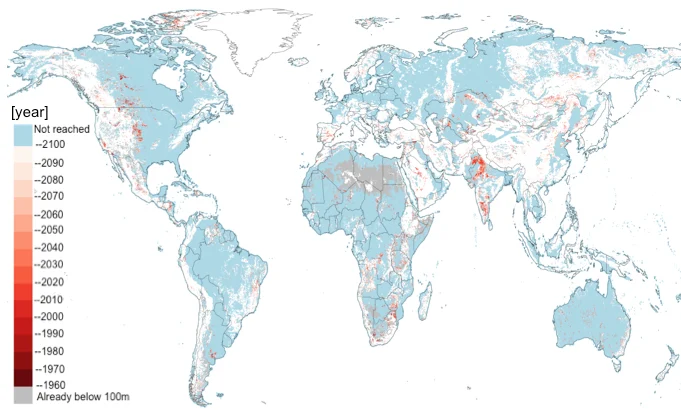
Limits to global groundwater use
Post by WaterUnderground contributor Inge de Graaf. Inge is a postdoc fellow at Colorado School of Mines, in the USA. Groundwater is the world’s most important source of freshwater. It supplies 2 billion people with drinking water and is used for irrigation of the largest share of the world’s food supply. However, in many regions around the …[Read More]
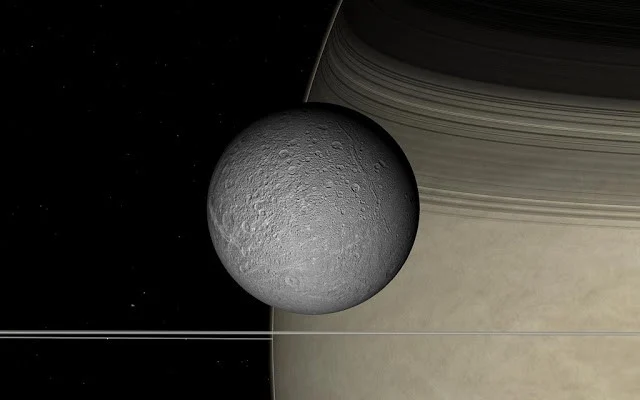
A water ocean inside Saturn’s moon Dione
Deep inside Saturn’s moon Dione lies a global ocean of liquid water, according to scientists of the Royal Observatory of Belgium. Such discovery places Dione as the third Saturn’s moon, beside Enceladus and Titan, to have a subsurface ocean. Previous models of planet interior, based on gravity and shape data of Cassini, predicted no ocean …[Read More]
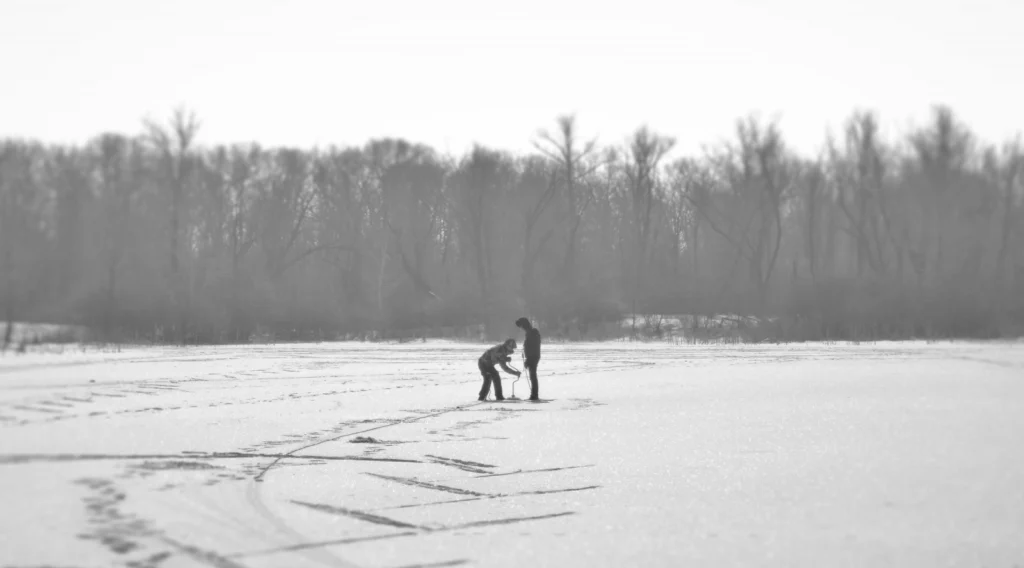
Imaggeo on Mondays: Ice drilling
This week’s Imaggeo on Monday’s post, captured by Maksim Cherviakov, shows students from Saratov National Research University practicing a method to measure lake ice thickness. The students are using an ice auger to manually burrow through the ice. Afterwards, the ice depth is recorded using a tape measure. “We measure ice thickness every year on the …[Read More]
Image of the Week — Allez Halley!
On the Brunt Ice Shelf, Antarctica, a never-observed-before migration has just begun. As the pale summer sun allows the slow ballet of the supply vessels to restart, men and machines alike must make the most of the short clement season. It is time. At last, the Halley VI research station is on the move! Halley, …[Read More]
GeoTalk: Using satellites to unravel the secrets of our planet’s polar regions
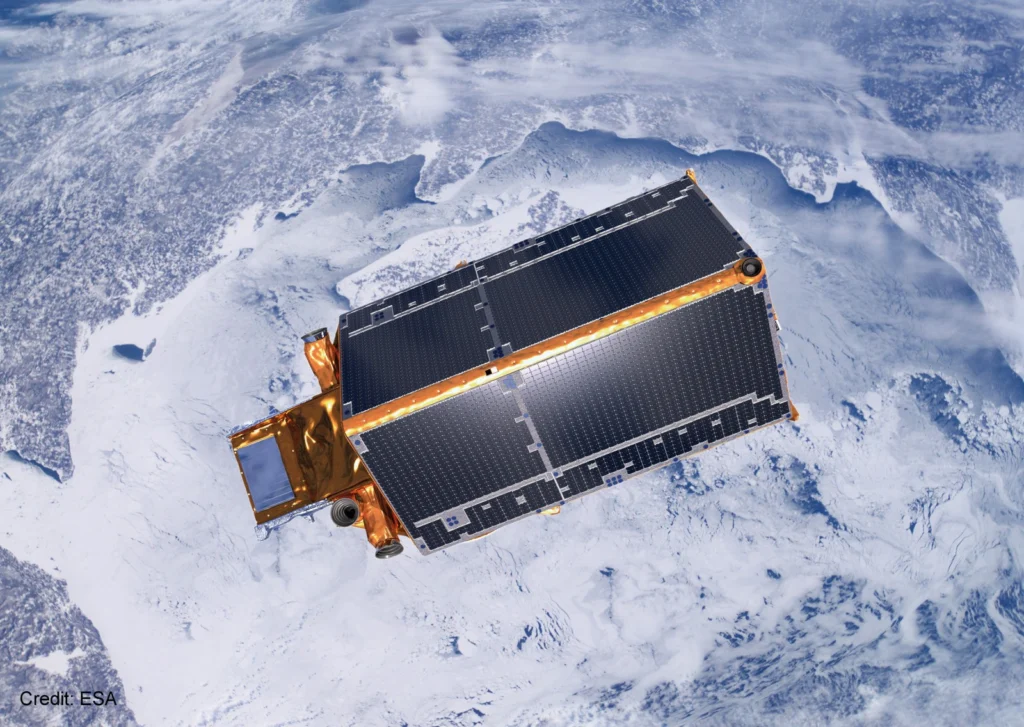
Geotalk is a regular feature highlighting early career researchers and their work. In this interview we speak to Bert Wouters, a polar scientist at the University of Utrecht, and winner of one of the 2016 Arne Richter Awards for Outstanding Young Scientists. At a time when the polar regions are facing increasing challenges resulting from …[Read More]